Ticketed vs Free Exhibitions in London: When to Book in Advance
Learn which London museums require advance booking and which are walk-in friendly. Save time and money with our practical guide to navigating ticketed vs free exhibitions.
When you step into the National Gallery, London’s premier public collection of Western European paintings from the 13th to the 19th century. Also known as The National Gallery, Trafalgar Square, it’s not just a museum—it’s a direct line to centuries of artistic revolution. No ticket needed. No hidden fees. Just over 2,300 paintings, from Renaissance altarpieces to Impressionist masterpieces, all open to anyone who walks through the doors.
What makes the National Gallery different from other art spots in London? It doesn’t just display art—it tells the story of how Europe saw itself. You’ll find Van Gogh’s Sunflowers, one of the most recognizable paintings in the world, painted during his time in Arles right next to Turner’s light-filled seascapes, where color and movement became as important as the subject. These aren’t just pretty pictures. They’re documents of changing beliefs, science, politics, and emotion. And unlike private collections or gated galleries, this one was built by the public, for the public—back in 1824, when art was still seen as something only the rich should own.
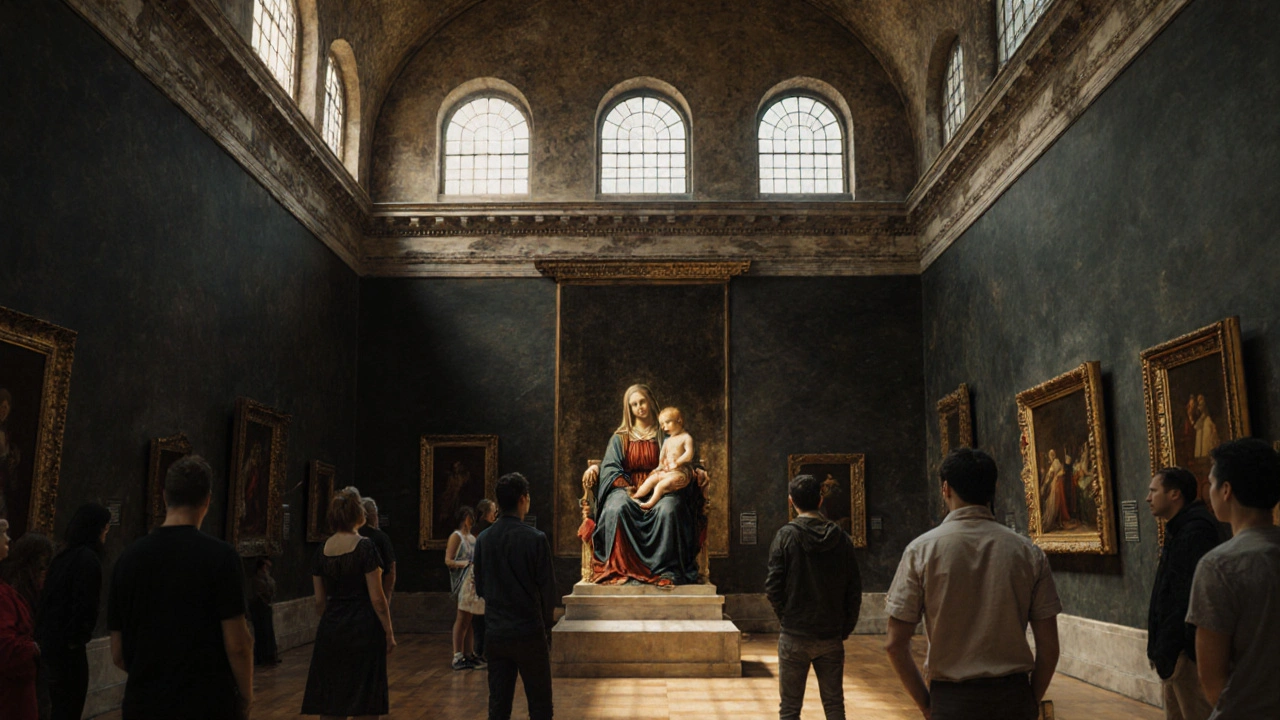
The building itself? A neoclassical temple in Trafalgar Square, designed to feel grand but welcoming. You can spend five minutes or five hours. There’s no set route. No timed entry. You can stand in front of a Botticelli for ten minutes, then wander into a room full of dark, moody Caravaggios and feel your whole mood shift. It’s the kind of place where you might come for the famous works and leave obsessed with a tiny, forgotten portrait you didn’t even know existed.
And it’s not just about old masters. The National Gallery actively adds new voices—women artists once left out, artists from across Europe who didn’t fit the usual narrative. You’ll find pieces by Artemisia Gentileschi, a woman who painted biblical heroines with raw power, right beside Rembrandt’s self-portraits. That’s the quiet magic here: history isn’t fixed. It’s being rewritten every time someone new walks in and sees themselves in a 400-year-old brushstroke.
People come for the Van Goghs. They stay for the quiet corners. The sunlight hitting a Gainsborough landscape. The way a child points at a dragon in a medieval painting and asks, "Why is it breathing fire?" The National Gallery doesn’t shout. It doesn’t need to. It lets the art speak—and in a city full of noise, that’s rare.
Below, you’ll find real stories from people who’ve visited—not just the highlights, but the hidden moments: how to avoid the crowds, which paintings are best seen in the afternoon light, why the café line is shorter than you think, and which free talks actually matter. Whether you’re a first-timer or you’ve been ten times, there’s something here you haven’t seen yet.
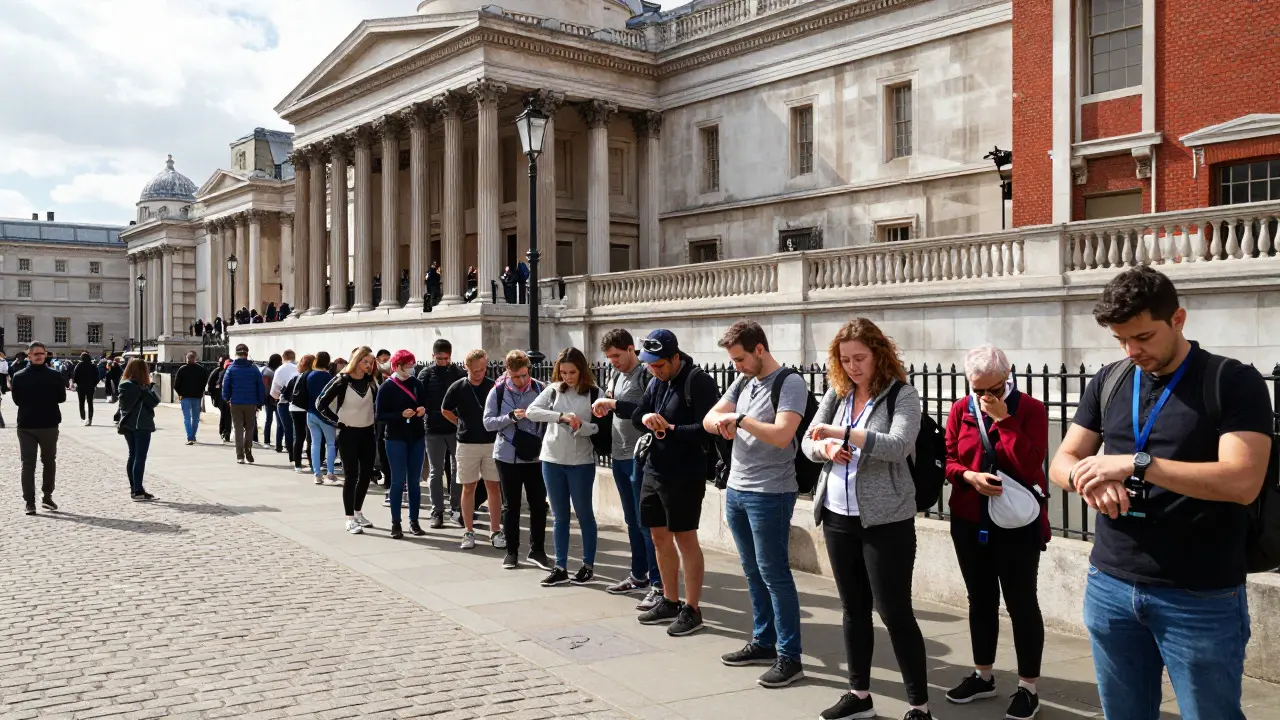
Learn which London museums require advance booking and which are walk-in friendly. Save time and money with our practical guide to navigating ticketed vs free exhibitions.
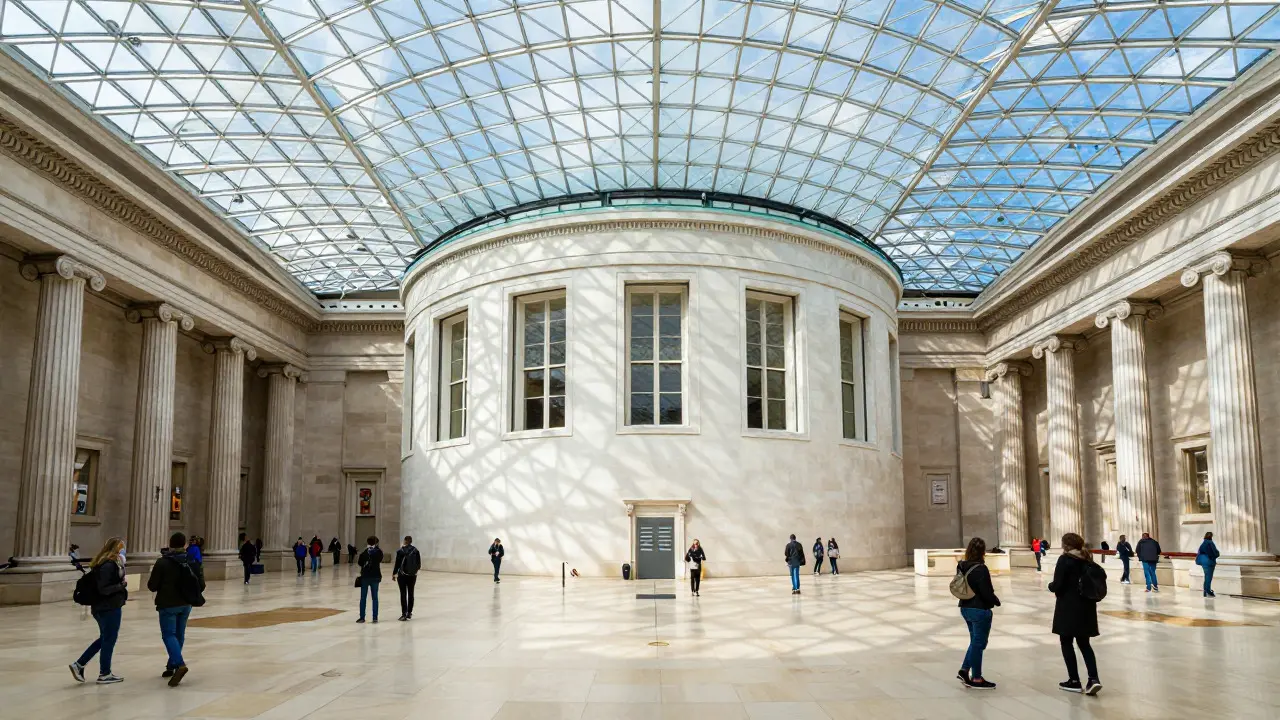
Discover the best free museums in London, including the British Museum and National Gallery. Learn practical tips for visiting, hidden gems, and how to plan your budget-friendly cultural trip.
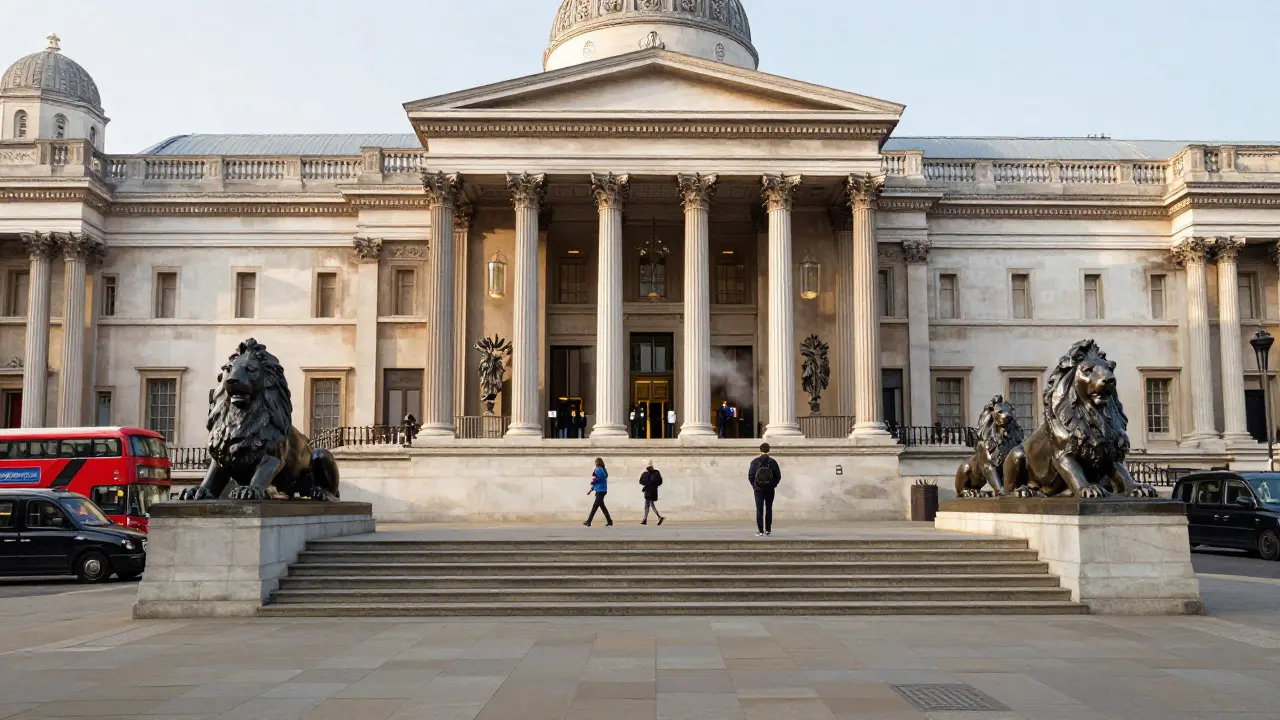
Plan the perfect one-day cultural trip in London. Learn how to maximize your 8 hours by visiting the National Gallery and Tate Modern, with practical tips, alternative routes, and insider advice to avoid common mistakes.
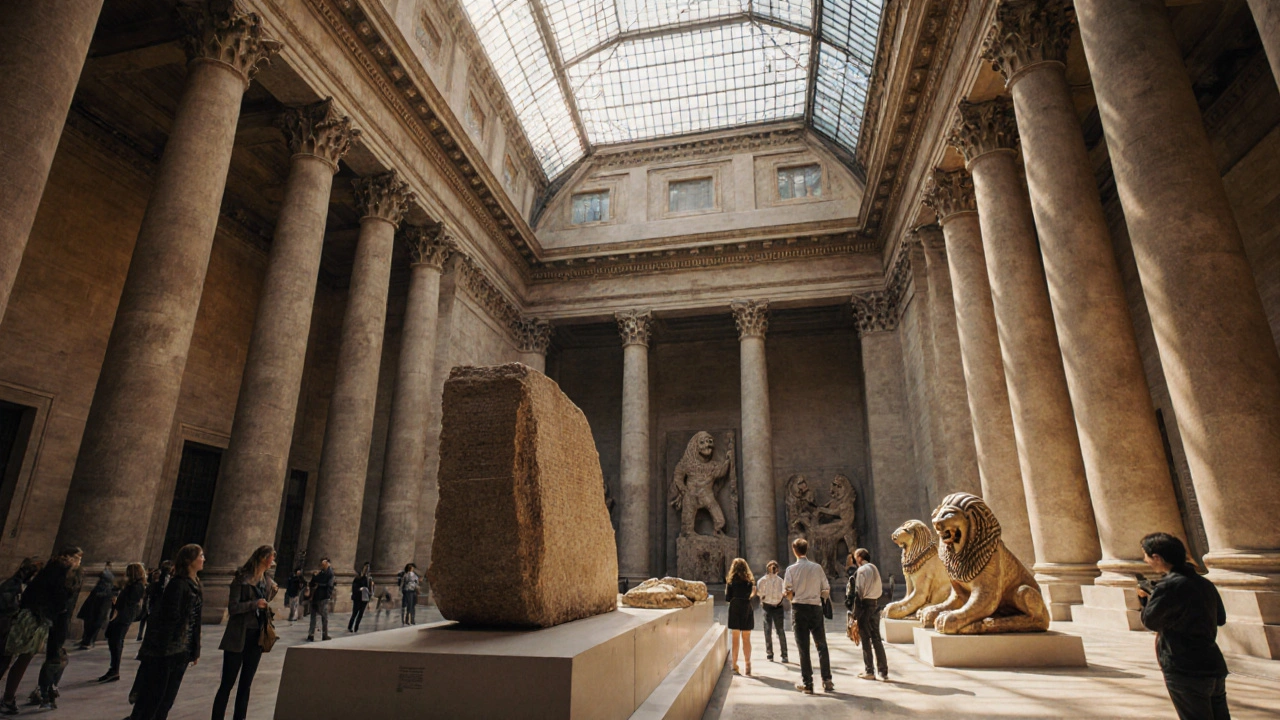
Decide between the British Museum and National Gallery with clear facts on artifacts, art, crowds, and time needed. Free entry, world-class collections, and which one to visit first.
Explore the National Gallery's Western European art from the 13th to 19th centuries with a clear, practical guide to the most important paintings, artists, and movements-without the overwhelm.