You have exactly twenty-four hours. Maybe less if you count the train ride from London. Can you actually see the Bath is a historic city in Somerset, England, famous for its Roman baths, Georgian architecture, and natural hot springs. without feeling like you’re running on hamster wheels? The answer is yes, but only if you stop trying to check every box and start moving with purpose. Most tourists waste their first hour standing in line for tickets they didn’t need, or getting lost looking for a parking spot that doesn’t exist in the center. This guide cuts through the noise to give you a realistic, high-impact itinerary that balances sightseeing, relaxation, and those Instagram-worthy shots everyone posts.
Start Early: The Royal Crescent and Great Pulteney Bridge
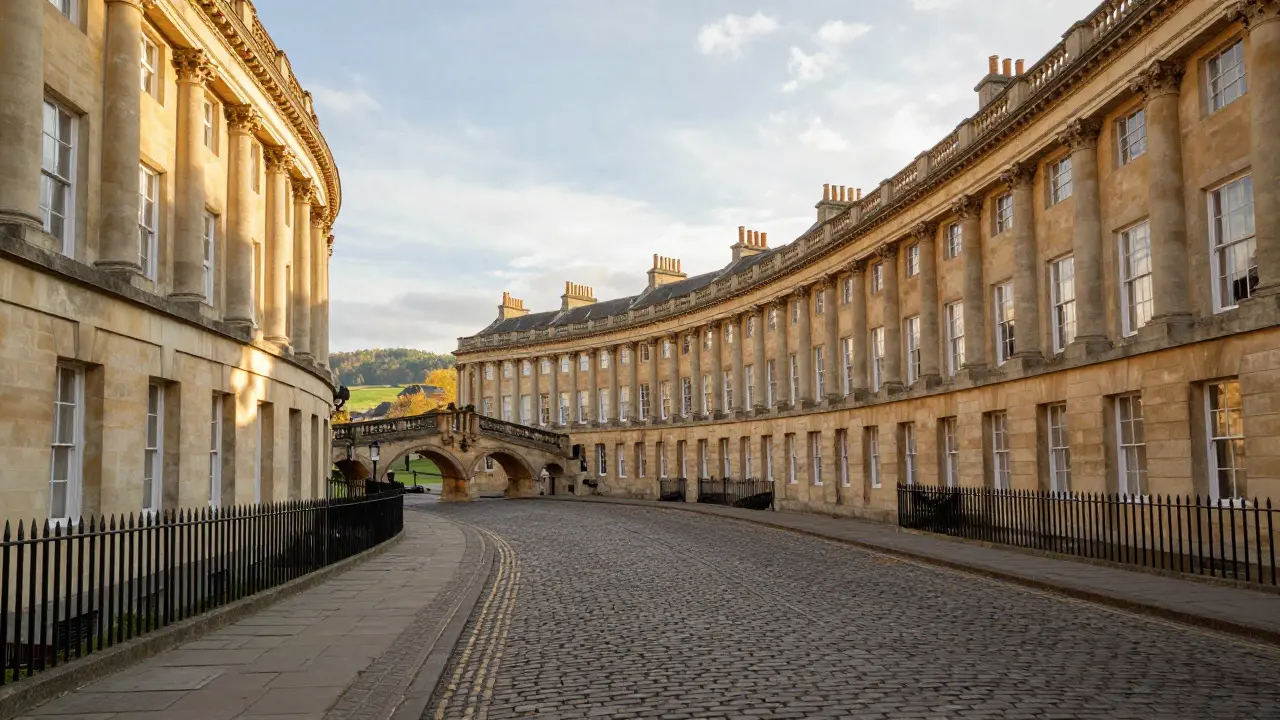
Your day should begin before the tour buses arrive. Aim to be at the Royal Crescent is a row of 30 terraced houses built between 1767 and 1774 in the Queen Square area of Bath. by 8:30 AM. At this time, the light hits the honey-colored limestone perfectly, and the streets are empty. Take your time here. Walk up to the top floor windows if you can find an open door (or just look from the street) to appreciate the scale of the Georgian design. Don’t rush to take a photo and leave; stand there for two minutes. It sets the tone for the rest of the day.
From the Royal Crescent, walk south along the sloping street toward the Great Pulteney Bridge is an eight-arched bridge over the River Avon in Bath, known for having shops built into its structure.. This isn’t just a bridge; it’s a covered shopping arcade spanning the water. Cross it to get to the opposite side where you’ll find some of the best views of the bridge itself from below. The stone arches reflect beautifully in the river, making it one of the most photogenic spots in the city. If you’re short on time, skip the shops inside and focus on the exterior angles.
The Thermal Experience: Roman Baths vs. Thermae
Now comes the decision that trips up many visitors: do you go into the ancient ruins or the modern spa? They are next to each other, but they offer completely different experiences. The Roman Baths is a complex of public baths built by the Romans around AD 60-70, located in central Bath. is a museum. You are looking at history. The water you see is still hot today, rising from underground sources. It’s fascinating, atmospheric, and requires about 90 minutes to explore properly. Book your tickets online in advance; walking in without a reservation often means waiting 45 minutes or more.
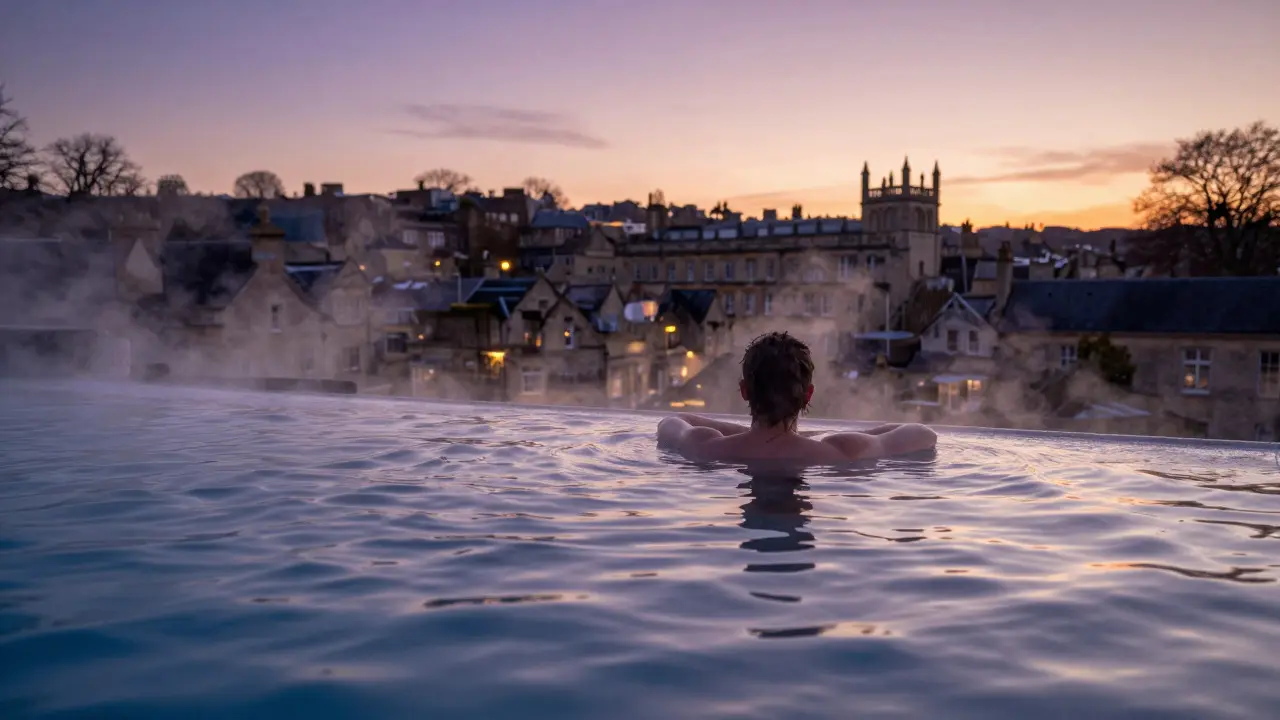
If you want to actually soak in the water, head to the Thermae Bath Spa is a modern spa facility opened in 2006, featuring an outdoor infinity pool filled with naturally heated mineral water.. This is where the magic happens. The outdoor pool sits on a hillside overlooking the city rooftops. As steam rises from the water, you get a panoramic view of the Georgian skyline. It feels surreal. However, note that you cannot bring cameras into the pool area. So, if photography is your priority, take your photos *before* you enter the spa. The contrast between the cold air and the 38°C water is invigorating, not relaxing in a sleepy way. Plan for 2 hours here if you want to use the changing rooms, sauna, and pool without rushing.
| Feature | Roman Baths | Thermae Bath Spa |
|---|---|---|
| Primary Activity | Museum visit / Historical viewing | Soaking in hot spring water |
| Duration Needed | 1.5 - 2 hours | 2 - 3 hours |
| Photography Allowed | Yes (no flash) | No (in pool area) |
| Best Time to Visit | Mid-morning (10 AM - 12 PM) | Late afternoon (4 PM onwards) |
| Key Highlight | Preserved Roman pools and mosaics | Outdoor infinity pool with city views |
Golden Hour Photography: The Victoria Park View
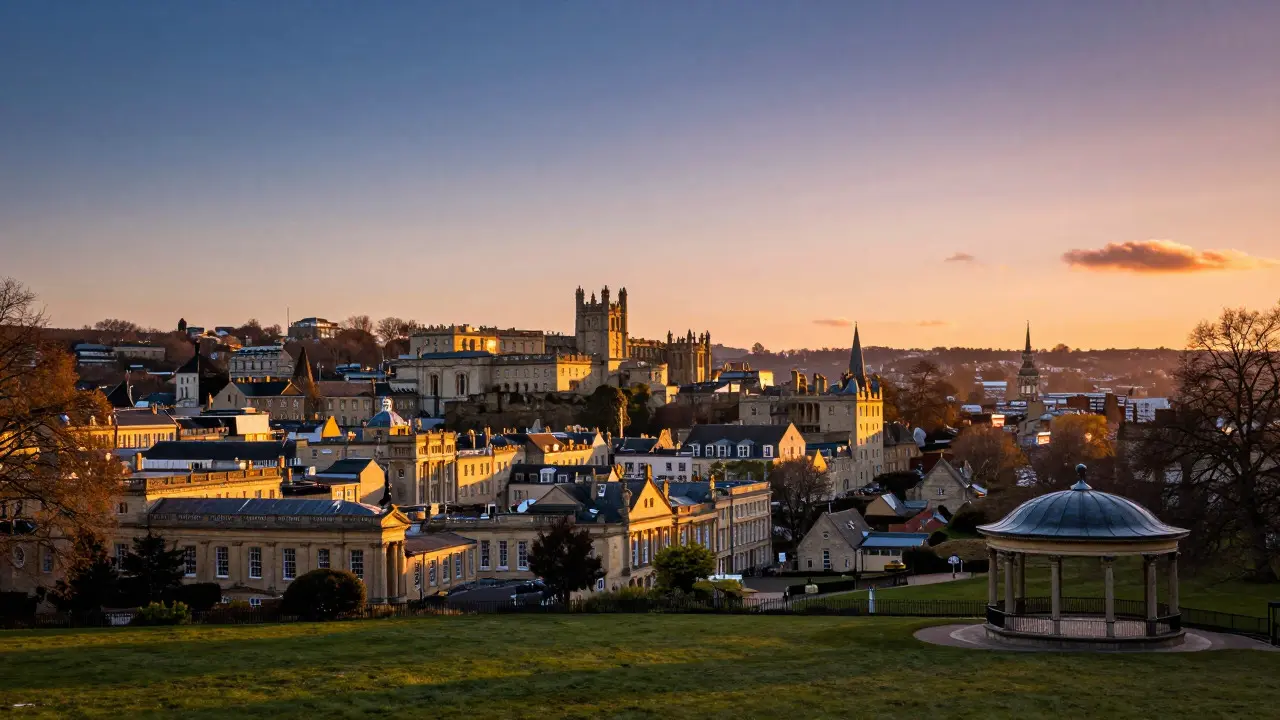
After your soak, you need to recover and capture the best light of the day. Head to Victoria Park is a large park in central Bath, situated above the city center, offering panoramic views of the rooftops and hills.. This is arguably the single best free viewpoint in Bath. The path leading up to the park entrance is steep, so pace yourself. Once you reach the top, position yourself near the bandstand or the edge of the lawn facing the city. As the sun begins to drop behind the western hills, the entire city glows gold. The shadows lengthen across the rooftops, creating dramatic lines that flat midday light never achieves.
Pro tip: Bring a lens with a wider aperture if you have one. The light gets soft and warm quickly. If you’re using a smartphone, switch to portrait mode to blur the background slightly and make the buildings pop. Stay until the sky turns purple. It’s worth the wait. While you’re there, you can also see the outline of the castle keep, which adds historical depth to the shot.
Tea Time: Where to Sit Without Breaking the Bank
You’ve walked, soaked, and photographed. Now you’re hungry and tired. Bath has a reputation for being expensive, but you don’t need to spend £30 on a scone to enjoy a proper cup of tea. Avoid the main high-street cafes during peak hours (1:30 PM - 3:00 PM) as queues can stretch out the door. Instead, head to the Sally Lunn’s Historic Eating House is a bakery and cafe established in 1766, famous for its breads and cakes, located in the Abbey Churchyard.. Yes, it’s touristy, but the buns are fresh, huge, and relatively affordable. Or, try The Bath Bakery is a local bakery known for artisan breads and pastries, popular among residents for quality and value. for something more casual and less staged. If you prefer a sit-down meal, look for pubs in the Northgate area. They serve hearty food at reasonable prices and offer a break from the polished hotel lobbies.
Evening Stroll: The Abbey and Street Life
End your day at the Bath Abbey is a large Anglican parish church, the largest in England, built in the late 15th and early 16th centuries.. The interior is stunningly tall and airy. Even if you aren’t religious, the acoustics and the sheer scale of the nave are impressive. It’s quiet, peaceful, and a perfect counterpoint to the busy streets outside. From the abbey, walk down the narrow lanes toward the river. The cobblestone streets are illuminated by streetlamps, giving the city a cozy, intimate feel. Grab a pint or a glass of wine at a riverside bar and watch the lights reflect off the water. It’s a calm end to a full day.
Practical Tips for Your Bath Day Trip
- Footwear: Wear comfortable shoes. The cobbles are uneven, and you will walk 10,000+ steps. Heels are a mistake.
- Transport: The train from London Paddington takes about 1 hour 15 minutes. Buy tickets in advance for cheaper fares.
- Clothing: Layers are essential. The weather changes fast. A light rain jacket is wise even in summer.
- Water: Carry a refillable bottle. There are public fountains throughout the city center.
- Timing: Start early, finish late. The middle of the day is for soaking and eating, not sightseeing.
Is Bath worth visiting for just one day?
Yes, if you plan strategically. Focus on three key areas: the Royal Crescent for architecture, the Thermae for the thermal experience, and Victoria Park for views. Skip the museums unless you have a specific interest, and prioritize outdoor activities.
What is the best time of year to visit Bath?
Late spring (May) and early autumn (September) are ideal. The weather is mild, the crowds are smaller than in summer, and the light is beautiful. Summer is crowded but offers longer days for evening strolls.
Can you swim in the Roman Baths?
No. The Roman Baths are a preserved archaeological site. To swim in the natural hot springs, you must visit the Thermae Bath Spa or the nearby Thermae Baths (if open). The water temperature is consistent year-round due to geothermal activity.
How much does a day in Bath cost?
Budget around £50-£80 per person excluding transport. This includes entry to the Thermae (£35-£45), a meal (£15-£20), and snacks/coffee (£10-£15). The Roman Baths cost extra if you choose to visit both sites.
Are there good vegetarian options in Bath?
Yes. Bath has a strong vegan and vegetarian scene. Look for places like The Little Green Pig or various cafes in the Southgate area. Most traditional British pubs also offer pies and chips, which are often meat-free.