
Scaling a tech team in London means more than just hiring great engineers. It means finding a physical space that supports deep work, rapid prototyping, and the kind of spontaneous collaboration that sparks innovation. The wrong office can kill your momentum; the right one can double your output. But with hundreds of options ranging from Shoreditch to King’s Cross, how do you pick the spot that actually fits your workflow?
This guide cuts through the marketing fluff to highlight the top co-working spaces specifically tailored for tech teams in 2026. We’re looking at connectivity, amenities, and community culture-the three pillars that determine whether a space works for developers, designers, and product managers.
Why Location Matters More Than You Think
In the tech world, proximity isn’t just about commute times. It’s about ecosystem access. Being near other startups, venture capital firms, and specialized agencies creates a network effect that remote-only setups rarely match. For a tech team, the best location balances talent density with infrastructure reliability.
- Shoreditch & Hackney Wick: The heart of the creative-tech scene. High energy, lots of networking events, but premium prices.
- King’s Cross & Islington: Home to the British Library and major corporate HQs. Excellent transport links and a mix of corporate and startup vibes.
- Southbank & Waterloo: Growing fast with better value for money and strong connections to finance-tech (FinTech) sectors.
- Canary Wharf: Best if your clients are in banking or enterprise software. Professional atmosphere, but less “startup” culture.
If your team is early-stage and needs visibility, Shoreditch remains the gold standard. If you’re scaling and need stability plus easy access to central London, King’s Cross is often the smarter bet.
Top Picks for Tech Teams in 2026
We evaluated spaces based on four critical factors: internet speed (minimum 1 Gbps), noise levels, meeting room availability, and community engagement. Here are the standout options.
| Space Name | Primary Location | Avg. Desk Price (£/month) | Key Tech Feature | Best For |
|---|---|---|---|---|
| Autograph | Shoreditch / Bermondsey | £450 - £600 | Dedicated quiet zones & soundproof pods | Deep work & focused development |
| WeWork | Multiple (incl. King's Cross) | £380 - £550 | Seamless app-based booking & global presence | Teams needing flexibility across cities |
| Hoxton Square | Hoxton | £420 - £580 | Strong local community & event calendar | Startups wanting networking opportunities |
| Spaces | Canary Wharf / South Bank | £400 - £520 | High-end finishings & corporate-grade security | Enterprise teams & client-facing roles |
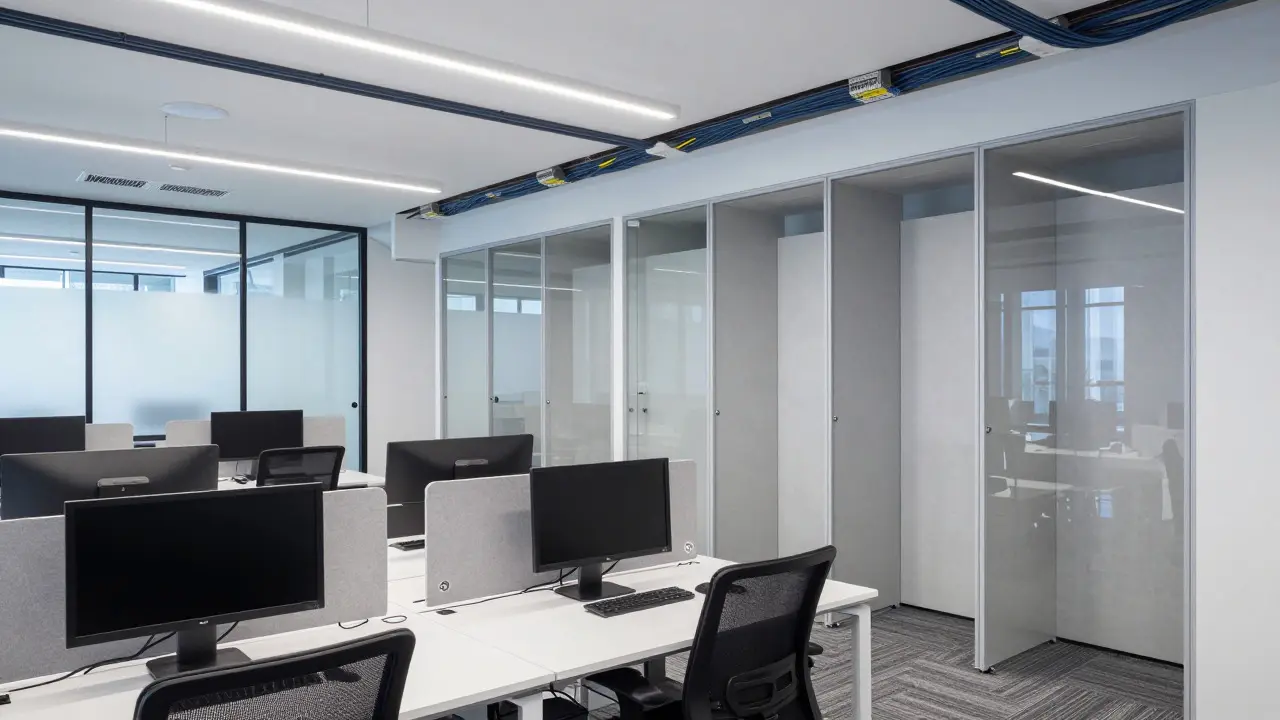
Autograph has carved out a niche by focusing on acoustic comfort. Their spaces in Shoreditch feature specific “quiet hours” and soundproofed phone booths, which is a game-changer for developers who spend hours in code. The average ping time to major cloud providers like AWS and Azure is consistently under 15ms, ensuring smooth CI/CD pipelines even during peak traffic.
WeWork, despite its corporate rebranding, remains a practical choice for teams that travel. If your CTO is in London but your design lead is in New York, their unified membership allows seamless desk swapping. The King’s Cross location, in particular, benefits from the direct Tube link to Paddington, making it accessible for clients coming from Heathrow.
Hoxton Square excels in community building. They host weekly tech meetups and “demo days” where local startups present their products. For a founding team looking to find co-founders or early users, this organic exposure is invaluable. The trade-off is that the open-plan areas can get loud on Fridays, so book a private meeting room for sprint reviews.
Critical Infrastructure Checks Before You Sign
Don’t just look at the decor. Tech teams live and die by their infrastructure. Before committing to a lease, run these three tests:
- Internet Latency Test: Use Speedtest.net not just for download speeds, but for latency (ping). Aim for <20ms to local servers. Ask for redundant fiber lines-single-point-of-failure internet is a risk for production environments.
- Power Redundancy: Check if the building has backup generators. A power outage during a deployment can cost thousands in lost revenue. Ask management about their UPS (Uninterruptible Power Supply) coverage for common areas.
- Meeting Room Capacity: Ensure there are enough rooms for your team size. If you have 10 people, you need at least two rooms available simultaneously for daily stand-ups and client calls. Check if booking is first-come-first-served or reserved.
Many spaces advertise “fast Wi-Fi” but don’t specify enterprise-grade SLAs. Insist on seeing the provider’s service level agreement. In 2026, most reputable operators use dual-homed fiber connections from providers like CityFibre or Virgin Media Business, offering 99.9% uptime guarantees.
Budgeting for Your Team Size
Costs vary wildly based on exclusivity. Hot desks are cheaper but offer no guarantee of a seat. Dedicated desks are mid-range. Private offices are expensive but offer control over environment and branding.
- Hot Desk: £250 - £350/month. Good for freelancers or occasional visitors. Not ideal for full-time teams due to lack of storage and consistency.
- Dedicated Desk: £380 - £550/month. Includes a fixed workstation, lockable storage, and unlimited access to meeting rooms. This is the sweet spot for most small tech teams (3-10 people).
- Private Office: £800+ per person/month. Fully enclosed space with customizable branding. Best for teams of 10+ who need confidentiality or specific environmental controls (e.g., temperature, lighting).
Remember to factor in hidden costs. Some spaces charge extra for after-hours access, additional meeting room minutes, or guest passes. Clarify these terms upfront. A typical tech team of five might budget £2,500 - £3,000 monthly for dedicated desks, including utilities and basic insurance.

Building Community Beyond the Desk
The real value of a coworking space lies in its network. For tech teams, this means access to potential hires, partners, and investors. Look for spaces that actively curate their community rather than just renting out square footage.
Ask these questions during your tour:
- How many members are currently active?
- What types of companies are represented? (Look for a mix of dev shops, SaaS startups, and agencies.)
- Do they host internal events? (Hackathons, lunch-and-learns, demo nights.)
- Is there a dedicated community manager?
A space with 500 members who never interact is worse than a space with 100 engaged members. The latter provides a tighter, more valuable network. Hoxton Square and Autograph both score highly here, with dedicated staff organizing regular tech-focused events.
Frequently Asked Questions
What is the average cost of a dedicated desk in London for 2026?
The average cost ranges from £380 to £550 per month, depending on the neighborhood and included amenities. Prime locations like Shoreditch tend to be at the higher end, while areas like Waterloo or Canary Wharf may offer slightly lower rates for similar quality.
Which coworking space has the best internet speed for developers?
Autograph and Spaces generally offer the most reliable low-latency connections, often featuring dual-homed fiber lines. Always verify the specific provider and ask for recent latency benchmarks before signing a contract.
Can I switch my coworking space easily if my team grows?
Most major operators like WeWork and Spaces allow flexible upgrades within their network. However, moving between different brands usually requires a new contract. Check the exit clause and notice period (typically 1-3 months) before signing.
Are there any tax benefits for using a coworking space?
Yes, coworking fees are generally considered a business expense and can be deducted from taxable income. Keep detailed invoices showing the service provided (desk rental, utilities, access rights) to ensure smooth accounting treatment.
Is it worth paying for a private office instead of shared desks?
It depends on your team size and needs. For teams under 5, shared desks are cost-effective. For teams over 10, or those handling sensitive IP or client data, a private office offers necessary privacy and branding control. Calculate the per-head cost against the value of reduced distractions and increased focus.