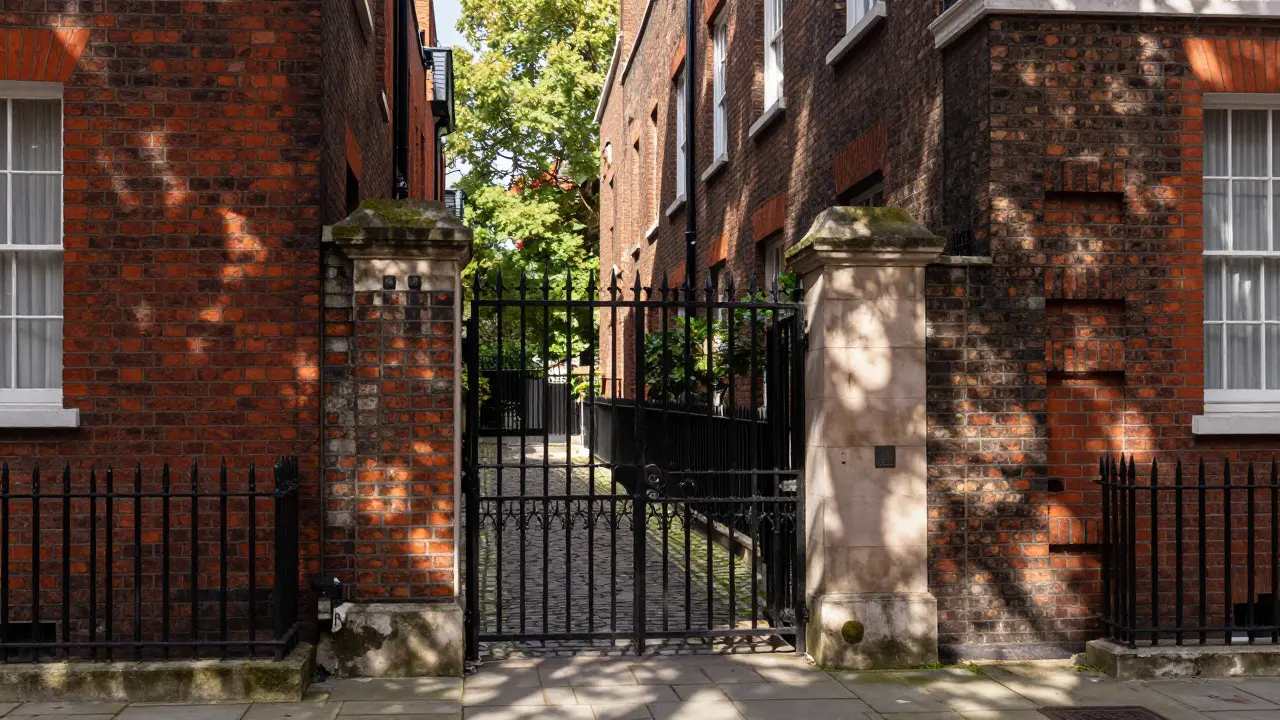
Walk down a narrow lane in Soho and you might miss the entrance entirely. It’s tucked behind a row of townhouses, unmarked by any sign. Step inside, and suddenly the noise of Oxford Street fades into silence. This is a mews, a private lane or courtyard that has been quietly shaping London’s urban fabric since the 18th century. These spaces are not just pretty backdrops for Instagram photos; they are living pieces of history that offer a rare glimpse into how Londoners used to live, work, and hide from the prying eyes of the city.
While tourists flock to the Tower of London and Buckingham Palace, some of the most compelling architectural stories in the capital are found in these quiet, enclosed spaces. They range from grand, tree-lined avenues in Mayfair to cramped, cobblestoned alleys in Covent Garden. Understanding their origins helps you appreciate why they feel so different from the open streets around them. They were built for utility first, beauty second, but over time, they evolved into some of the most desirable residential pockets in the UK.
The Origins of the Mews: Why They Exist
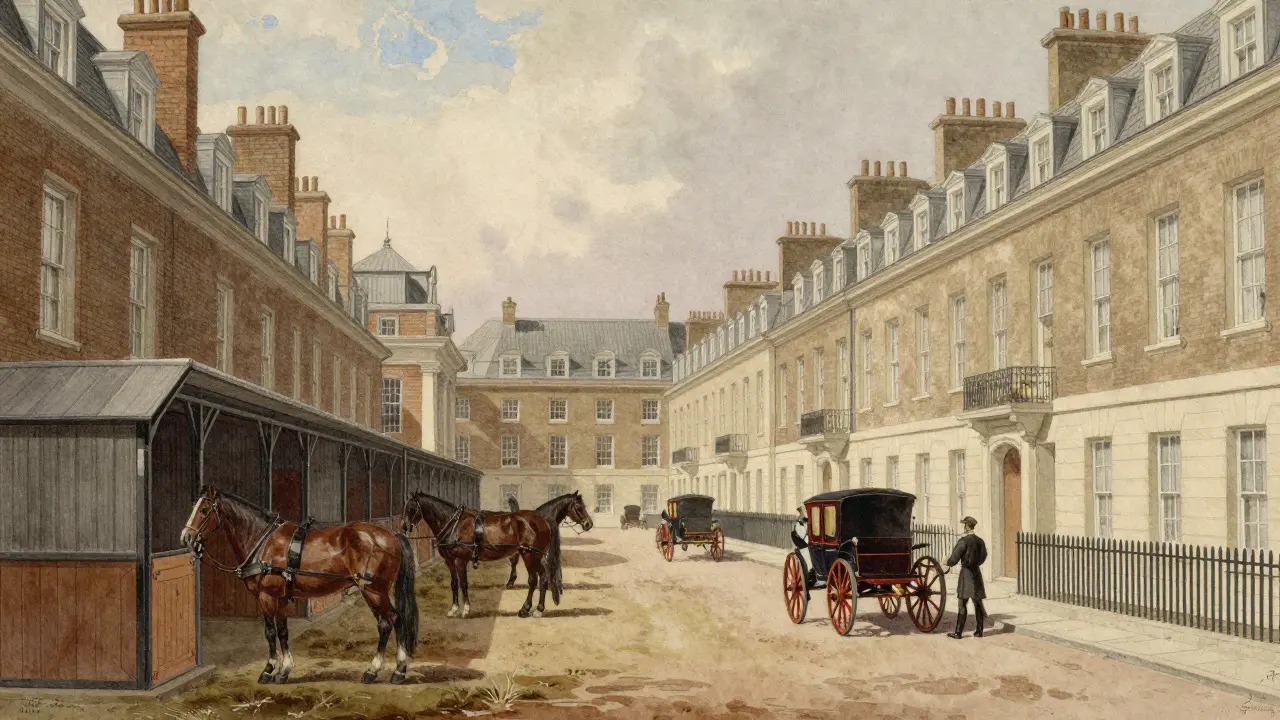
To understand what makes a mews special, you have to look at the horse. In the 1700s and early 1800s, wealthy families lived in large townhouses along main thoroughfares like Piccadilly or Regent Street. These houses required stable space for carriages and horses, but there wasn’t enough room on the front facade. The solution was to build smaller structures at the rear of the property, connected by narrow lanes. These lanes became known as mews.
The term "mews" comes from the French word méens, meaning stables. Initially, these were purely functional spaces housing grooms, coachmen, and livestock. However, as the Industrial Revolution changed society and eventually cars replaced horses, the mews transformed. The stables were converted into workshops, artist studios, and eventually, luxury apartments. Today, a typical mews house is small, often just two or three rooms, but it carries a unique charm that modern builds struggle to replicate.
Why Courtyards Matter in Urban Design
Mews are a specific type of courtyard, but not all courtyards are mews. A courtyard is any open area surrounded by buildings, which can be public or private. In London, courtyards serve several key functions:
- Acoustic Buffering: They block out street noise, creating a pocket of calm.
- Natural Light: For ground-floor residents, a courtyard provides essential daylight without facing a busy road.
- Community Space: Historically, they allowed neighbors to interact safely away from traffic.
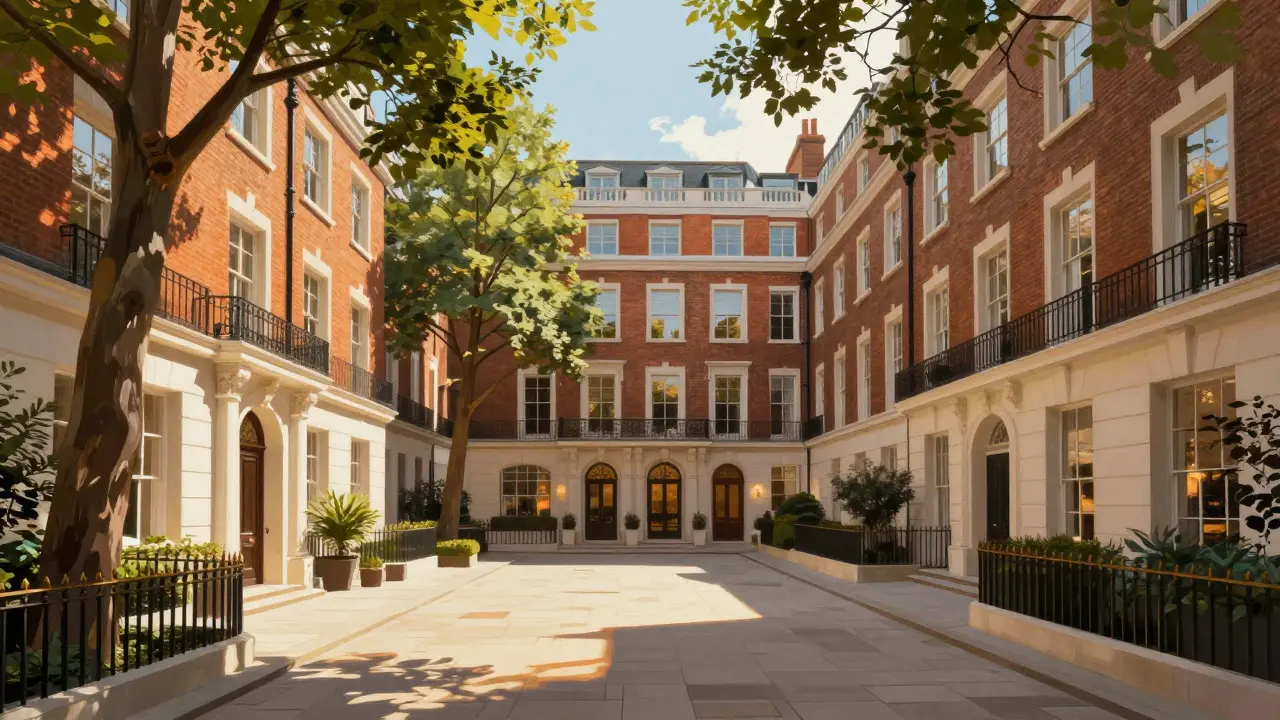
Architecturally, these spaces break up the monotony of continuous building facades. They introduce greenery, water features, or simply open sky into dense urban environments. When you visit a well-preserved courtyard, you’re experiencing a deliberate design choice that prioritizes livability over sheer density. This is why preservationists fight hard to keep them intact against development pressures.
Top Locations to Explore
If you want to see these gems for yourself, here are five standout locations that showcase the diversity of London’s hidden architectural spaces.
- Mortimer Street, Fitzrovia: Often cited as one of the best-preserved mews in central London. It’s lined with mature trees and features original brickwork. The atmosphere is incredibly peaceful, contrasting sharply with the bustling King’s Cross nearby.
- Chiltern Street, Mayfair: This mews exudes old-money elegance. Many of the properties here have been converted into high-end residences, but the layout remains authentic. It’s a great example of how mews can maintain their character while becoming extremely valuable real estate.
- Burlington Gardens, Mayfair: Technically a terrace rather than a traditional mews, it functions similarly as a quiet retreat. It offers a glimpse into the grander scale of 18th-century planning, with wider paths and more substantial buildings.
- Covent Garden Mews: Located near the famous market, this area is a mix of historical stability and modern commercial use. You’ll find galleries and boutique shops nestled within the old stable blocks, showing the adaptive reuse of these spaces.
- Fitzroy Square, Finsbury: While technically a square, it operates as a massive communal courtyard. It’s a prime example of how public courtyards can become community hubs, featuring cafes, benches, and a strong sense of local identity.
Preservation Challenges and Modern Use
Keeping these spaces alive isn’t easy. Property values in areas like Mayfair and Chelsea have skyrocketed, putting pressure on owners to demolish and rebuild for higher-density flats. However, many mews are protected under conservation area status, which restricts major alterations. This protection ensures that the external appearance remains consistent, preserving the historic character.
Modern usage has also shifted. Where once you’d find blacksmiths and carriage makers, today you’re likely to encounter tech startups, art galleries, or exclusive restaurants. This shift brings new life to the areas but risks losing the original social fabric. For visitors, this means a richer cultural experience, but for historians, it’s a complex trade-off between economic viability and heritage preservation.
How to Visit Like a Local
Exploring mews requires a bit of curiosity. They aren’t always clearly marked on standard tourist maps. Here are some tips to help you discover them:
- Look for Gates: Most mews entrances are gated. If you see a gate set back from the main street, especially in West End areas, it’s worth investigating.
- Check Conservation Maps: The London Borough websites often publish maps of conservation areas, highlighting which streets contain protected mews.
- Time Your Visit: Early mornings or late afternoons are best. The light is softer, and the crowds are thinner, allowing you to appreciate the architectural details.
Remember, these are private residences. Keep your voice down, respect the gates, and don’t assume every door is open. But if you do get to step inside, take a moment to look up. The brickwork, the ironwork, and the layout tell a story that spans centuries.
| Location | Primary Era | Key Feature | Current Use |
|---|---|---|---|
| Mortimer Street | Early 19th Century | Tree-lined privacy | Residential |
| Chiltern Street | Mid-19th Century | Luxury conversion | High-end Residential |
| Covent Garden Mews | 18th Century | Proximity to Market | Mixed Commercial/Residential |
| Fitzroy Square | 1813-1822 | Public Green Space | Community Hub |
Frequently Asked Questions
What is the difference between a mews and a courtyard?
A mews is a specific type of narrow lane or alleyway originally built for stables at the rear of townhouses. A courtyard is a broader term for any open area surrounded by buildings, which can be public or private and doesn't necessarily have a historical connection to horse stables.
Are mews houses expensive to buy?
Yes, generally speaking. Because they are located in prime central London areas and are often limited in supply due to conservation status, mews houses command premium prices per square foot compared to standard terraced homes.
Can you live in a mews house?
Absolutely. Most mews houses have been converted into residential flats or single-family homes. They are popular among professionals and artists who value the compact, quiet lifestyle they offer.
Where are the best mews in London?
The West End, particularly areas like Mayfair, Fitzrovia, and Soho, contains the highest concentration of well-preserved mews. Mortimer Street and Chiltern Street are frequently cited as top examples.
Do I need permission to enter a mews?
It depends. Some mews are private and require access codes or keys. Others are open to the public but considered semi-private. Always check for signs and respect resident privacy when exploring.