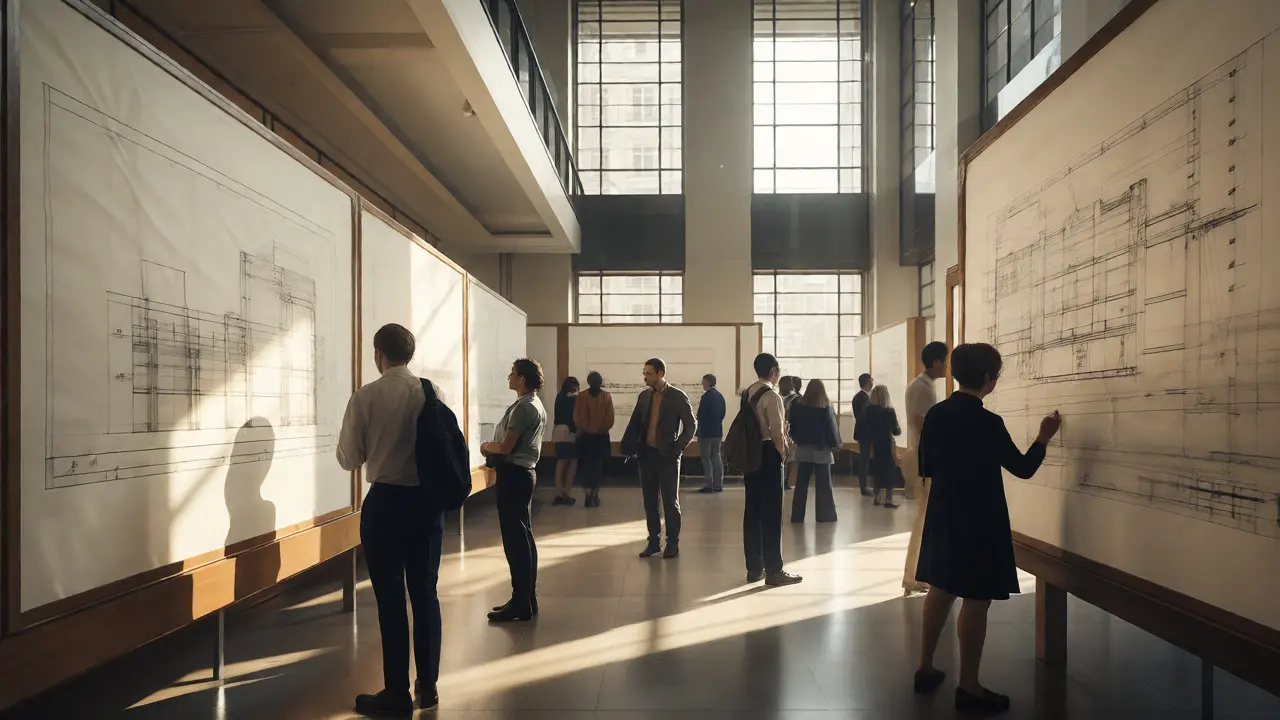
You know that feeling when you walk into a building and the space just hits different? Maybe it’s the way light spills through a skylight, or how a brutalist concrete wall feels oddly warm in winter. That’s what good architecture does-it changes your mood before you even read a plaque. If you’re in London, you’re sitting on a goldmine of spaces where design isn’t just background noise; it’s the main event.
Finding the right exhibition can be tricky, though. Some are massive blockbusters with ticket queues around the block, while others are tiny, hidden gems in converted warehouses. This guide cuts through the noise. We’re looking at the spots that actually deliver on their promise: places where you’ll leave with new ideas about how we live, work, and build. Whether you’re an architect, a student, or just someone who likes pretty things with purpose, here’s where to go.
The Royal Institute of British Architects (RIBA)
If you only visit one place for architecture, make it RIBA. Located on Portland Place, this isn’t just a museum; it’s the headquarters of the profession itself. The building is a masterpiece of 1930s modernism, designed by George Grey Wornum. Walking in feels like stepping into a time capsule of professional ambition.
RIBA hosts rotating exhibitions that tackle urgent questions. Recent shows have explored everything from sustainable materials to the future of housing. What makes them stand out is the access to the RIBA Drawings Collection. It’s the largest collection of architectural drawings in the world, spanning from the 16th century to today. Seeing the actual sketches behind famous buildings gives you a raw look at the creative struggle. You see the eraser marks, the revisions, the human touch.
RIBA is the professional body for architects in the UK, founded in 1834, which promotes excellence in architecture through education, research, and exhibitions. Its London gallery serves as a public forum for debating the built environment.
Pro tip: Check their schedule online. They often host free talks alongside exhibitions. Sitting in that auditorium listening to a Pritzker Prize winner explain why they chose brick over steel is worth the trip alone.
Design Museum Kensington
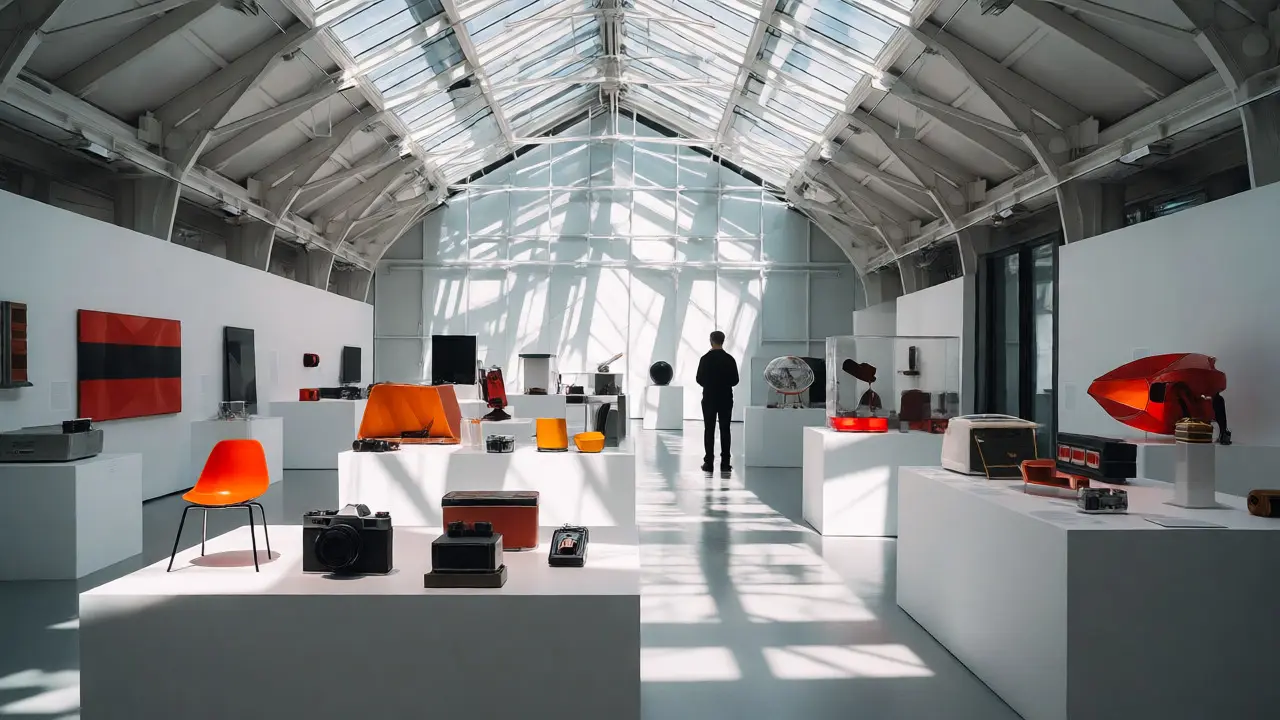
The Design Museum moved to its current location in Kensington in 2016, transforming the former Commonwealth Institute building. The renovation by John Pawson stripped the interior back to clean lines and natural light, creating a neutral canvas that lets the exhibits shout.
This is the place for broad appeal. One month you might find an exhibition on Apple’s industrial design history; the next, it’s about the cultural impact of streetwear or the engineering behind F1 cars. It bridges the gap between fine art and everyday objects. You’ll see chairs, phones, packaging, and furniture treated with the same reverence as paintings in a traditional gallery.
Their "Designer of the Year" award show is a highlight every year. It’s competitive, controversial, and always visually stunning. It shows you exactly where global design trends are heading. If you want to understand consumer culture through the lens of shape and function, start here.
| Venue | Focus Area | Best For | Entry Cost |
|---|---|---|---|
| RIBA | Architectural Theory & History | Professionals & Students | Free (Donation suggested) |
| Design Museum | Industrial & Graphic Design | General Public & Creatives | Paid Tickets |
| Victoria & Albert Museum | Decorative Arts & Applied Art | History Buffs & Fashion Fans | Free (Special Exps Paid) |
| British Architectural Library | Research & Archives | Academics | By Appointment |
The Victoria and Albert Museum (V&A)
The V&A is huge. Literally. It’s the world’s leading museum of art, design, and performance. While it covers fashion and ceramics extensively, its architecture section is quietly powerful. The Cast Courts, filled with full-size plaster replicas of European monuments, are a must-see. It’s a weirdly fascinating experience to walk under a replica of Trajan’s Column or climb a fake Gothic spire.
Beyond the permanent collections, the V&A hosts major temporary exhibitions that often intersect with architecture. Recent shows on Christian Dior or David Bowie weren’t just about clothes or music; they were about stage design, set construction, and spatial storytelling. The museum understands that design happens in context.
Don’t miss the Sainsbury Gallery if it’s open. It’s dedicated to digital design and interactive installations. It shows how technology is reshaping our aesthetic expectations. The contrast between the Victorian ironwork of the building itself and the sleek digital displays inside creates a dialogue across centuries.
Barbican Centre
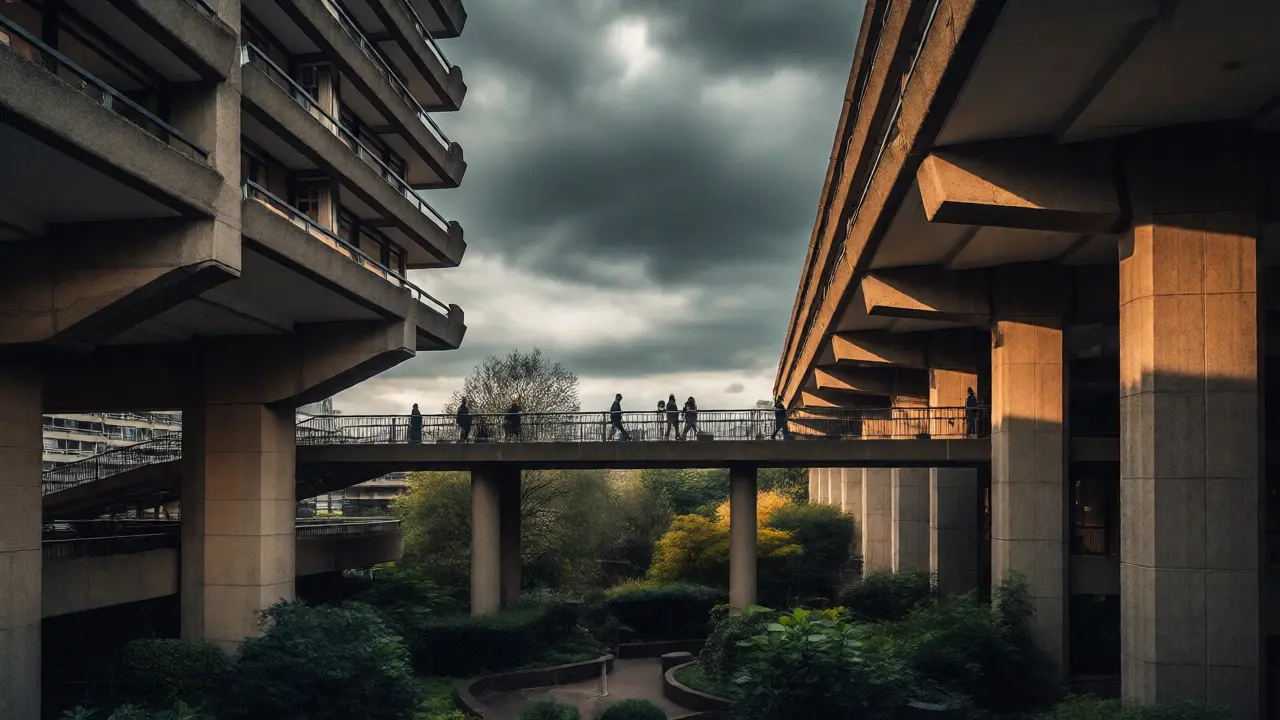
The Barbican is controversial. People either love its Brutalist concrete aesthetic or hate it. But you can’t ignore it. As the home of the London Symphony Orchestra and a major arts complex, it also houses the Barbican Art Gallery. Their exhibitions often lean towards the intersection of architecture, photography, and social space.
Look for shows that explore urban living. The Barbican has hosted exhibitions on the history of the estate itself, examining how post-war housing ideals played out in real life. It’s a critical look at how design shapes community. Walking through the elevated gardens and seeing the raw concrete textures firsthand helps you appreciate the scale and intent of the project.
The lighting here is dramatic, perfect for displaying large-scale photographic works about cities. If you’re interested in how people inhabit designed spaces, the Barbican offers a gritty, realistic perspective compared to the polished halls of other museums.
Serpentine Galleries
Kensington Gardens gets a temporary architectural intervention every summer: the Serpentine Pavilion. Since 2000, they’ve commissioned a different architect each year to build a temporary structure. It’s a playground for experimental ideas. Past pavilions have been made of cork, timber, and even recycled plastic.
The two permanent galleries, Serpentine North and South, host contemporary art exhibitions that frequently engage with spatial concepts. Artists often create site-specific installations that force you to move through the room differently. It’s less about static objects and more about experiencing space.
Visiting during the summer allows you to combine a walk in the park with viewing cutting-edge structural experiments. The pavilion is free to enter, making it an accessible entry point into architectural discourse. It’s casual, outdoor, and surprisingly intellectual.
How to Make the Most of Your Visit
Going to these places requires a bit of strategy. Here’s how to avoid burnout:
- Check Timings: Many exhibitions require pre-booked tickets, especially weekends. Weekday mornings are usually quieter.
- Read the Wall Text: In architecture exhibitions, the text explains the 'why'. Why was this material chosen? What problem did this solve? Skip it, and you’re just looking at shapes.
- Bring a Sketchbook: You don’t need to be good at drawing. Just sketching the angles helps you process the spatial relationships better than taking photos.
- Follow Up Online: Most venues publish catalogs or podcasts. Listening to the curator’s commentary after you’ve seen the exhibit deepens your understanding.
Also, consider the location. The Design Museum and V&A are both in South Kensington, so you can easily do both in one day. RIBA is near Oxford Circus, so pair it with shopping or dining in Soho. The Barbican is in the City, close to Liverpool Street Station.
Why These Exhibitions Matter Now
We’re living through a period of rapid change in how we build. Climate crisis demands new materials. Remote work changes office layouts. AI generates floor plans in seconds. These exhibitions aren’t just historical archives; they’re previews of our future homes and workplaces.
When you look at a prototype for a zero-carbon house at the Design Museum, or a debate on housing density at RIBA, you’re seeing solutions being tested in real-time. It’s not abstract theory. It’s practical problem-solving on display.
Plus, there’s the joy factor. There’s something satisfying about seeing a well-made object or a cleverly designed space. It reminds us that humans are capable of incredible creativity, even within constraints. In a city as dense and fast-paced as London, those moments of aesthetic clarity are precious.
Are architecture exhibitions suitable for children?
Yes, many are. The Design Museum and the V&A often have family-friendly trails or interactive zones. RIBA’s exhibitions can be more text-heavy, but older children interested in LEGO or Minecraft often enjoy seeing real-world applications of building concepts. Always check the specific exhibition's age recommendation.
Do I need to book tickets in advance?
For paid exhibitions at the Design Museum or special shows at the V&A, booking online is highly recommended, especially for weekend slots. RIBA and the Barbican Art Gallery often offer free entry to general exhibitions, but special events may require registration. Checking the venue's website a few days ahead saves time.
Which exhibition is best for beginners?
The Design Museum is the most accessible starting point. Its focus on everyday objects like phones, cars, and clothing makes design concepts relatable without needing prior knowledge of architectural history. The visual nature of the exhibits engages visitors immediately.
Can I take photographs inside these museums?
Rules vary by venue and exhibition. Generally, personal photography without flash is allowed in permanent collections at the V&A and RIBA. Temporary exhibitions often prohibit photography to protect copyright or preserve the atmosphere. Look for signage at the entrance of each room.
Is the Serpentine Pavilion open year-round?
No, the Serpentine Pavilion is a temporary structure installed annually, typically from June to October. The rest of the year, the site is empty or used for other garden activities. The permanent Serpentine Galleries, however, are open year-round.