Why London’s Gardens Matter Right Now
Walking through a London garden is the fastest way to reset your brain after a day of traffic and screens. You don’t need to travel far to find quiet corners where history, science, and beauty mix together. Whether you are looking for a romantic spot, a place to study plants, or just a walk with your dog, the capital offers diverse green spaces that cater to every mood.
This guide focuses on the top spots that offer more than just pretty flowers. We look at practical details like opening hours, ticket prices, and what makes each location unique. From the historic roots of Chelsea Physic Garden to the wild edges of Hampstead Heath, these are the places worth your time in 2026.
Key Takeaways
- Chelsea Physic Garden is best for plant enthusiasts and those interested in medicinal history.
- Kew Gardens remains the gold standard for global botanical diversity and family activities.
- Holland Park offers a perfect balance of formal design and relaxed picnicking areas.
- Battersea Park provides free access to large open spaces and water views without tickets.
- Most premium gardens charge between £15 and £25 for adults, while public parks are free.
Chelsea Physic Garden: The Historical Anchor
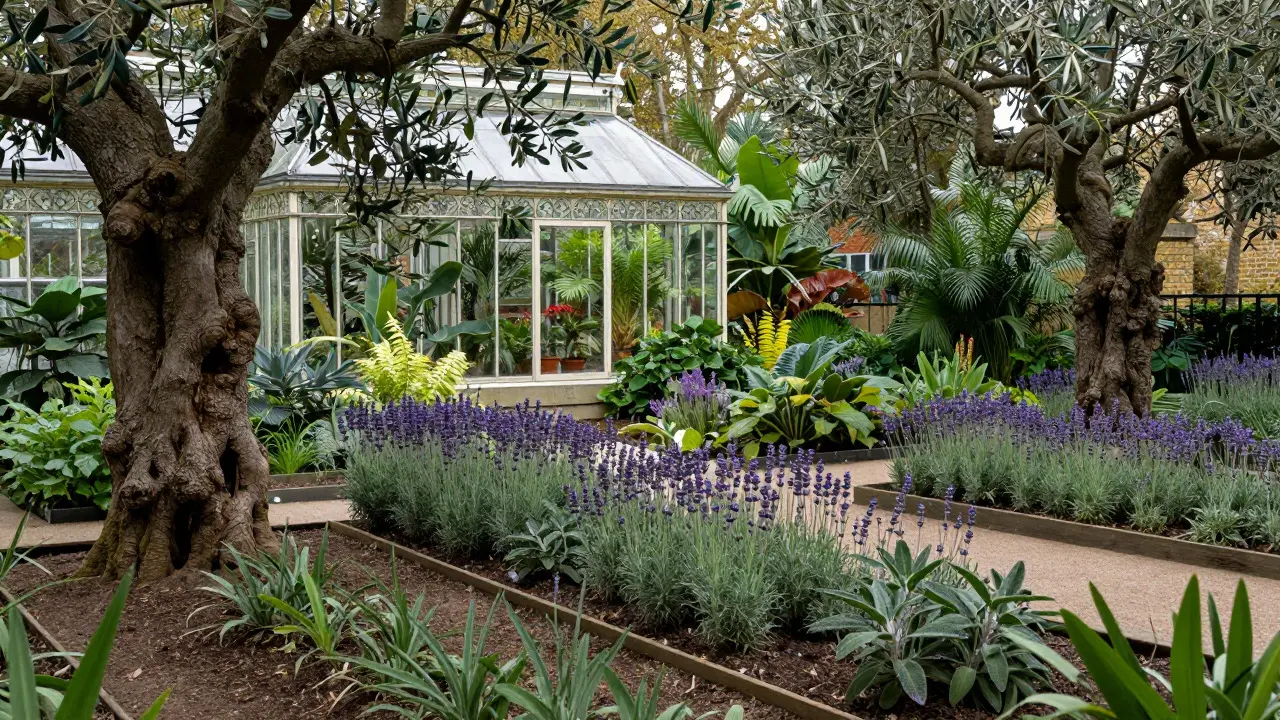
If you only visit one specialized garden in central London, make it Chelsea Physic Garden. Founded in 1673 by the Worshipful Society of Apothecaries, this small but mighty plot has served as a training ground for herbalists and doctors for over three centuries. It is not just a park; it is a living library of plants used in medicine throughout history.
The layout is compact, covering about two acres. This means you can see everything in under an hour, which is ideal if you are short on time. The collection includes rare orchids, ancient olive trees, and specific herbs like lavender and sage that were once staples in English households. The glasshouses are particularly impressive, housing tropical species that wouldn’t survive outside London’s climate without protection.
Visitors often underestimate how much there is to learn here. Guided tours are available daily, led by staff who know the deep history behind each specimen. If you have children, they will love the interactive elements, such as the sensory garden where kids can touch and smell different leaves. The café inside serves decent coffee and light meals, making it a good mid-morning stop before heading out into the city.
| Feature | Details |
|---|---|
| Location | 66 Royal Hospital Road, SW10 9NJ |
| Established | 1673 |
| Size | Approximately 2 acres |
| Entry Fee (Adult) | £18 - £22 (varies by season) |
| Best Time to Visit | Spring for blooms, Autumn for foliage |
| Accessibility | Wheelchair accessible paths |
Kew Gardens: The Global Showcase
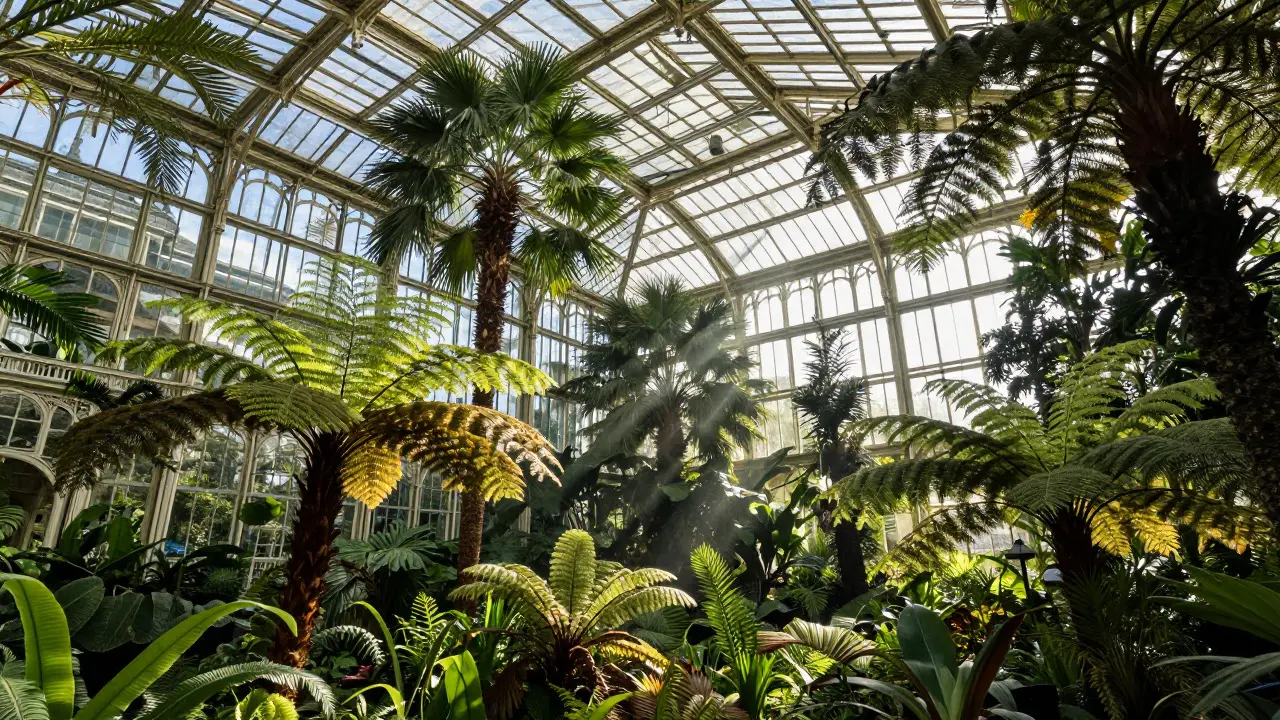
While Chelsea is intimate, Royal Botanic Gardens, Kew is vast. Spanning 132 hectares, Kew is a UNESCO World Heritage site and home to one of the largest scientific collections of living plants in the world. It is less about quick visits and more about spending a full day exploring different biomes.
The highlight for many visitors is the Palm House, a Victorian iron-and-glass structure that houses over 5,000 species from around the globe. Walking through it feels like stepping into a prehistoric jungle. Nearby, the Temperate House offers a similar experience but with subtropical plants. These structures are engineering marvels as much as botanical displays.
Kew also excels in family-friendly activities. There is a dedicated children’s area with play equipment designed around natural themes. For older kids and teens, the Science Centre offers hands-on experiments about plant biology. The food options range from the fine dining at the Palm House restaurant to casual bites at the Kew Tea Rooms. If you are visiting with a group, consider booking a private tour to skip the lines during peak summer months.
Holland Park: The Elegant Middle Ground
Sitting between Kensington and Notting Hill, Holland Park strikes a balance between wild nature and manicured beauty. Unlike Kew, it does not require a ticket for general entry, though some attractions inside cost extra. This makes it a flexible option for locals and tourists alike.
The park features a stunning rose garden, one of the finest in the UK, with over 2,000 varieties. In June and July, the colors are overwhelming. Beyond the roses, there are woodlands, lakes, and open lawns perfect for picnics. The Pagoda, built in 1762, is a striking architectural feature that draws photographers and history buffs.
One underrated aspect of Holland Park is its wildlife. You can spot deer grazing in the meadows, and the lake is home to ducks and herons. It is a quieter alternative to Hyde Park, which tends to be crowded with joggers and cyclists. If you want a peaceful walk without feeling rushed, Holland Park delivers. The surrounding neighborhood adds to the charm, with independent bookshops and cafés within walking distance.
Battersea Park: Free Access and River Views
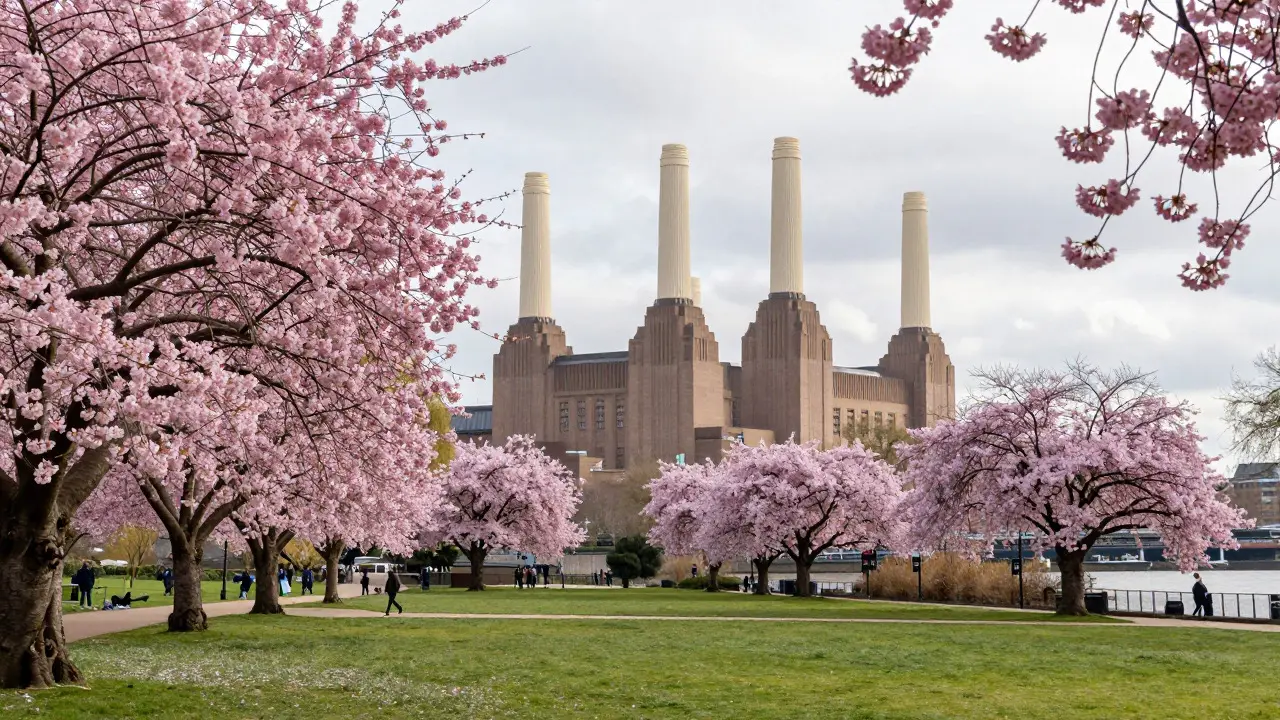
Not everyone wants to pay an entry fee. Battersea Park offers extensive green space along the River Thames for free. It is one of the largest parks in South London, stretching from Battersea Power Station to the Albert Bridge. The views of the river and the iconic power station make it a favorite for photography enthusiasts.
The park includes a zoo, which is separate from the main park entrance but located nearby. The zoo itself charges admission, but the surrounding parkland is open to all. There are long stretches of grass for kite flying, football, and relaxing. The waterfront path is excellent for cycling or running, offering clear views of the city skyline.
In spring, the cherry blossoms along the riverbank create a pink tunnel that attracts crowds. In winter, the bare trees against the grey sky offer a different kind of beauty. Because it is free and spacious, it rarely feels overcrowded, even on weekends. It is a practical choice for families with young children who need room to run around without worrying about staying within paid boundaries.
Choosing the Right Garden for Your Needs
Selecting the right garden depends on your priorities. Are you there for education, relaxation, or aesthetics? Here is a quick breakdown to help you decide.
- For Plant Lovers: Choose Kew Gardens. The sheer volume of species is unmatched. You can spend days there and still miss things.
- For History Buffs: Go to Chelsea Physic Garden. The connection to medical history adds depth to the visual experience.
- For Families: Holland Park or Battersea Park are safer bets due to their open spaces and lower costs.
- For Photography: Battersea Park offers the best light and backdrops, especially near the river.
Consider the time of year when planning your visit. Spring brings blooms to all gardens, but autumn offers vibrant foliage that is equally photogenic. Summer can be hot, so plan to visit early morning or late afternoon to avoid the peak heat. Winter is quietest, allowing for a more reflective experience, though some glasshouses may have reduced hours.
Practical Tips for Visiting
Getting to these locations is straightforward via public transport. Chelsea Physic Garden is a short walk from Sloane Square station. Kew Gardens requires a train ride from Waterloo or Victoria to Kew Bridge or Richmond, followed by a bus or taxi. Check the latest TfL schedules before you go, as services can vary on holidays.
Wear comfortable shoes. Even if you think you are just "looking around," you will likely end up walking several miles. Carry water, especially in summer, as drinking fountains are not always plentiful. Bring a rain jacket; London weather is unpredictable, and sudden showers can ruin an outdoor plan if you are unprepared.
If you are visiting multiple gardens in one day, prioritize logistics. Combining Chelsea and Kew is difficult due to distance, but pairing Holland Park with Hyde Park is easy since they are adjacent. Plan your route based on proximity to maximize your time outdoors.
Frequently Asked Questions
Is Chelsea Physic Garden suitable for children?
Yes, it is very suitable. The garden is compact and safe, with a dedicated sensory area for kids. However, because it is a working botanical garden, children should stay close to parents to avoid touching delicate plants. Strollers are allowed, but some paths are narrow.
Which garden is the cheapest to visit?
Battersea Park and Holland Park are free to enter for general use. You only pay if you want to visit specific attractions inside, like the zoo in Battersea or the conservatories in Holland Park. This makes them the most budget-friendly options for a casual outing.
Can I bring my dog to these gardens?
Rules vary by location. Battersea Park allows dogs on leads in most areas. Holland Park permits dogs on leads. Chelsea Physic Garden generally does not allow pets, except for service animals. Kew Gardens restricts dogs to certain zones and requires them to be on leads. Always check the specific rules before visiting.
What is the best time of year to see flowers in bloom?
Spring, specifically April and May, is the peak blooming season. Cherry blossoms, tulips, and roses come into full color during this period. Late spring into early summer (June) is ideal for the rose gardens in Holland Park and Kew. Autumn offers beautiful foliage instead of flowers.
Do I need to buy tickets online in advance?
It is recommended to buy tickets online for Kew Gardens and Chelsea Physic Garden, especially on weekends and bank holidays. Online purchase often saves money and guarantees entry. For free parks like Battersea, no tickets are needed, but checking for special events is wise.