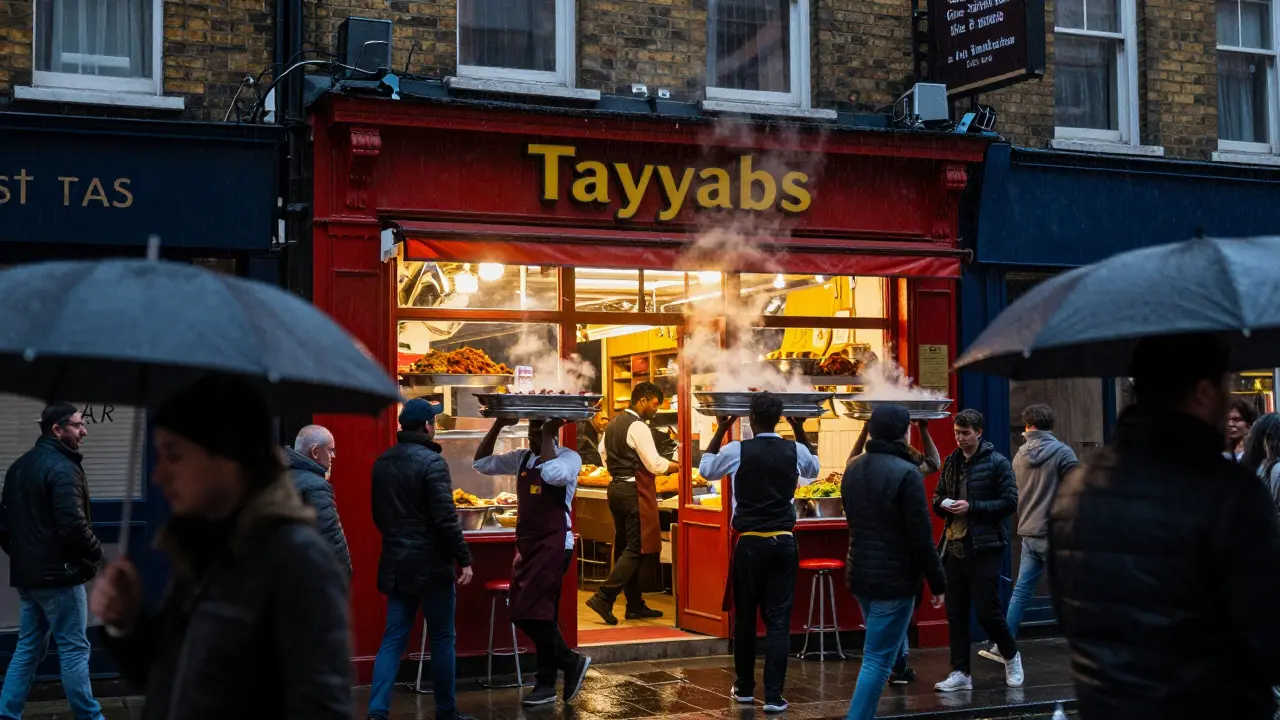
You know that feeling when you’re standing on a rainy street in Shoreditch or walking through the bustling streets of Brick Lane, and suddenly the smell of cumin, coriander, and roasting spices hits you? That’s not just food; it’s a cultural anchor. London has arguably the best Indian cuisine outside of India itself. But here is the catch: with over 10,000 South Asian restaurants in the UK, finding the *right* one isn’t about picking the nearest sign. It’s about knowing which chef specializes in what, which area holds the secret gems, and whether you want a Michelin-starred experience or a gritty, authentic curry house where the plates are stacked high.
This guide cuts through the noise. We aren’t listing every place that serves tikka masala. We are breaking down the London Indian dining scene by neighborhood, because geography matters. A curry in Mayfair tastes different than one in Tooting, and both taste different than one in Whitechapel. Whether you are a tourist looking for a safe bet or a local seeking your next favorite spot, this breakdown helps you choose based on vibe, budget, and culinary authenticity.
The Quick Bites: Key Takeaways
- Brick Lane remains the iconic "Curry Mile," but look past the touts for hidden gems like Tayyabs or Aladin.
- Mayfair & St James's offer high-end, refined experiences at places like Gymkhana and Benares.
- Tooting & Balham are home to some of the most authentic, no-frills Punjabi and Bangladeshi kitchens.
- Soho & Chinatown provide late-night options and fusion concepts like Dishoom.
- Booking is mandatory for top-tier spots; walk-ins rarely work after 7 PM on weekends.
East London: The Heartbeat of Authenticity
If you think Brick Lane is all tourist traps, you haven’t looked closely enough. Yes, the main drag is filled with men handing out menus, but step two blocks away, and the quality skyrockets while prices drop. This area is historically significant as the center of the Bengali community in London. The food here leans heavily towards Bangladeshi styles-think rich, oily gravies, massive portions, and fiery heat levels that actually mean something.
Start with Tayyabs on Fieldgate Street. It’s loud, chaotic, and absolutely legendary. You don’t book a table; you wait in line. The sizzling platters of lamb chops and the butter chicken are staples for a reason. The kitchen works like a well-oiled machine, churning out hundreds of plates an hour. If you want something slightly more refined but still deeply rooted in East London tradition, try Aladin. They’ve been around since 1986 and specialize in traditional Bengali cooking. Their fish dishes, particularly the hilsa if it’s in season, are unmatched. For a modern twist, Dishoom (the original on Shacklewell Lane) captures the spirit of old Bombay Irani cafes. It’s less about heavy curries and more about breakfast classics, vada pav, and chai. The atmosphere is vibrant, with black-and-white photos of Bollywood stars covering the walls.
Central London: Luxury and Refinement
Move west, and the game changes entirely. In areas like Mayfair, St James's, and Covent Garden, Indian food is treated with the same reverence as French or Italian haute cuisine. These establishments focus on regional specificity rather than generic "curry house" fare. You’ll find menus highlighting specific states, such as Kerala coastal seafood or Awadhi slow-cooked meats.
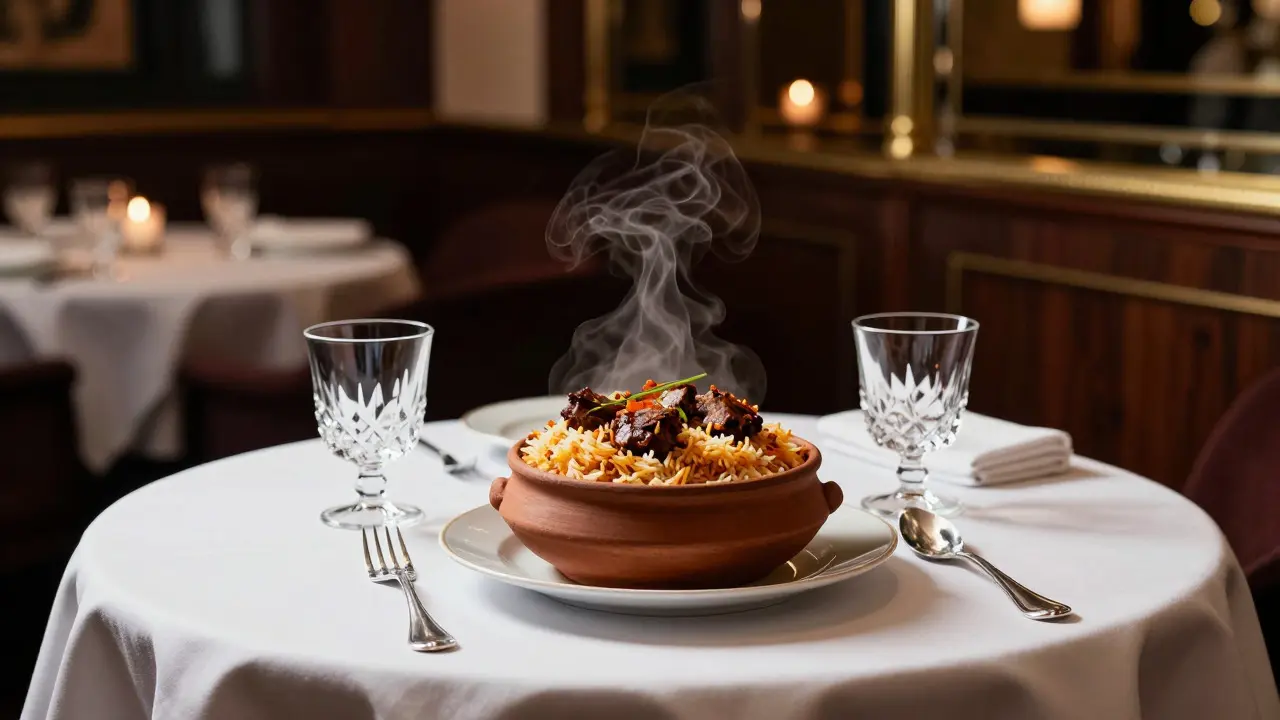
Gymkhana in Mayfair is often cited as the gold standard. Holding three Michelin stars across its locations, it focuses on the cuisine of the Indian subcontinent’s royal kitchens. The goat biryani is dense, aromatic, and served in individual clay pots. It’s expensive, yes, but the service is impeccable. Nearby, Benares offers a sleek, minimalist aesthetic with a menu that shifts from light vegetarian lunches to robust meat dinners. Chef Atul Kochhar pioneered modern Indian fine dining in London, and his influence is visible in the precision of every dish.
For those who want luxury without the stiff collar, Amaya in Knightsbridge offers a grill-focused experience. Unlike many Indian restaurants that boil everything into a sauce, Amaya uses open-fire grilling techniques similar to tandoor but with a contemporary presentation. Their mixed grill platter allows you to sample various marinades and proteins, making it perfect for groups who can’t decide. Note that these central London spots require reservations weeks in advance. Treat them like a theatre booking, not a casual dinner.
South London: The Hidden Gems
If you ask any Londoner where the best value-for-money Indian food is, they won’t say Soho. They’ll point south. Areas like Tooting, Balham, and Wimbledon have a higher density of authentic family-run restaurants than almost anywhere else in the city. This is where the diaspora lives, cooks, and eats daily.
In Tooting, Bombay Brasserie stands out for its consistency. It’s not trying to be fancy; it’s trying to be good. The dal makhani is creamy and slow-cooked, exactly how it should be. Another standout is Punjab Grill in Wimbledon. While it has branches elsewhere, the Wimbledon location feels like a neighborhood institution. Their naan breads are made fresh to order, puffy and charred perfectly. If you venture further to Brixton, check out Moksha. It’s small, intimate, and run by a husband-and-wife team who bring their Sri Lankan heritage to the table. The crab curry here is spicy, tangy, and unlike anything you’d find in North London.
The advantage of South London spots is accessibility and price. You can get a full meal for two, including drinks, for under £60. In Central London, that might buy you appetizers and a glass of wine. Plus, the competition is fierce, which keeps quality high and egos low.
West London: Modern Fusion and Nightlife
West London, particularly around Notting Hill and Shepherd’s Bush, offers a blend of trendy fusion and traditional staples. This area attracts a younger crowd looking for Instagram-worthy interiors alongside solid food. Cinnamon Kitchen has several locations, including one in Westfield London. It’s polished, efficient, and great for business lunches or dates. The menu is accessible, avoiding overly obscure ingredients while maintaining flavor depth.
However, the real star of West London’s late-night scene is Chutney Mary in Chelsea. Though technically closer to Central, its vibe fits the affluent West London demographic. It’s been a staple since 1995, proving that consistency pays off. The samosas are crisp, flaky perfection. For a more casual, street-food-inspired experience, head to The Cinnamon Club near Westminster, though it borders Central. Its setting inside the old Library of the House of Lords provides a unique backdrop that few other restaurants can match.
Don’t overlook Soho for quick bites. Hoppers is primarily Sri Lankan but draws from broader South Asian influences. Their hoppers (bowl-shaped pancakes) are addictive, and the cocktail list pairs surprisingly well with spicy food. It’s fast, fun, and stays open late, making it ideal for post-theatre crowds.
How to Choose Your Spot: A Decision Matrix
With so many options, decision paralysis is real. Use this simple framework to narrow down your choice based on your current needs.
| Goal | Recommended Area | Top Pick | Budget | Vibe |
|---|---|---|---|---|
| Authentic & Affordable | Tooting / East London | Tayyabs or Bombay Brasserie | ££ | Casual, Loud, Family-style |
| Romantic Date Night | Mayfair / Knightsbridge | Gymkhana or Amaya | ££££ | Elegant, Quiet, Service-heavy |
| Quick Lunch / Business | City / Soho | Dishoom or Cinnamon Kitchen | £££ | Buzzing, Efficient, Trendy |
| Late Night Cravings | Soho / Shoreditch | Hoppers or Aladin | ££ | Relaxed, Open Late, No Reservations |
Pitfalls to Avoid When Dining Out
First, ignore the "spicy level" scale if you’re unsure. In many London curry houses, "medium" is genuinely hot for the average British palate. Ask for "mild" first, then add chili powder yourself. Second, don’t judge a restaurant by its exterior. Some of the best meals happen in plain-looking buildings with fluorescent lights. Third, be wary of pre-order deals online. Often, the discounted menu excludes the best dishes or limits drink choices. Read the terms carefully.
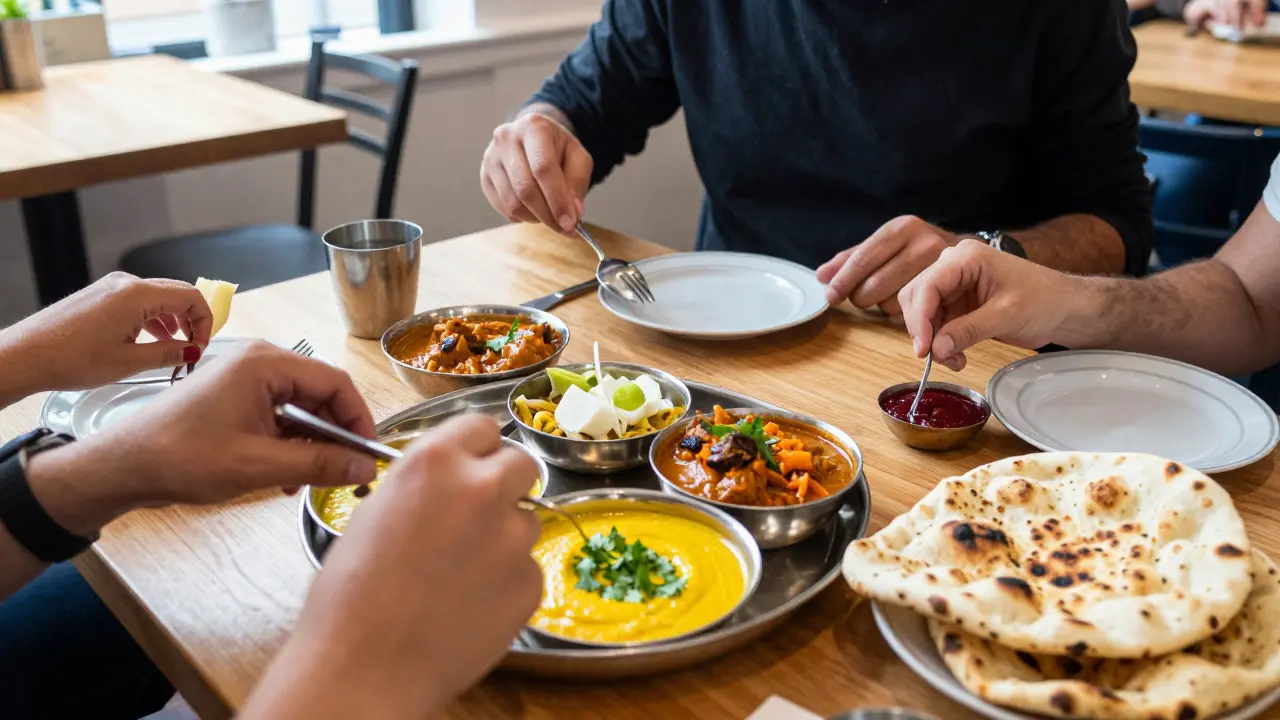
Another common mistake is ordering only mains. Indian food is designed to be shared. Order a mix of starters (samosas, pakoras), a dry dish (tikka, kebab), a wet dish (curry), and breads. Eating alone? Many places offer thalis-a platter with small portions of various dishes. It’s the best way to sample multiple flavors without committing to one heavy bowl.
Final Thoughts on Navigating the Scene
London’s Indian food scene is dynamic. New chefs are experimenting with fermentation, molecular gastronomy, and hyper-local sourcing. Yet, the soul of the cuisine remains in the basics: the tempering of spices, the kneading of dough, and the patience required for a proper dal. Whether you choose the glitz of Mayfair or the grit of Tooting, you’re eating history. Just remember to book ahead, tip appropriately (12-15% is standard), and never skip the dessert. Gulab jamun or rasgulla is the sweet finish your meal deserves.
Is Brick Lane worth visiting for tourists?
Yes, but avoid the restaurants directly on the main lane with touts outside. Walk two blocks into the side streets for better quality and lower prices. Tayyabs is a must-do for the experience, even if you have to queue.
Do I need to make reservations for Indian restaurants in London?
For high-end places like Gymkhana or Benares, definitely yes, preferably weeks in advance. For mid-range spots like Dishoom or Punjab Grill, booking is recommended for evenings. Casual spots in Tooting or East London often accept walk-ins, but expect waits during peak hours.
What is the difference between North and South Indian food?
North Indian cuisine typically features heavier gravies, dairy-based sauces (cream, yogurt), and wheat-based breads like naan and roti. South Indian cuisine relies more on rice, lentils, coconut, and fermented batters (like dosa and idli). Many London restaurants specialize in one or the other, though some offer a mix.
Are there vegan-friendly options in traditional curry houses?
Absolutely. Most traditional restaurants offer vegetable curries, daal (lentils), and chickpea dishes. However, always check if ghee (clarified butter) is used in cooking, as it is not vegan. Many modern spots explicitly label vegan options on their menus.
Which area has the cheapest authentic Indian food?
Tooting, Balham, and parts of East London (like Whitechapel and Walthamstow) generally offer the best value. You can find substantial meals for £10-£15 per person. Central London tends to charge a premium for location and ambiance.