
Imagine this: You’re standing on a street corner in Islington, watching your kid chase pigeons while you try to find a parking spot that doesn’t cost more than your lunch. Or maybe you’re in Bromley, where the air smells like cut grass and the biggest worry is whether the local park has enough swings for the weekend crowd. Choosing where to live in London when you have children isn’t just about picking a postcode; it’s about balancing school quality, commute times, green space, and your bank account.
Let’s be real-there is no single "best" neighborhood. The right choice depends entirely on what you value most. Do you need top-tier state schools? Are you okay with a longer commute for cheaper rent? Do you need easy access to central London for work, or are you working remotely from home? This guide breaks down the top contenders for 2026, cutting through the noise to give you practical, honest insights.
Key Takeaways
- School Quality: Areas like Richmond and Kingston offer some of the highest-rated state schools, but competition for places is fierce.
- Affordability vs. Access: Zones 4 and 5 (like Walthamstow or Croydon) offer better value, but factor in transport costs and time.
- Green Space: If parks are non-negotiable, prioritize neighborhoods near large commons like Hampstead Heath or Clapham Common.
- Transport Links: Check TfL connectivity carefully. A short walk to a Tube station can save you hours per week compared to relying on buses.
- Community Vibe: Look for areas with active parent groups and family-friendly cafes, not just pretty houses.
The Suburban Sweet Spots: Richmond and Kingston
If you want a village feel without leaving the city, Richmond upon Thames is often at the top of the list. It’s consistently ranked as one of the best places to raise children in the UK. Why? Because it combines high-performing schools with immediate access to nature. Imagine walking out your front door and being five minutes from the River Thames and Richmond Park, where deer roam freely. Your kids won’t just play in a small concrete playground; they’ll grow up exploring woods and riverbanks.
The trade-off here is cost. Housing prices in Richmond are among the highest in London. You’re paying for the prestige, the safety, and the environment. Schools like Teddington School and St Richard Reynolds Catholic College are highly sought after. If you’re moving from abroad or another city, be prepared for a competitive admissions process. Start researching catchment areas early. The community is tight-knit, with plenty of family-oriented activities, from sailing clubs on the river to weekend markets in Richmond town center.
Just west of Richmond lies Kingston upon Thames. It’s slightly more affordable than its neighbor but still offers excellent schools and a vibrant town center. Kingston has a historic charm, with a pedestrianized shopping area that feels safe for older kids to explore independently. The Royal Borough of Kingston Council maintains high standards for public services, which translates to well-kept libraries and community centers. For families who want suburban comfort with good rail links to Waterloo and Paddington, Kingston is a strong contender.
Inner City Charm: Islington and Hackney
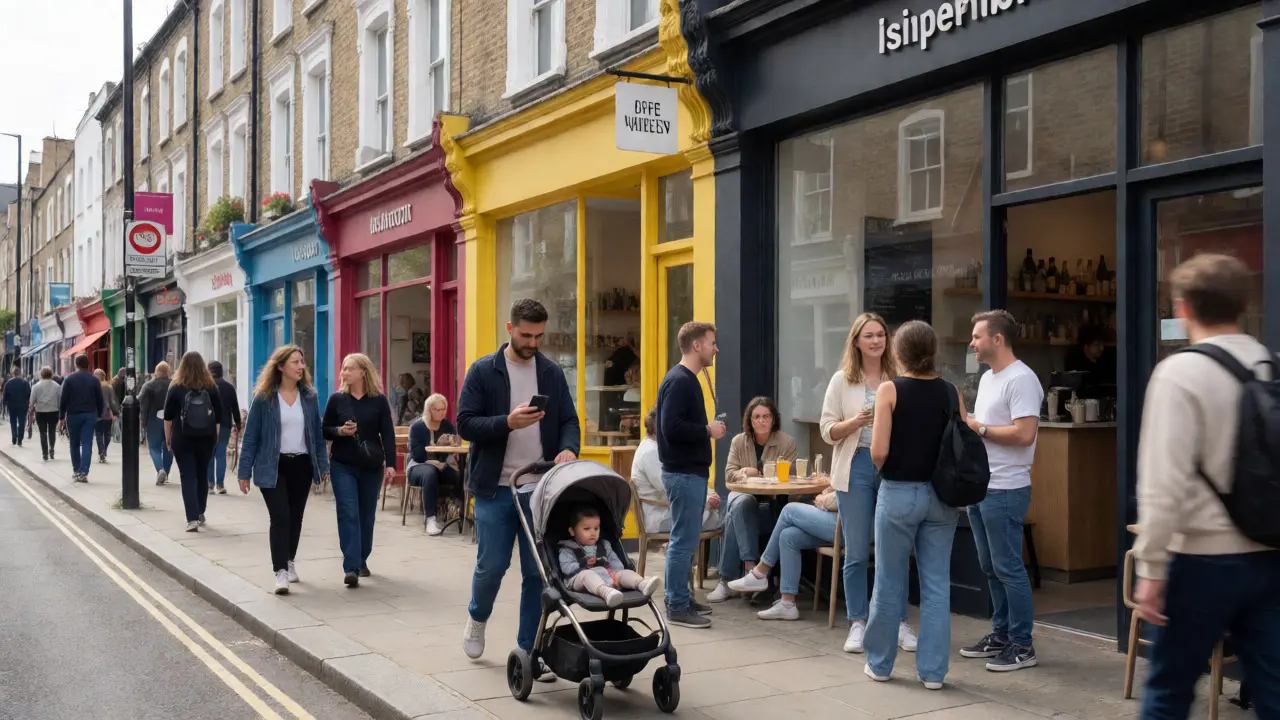
For those who don’t want to sacrifice city life, Islington remains a favorite. It’s close to the financial district and tech hubs in Shoreditch, making commutes manageable. But beyond the professional appeal, Islington has a surprisingly family-friendly side. Think of the bustling Upper Street, filled with independent shops, and the quiet residential streets around Angel and Barnsbury.
The key draw here is the cultural access. Kids can visit museums, theaters, and galleries within minutes. However, housing stock is older, meaning smaller apartments and potentially higher heating bills. Green space is limited to smaller squares like Victoria Park nearby, so if you crave vast open fields, you might feel confined. Schools vary widely, so research is critical. Some areas have outstanding primary schools, while others are rated 'requires improvement.' Engage with local parent forums before committing to a lease.
Next door, Hackney has transformed dramatically over the last decade. Once considered gritty, it’s now trendy, with a diverse community and a thriving creative scene. Dalston and Stoke Newington are particularly popular with young families. The vibe is relaxed, with lots of outdoor dining and community gardens. Transport links via the Overground make getting around easy. But gentrification has driven up rents significantly. While you get great coffee shops and art spaces, you might miss the traditional 'village' feel of outer boroughs. It’s ideal for families who value diversity and creativity over traditional suburban norms.
Value and Growth: Walthamstow and Lewisham
If budget is a major constraint, look east and south. Walthamstow in East London has become a hotspot for families seeking affordability without losing connectivity. The Elizabeth Line upgrade has slashed travel times to Central London, making it a viable option for commuters. Walthamstow Marshes provide ample green space, and the town center is undergoing regeneration with new family amenities.
The school landscape in Walthamstow is improving, with several academies showing strong progress scores. It’s a multicultural area, offering a rich tapestry of cultures and cuisines. Rents are lower than in Zone 1 or 2, allowing for more space. However, infrastructure can lag behind demand. Potholes, busy roads, and occasional service disruptions are realities to accept. It’s a growing area, so expect construction noise and changing demographics.
In South London, Lewisham offers similar value propositions. It’s connected by DLR and National Rail, providing quick access to Canary Wharf and London Bridge. Areas like Forest Hill and Catford have seen investment in public spaces. The Horniman Museum and Gardens is a massive asset for families, offering free entry and engaging exhibits for children. Like Walthamstow, it’s diverse and dynamic, but you must vet specific postcodes carefully. Some pockets are quieter and greener than others.
Comparison Table: Key Factors for Family Living
| Neighborhood | Avg. Rent (3-bed) | School Rating Trend | Green Space Access | Commute to Center |
|---|---|---|---|---|
| Richmond | £3,200+ | High / Outstanding | Excellent (Parks/River) | 30-40 mins |
| Islington | £2,800+ | Mixed / Good | Moderate (Squares) | 15-20 mins |
| Hackney | £2,500+ | Improving / Good | Moderate (Marshes/Parks) | 20-30 mins |
| Walthamstow | £1,900+ | Improving / Satisfactory | Good (Marshes) | 25-35 mins |
| Lewisham | £1,700+ | Mixed / Satisfactory | Good (Horniman/Gardens) | 20-30 mins |
Navigating Schools and Admissions
Don’t let anyone tell you that finding a school place in London is easy. It’s stressful, complex, and often starts a year before you actually move. In boroughs like Richmond and Kingston, catchment areas are strictly enforced. Living on one side of the road might put you in a different school zone than the other side. Use the local council’s online tools to map catchments precisely. Don’t rely on estate agents’ claims; verify everything yourself.
Consider private education if you have the means, but remember that even top private schools require long waiting lists. Apply early. For state schools, check Ofsted reports, but also read parent reviews on sites like Mumsnet or local Facebook groups. An 'Outstanding' rating doesn’t always mean the culture fits your child. Visit open days whenever possible. Ask hard questions about support for special needs, bullying policies, and homework loads.
Lifestyle and Community Integration
Moving to a new neighborhood is as much about social integration as it is about logistics. How do you meet other parents? In leafy suburbs like Bromley or Harrow, community events and school fetes are common. In inner-city areas like Hackney or Camberwell, informal meetups at cafes and parks drive connections. Join local WhatsApp groups or Facebook communities immediately upon deciding on an area. They are invaluable for recommendations on pediatricians, babysitters, and weekend activities.
Also, consider healthcare access. GP registration can be difficult in oversubscribed areas. Call ahead to see if practices are accepting new patients. Proximity to hospitals matters too, especially for young children. Having a reliable emergency room nearby provides peace of mind.
Final Thoughts: Making the Choice
There’s no perfect answer. Richmond offers idyllic schooling and nature but drains your wallet. Islington gives you city energy but limits space. Walthamstow balances cost and growth but requires patience with infrastructure changes. Sit down with your partner or co-parents. Rank your priorities: Is it school quality? Commute length? Budget? Green space? Score each neighborhood against these criteria. Then, visit them. Walk the streets during rush hour. Check the noise levels. See if the playgrounds are clean and safe. Trust your gut. London is big, but finding the right pocket for your family makes all the difference.
Which London borough has the best state schools?
Richmond upon Thames and Kingston upon Thames consistently rank highest for state school performance. Sutton and Bexley also perform very well, often outperforming wealthier inner-London boroughs due to selective admission policies and strong local council support.
Is it cheaper to live in East or West London for families?
Generally, East London (e.g., Walthamstow, Ilford) and South London (e.g., Lewisham, Croydon) offer more affordable housing than West London (e.g., Richmond, Hammersmith). However, transport costs to central jobs may offset savings in East London, so calculate total monthly expenses including travel.
How important is proximity to a Tube station for families?
It is highly important. With young children, walking long distances to bus stops can be impractical, especially in bad weather. A short walk to a reliable Tube or Overground station saves significant time and stress daily. Prioritize properties within 10-15 minutes of a station.
Are there good parks for toddlers in inner London?
Yes. While smaller than suburban parks, inner London has excellent options. Victoria Park in Hackney, Clapham Common in South London, and Regent's Park in Central London all have dedicated toddler areas, sandpits, and safe enclosed play zones. Research specific playground facilities before moving.
What is the average wait time for a GP appointment in London?
Wait times vary significantly by borough and practice popularity. In underserved areas, same-day appointments can take weeks. Always register with a GP immediately upon moving. Consider practices in less densely populated suburbs for quicker access, though this may increase travel time.