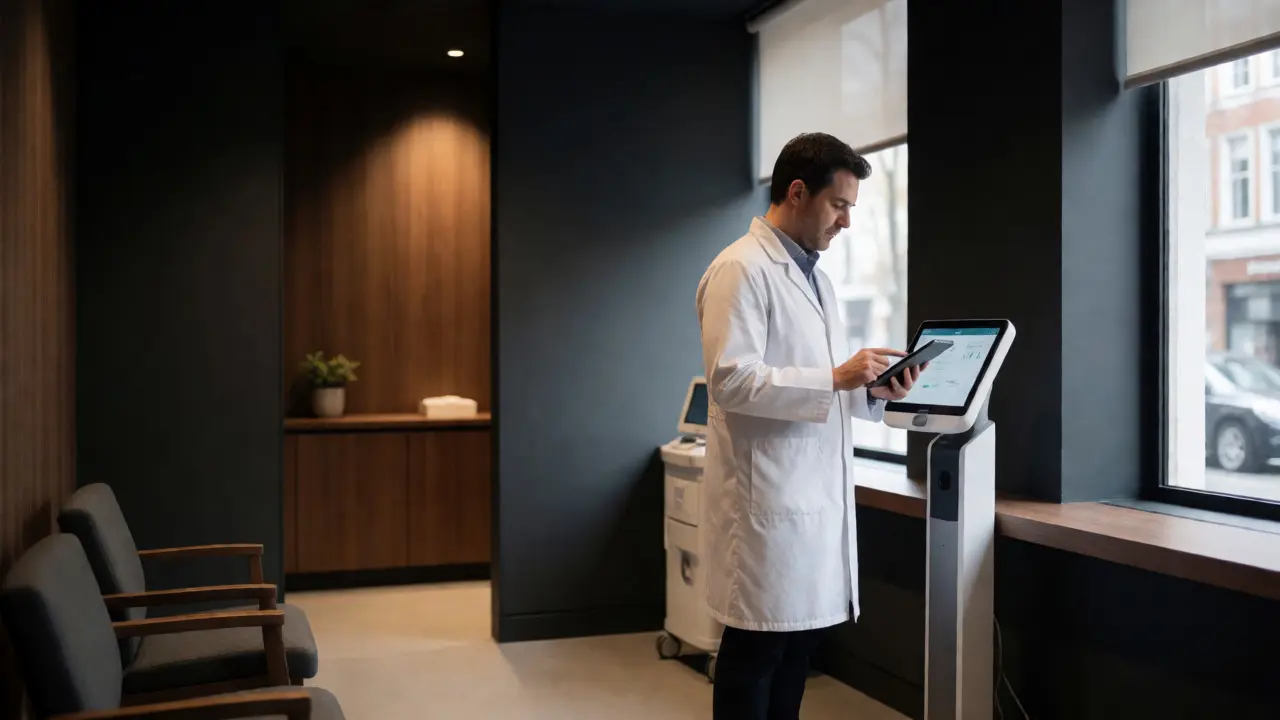
You know that feeling when you’ve been meaning to get a men’s health check for three years? You’re busy, work is crazy, and the idea of sitting in a waiting room for two hours just to be told "everything looks fine" feels like a waste of time. But here’s the thing: ignoring your body doesn’t make problems disappear; it just makes them harder to fix later. In London, the landscape of healthcare has shifted dramatically. You no longer have to rely solely on the NHS queue or generic high-street pharmacy tests. A new wave of specialized Men’s Health Clinics is offering fast, discreet, and comprehensive care designed specifically for how men actually live and age.
This isn’t about vanity or trying to look like a superhero. It’s about catching the stuff that kills-heart disease, prostate issues, and mental burnout-before they become emergencies. If you’re looking for the best places in London to handle this, you need to know what separates a real medical clinic from a fancy marketing page with a subscription model. Let’s break down who’s doing it right, what checks are actually worth your money, and how to pick the one that fits your life.
Why Specialized Men’s Care Beats General Practice
Let’s be honest: general practitioners are great, but they’re often rushed. They see everyone from toddlers to nonagenarians. When you walk into a standard GP appointment, you might get five minutes to discuss a complex mix of stress, diet, sexual health, and fatigue. A dedicated Private GP focused on men’s health operates differently. These clinics understand the specific physiological and psychological pressures men face. They don’t just treat symptoms; they look at hormonal baselines, cardiovascular risk factors, and lifestyle triggers as an interconnected system.
Think of it like car maintenance. Your local mechanic can change your oil, but if you want to optimize performance, you go to a specialist who knows your specific engine model. Men’s health clinics use data-driven approaches. They aren’t guessing why you’re tired; they’re measuring your testosterone levels, checking your lipid profiles, and assessing your metabolic health with precision tools that many public hospitals reserve for acute cases.
The Top Contenders in London’s Medical Scene
London is flooded with options, which makes choosing tough. Some are tech-heavy apps with physical hubs, others are traditional luxury medical practices with a modern twist. Here are three standout names that consistently rank for quality, speed, and clinical rigor.
Hims & Hers has disrupted the market by combining digital convenience with physical accessibility. While they started online, their presence in London means you can book blood tests and consultations without leaving the city center. Their strength lies in transparency. You see the price upfront, you get results via an app, and follow-ups are handled digitally. This is ideal for the busy professional who values efficiency over white-glove service. However, because they scale heavily, the human touch can sometimes feel automated. If you have complex, multi-system issues, you might find their standardized protocols limiting.
On the other end of the spectrum is Bupa, a long-standing giant in UK private healthcare. Bupa’s advantage is its massive infrastructure. If your initial check-up reveals something serious, you’re already inside a network that can facilitate immediate specialist referrals and hospital admissions. For men over 40 with existing conditions like hypertension or diabetes, Bupa offers continuity of care that newer startups struggle to match. The downside? It’s expensive, and the booking process can still feel bureaucratic compared to agile competitors.
Then there’s Push Doctor, which bridges the gap between urgent care and routine management. Originally known for video consultations, they’ve expanded into physical clinics across London. Their model is excellent for men who need quick access to prescriptions for things like erectile dysfunction or hair loss, but also want the option of face-to-face diagnostics. Their hybrid approach allows you to start online and move offline only when necessary, saving both time and money.
| Clinic Name | Primary Strength | Best For | Average Wait Time |
|---|---|---|---|
| Hims & Hers | Digital integration and pricing transparency | Younger professionals, sexual health, basic blood panels | < 24 hours (digital), 3-5 days (in-person) |
| Bupa | Comprehensive network and specialist access | Over 40s, chronic condition management, full-body scans | 1-2 weeks |
| Push Doctor | Hybrid online/offline flexibility | Urgent needs, prescription renewals, quick screenings | Same day (video), 2-3 days (clinic) |
What Checks Are Actually Worth Doing?
Not all health checks are created equal. Some clinics sell you a package that includes tests you don’t need, while skipping the ones that matter. So, what should you prioritize? First up is Cardiovascular Screening. Heart disease remains the leading cause of death for men in the UK. A basic check must include blood pressure monitoring, cholesterol levels (LDL, HDL, triglycerides), and resting heart rate variability. If you’re over 35, ask for a coronary calcium score if available-it’s a CT scan that detects calcified plaque in your arteries before symptoms appear.
Next is Prostate Health. Many men skip this due to awkwardness, but it’s critical. The gold standard involves a Prostate-Specific Antigen (PSA) blood test combined with a digital rectal exam. Don’t let a clinic tell you PSA alone is enough; false positives are common, so context matters. If you have a family history of prostate cancer, insist on a more detailed discussion about MRI imaging options rather than just a blood draw.
Don’t ignore Hormonal Panels. Testosterone levels drop naturally after 30, but low T can also signal underlying issues like sleep apnea or obesity. A proper panel shouldn’t just measure total testosterone; it should check free testosterone, SHBG, LH, and FSH. Without these markers, a doctor can’t tell if your low energy is hormonal, metabolic, or psychological.

The Hidden Value: Mental Health Integration
Here’s where most traditional clinics fail men: they treat the body in isolation from the mind. Yet, men’s suicide rates remain stubbornly high, and anxiety often presents as anger or irritability rather than sadness. The best London clinics now integrate mental health assessments into their physical check-ups. Look for providers that offer confidential counseling sessions alongside medical diagnostics.
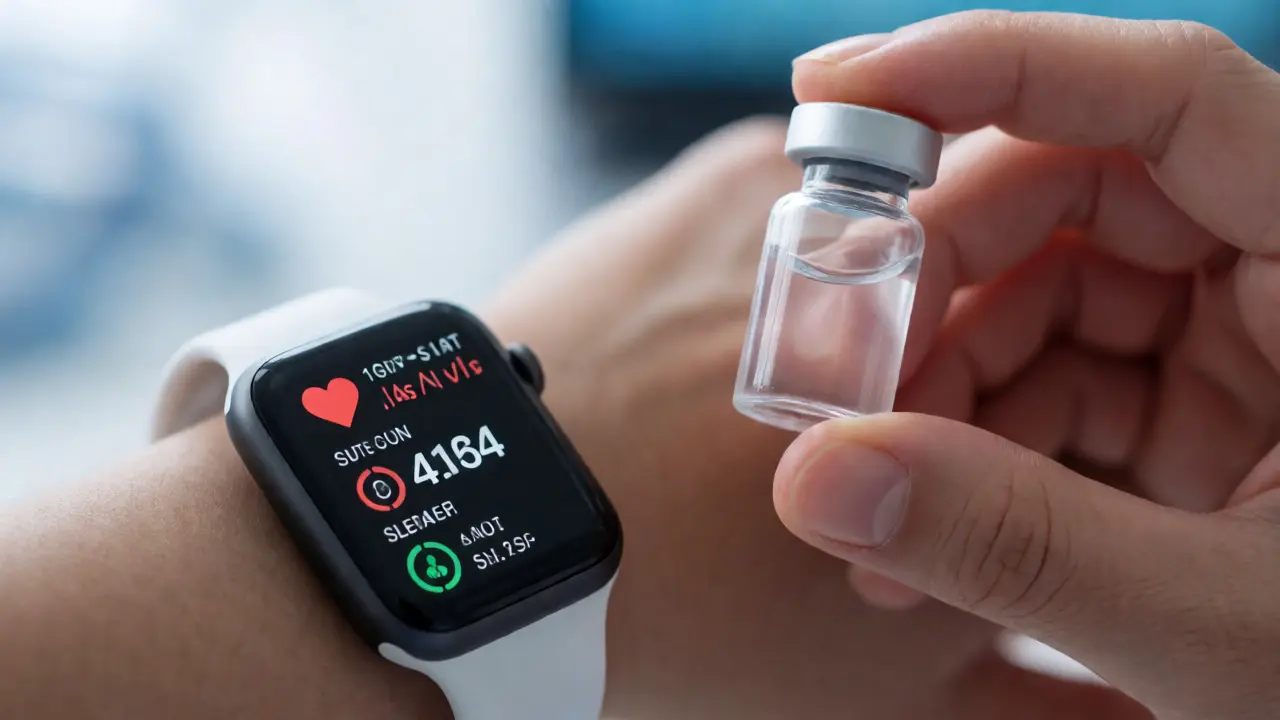
Some forward-thinking practices use wearable data integration. If you wear an Apple Watch or Oura Ring, top-tier clinics can pull your sleep and stress data directly into your consultation. This gives the doctor objective evidence of your recovery patterns, not just your subjective report. It turns vague complaints like "I’m stressed" into actionable data points about cortisol spikes and poor sleep hygiene.
How to Choose: A Decision Framework
So, how do you pick? Ask yourself these three questions:
- Do I need speed or depth? If you just need a refill for ED meds or a quick STI screen, go digital-first (Hims/Push Doctor). If you’re investigating unexplained weight gain or fatigue, choose a clinic with diagnostic labs and specialist networks (Bupa).
- Is privacy my top concern? Boutique clinics in areas like Mayfair or Kensington offer discrete entrances and separate waiting areas. Large chains may have shared reception desks. If stigma bothers you, pay extra for discretion.
- What’s the follow-up protocol? A check-up is useless if you don’t know what to do next. Ensure the clinic provides a clear action plan. Do they offer nutrition coaching? Physiotherapy referrals? Or just a PDF report?
Remember, the cheapest option isn’t always the best value. A £50 blood test that misses a key marker costs you more in missed opportunities than a £200 comprehensive panel that catches early-stage hypertension. Invest in clarity.
Are men’s health clinics covered by insurance?
It depends on your policy. Most private health insurers in the UK cover diagnostic tests and consultations if referred by a GP or deemed medically necessary. However, purely preventative packages or cosmetic-related services (like hair loss treatments) are often excluded. Always check with your provider before booking a premium check-up to avoid out-of-pocket surprises.
How often should I get a men’s health check?
For men under 40 with no family history of chronic disease, every two to three years is usually sufficient. Once you hit 40, annual screenings are recommended, especially for cardiovascular and prostate health. If you have existing conditions like diabetes or hypertension, your doctor may recommend quarterly visits to monitor progress and adjust medications.
Can I do a men’s health check at home?
Yes, many clinics offer mail-in blood test kits. You prick your finger, send the sample back, and get results online. This is great for convenience, but it lacks the physical examination component (like blood pressure checks or prostate exams) that a clinic visit provides. Home kits are best for routine monitoring between annual clinic visits, not as a replacement for them.
What should I bring to my first appointment?
Bring a list of current medications and supplements, as these can affect test results. Also, prepare a brief history of any family illnesses, particularly heart disease or cancer. If you use fitness trackers, have your recent data exported or ready to share. Finally, write down your top three concerns beforehand so you don’t forget them during the consultation.
Are these clinics safe for sensitive topics like sexual health?
Absolutely. Specialized men’s health clinics train staff specifically to handle discussions around erectile dysfunction, libido, and fertility without judgment. The environment is designed to be clinical yet comfortable, ensuring confidentiality. Unlike some general practices where you might overhear conversations, these clinics typically offer private consultation rooms and secure digital records.