Most creators make the same mistake: they show up at a famous spot during peak hours and end up with a blurry crowd instead of their shot. The difference between a viral post and a forgettable one often comes down to timing, light, and knowing where to stand. This guide cuts through the noise to give you the specific coordinates, best times, and pro tips for capturing London like a local who knows the game.
We aren't just listing landmarks. We are mapping out the visual DNA of the city for your feed. Whether you need clean architectural lines for a brand deal or moody street textures for a personal vlog, these spots are chosen for their versatility and photogenic potential in 2026.
Why Location Strategy Matters More Than Gear
You don't need a $3,000 camera to look professional. You need a location that does half the work for you. In photography, this is called "pre-composition." If the background is cluttered, your subject gets lost. If the light is harsh, your skin tones get distorted. By choosing the right spot at the right time, you reduce editing time by up to 40% because the raw files already look good.
Consider the concept of "visual hierarchy." A good photo guides the viewer's eye to the subject first, then to the context. Locations with natural leading lines-like a bridge railing or a row of shop windows-do this automatically. Avoid spots with competing focal points, such as busy intersections with multiple signs, unless you are specifically shooting urban chaos.
| Location | Best For | Ideal Time | Crowd Level (Weekday) | Key Tip |
|---|---|---|---|---|
| Tower Bridge Walkway | Lifestyle, Fashion | 7:00 AM - 8:30 AM | Low | Use the pedestrian walkway, not the road level |
| Hackney Wick | Street Art, Edgy Portraits | 10:00 AM - 2:00 PM | Moderate | Check for fresh murals before visiting |
| Southbank Centre Steps | Golden Hour Portraits | 5:00 PM - Sunset | High | Stand on the steps facing West for backlight |
| Shoreditch High Street | Urban Trends, Cafes | 9:00 AM - 11:00 AM | Low | Shoot from the side streets for depth |
The Golden Triangle: Central London Icons Reimagined
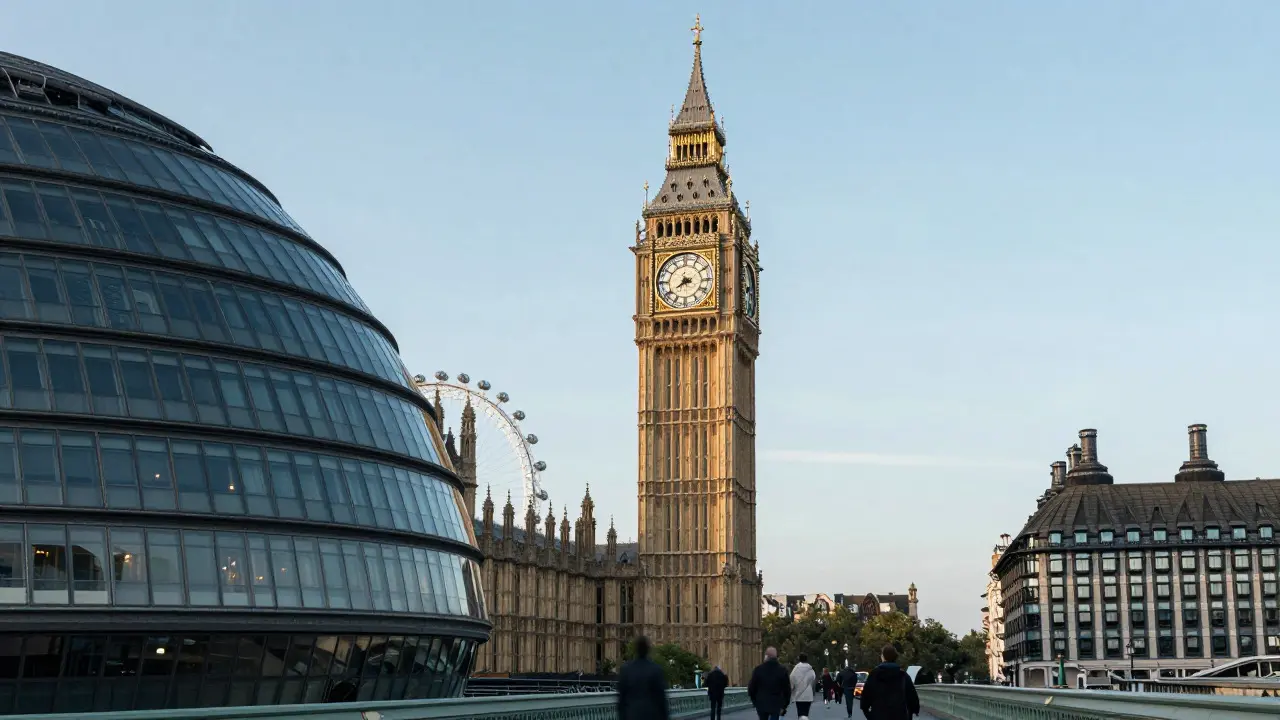
Everyone shoots Big Ben. Few shoot it well. The secret is perspective. Instead of standing on Westminster Bridge looking up, try crossing the river from the South Bank near County Hall. From here, you can capture the Elizabeth Tower framed by the dome of the National Theatre, creating a layered composition that feels dynamic rather than static.
Tower Bridge is a combined bascule and suspension bridge in London that spans the River Thames. It is often confused with London Bridge, but its Victorian Gothic architecture makes it far more photogenic. The pedestrian walkways offer a unique elevated view of the city skyline. However, the wind can be brutal. Bring a sturdy tripod if you are shooting video, and keep your lens cap secure. The best angle is from the north bank, looking south towards the City of London, which provides a clear line of sight without obstructions.
For those seeking classic elegance, St. James's Park offers a green contrast to the stone buildings. The pond reflects the sky beautifully during overcast days, which many photographers avoid but actually produces soft, diffused lighting perfect for portraits. The path along the water is wide enough for walking shots, allowing you to capture movement while keeping the background consistent.
East London: Where Texture Meets Trend
If your brand aesthetic leans towards industrial, edgy, or artistic, East London is your playground. Shoreditch has evolved, but the soul remains in the brickwork and exposed pipes. The area around Rivington Street is particularly good for close-up details-think coffee cups against graffiti walls or fashion pieces set against distressed concrete.
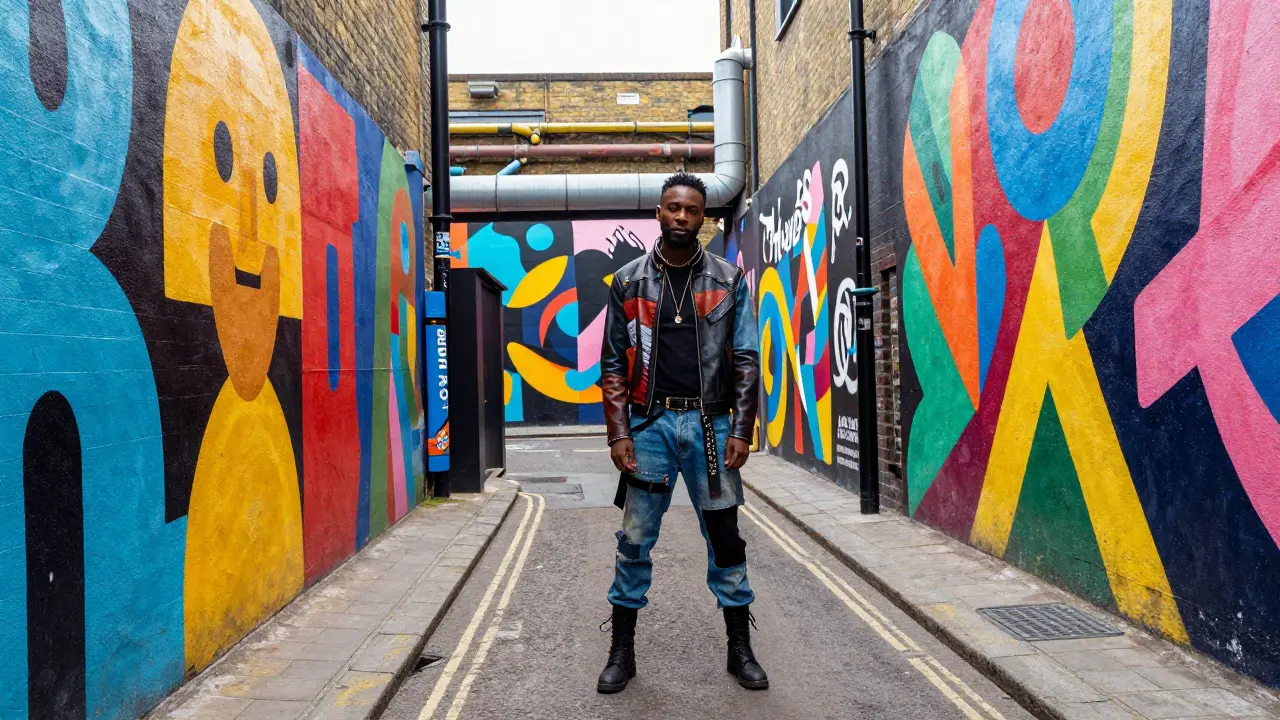
Hackney Wick deserves special attention. This former industrial estate has transformed into an open-air gallery of street art. Artists like Banksy have left marks here, but it is the smaller, emerging artists who create the most vibrant backdrops. The lighting here is flat mid-day, so use this to your advantage by shooting high-contrast black and white images or using colored gels to add drama. The narrow lanes allow for tight framing, which works well for social media square crops.
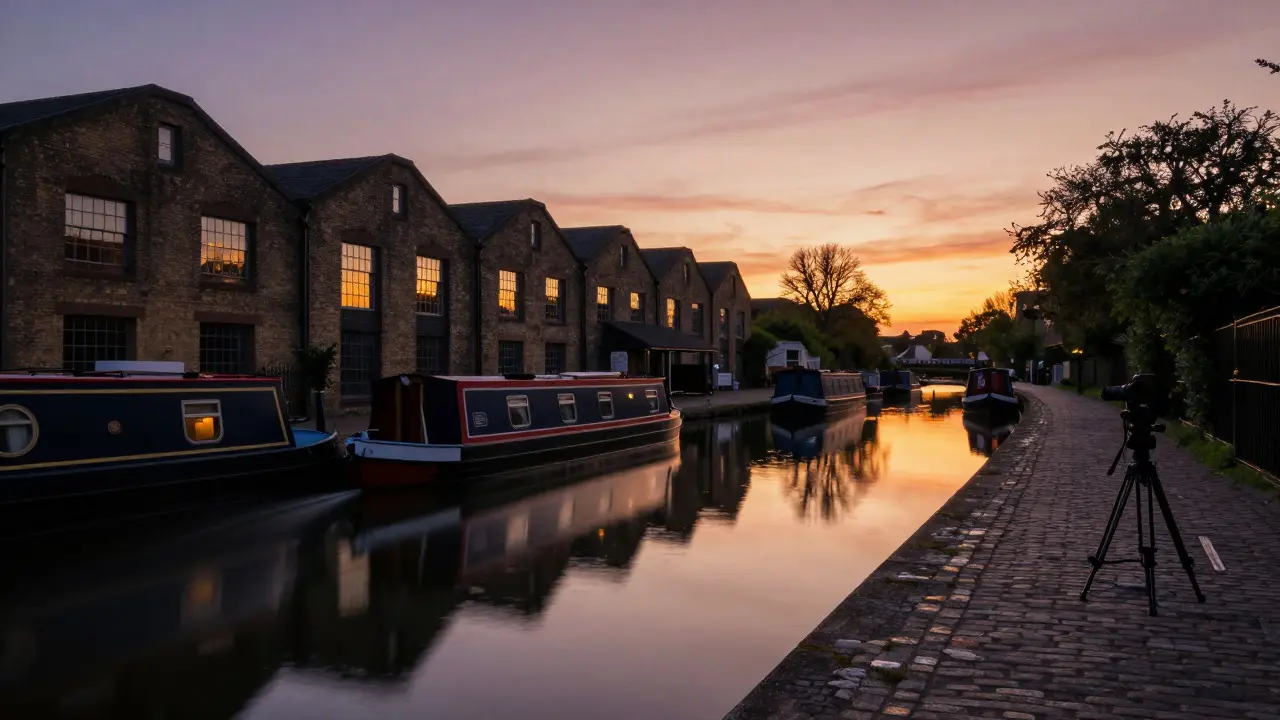
Don't overlook the canal paths in Hackney. The Regent's Canal runs through the neighborhood, offering linear perspectives that lead the eye deep into the frame. Boats passing by add motion blur opportunities if you are shooting video. The surrounding warehouses provide neutral backgrounds that let your outfit or product pop without distraction.
West End & South Bank: Sophistication and Scale
The South Bank is a long stretch of riverside space that changes character every few hundred meters. Near the London Eye, the crowds are thick, but the views are iconic. To avoid the masses, walk further east towards Tower Bridge or west towards Vauxhall. The Vauxhall side offers quieter angles of the Thames with fewer tourists, making it ideal for solo creators who want a clean shot without spending an hour waiting for people to move.
Covent Garden is tricky. It looks chaotic, but if you time your visit for early morning before the street performers arrive, you get the architecture without the noise. The vaulted ceilings of the market halls provide natural arches that frame subjects perfectly. Alternatively, head to the nearby Seven Dials. The fountain in the center creates a radial pattern that works exceptionally well for overhead drone shots or high-angle phone photos.
For a touch of royal history, Buckingham Palace is obvious, but the less crowded alternative is the Royal Mews. The red-brick buildings with white trim offer a striking color palette. The courtyard is enclosed, protecting you from wind and rain, and the symmetry of the gates provides a strong geometric structure for your compositions.
Nature and Green Spaces: Softening the Urban Edge
London is surprisingly green. Hyde Park is vast, but the Serpentine Gallery area offers modern art installations that contrast beautifully with the trees. The lake itself is a mirror for the city skyline on calm days. Early morning mist adds a layer of mystery that elevates standard landscape shots into something atmospheric.
Kew Gardens might seem touristy, but the Palm House is a glass cathedral that traps light in fascinating ways. Inside, the humidity creates a slight haze that softens edges. Outside, the formal gardens provide structured lines that appeal to minimalist aesthetics. If you are shooting floral content, the tropical plants offer exotic colors that are hard to find elsewhere in the UK.
Regent's Park is another gem. The rose garden in summer provides bursts of color, but even in late August, the manicured lawns and tree-lined paths offer a serene backdrop. The park is large enough that you can find quiet corners away from the main entrance crowds. The boating lake allows for reflections that double your visual impact without needing complex editing.
Lighting Mastery: Timing Your Shoots
Light is the paint of photography. In London, the sun sets later in summer, which gives you extended windows for golden hour. Generally, this occurs between 7:30 PM and 8:30 PM in August. This warm, low-angle light flatters skin tones and casts long shadows that add depth to flat surfaces.
Blue hour, the period just after sunset when the sky turns deep blue, is underutilized by creators. It pairs perfectly with the artificial lights of the city. Stand across from lit buildings or bridges, and use a slow shutter speed to capture the glow of streetlights. This technique creates a cinematic mood that stands out in feeds dominated by bright, daylight images.
Overcast days are not dead days. They are diffusion days. The clouds act as a giant softbox, eliminating harsh shadows under eyes and noses. This is ideal for beauty and fashion shoots. Embrace the grey sky; it makes colors appear more saturated and true-to-life. Just be careful with exposure settings, as cameras may struggle to meter correctly in low-contrast scenes.
Practical Tips for Smooth Operations
Logistics can ruin a shoot. Plan your route to minimize travel time between locations. Group spots by proximity. For example, combine Tower Bridge, Borough Market, and the South Bank into one morning session. Keep a backup location in mind in case of weather or unexpected closures.
Permits are rarely needed for casual photography, but if you are using a large crew, tripods in busy areas, or commercial models, check local council rules. Some historic sites charge fees for professional shoots. Always ask permission before photographing private property or individuals closely. A polite smile goes a long way in getting cooperation from locals and shop owners.
Battery life is a silent killer. Cold mornings drain batteries faster, but even in mild weather, shooting video and taking hundreds of stills will deplete your power. Carry at least two spare batteries for your camera and phone. Power banks for your phone are essential if you are relying on it for navigation and communication. Cloud storage apps can sync your photos in real-time, reducing the risk of losing data if your device fails.
Frequently Asked Questions
What is the best time of day to take photos in London?
The best times are early morning (7:00 AM - 9:00 AM) for soft light and fewer crowds, and late afternoon (4:00 PM - Sunset) for golden hour warmth. Mid-day light is harsh and creates unflattering shadows, so avoid it for portraits.
Do I need a permit to take photos in London?
Generally, no permit is needed for handheld photography in public spaces. However, permits are required for large crews, heavy equipment, commercial model shoots, or filming in certain historic sites. Always check specific venue rules if you are planning a major production.
Which areas of London are best for street style photography?
Shoreditch, Soho, and Covent Garden are top choices for street style. These areas have diverse fashion, interesting architecture, and high foot traffic. Early mornings are best to catch stylish commuters before the crowds become overwhelming.
How do I handle bad weather for outdoor shoots?
Rain can create reflective surfaces that enhance urban shots. Use a waterproof cover for your gear. If the rain is too heavy, shift to indoor locations like museums, cafes, or covered markets. Overcast skies are also excellent for soft lighting, so don't cancel solely due to lack of sun.
Are there any free photo spots in London?
Yes, most public parks, bridges, and streets are free to photograph. Places like Hyde Park, the South Bank, and Tower Bridge walkways cost nothing to access. Paid entry only applies to specific attractions like Kew Gardens or the interior of certain monuments.