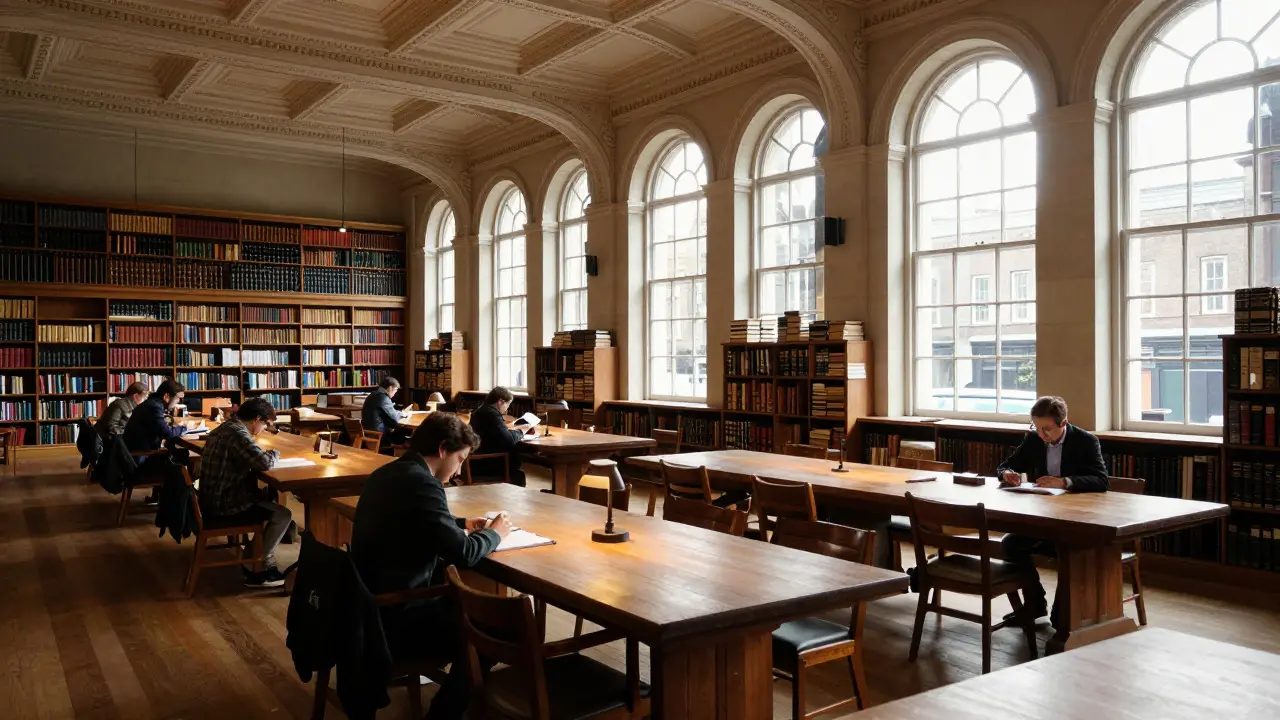
London is loud. It’s chaotic. And if you’re trying to write a novel, finish a thesis, or just draft that important email, the city can feel like it’s working against you. But here’s the secret: some of the best writing spots in the capital aren’t the famous tourist traps. They are tucked-away libraries, sun-drenched corners of independent cafes, and silent coworking pods that offer exactly what your brain needs: silence, good light, and reliable Wi-Fi.
Whether you are a novelist hunting for inspiration near the Thames or a remote worker who needs four hours of deep focus without the distraction of chatter, finding the right environment changes everything. This guide cuts through the noise to highlight specific locations where the atmosphere supports productivity, not just consumption.
Why Location Matters for Your Writing Process
Your environment dictates your output. A noisy pub might be great for brainstorming ideas with friends, but it is terrible for drafting chapters. The difference lies in sensory input. For serious writing, you need low auditory clutter and consistent lighting. You also need access to power outlets and, increasingly, fast internet speeds that don’t drop when the lunch rush hits.
In London, this means avoiding the main high streets during peak hours. Instead, look for spaces that cater to people who stay for hours, not minutes. These places often have fewer tables, slower service, and a culture of quiet respect. When you choose a spot based on these criteria, you stop fighting your surroundings and start flowing with them.
The Silent Libraries: Deep Work Havens
If you want absolute silence, skip the cafes and head to the libraries. London has some of the most beautiful public reading rooms in the world, and they are free to use.
- The British Library is a major research library located in St Pancras, holding over 170 million items from around the world. The Stephen Fry Reading Room offers stunning views and strict silence rules. It is ideal for long stretches of focused work. Just note that you need a free reader pass, which you can apply for online in advance.
- The Bodleian Library (accessible via Oxford Street connections or nearby spots) influences many Londoners, but for pure local access, consider the Camden People's Palace or the Westminster Reference Library. These smaller municipal libraries often have less foot traffic than the big names and provide comfortable seating with natural light.
- Southbank Centre houses a dedicated reading room with panoramic views of the river. It is quieter than the surrounding galleries and perfect for writers who find water views inspiring rather than distracting.
Pro tip: Go early. By 10 AM, the popular seats at the British Library are often taken. Arriving at opening time gives you the best chance of securing a window seat.
Cafes That Respect the Writer
Not all cafes are created equal. Some are designed for quick coffee runs; others are sanctuaries for laptops and notebooks. The key indicators of a writer-friendly cafe include: ample table space, background music that isn't too loud, and staff who don't rush you out after two hours.
| Location | Vibe | Wi-Fi Speed | Power Outlets | Best For |
|---|---|---|---|---|
| Pret A Manger (Select Locations) | Buzzing but organized | Fast | Plenty | Short bursts, admin work |
| Neal's Yard Cafe | Bohemian, relaxed | Moderate | Limited | Creative brainstorming, casual drafts |
| The Ivy Brownie Bar (Marylebone) | Elegant, quiet | Good | Adequate | Long sessions, editing |
| Covent Garden Market Stalls (Upper Level) | Historic, airy | Variable | Sparse | People watching, short notes |
Independent cafes in neighborhoods like Shoreditch, Hackney, and Notting Hill tend to be more tolerant of laptop users than those in central business districts. Look for places with large communal tables. These areas often attract artists and creatives, creating a subtle sense of community that can boost morale without forcing conversation.

Parks and Outdoor Spaces for Fresh Air Thinking
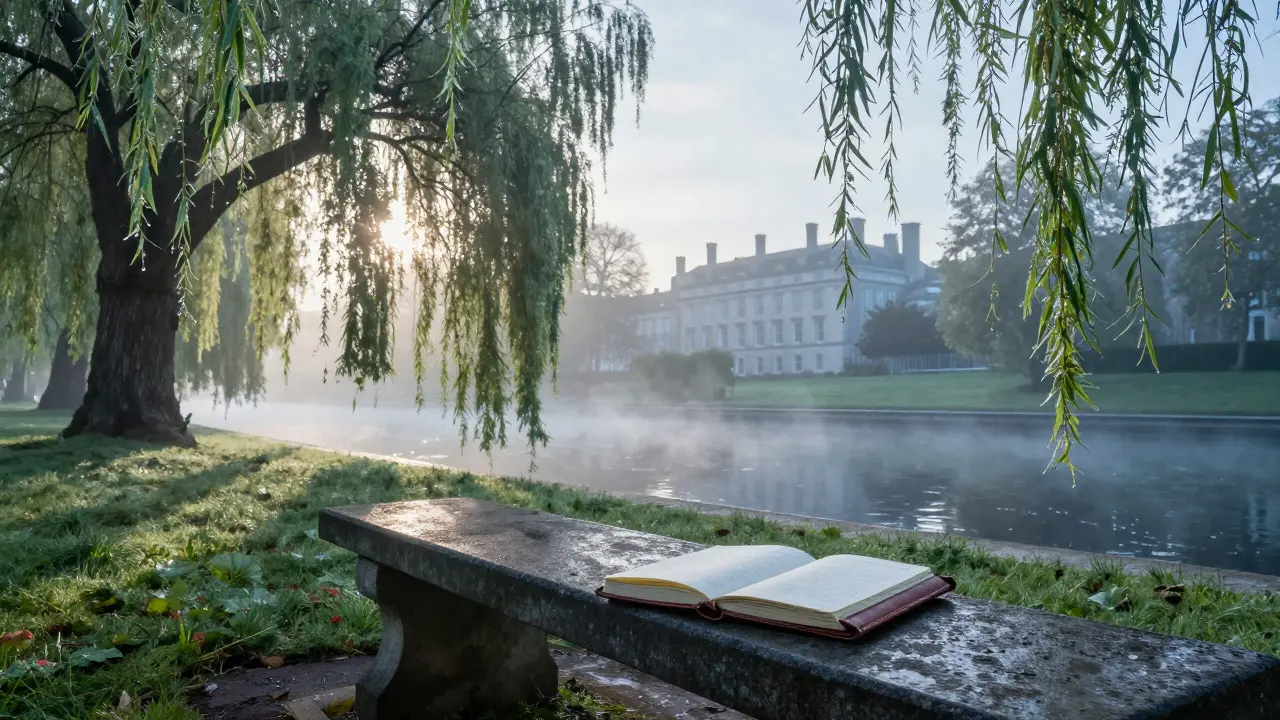
Sometimes, you need to step away from the screen entirely. Walking helps process complex plots or arguments. London’s parks offer both greenery and benches that are surprisingly hard to find occupied during off-peak hours.
- Regent's Park is a royal park in Central London, known for its zoo and rose garden. The northern end, near the Regent's Canal, is significantly quieter than the south. Bring a thermos and a notebook. The willow trees provide excellent shade in summer.
- Hyde Park offers vast open spaces. The Serpentine Lake area is busy, but the paths leading toward Kensington Palace are much calmer. It’s a great spot for morning walks before the crowds arrive.
- Greenwich Park provides elevated views and historical context. If you are writing historical fiction, the proximity to the Old Royal Naval College adds a layer of authenticity to your research breaks.
Weather is the only downside. Check the forecast before heading out. A sudden downpour can ruin an outdoor writing session faster than any bad Wi-Fi connection.
Coworking Spaces for Structured Focus
If you find yourself constantly distracted by phone calls or family noise at home, a dedicated workspace can be a game-changer. London has a robust ecosystem of coworking spaces that cater specifically to freelancers and writers.
Unlike generic office parks, many of these hubs are designed with aesthetics in mind. Think exposed brick, industrial lighting, and high-speed fiber internet. Prices vary, but day passes typically range from £15 to £30, which includes access to meeting rooms and often free refreshments.
When choosing a coworking space, visit during the day you plan to work. Is it too quiet? Too loud? Are there enough power points? A quick afternoon trial run can save you from committing to a monthly membership that doesn’t fit your workflow.
Practical Tips for Maximizing Your Time
Even the best location won’t help if you aren’t prepared. Here are some practical strategies to make the most of your time in these spaces:
- Bring Noise-Canceling Headphones: Even in quiet spots, ambient noise exists. Good headphones create a bubble of focus.
- Charge Your Devices: Public power outlets are scarce. Carry a portable battery bank, especially if you are planning to stay in a park or a cafe with limited sockets.
- Set Time Limits: Use the Pomodoro technique. Work for 25 minutes, break for 5. This keeps you fresh and prevents burnout during long sessions.
- Order Strategically: In cafes, order something that lasts. A sandwich or a pastry gives you a reason to stay longer without feeling guilty about occupying a table.
- Respect the Space: Keep your voice down. Clear your table when you leave. Small courtesies ensure these places remain welcoming for future visits.
Frequently Asked Questions
Are there free places to write in London?
Yes. All public libraries in London are free to enter and use. Parks are also free. Many cafes allow you to sit for as long as you like, provided you buy at least one drink or food item.
Which part of London is best for quiet writing?
Areas like Marylebone, Chelsea, and parts of Camden are generally quieter than the City of London or Soho. North London neighborhoods like Hampstead and Highgate also offer peaceful residential vibes suitable for focused work.
Do I need a reservation to use the British Library?
You do not need a reservation for general seating in the reading rooms, but you must have a free Reader Pass. During peak times, it is advisable to arrive early to secure a seat.
What is the average cost of a day pass at a London coworking space?
Day passes typically cost between £15 and £30. This usually includes access to hot desks, high-speed Wi-Fi, and basic amenities like tea and coffee.
Is it okay to use a laptop in London cafes?
Generally, yes. Most independent cafes welcome laptop users. However, avoid taking up multiple chairs or making loud phone calls. Always buy something to support the business.