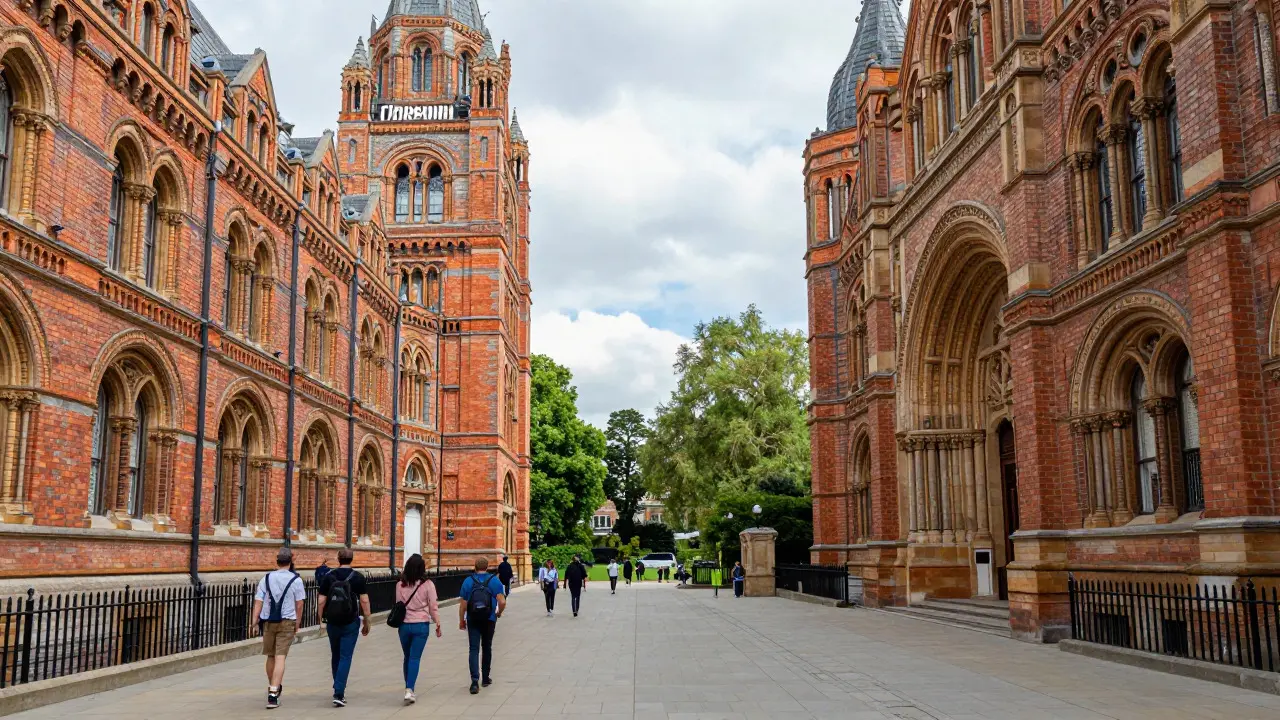
Imagine standing outside the British Museum with a full day ahead. You have tickets for the Natural History Museum, the V&A, and maybe the Science Museum. The map looks simple on paper, but in reality, getting from one iconic building to another can eat up half your afternoon if you choose the wrong mode of transport. This guide cuts through the noise to give you the most efficient ways to move between London's major cultural hubs, whether you prefer the rhythm of walking, the speed of the Tube, or the scenic glide of the river.
Quick Summary / Key Takeaways
- Walking is best for distances under 1.5 miles (approx. 30 minutes), especially in South Kensington and Bloomsbury.
- The Tube is the fastest option for cross-city moves, such as from the Tate Modern to the British Museum (approx. 20-25 mins).
- Thames Clipper offers a unique, car-free route between South Bank and East End museums like the Tate Modern and the Maritime Museum.
- Always check last entry times; many museums close at 5:00 PM, leaving little buffer for transit delays.
- Combine modes: Walk to the nearest station, take the Tube, then walk the final stretch to avoid long queues at exits.
Why Your Route Choice Matters More Than You Think
London’s museums are not clustered in one single block. They are spread across three main zones: Bloomsbury/Covent Garden, South Kensington, and the South Bank/East End. Ignoring this geography leads to unnecessary fatigue. For example, trying to walk from the National Gallery to the Imperial War Museum is a 2.5-mile trek that takes over 45 minutes on foot. That time could be spent inside the galleries. Conversely, taking the Tube for a short hop like the Victoria and Albert Museum to the Natural History Museum is often slower than just walking because of the time spent waiting for trains and navigating platforms.
The key metric here is door-to-door time. It isn't just the travel time; it includes walking to the station, buying tickets (if not using contactless), waiting for the train, and exiting. For short distances, walking eliminates all these friction points. For longer distances, the Tube's frequency (every 2-3 minutes during peak hours) makes it unbeatable despite the overheads.
The Walking Zones: Where Your Feet Are Fastest
Some areas of London are designed for pedestrians. The South Kensington Triangle is a compact area containing the Natural History Museum, the Science Museum, and the Victoria and Albert Museum. These three institutions are within a 10-minute walk of each other. In fact, the path from the entrance of the Natural History Museum to the Science Museum is less than 0.3 miles. Walking here allows you to enjoy the architecture and the green spaces of Kensington Gardens without rushing.
Similarly, the Bloomsbury Cluster is a dense academic and cultural district centered around the British Museum and the Royal Academy of Arts. From the British Museum, you can walk to the Royal Academy of Arts in about 8 minutes via Burlington Arcade. This route is pleasant, relatively flat, and avoids heavy traffic. If you are visiting the National Portrait Gallery, it is also within a 15-minute walk from the British Museum, making a full morning itinerary feasible on foot alone.
However, walking becomes inefficient when crossing the Thames. The bridge crossings add significant distance. If you are moving from the South Bank to North Bank, consider whether a short Tube ride or a river hop might save energy for later in the day.
The Tube Network: Speed and Connectivity
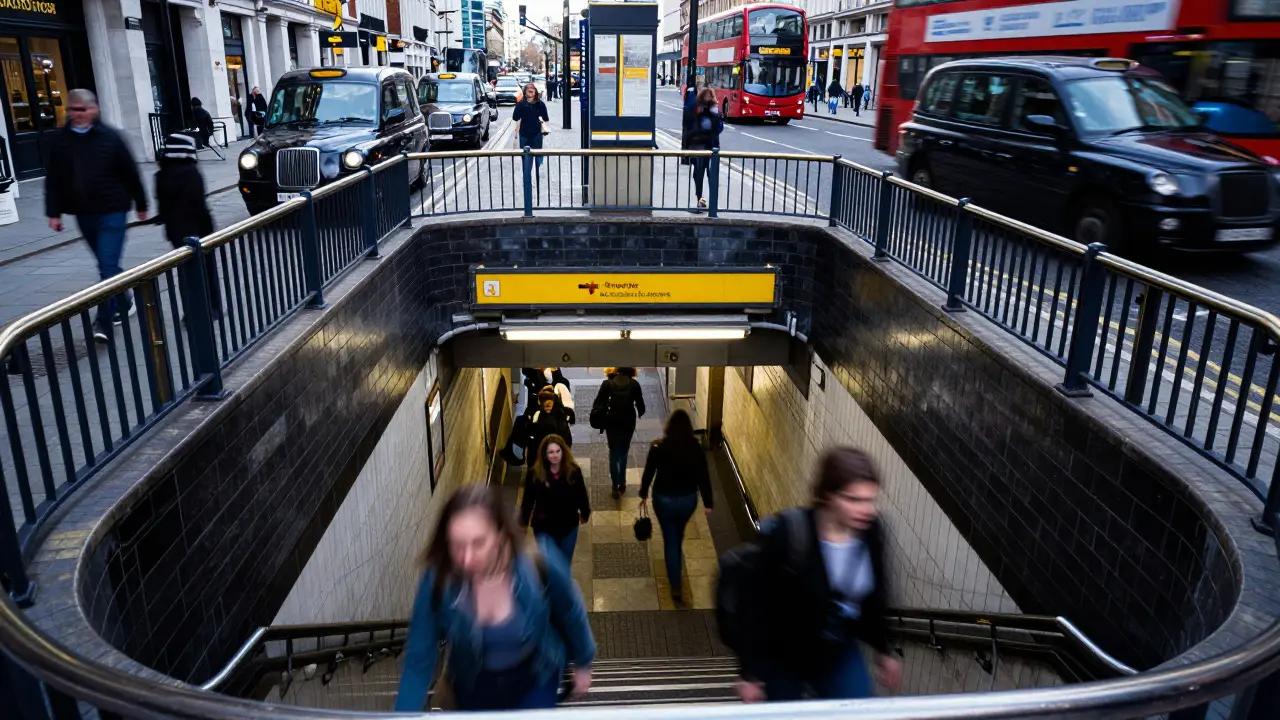
When the distance exceeds 1.5 miles, the London Underground is the primary rapid transit system connecting major museum districts. The network is extensive, but specific lines serve the museum circuit best. The Piccadilly Line connects the South Bank (Waterloo) to central London, while the District and Circle Lines loop through South Kensington and Victoria.
Here is a breakdown of common inter-museum transfers using the Tube:
| Museum A | Museum B | Walking Time | Tube Time (Door-to-Door) | Recommended Mode |
|---|---|---|---|---|
| British Museum | Tate Modern | 45-50 mins | 20-25 mins | Tube |
| Natural History Museum | Science Museum | 10 mins | 15-20 mins | Walking |
| V&A Museum | Imperial War Museum | 25 mins | 15 mins | Tube/Walk Hybrid |
| Tate Modern | Maritime Museum | 60+ mins | 35 mins | Tube/River |
Note that "Door-to-Door" Tube time assumes you know exactly where the station entrances are. If you are new to the area, add 5-10 minutes for navigation. Also, remember that the Tube runs until approximately 11:30 PM on weekdays, so late visits are possible, but early morning starts (from 5:00 AM) are rare and limited to certain lines.
Thames Clipper: The Scenic Alternative
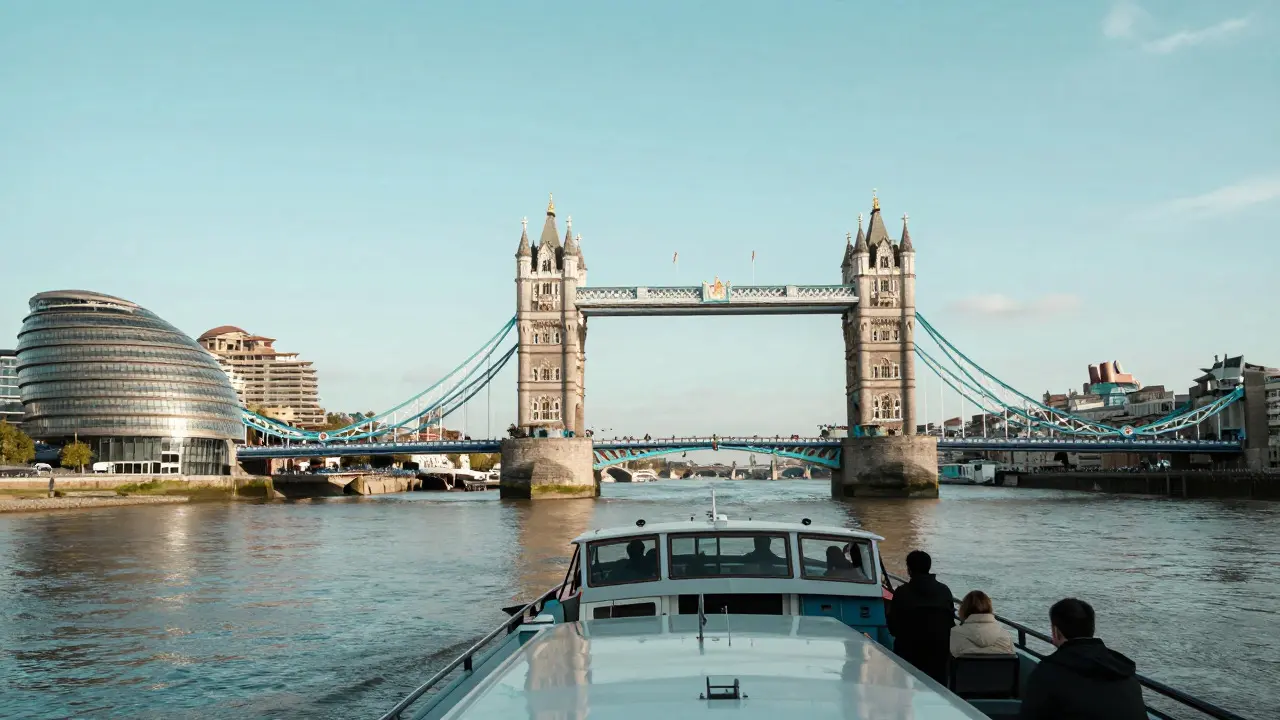
Often overlooked by tourists who only think of the Tower Bridge, the Thames Clipper is a public river bus service that operates along the River Thames. It is not a tourist cruise; it is a functional transport link used by commuters and visitors alike. The advantage? It bypasses road congestion entirely. If you are moving from the Tate Modern (Bankside station) to the Musée d'Orsay... wait, that's Paris. Let's stick to London. Moving from Tate Modern to the Mersey Maritime Museum... no, let's use the Merchant Adventurers Hall... actually, let's look at the Sea Life London Aquarium or simply the Shad Thames area for dining after the Maritime Museum.
A more practical example: If you finish at the Tate Modern and want to visit the St. Paul's Cathedral (which has a gallery) or head towards the City, the Thames Clipper from Bankside to Tower Pier takes about 15 minutes. This is comparable to the Tube but offers a completely different perspective of the city skyline. The journey is smooth, quiet, and provides excellent photo opportunities. However, be aware that river buses run less frequently than the Tube (every 15-30 minutes depending on the time of day), so check the schedule before committing to this route.
Strategic Planning: Combining Modes for Efficiency
The most effective strategy is not to pick one mode for the whole day, but to switch based on location. Consider this sample itinerary:
- Morning: Start at the British Museum. Spend 3 hours exploring.
- Midday Transition: Walk to the National Gallery (10 mins). Grab lunch nearby in Trafalgar Square.
- Afternoon Move: Take the Tube from Charing Cross (Northern Line) to Waterloo (District Line). Change to the Jubilee Line or walk to the Imperial War Museum. Total travel time: approx. 25 mins.
- Late Afternoon: Visit the IWM. Then, take the Tube back to South Kensington to catch the last hour at the Natural History Museum if you haven't seen it yet, or head to dinner in the neighborhood.
This hybrid approach minimizes transit stress. You use walking for the easy parts and the Tube for the long jumps. Avoid trying to do everything on foot unless you have very high stamina and unlimited time.
Pitfalls to Avoid
One common mistake is underestimating the time needed to exit the Tube station. During rush hour (7:30-9:30 AM and 4:30-7:00 PM), platforms are crowded, and escalators can be slow. If you are traveling during these times, add 5-10 minutes to your estimated travel time. Another pitfall is ignoring accessibility. While most major museums are wheelchair accessible, some older buildings have narrow doorways or limited lift access. Check specific museum websites for step-free routes if mobility is a concern.
Also, don't forget that some museums have separate entry fees for special exhibitions. Plan your budget accordingly, as you may need to allocate funds for both general admission and temporary shows. Finally, keep an eye on the weather. If it's raining, walking between distant museums becomes unpleasant. In that case, lean more heavily on the Tube or even black cabs for short hops where the Tube isn't direct.
Frequently Asked Questions
Is it cheaper to walk or take the Tube between museums?
Walking is free, so it is always cheaper if the distance is manageable (under 20-30 minutes). The Tube costs £2.60 per journey with contactless payment (as of 2026 rates, subject to change). If you are making multiple trips, the daily cap on Oyster/contactless cards limits your total spend to around £8.50 for Zone 1-2, which can be cost-effective if you are covering large distances.
Which Tube line is best for accessing the most museums?
The Northern Line and the District Line are the workhorses. The Northern Line serves Tottenham Court Road (near British Museum) and Waterloo (near IWM/South Bank). The District Line serves South Kensington (Natural History, Science, V&A) and Victoria. The Piccadilly Line is also useful for reaching the South Bank from Central London quickly.
Can I use the Thames Clipper as a regular transport method?
Yes. The Thames Clipper accepts Oyster cards and contactless payments. It is a valid alternative to the Tube for routes along the river. However, it is slower than the Tube for direct north-south connections and less frequent. Use it when you have time to spare and want a scenic break.
Are there any museums connected by direct underground tunnels?
Not publicly. While some private corridors exist between buildings in the West End, there are no official public tunnels connecting major museums. You must surface to move between them, either on foot or via the street-level Tube stations.
What should I do if the Tube is closed for maintenance?
Check the TfL website or app before you start your day. If a line is closed, look for alternative routes. Often, you can combine two shorter Tube rides or use a bus service. The London Bus network is extensive and can cover gaps left by Tube closures, though it will be slower.