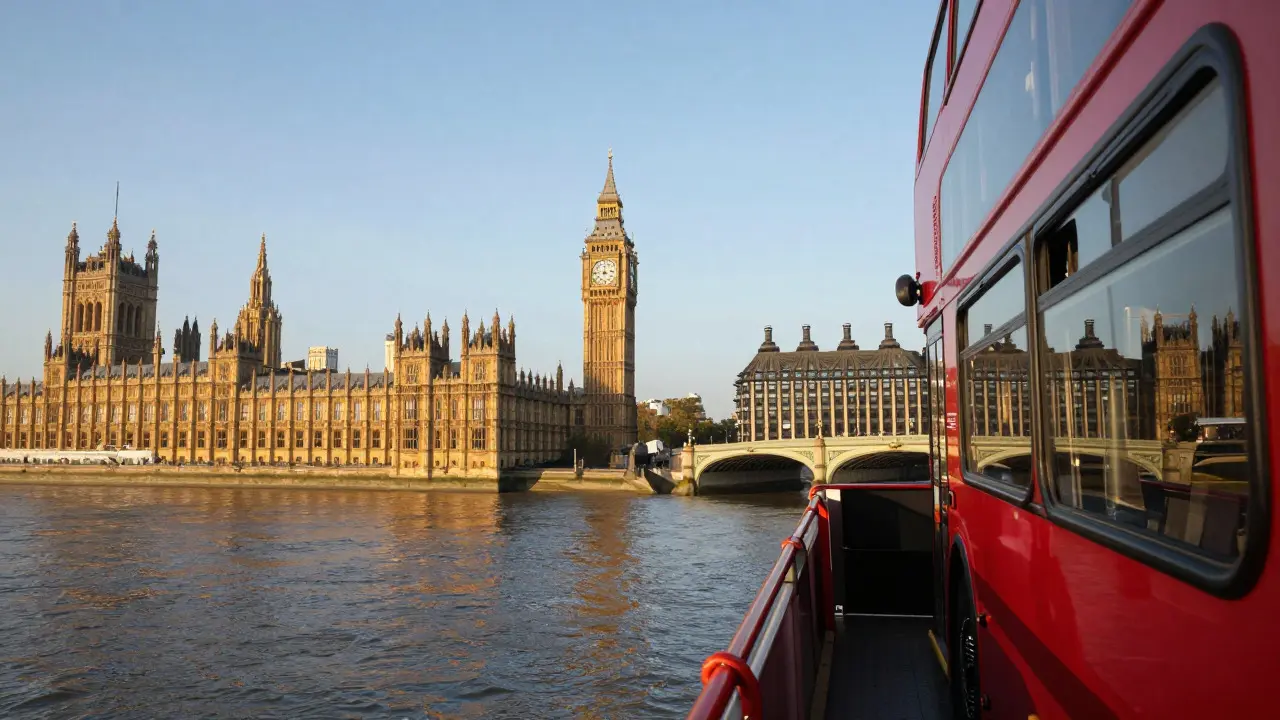
Most visitors assume that seeing London requires expensive tours or private cars. They are wrong. The city’s bus network is a comprehensive public transit system covering over 500 routes and serving millions of daily passengers. It offers a unique, low-cost way to experience the capital’s architecture, parks, and history without breaking the bank. If you want to save money while still getting a full view of the city, hopping on a double-decker bus is one of the smartest moves you can make.
Why Buses Beat Taxis for Sightseeing
Taxis move fast, but they hide the city from you. You sit in the back, look at your phone, and arrive at your destination without remembering what was outside the window. Buses force you to engage with the streetscape. Because many London buses are double-deckers, the upper deck provides an elevated vantage point similar to a tour bus, but at a fraction of the cost. A single journey costs just £1.75 when paid contactlessly, making it cheaper than a cup of coffee. This affordability allows you to take multiple trips in a day, exploring different neighborhoods rather than sticking to one expensive tour route.
The flexibility is another major advantage. Unlike scheduled tour buses that follow a rigid path, you can hop off anywhere. See a church that looks interesting? Get off. Notice a beautiful park entrance? Stop there. This spontaneous approach often leads to discoveries that guided tours miss. Plus, the air-conditioned interior keeps you comfortable in summer, and the enclosed space protects you from rain in winter, ensuring your sightseeing isn’t weather-dependent.
Top Route: The Thames Embankment Loop
If you only have time for one scenic ride, choose the route along the River Thames. This stretch of the city offers some of the most iconic views in the world. Look for routes like the Route 43 or Route 188, which traverse sections of the embankment. These buses pass landmarks such as Westminster Abbey, Horse Guards Parade, and the London Eye.
- Best Time: Early morning (before 9 AM) to avoid crowds and get clear photos.
- Key Stops: Westminster Station, Waterloo Bridge, and South Bank Centre.
- Tip: Sit on the right-hand side of the upper deck when heading west to keep the river on your left and capture better shots of the skyline.
This route connects historic government buildings with modern entertainment districts. As the bus glides past the Houses of Parliament, you can see the changing of the guard if you time it right. The transition from the stone facades of Westminster to the glass towers near St. Paul’s Cathedral creates a visual timeline of London’s development, spanning centuries in just ten minutes of travel.
Green Escapes: Parks and Gardens
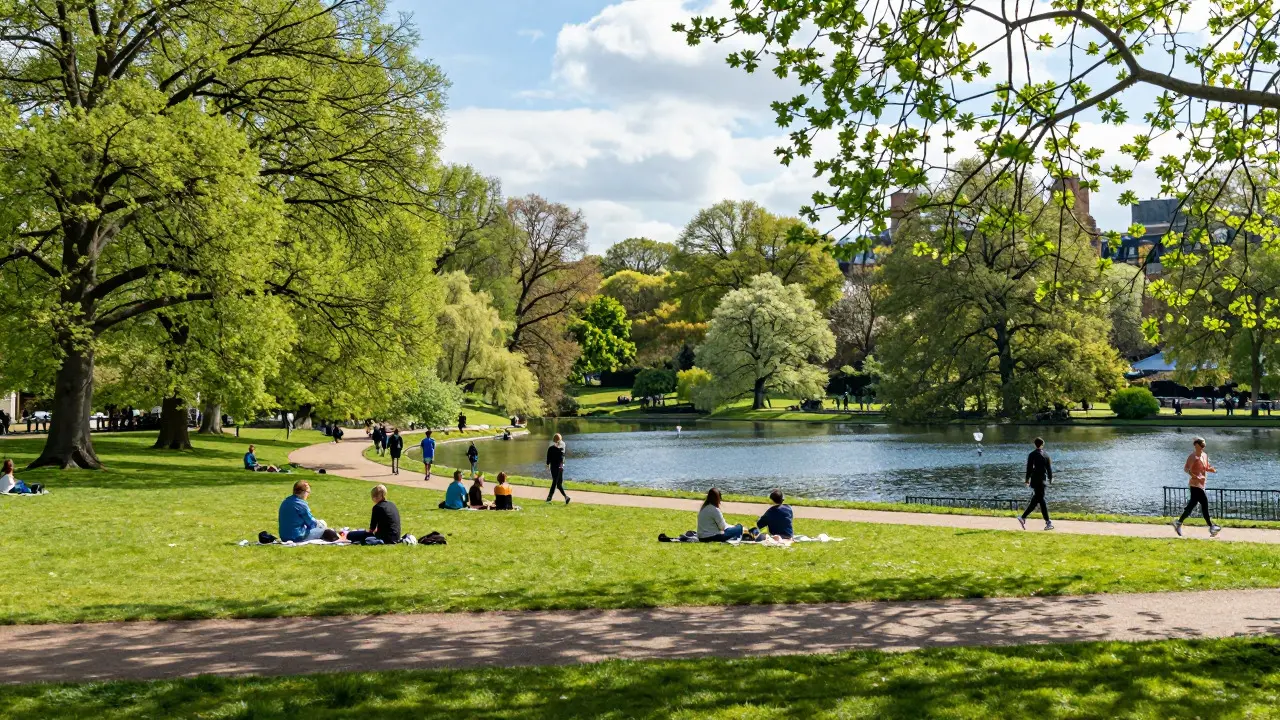
London is surprisingly green, and buses are the best way to navigate these urban oases without renting a bike. The Hyde Park and Kensington Gardens area is a prime example. Routes like the Route 7 or Route 113 cut through or border these vast green spaces. Riding along the edge of Hyde Park, you’ll see families picnicking, joggers on the paths, and the serene waters of the Serpentine lake. It’s a stark contrast to the busy Oxford Street nearby, offering a moment of calm amidst the urban chaos.
For a more botanical experience, consider the bus stops near Kew Gardens. While the gardens themselves require an entry fee, the bus journey to get there passes through leafy residential areas in Richmond and Twickenham. These neighborhoods showcase Victorian-era architecture and tree-lined streets that feel worlds away from central London. The River Thames runs parallel to many of these routes, providing a constant water feature that enhances the scenic quality of the ride.
Architectural Marvels: Modern vs. Historic
London’s skyline is a mix of ancient spires and futuristic glass structures. Buses allow you to appreciate this juxtaposition up close. One of the best routes for architectural appreciation is the line connecting the City of London with the West End. As you travel through the financial district, you’ll pass the Gherkin (30 St Mary Axe), the Walkie-Talkie building, and the traditional red-brick banks. The contrast is striking and visually compelling.
| Route Number | Key Landmarks | Scenic Highlight | Estimated Duration |
|---|---|---|---|
| 43 | Westminster, St. James's Palace, Green Park | Royal Procession View | 45 mins |
| 7 | Hyde Park, Marble Arch, Oxford Circus | Parkland Views | 60 mins |
| 15 | Buckingham Palace, Piccadilly Circus, Regent Street | West End Energy | 50 mins |
| 188 | South Bank, Tate Modern, Borough Market | Thames Riverside | 40 mins |
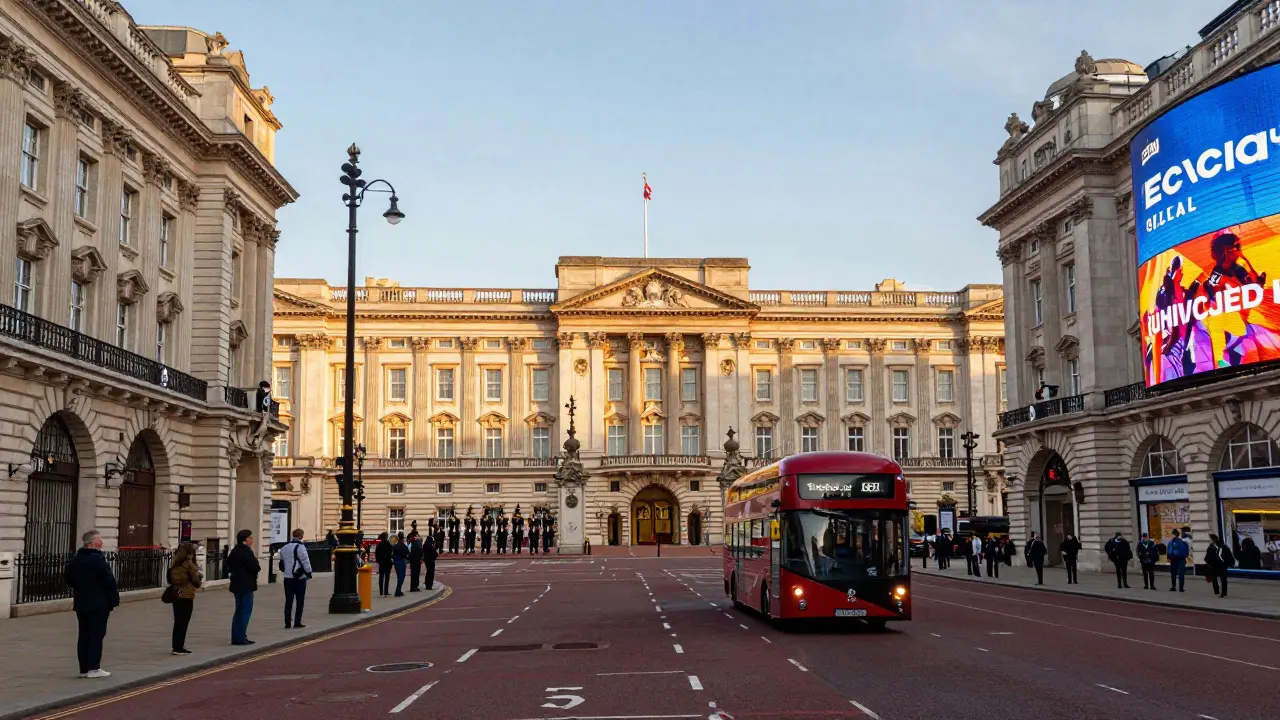
The Route 15 is particularly famous for passing directly in front of Buckingham Palace. If you visit between 11:30 AM and 12:00 PM on weekdays, you might catch the Changing of the Guard ceremony from the upper deck. It’s a unique perspective that ground-level tourists often struggle to secure due to crowd control barriers.
Practical Tips for Budget Travelers
To maximize your savings, use a contactless payment method like a credit card or smartphone wallet. Oyster cards are no longer necessary for basic travel, and contactless fares cap out at a daily limit, preventing overspending. Always aim for the upper deck if available; the view is worth the slight extra effort to climb the stairs. Check the real-time arrival apps before heading to the stop, as delays can happen during peak hours.
Avoid rush hour (7:30-9:30 AM and 5:00-7:00 PM) if possible. During these times, buses are packed with commuters, leaving little room for tourists to stand or enjoy the view. Mid-morning or early afternoon is ideal. Also, be mindful of local etiquette. Keep noise levels down, as many commuters use the bus to work or read. A quick smile or nod goes a long way in gaining tolerance for taking up space with your camera or map.
Frequently Asked Questions
Is it safe to take a bus alone in London?
Yes, London buses are generally very safe. They operate throughout the day and night, with frequent stops in well-lit areas. Keep your valuables close, just as you would in any crowded public place, but crime rates on buses are low compared to other forms of transport.
Can I pay with cash on London buses?
No, cash is not accepted on most London buses. You must use a contactless card, mobile device, or Oyster card. Make sure your payment method is ready before boarding to speed up the process.
Which bus route has the best view of Big Ben?
Routes 4, 11, and 15 all pass near Big Ben and the Houses of Parliament. Route 15 is particularly good because it approaches from the east, giving a clear frontal view before turning toward Piccadilly Circus.
Are London buses accessible for people with disabilities?
Yes, nearly all London buses are wheelchair accessible with ramps and designated priority seating. The driver can lower the ramp upon request. However, note that older routes or specific heritage lines may have limited access, so check the TfL website for specific route details.
Do I need a ticket to ride a London bus?
You don't need a physical paper ticket. Simply tap your contactless card or mobile device on the yellow reader when you board. There is no need to tap again when you exit, unlike on the Tube or DLR.