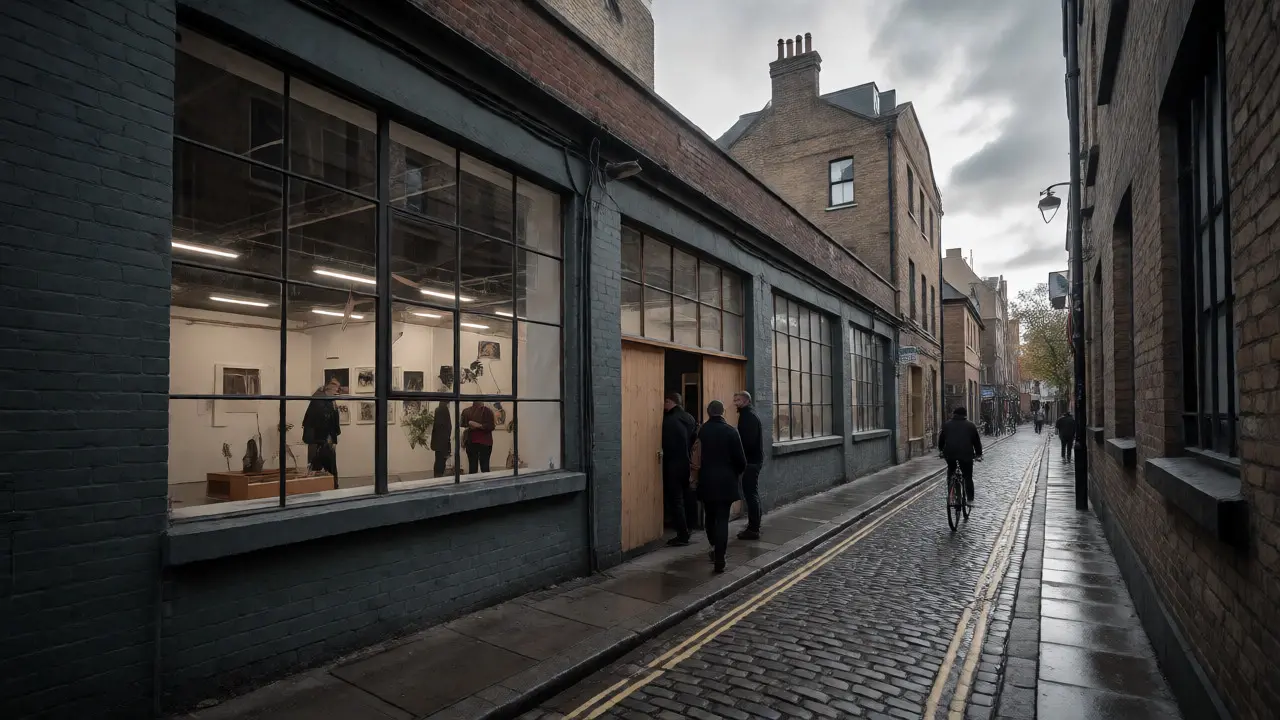
You know that feeling when you walk into the Tate Modern or the National Gallery and realize you’re just one face in a sea of thousands? It’s overwhelming. You can’t really see the art because you’re too busy dodging selfie sticks and tour groups. If you want to actually connect with a painting or a sculpture without fighting for elbow room, you need to look smaller. I’m talking about the independent spaces tucked away in side streets, converted warehouses, and historic townhouses where the curator might actually talk to you.
London's independent art galleries are a different beast entirely from the big institutions. These aren't just places to hang pictures; they are active ecosystems for emerging talent, experimental media, and niche historical collections. Unlike the major museums, which operate on massive government funding and corporate sponsorships, these small venues often run on passion projects, private patronage, and sheer grit. They offer a raw, unfiltered view of what is happening in the art world right now, not what was popular twenty years ago. Visiting them isn't just about seeing art; it's about witnessing the pulse of London's creative community.
Why Go Small?
The biggest advantage of visiting a small gallery is intimacy. In a space like White Cube (yes, even their smaller outposts) or a tiny spot in Bermondsey, you can stand in front of a work for ten minutes without someone asking if you're blocking their photo. The curation is often more daring, too. Big museums have to please millions of visitors and grant committees. A small director in Hackney can take a risk on an artist who uses sound, smell, or dirt as their medium, simply because they believe in the vision.
There’s also the discovery factor. You will find artists here who haven't been sanitized by the mainstream market yet. Maybe it’s a ceramicist exploring the intersection of technology and clay, or a painter working exclusively with natural pigments found in London parks. These spaces are incubators. If you follow these galleries now, you might be able to say you knew the artist before they were famous. Plus, many of these spots are free to enter, making them accessible to everyone, not just those with expensive tastes.
Top Picks for Contemporary Edge
If you want to see what’s cutting edge, head east. The concentration of independent galleries in areas like Shoreditch, Hoxton, and Bermondsey is unmatched in Europe. One standout is Thaddaeus Ropac's smaller project spaces, but don't ignore the truly local heroes. Take Mariane Ibrahim in Mayfair-it’s technically central, but it feels intimate and focused, specializing in photography and video art that challenges how we see reality. Their shows are tight, well-researched, and rarely crowded.
For something grittier, try The Approach in Dalston. This gallery has a reputation for showcasing young, international artists who are pushing boundaries in installation and mixed media. The vibe is casual, almost club-like, which makes it less intimidating than a white-walled institution. You might catch a performance piece or a late-night opening where the drinks are cheap and the conversation is lively. It’s a great place to start if you feel intimidated by "high art."
Historic Houses with Hidden Collections
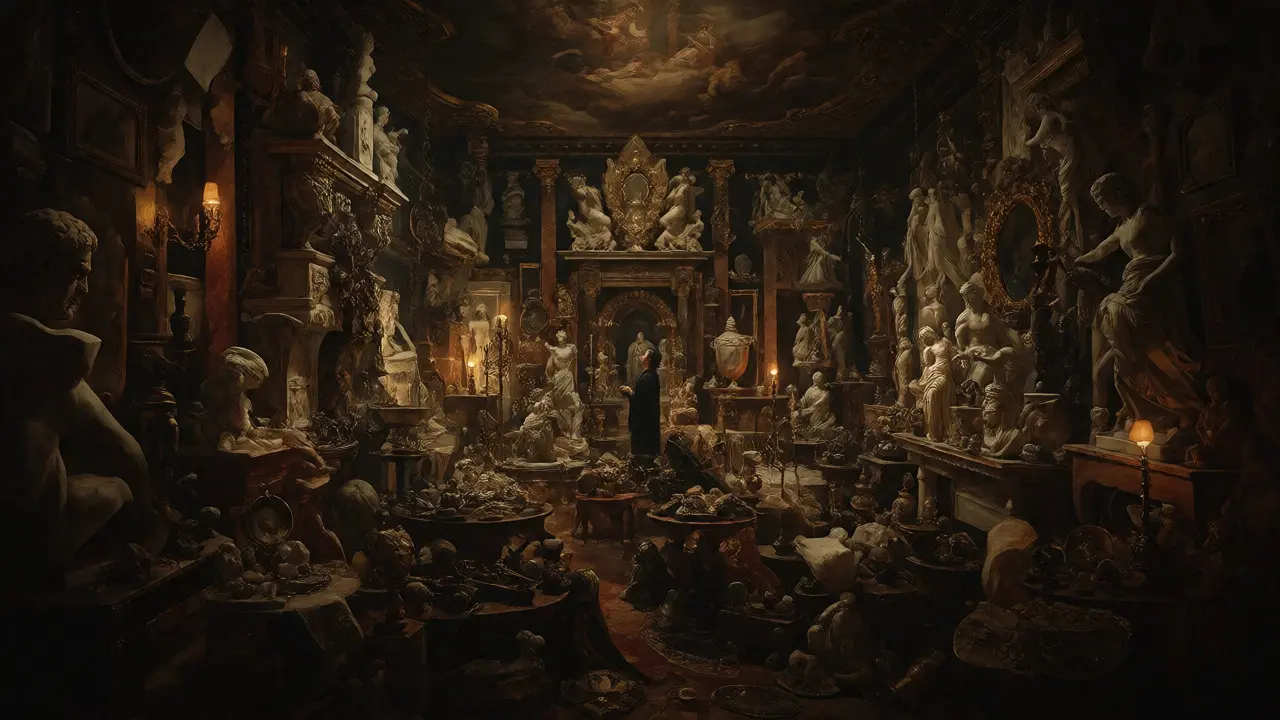
Not all small galleries are about new media. Some are preserved time capsules that happen to display incredible art. Sir John Soane’s Museum in Holborn is the ultimate example. It’s not a gallery in the traditional sense, but it functions like one. Soane, a famous architect, left his house exactly as he died in 1837. Walking through it is like stepping into a fever dream of antiquities, paintings, and architectural fragments. The lighting is dim, the rooms are cluttered, and every corner reveals something unexpected. It requires booking a slot, but it’s worth it for the sheer uniqueness of the experience.
Another gem is Freud Museum London in Hampstead. Sigmund Freud’s study is still there, untouched, along with his collection of antiquities. But upstairs, they host rotating exhibitions of modern art that dialogue with psychoanalysis and memory. It’s a quiet, contemplative space surrounded by gardens. You can sit on a bench outside after your visit and think about what you saw. It’s a slower pace, perfect for a Sunday afternoon.
Comparison of Key Independent Venues
To help you plan your route, here is a quick breakdown of some top spots based on location, focus, and accessibility.
| Gallery Name | Location | Art Focus | Entry Cost | Best For |
|---|---|---|---|---|
| The Approach | Dalston/East London | Emerging International Artists | Free | Casual vibes, discovering new talent |
| Sir John Soane’s Museum | Holborn/Central | Antiquities, Architecture, Paintings | Donation-based/Booking required | History buffs, atmospheric experiences |
| Mariane Ibrahim | Mayfair/Central | Photography and Video Art | Free | Visual storytelling, digital media fans |
| Serpentine Sackler Gallery | Kensington Gardens/West | Contemporary, Large-scale installations | Free | Combining park walks with high art |
| Cabinet Gallery | Southwark/South | Textiles, Craft, Design | Free | Design enthusiasts, craft lovers |
Navigating the Scene Like a Local
Here is a pro tip: most of these galleries operate on similar hours. They usually open between 10 AM and 6 PM, Tuesday to Saturday. Sundays are hit-or-miss, so check online before you go. Many close completely on Mondays. If you want to maximize your day, group them by neighborhood. An East London crawl could include The Approach, then walking over to Pippy Houldsworth Gallery in Shoreditch, and finishing at Lisson Gallery’s secondary space if it’s open.
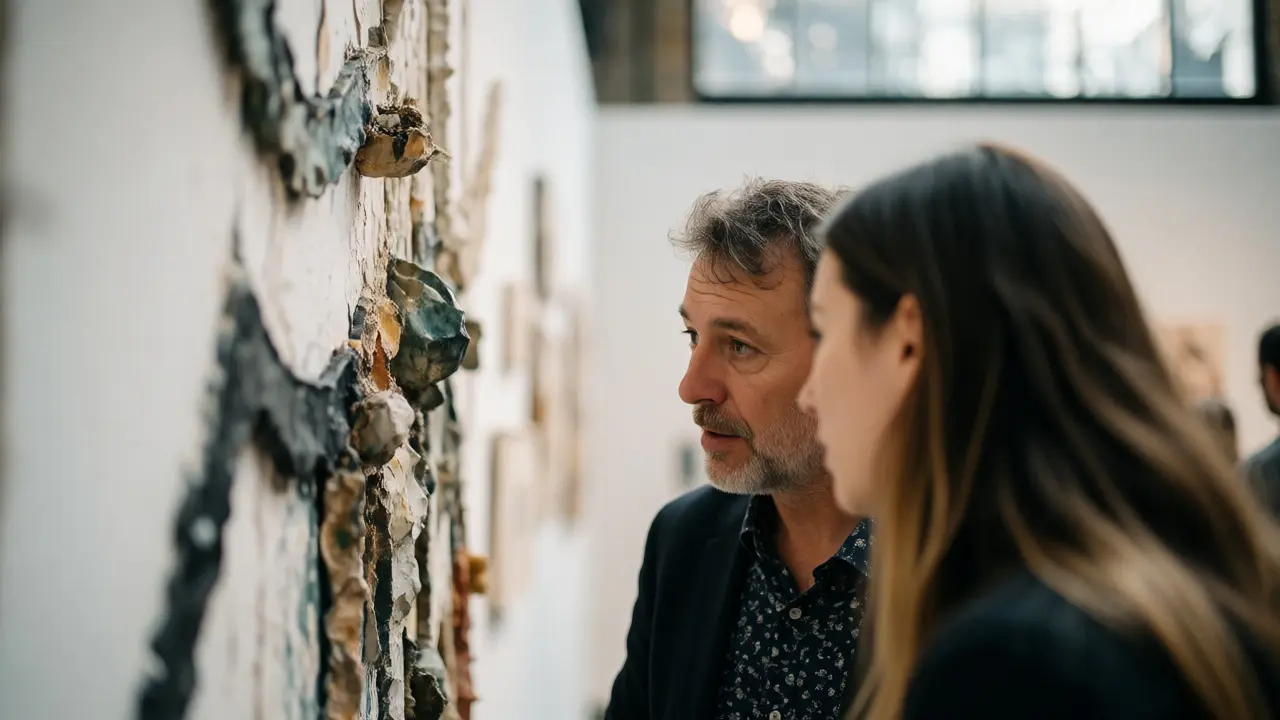
Don’t be afraid to ask questions. The staff at these places are often curators or assistants who worked directly on the exhibition. Ask them, "What was the hardest part of installing this piece?" or "Is this artist showing elsewhere in London soon?" You’ll get insights you won’t find in any guidebook. Also, keep an eye out for "Open Studios" events, particularly in September during Open House London or in summer. During these times, artists open their actual workshops to the public, giving you a behind-the-scenes look at the messy, chaotic process of creation.
Pitfalls to Avoid
One common mistake is assuming all small galleries are free. While many are, some charge for entry or require donations. Always check the website. Another issue is timing. If you arrive five minutes before closing, you might be rushed out. Try to go mid-week mornings if you want silence, or Friday evenings if you want energy. Avoid bank holidays unless you’ve checked specifically, as some independent venues close down completely while the big museums stay open.
Also, respect the space. No flash photography is standard, but sometimes they ban phones entirely. Read the signs. And if there’s a guest book, sign it. It helps these small businesses track their footfall and secure future funding. Your signature matters more than you think.
Are small art galleries in London free to visit?
Most independent commercial galleries in London are free to enter. However, some non-profit spaces or historic house museums, like Sir John Soane’s Museum, may charge a small fee or ask for a donation. Always check the specific venue's website before visiting, especially for special exhibitions which might carry a ticket price.
Which area of London has the most independent galleries?
East London, particularly neighborhoods like Shoreditch, Hoxton, Dalston, and Bermondsey, has the highest concentration of independent and contemporary art galleries. This area is known for its vibrant arts scene, lower rents compared to Mayfair, and a strong community of emerging artists and collectors.
Can I buy art at these small galleries?
Yes, most independent galleries are commercial entities designed to sell works. Prices vary widely depending on the artist's career stage. You can often speak directly with the gallery manager about pricing, payment plans, and shipping options. Buying from small galleries supports the artists and the local ecosystem directly.
Do I need to book tickets in advance?
For most free commercial galleries, no booking is needed; you can just walk in. However, historic house museums or very small spaces with capacity limits (like parts of the Freud Museum or Soane's) often require timed ticket bookings online. Check ahead to avoid disappointment.
What are "Open Studios" and when do they happen?
Open Studios are events where artists invite the public into their working spaces to see art in progress. Major events occur during Open House London (usually September) and various district-specific weekends throughout the year. It’s a great way to meet artists personally and see work that hasn't been curated for a gallery wall yet.