You know the drill. You book tickets for the British Museum, a world-famous museum in London holding a vast collection of human history and culture. You arrive at Russell Square. The queues snake around the block. The air conditioning struggles against the body heat of thousands of tourists. You spend three hours walking past glass cases, your feet throbbing, trying to see everything and seeing nothing.
It doesn't have to be this way. London’s cultural scene isn’t just about the big hitters. In fact, some of the most memorable experiences happen in spaces so small you could hold them in your hands. These are the places where you can actually talk to the curator, read every label, and leave feeling inspired rather than exhausted. And here is the best part: many of these tiny treasures are hiding in plain sight, often just a five-minute walk from the mega-attractions everyone else is fighting to get into.
Why Go Small When You Can Go Big?
Let’s be honest. Visiting a massive institution like the National Gallery or the Tate Modern is a logistical challenge. It requires stamina, planning, and a high tolerance for crowds. Small museums offer a different value proposition entirely. They provide intimacy. You aren’t competing with school groups for a view of a painting. You aren’t dodging selfie sticks in narrow corridors.
These venues often focus on hyper-specific niches. One might cover the history of policing in one district; another might dedicate its entire existence to a single type of Victorian furniture. This specificity allows for deeper storytelling. You learn more about a specific era or craft in thirty minutes than you would skimming through a general history wing. Plus, most of these places are free or charge a nominal fee, keeping your travel budget intact for a proper pub lunch afterward.
The Detective’s Den: Sir John Soane’s Museum
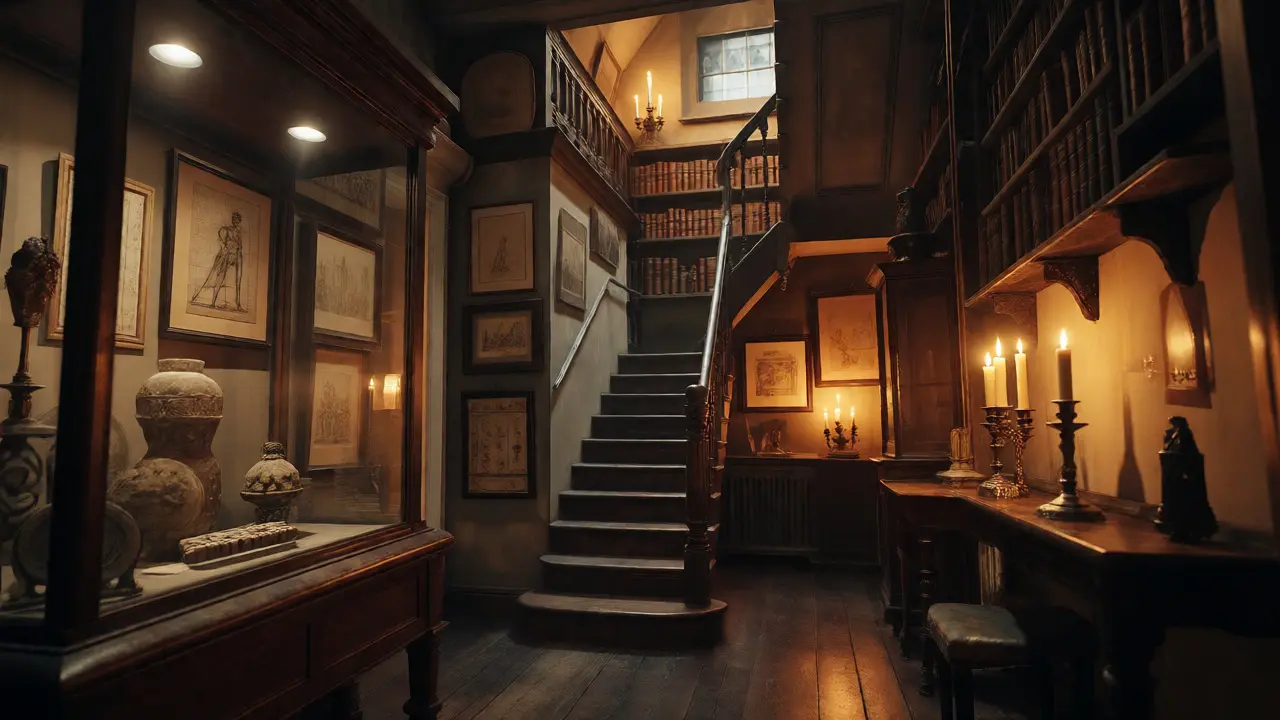
If you find yourself near the British Museum, do not walk away without visiting Sir John Soane’s Museum, the preserved townhouse of architect Sir John Soane, filled with his eclectic art collection. Located at 13 Lincoln’s Inn Fields, it is literally across the street from the main entrance of the British Museum.
This isn’t a museum in the traditional sense. It was Soane’s actual home. He kept it exactly as he left it upon his death in 1837. Walking through it feels like stepping into a time capsule. The architecture itself is the exhibit. Soane designed the rooms to manipulate light and space, creating dramatic effects that still feel modern today. You will see the famous Rosetta Stone cast (the original is next door), but you will also see hundreds of drawings, antiquities, and Hogarth paintings crammed into tight, atmospheric spaces.
Pro Tip: Check the schedule for their candlelit tours. Seeing the house by candlelight transforms the experience completely. It’s eerie, beautiful, and utterly unique to London.
The Literary Escape: Charles Dickens Museum
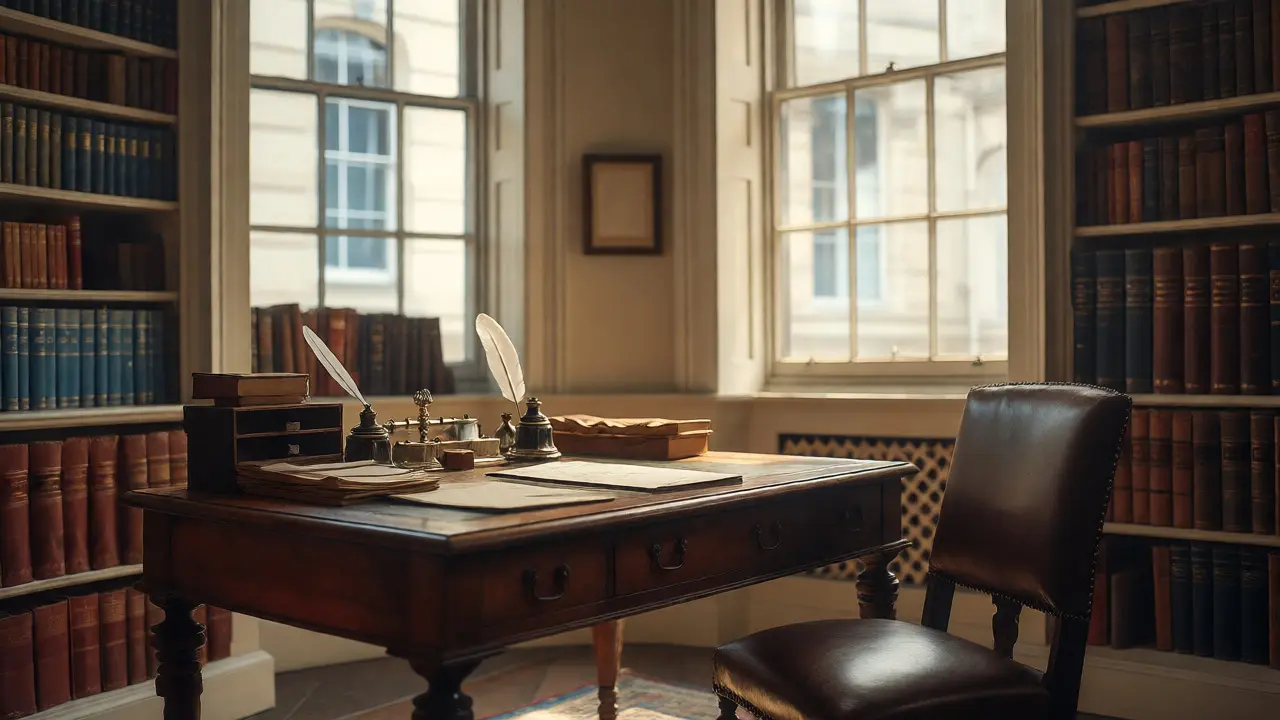
Head east toward King’s Cross and St Pancras International. While millions rush through these transport hubs, a quiet gem sits nearby at 48 Doughty Street. The Charles Dickens Museum, a historic house where author Charles Dickens wrote Oliver Twist and Nicholas Nickleby offers a stark contrast to the chaotic energy of the stations.
Dickens lived here from 1837 to 1839. It was during this period that he wrote some of his most famous works. The museum has meticulously restored the interior to reflect how it looked when Dickens was alive. You can sit in the chair where he wrote. You can see his inkstands and his first edition books. For fans of literature, this is pilgrimage-level important. But even if you haven’t read a word of *Great Expectations*, the atmosphere is compelling. It’s a quiet, respectful space that honors the power of words.
Unlike the sprawling galleries downtown, you can tour the entire house in under an hour. It leaves plenty of time to grab coffee in the nearby Bloomsbury area, which retains a scholarly charm despite the heavy foot traffic.
The Medical Marvel: Hunterian Museum
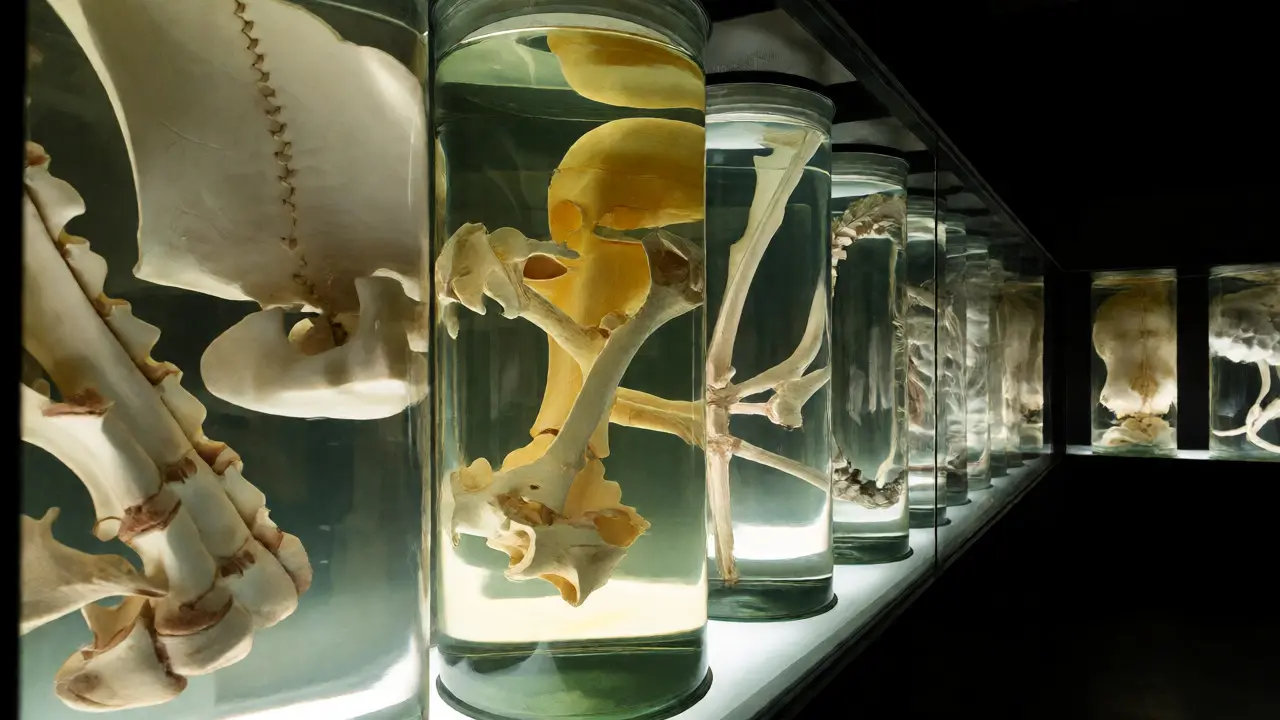
Just a short hop from Covent Garden and the West End theatres lies the Hunterian Museum, a medical and anatomical museum operated by the Royal College of Surgeons. Housed within the Royal College of Surgeons, this place is not for the faint-hearted, but it is fascinating.
John Hunter, a pioneering surgeon, collected over 14,000 specimens during his lifetime. Many of these are preserved in jars. Yes, jars. We’re talking about everything from the skeleton of the Irish Giant, Charles Byrne, to rare animal specimens and pathological curiosities. After a major renovation completed in 2021, the displays are sleeker and more contextualized, but the core shock factor remains.
It’s a strange juxtaposition: standing in the heart of luxury shopping and theatre land, looking at a jar containing a two-headed calf. It grounds you. It reminds you that London has always been a city of extremes-wealth and poverty, beauty and grotesque reality. If you’ve just seen a glitzy musical, this is the perfect palate cleanser.
The Maritime Micro-Museum: Cutty Sark Gardens
Most people go to Greenwich to see the Old Royal Naval College or the Prime Meridian. They miss the smaller, more personal stories happening right next to the clipper ship Cutty Sark.
While the Cutty Sark itself is a large attraction, look down. Beneath the hull, there is a gallery that tells the story of tea and trade. But step further out into the gardens. There are small interpretive centers and exhibits detailing the lives of the sailors who worked these ships. It’s less about the grand narrative of empire and more about the daily grind of life at sea. The scale is manageable. You can engage with the stories of individual sailors, reading their logs and seeing their tools. It adds a human layer to the massive industrial machinery of maritime history.
Comparison: Big vs. Small Museums
| Feature | Major Attractions (e.g., British Museum) | Small Hidden Gems (e.g., Soane’s) |
|---|---|---|
| Average Visit Duration | 3-5 Hours | 45 Minutes - 1 Hour |
| Crowd Level | High / Overwhelming | Low / Intimate |
| Focus | Broad History / Global Art | Niche Subject / Specific Era |
| Cost | Free Entry (Paid Special Exhibits) | Free or Low Cost (£5-£10) |
| Experience Type | Overstimulating / Educational | Relaxing / Curious |
How to Spot a Good Small Museum
Not every small venue is worth your time. Some are dusty rooms with poor lighting and no staff. How do you tell the difference before you walk in? Look for these signals:
- Specialization: Does the museum have a clear identity? A museum dedicated to "London Plumbing" is better than a vague "Local History Room." Specificity suggests passion and curation.
- Accessibility: Is it easy to get to? The best small museums are integrated into the urban fabric, not isolated in industrial estates.
- Staff Engagement: Are there volunteers or staff present? In small museums, the staff are often enthusiasts. Ask them questions. Their enthusiasm is a good barometer for the quality of the visit.
- Recent Updates: Check their website for recent renovations or new exhibitions. A static museum hasn’t changed since 1990. A dynamic one evolves.
Practical Tips for Your Mini-Museum Tour
Planning a day around these spots requires a slight shift in mindset. You aren’t ticking off boxes; you’re collecting moments.
Start early. Small museums open later than the big ones sometimes, but they also close earlier. Sir John Soane’s, for example, closes at 5 PM. If you sleep in, you’ll miss it. Pair these visits with nearby food spots. The area around the Hunterian Museum has excellent cafes. The neighborhood around the Dickens Museum is full of independent bookshops and bakeries.
Also, check for free entry days. Most of these institutions rely on donations or grants. While they don’t always have strict "free days" like the National Gallery, they often have suggested donation models. Bring cash. It’s easier to drop £5 in a box than fiddle with contactless payments when you’re leaving quietly.
Finally, combine them geographically. Don’t try to hit five small museums across the city in one day. Pick a zone. Do the Bloomsbury trio (Soane’s, Dickens, and maybe the Freud Museum if you have energy). Or stick to South Bank and Greenwich. Grouping them saves transit time and keeps the day relaxed.
Frequently Asked Questions
Are small museums in London free?
Many are free, such as Sir John Soane’s Museum and the Hunterian Museum, though they may request donations. Others, like the Charles Dickens Museum, charge a modest entry fee (usually around £12-£15 for adults) to help maintain the historic building and collections. Always check the specific venue's website for current pricing, as special exhibitions may cost extra.
Do I need to book tickets in advance for small museums?
Generally, no. Unlike major attractions that require timed slots, most small museums allow walk-ins. However, for very popular times like weekends or holidays, booking online can guarantee entry and skip any potential queue. It is also wise to book ahead for special events like candlelit tours at Soane’s.
Which small museum is best for children?
The Hunterian Museum can be too intense for young children due to the anatomical specimens. For kids, the Charles Dickens Museum is engaging if they enjoy storytelling, but the interactive elements are limited. A better option might be the Horniman Museum (though slightly larger) or the Postal Museum near King’s Cross, which has a fun underground ride. For truly small venues, check if the local library or community museum has family activities.
Can I take photos inside these museums?
Policies vary. Sir John Soane’s Museum generally allows photography without flash. The Hunterian Museum usually permits photography for personal use but bans tripods. The Charles Dickens Museum may restrict photography in certain sensitive areas to preserve artifacts. Always look for signage or ask a volunteer before snapping pictures.
What is the best time to visit to avoid crowds?
Weekday mornings are consistently the quietest times for all London museums. Mid-afternoon on Tuesdays and Wednesdays is also a sweet spot. Avoid bank holidays and summer weekends if you want that intimate, empty-gallery experience. Evening openings, if available, can also offer a peaceful atmosphere after work hours.