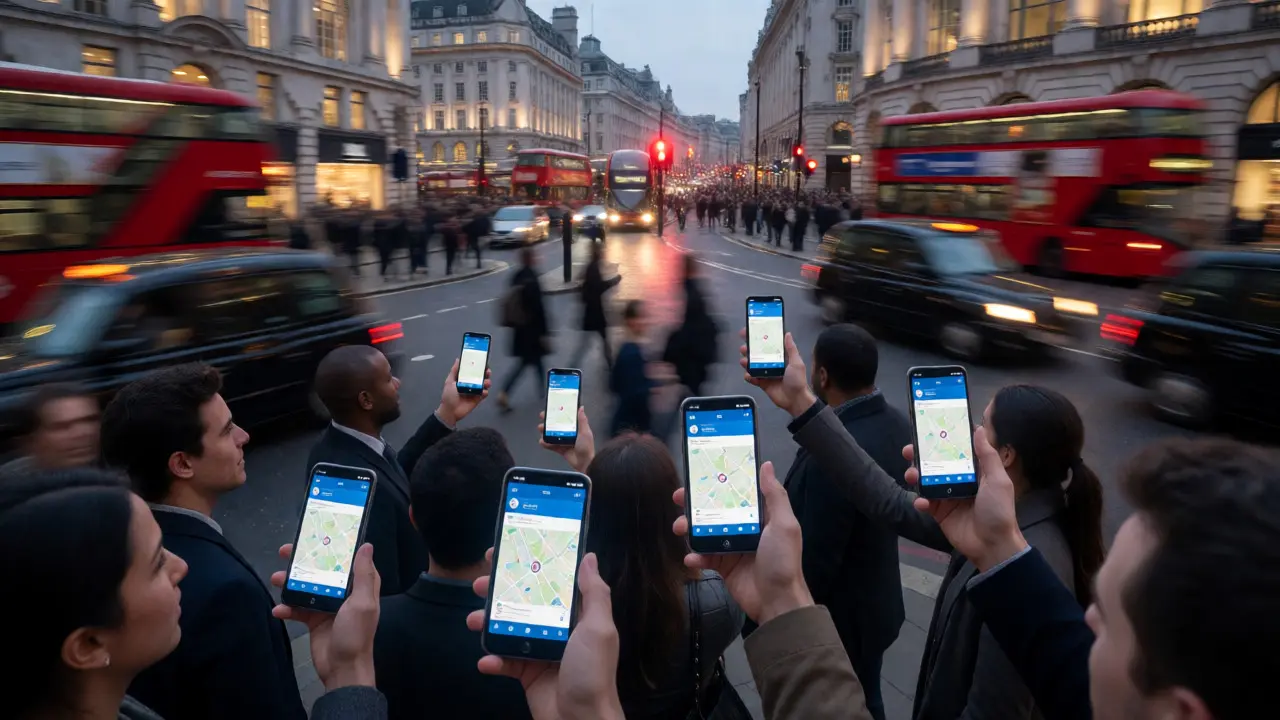
Trying to keep up with London can feel like trying to drink from a fire hose. One minute there’s a tube strike, the next a pop-up market appears in Shoreditch, and by evening, you’re wondering if that ‘free’ event is actually just a trap for tourists. The city moves fast, and traditional news sources often lag behind the real-time pulse of what’s happening on the ground.
You don’t need to scroll through hundreds of irrelevant posts to find out where to eat, how to get around, or what’s trending. You just need the right signals. Whether you are a resident trying to navigate the commute or a visitor planning a weekend trip, curating your feed is the single best hack for mastering London updates. We’ve filtered out the noise to bring you the accounts that actually deliver value, not just pretty pictures.
Why Curate Your Feed Instead of Relying on News Alerts?
News alerts are binary: something happened, here is the headline. Social media, when curated correctly, provides context. It tells you not just that a museum has a new exhibition, but whether it’s worth the queue. It doesn’t just say the Central Line is down; it shows you the crowd density at Holborn so you can decide if you should walk instead.
The difference lies in specificity and immediacy. Official channels are often cautious, waiting for confirmation before posting. Community-driven accounts and local influencers are already there, posting live. For a city as complex as London, this real-time layer is invaluable. It turns passive consumption into active navigation.
Real-Time Transport and City Operations
If you spend any time commuting, you know that official apps are helpful, but they aren’t always accurate in the moment. They might tell you a train is delayed, but they won’t tell you which carriage is empty or if the escalator at King’s Cross is broken again.
TfL Go is the obvious starting point, but its social presence is surprisingly reactive. However, for the gritty reality of travel, you want accounts that offer visual proof. TfL (Transport for London) is the central entity governing all public transport in Greater London. Its X (formerly Twitter) account is essential for major disruptions, but it can be dry.
To supplement this, follow London Travel Watch on X. This account aggregates user reports about delays, signal failures, and overcrowding. It’s less about official announcements and more about collective intelligence. If three people tweet about a blockage at Waterloo, you believe them faster than an automated alert.
For those who prefer visuals, Instagram accounts like Tube Lines Info (a community favorite, though unofficial status varies) often post maps of current closures. During my last visit to the West End during a rail disruption, these accounts saved me forty minutes of standing on a platform while I decided whether to switch to a bus or walk.
Cultural Pulse: Events, Exhibitions, and Hidden Gems
London’s cultural scene is vast. You could spend a lifetime visiting every gallery and never see the same thing twice. But how do you know what’s open? What’s sold out? What’s actually good versus what’s just hyped?
Time Out London remains the heavyweight champion here. While their website is comprehensive, their Instagram stories are where the magic happens. They feature short, punchy clips of new exhibitions, restaurant openings, and free events. The key attribute here is curation: they filter the thousands of weekly listings down to the top ten things you actually have time for.
For a more niche, insider perspective, look at Secret London. This account focuses on hidden bars, speakeasies, and quirky locations that don’t make the mainstream tourist brochures. Their content is highly visual, relying on high-quality photography to sell the vibe. If you’re looking for a date spot or a quiet place to read, this is your go-to.
Don’t overlook Museum of London and similar institutional accounts. Even if you haven’t visited recently, following them keeps you updated on special late-night openings or exclusive member previews. These accounts often release tickets to hot events via their social channels before the general public gets access.
Food and Dining: Beyond the Michelin Stars
Eating in London is an adventure, but also a financial risk. A bad meal costs money; a great one is worth every penny. Food bloggers are everywhere, but many are paid to promote mediocre spots. You need accounts that maintain editorial integrity.
| Account Name | Platform | Primary Focus | Best For |
|---|---|---|---|
| The London Eater | X / Blog | Industry news, openings | Professionals & Insiders |
| London Foodies | Visual appeal, trends | Vacation Planning | |
| Eater London | X / Web | Critical reviews | Serious Diners |
| Street Feast | Markets, street food | Budget Eats |
Eater London is crucial for serious diners. Their tweets often include links to full reviews, but the snippets themselves give you enough to judge whether a new restaurant is worth the hype. They are critical, sometimes harsh, but rarely wrong.
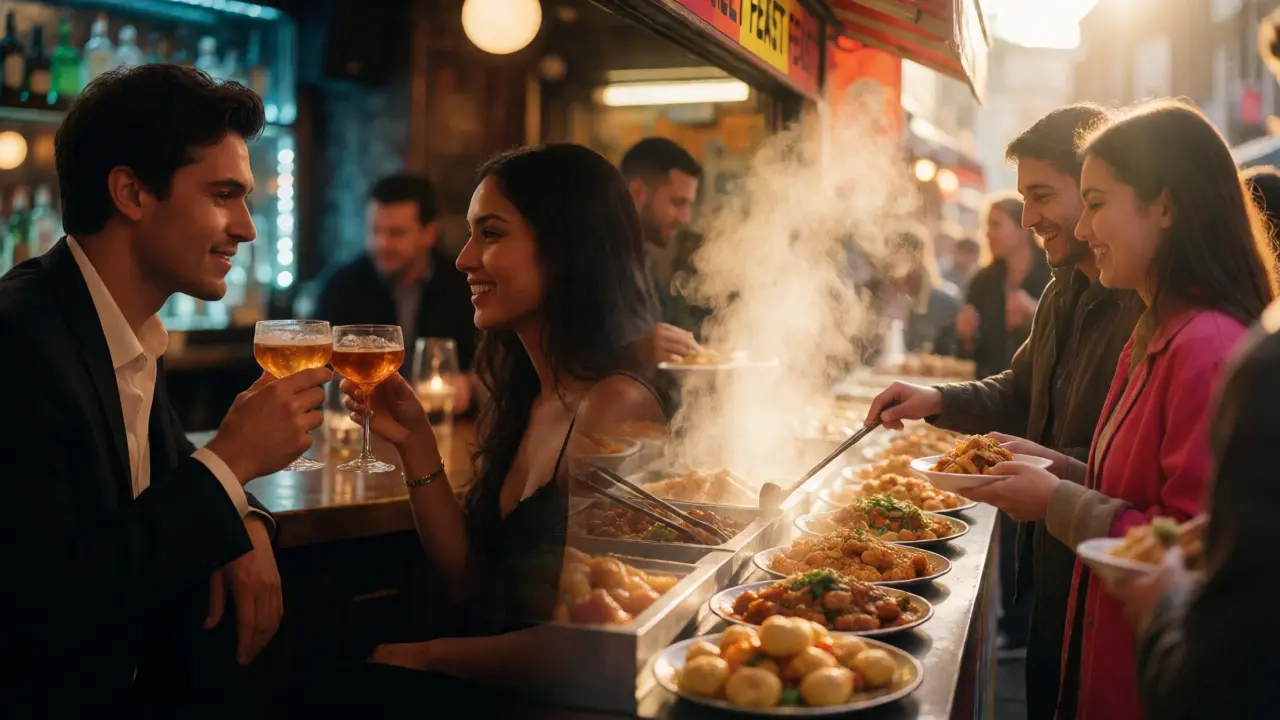
For casual dining, Street Feast is indispensable. London’s food markets-Borough Market, Camden Lock, Maltby Street-are chaotic. Street Feast posts daily updates on which stalls are open, what’s on sale, and even weather warnings (because eating outside in London rain is a specific kind of misery). Their Instagram reels show exactly what the food looks like, so you’re not surprised by portion sizes or presentation.
Weather and Outdoor Spaces
You cannot plan a day in London without checking the sky. The weather changes hourly, and parks are only enjoyable when the sun is out. While the Met Office app is accurate, it lacks the human element of knowing which park is actually pleasant today.
Follow Royal Parks on Instagram. They manage Hyde Park, Kensington Gardens, and Regent’s Park. Their posts highlight seasonal blooms, wildlife sightings, and event schedules. If they post a photo of deer in Richmond Park, you know it’s a good day for a walk. If they post photos of muddy paths, you’ll know to wear boots.
Additionally, local neighborhood accounts like Hackney Council or Camden Town often share hyper-local weather impacts, such as flooding risks or park closures due to wind damage. These are small details that save you from inconvenience.
How to Audit Your Current Follow List
Having the right accounts isn’t enough if your feed is cluttered. Here is a quick heuristic to clean up your digital life:
- The 3-Second Rule: If you can’t understand the value of a post within three seconds of seeing the thumbnail, unfollow.
- The Utility Check: Does this account help you save money, time, or stress? If not, archive it.
- The Freshness Test: If an account hasn’t posted relevant content in two weeks, mute them. London moves too fast for stale info.
I used to follow fifty different lifestyle bloggers. Now, I follow five core accounts for news, three for food, and two for transport. My screen time dropped, but my knowledge of the city improved. Quality beats quantity every time.
Frequently Asked Questions
Are these accounts still active in 2026?
Yes, the accounts listed above are currently active and maintained regularly. However, social media platforms change algorithms frequently. Always check the 'Last Post' date before relying on an account for urgent information.
Do I need both Twitter (X) and Instagram for London updates?
It depends on your needs. X is better for real-time text-based updates like transport strikes or breaking news. Instagram is superior for visual discovery, such as finding restaurants, art exhibitions, or scenic walking routes. Using both gives you a complete picture.
Can I trust influencer recommendations for restaurants?
Proceed with caution. Many influencers are paid partners. Look for accounts that disclose sponsorships clearly. Accounts like Eater London provide independent journalism, whereas individual bloggers may have biases based on free meals or partnerships.
What is the best way to get emergency alerts?
For emergencies, rely on official sources like TfL and the Metropolitan Police. Turn on push notifications for these specific accounts. Do not rely solely on influencers for safety-critical information, as their response times vary.
Are there accounts for specific neighborhoods?
Absolutely. Search for '[Neighborhood Name] + Guide' or '[Neighborhood Name] + Council'. Accounts like 'Shoreditch Life' or 'Notting Hill Gate' provide hyper-local insights that city-wide accounts miss, such as local construction projects or community events.
Next Steps for Your London Digital Toolkit
You now have a curated list of entities that define the modern London experience. But reading about them isn’t enough. You need to integrate them into your routine.
Start by creating a dedicated list on X called "London Live." Add TfL, London Travel Watch, and Time Out. Check this list once in the morning before leaving the house. On Instagram, create a collection folder named "London To-Do." Save posts from Secret London and Street Feast. When you have free time, browse this folder instead of scrolling aimlessly.
This system transforms social media from a distraction into a utility. You stop asking "What should I do today?" and start asking "Which of these great options fits my schedule?" That shift in mindset is what separates tourists from locals. Stay curious, stay connected, and let the city reveal itself to you, one post at a time.