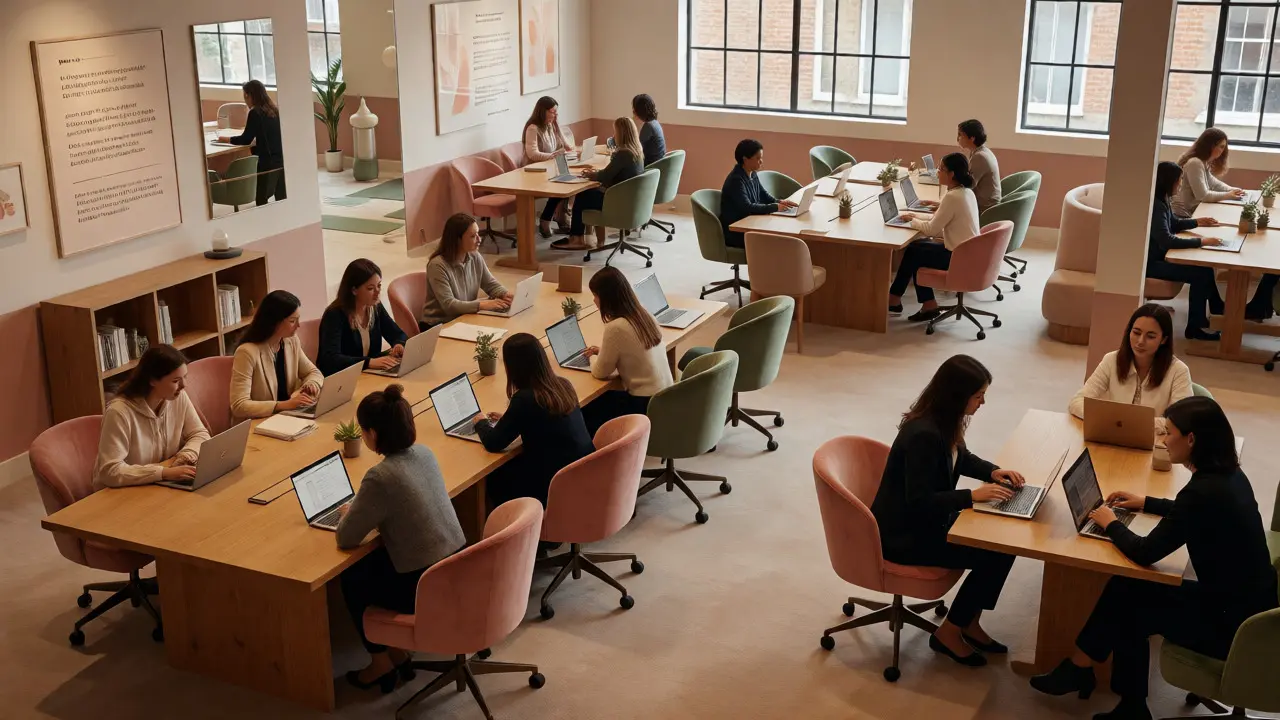
You’re sitting in a generic open-plan office, trying to focus on a pitch deck, but the vibe feels off. Maybe it’s the lack of understanding about balancing childcare with deadlines, or maybe it’s just that the room full of strangers doesn’t quite get your specific professional hurdles. If you’ve felt this friction, you aren’t alone. Many women in London are ditching traditional corporate setups and standard coworking chains for spaces built specifically around their needs. These aren’t just offices; they’re communities designed to support female founders, freelancers, and executives.
Finding the right women-focused co-working space is about more than just desk availability. It’s about safety, mentorship, and a network that actually understands your career trajectory. In London, the options have exploded, but quality varies wildly. Some offer luxury amenities, others prioritize affordability for startups, and a few focus heavily on wellness integration. This guide cuts through the noise to show you which spaces are worth your membership fee in 2026.
Why Choose a Female-Centric Workspace?
Let’s be honest: not every coworking space gets it right. A standard WeWork might have great Wi-Fi, but does it have a lactation room that isn’t a repurposed storage closet? Does it host events that don’t feel like a sales pitch disguised as networking? Women-centric spaces address these gaps directly. They often feature design choices that consider comfort and privacy, such as better soundproofing for calls or quiet zones for deep work, which are statistically harder to find in male-dominated tech hubs.
Beyond physical amenities, the social capital is different. When you walk into a place like The Wing or its local equivalents, you’re surrounded by peers who face similar challenges-imposter syndrome, funding bias, or navigating workplace politics. This shared context accelerates trust. You’re less likely to need to explain why you’re leaving at 4 PM for school pickup, because everyone else is doing the same thing. This psychological safety allows you to focus on growth rather than justification.
Top Picks for Central London Professionals
If your clients meet you in Shoreditch or Soho, location matters. You can’t waste two hours commuting just to feel supported. Here are three standout options that balance prestige, accessibility, and community strength.
The Wing remains a heavyweight contender. Although it faced financial turbulence globally, its London locations have stabilized under new management, focusing on a curated member experience. It’s expensive, yes, but you’re paying for access to high-profile speakers and a brand name that looks good on a CV. The aesthetic is polished-think plush velvet chairs and art installations that double as conversation starters. It’s ideal if you need a space that impresses potential investors.
For those who prefer a grittier, more entrepreneurial vibe, check out Outpost Club. While not exclusively female, its London branches have a significantly higher ratio of women members compared to mainstream chains, largely due to their flexible booking system and strong community moderation. They actively curate events around women in business, making them a practical choice for freelancers who need flexibility without sacrificing connection.
Then there’s Soho House. Technically a private members’ club, many women use it as a de facto coworking space. The barrier to entry is higher (membership fees are steep), but the facilities are unmatched. You get a library-style quiet zone, excellent food service, and a bar area that transitions seamlessly from work to evening networking. It’s best for established professionals who value discretion and luxury over startup scrappiness.
Affordable Options for Startups and Freelancers
Not everyone has £300+ a month to burn on a desk. If you’re bootstrapping a business or working as a junior freelancer, you need value. Fortunately, London has several budget-friendly hubs that still prioritize community.
Women’s Work Collective operates out of smaller, neighborhood-based locations in areas like Brixton and Hackney. Their model is hybrid: part coworking, part mentorship program. Membership includes access to workshops on pricing your services and negotiating contracts-skills that are often overlooked in general business education. The desks are basic, but the support structure is robust.
Another gem is Commonplace, which focuses on creative industries. While not strictly gender-exclusive, their programming heavily features women-led projects and exhibitions. If you’re in design, fashion, or media, this is where you’ll find collaborators who speak your language. Prices are competitive with standard coworking rates, but the cultural fit is much stronger.

Wellness-Integrated Hubs
Burnout is real. One trend gaining traction in 2026 is the integration of wellness into the workspace. These spaces recognize that productivity isn’t just about time management; it’s about energy management.
Core Life combines fitness classes with coworking pods. Imagine finishing a morning sprint meeting and then having a yoga class downstairs before switching to afternoon emails. It’s seamless. For women juggling high-stress jobs, having movement built into the workday reduces cortisol levels and improves focus. Locations in Canary Wharf and Marylebone cater to corporate professionals looking to reclaim their health.
Comparison Table: Choosing Your Space
To help you decide, here’s a breakdown of key attributes. Remember, "best" depends on your current career stage and budget.
| Space Name | Monthly Cost (Approx.) | Primary Vibe | Best For | Key Feature |
|---|---|---|---|---|
| The Wing | £250 - £400 | Luxury / Prestige | Executives & Investors | High-end branding & events |
| Women’s Work Collective | £100 - £180 | Supportive / Educational | Freelancers & Startups | Mentorship programs |
| Soho House | £400+ | Exclusive / Social | Creative Directors | Food & drink included |
| Core Life | £200 - £300 | Health-Conscious | Corporate Wellness Seekers | On-site gym/yoga integration |
| Outpost Club | Pay-as-you-go | Flexible / Practical | Digital Nomads | No long-term contract |

How to Evaluate a Space Before Joining
Don’t sign a yearly contract after a ten-minute tour. Do your homework. First, visit during peak hours-Tuesday at 11 AM is usually busy. Check the noise levels. Can you hear the person three desks away typing loudly? If you’re on calls all day, this will drive you crazy.
Second, ask about the community mix. Is it mostly students? Corporate remote workers? Founders? You want peers who can potentially collaborate with or hire you. Third, test the amenities. Try the coffee machine. Is it broken? Are the bathrooms clean? These small details reveal how well the space is managed. Finally, attend one free event. See if you click with the people. Chemistry matters more than square footage.
Final Thoughts on Making the Switch
Switching to a women-focused space isn’t just a lifestyle upgrade; it’s a strategic career move. You’re buying access to a network that champions your success. Whether you choose the polish of The Wing or the grassroots energy of Women’s Work Collective, the goal is to find an environment where you can do your best work without fighting against the grain.
Start with a day pass. Most of these places offer trial periods. Use them wisely. Bring your laptop, schedule a call, and see if the space supports your workflow. If you leave feeling energized rather than drained, you’ve found your spot.
Are women-only coworking spaces legal in the UK?
Yes. Under the Equality Act 2010, businesses can provide services tailored to a protected characteristic, such as sex, if it helps overcome disadvantage or meets specific needs. As long as the space is open to all genders for general use but offers specific benefits or areas for women, or is marketed primarily to women while remaining inclusive, it is generally compliant. However, strictly excluding men entirely requires careful legal framing, so most spaces operate as "women-led" or "women-centered" rather than strictly exclusive.
Can I bring male colleagues to meetings in these spaces?
In most cases, yes. While the community and marketing target women, the actual policy usually allows guests of any gender for meetings. You typically need to register them as visitors. However, some spaces may restrict access to certain lounges or event areas to members only. Always check the guest policy of the specific hub before inviting a large mixed-gender team.
What is the average cost for a hot desk vs. dedicated desk?
In London, a hot desk (where you sit anywhere available) typically ranges from £150 to £250 per month. A dedicated desk (your own assigned spot) costs between £250 and £450. Private offices for small teams start around £500+. Prices vary significantly based on location; central zones like Shoreditch and Mayfair command higher premiums than outer boroughs like Croydon or Woolwich.
Do these spaces offer childcare facilities?
Very few coworking spaces in London have on-site childcare. Some, like certain branches of The Wing or specialized family-friendly hubs, may have a play corner or nursing room, but full daycare is rare. Members usually rely on nearby nurseries. If childcare is critical, look for spaces located near reputable nurseries or those offering discounts with local providers.
Is networking really better in women-focused spaces?
Anecdotally, yes. Studies suggest that women often build deeper professional bonds in environments where they feel psychologically safe. The shared experience of navigating gender-specific workplace challenges creates instant rapport. However, diversity within the space matters too. Look for hubs that actively recruit members from various industries and backgrounds to avoid echo chambers.