You have a free Saturday, but your bank account says "stay home." Sound familiar? You don’t need a luxury hotel or a plane ticket to see something new. In fact, some of the best experiences within reach of London cost less than a takeaway dinner. The trick isn't spending less on the destination; it's choosing the right transport and timing your visit to avoid peak pricing.
This guide cuts through the noise of expensive tour packages. We are looking at places you can reach in under three hours, where the entry fee is low or zero, and where the vibe is genuinely worth the trip. Whether you want history, nature, or just a change of scenery without the price tag, these destinations fit the bill.
Why Your Wallet Hates Weekends (And How to Fix It)
The biggest mistake travelers make is assuming that "affordable" means "crowded and rushed." Actually, the most budget-friendly trips often involve avoiding the Sunday afternoon rush. If you take a train or bus early in the morning, you get better light for photos, quieter streets, and often lower fares if you book off-peak.
Transport is usually the largest chunk of your day trip budget. Here is the golden rule: compare rail vs. coach. For distances under 50 miles, a National Express or Megabus ticket is frequently cheaper than a train, even if it takes an hour longer. For longer distances, look for split-fare tickets or advance purchase deals on train operators like South Western Railway or Thameslink. Always check if a contactless card payment on the train costs more than a pre-booked ticket; in many cases, it does.
| Destination | Mode of Transport | Approx. Cost (£) | Travel Time |
|---|---|---|---|
| Oxford | National Express Coach | £15 - £25 | ~2.5 hours |
| Bath | South Western Railway (Advance) | £30 - £45 | ~1.5 hours |
| Cambridge | Thameslink Train | £18 - £25 | ~1 hour |
| York | LNER Train (Advance) | £35 - £50 | ~2 hours |
Oxford: Punting Without the Premium
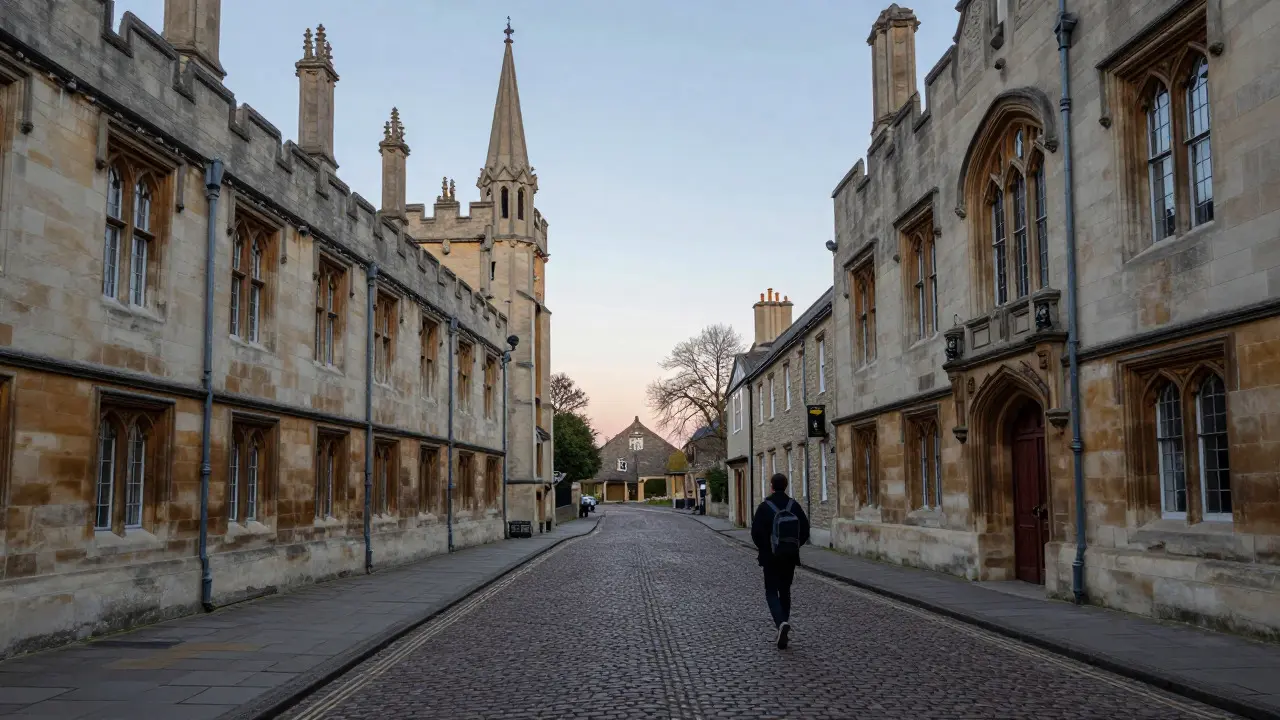
Oxford is a historic university city known for its medieval colleges and academic heritage. Most people think visiting Oxford means paying top dollar for a guided college tour. But you can experience the essence of the city for almost nothing. The colleges themselves charge admission fees, often around £10-£15 each, which adds up fast. Instead, focus on the exterior architecture. The spires, the stone facades, and the riverfront are free to view and photograph.
If you want to do a punt, skip the tourist traps near Brasenose College. Walk further along the Cherwell River towards Iffley Lock. Local punting companies there offer similar experiences at lower rates, and the crowds are significantly thinner. For lunch, avoid the high-street cafes on High Street. Head to the covered market area or the student districts near Radcliffe Square, where you’ll find excellent value meals under £15. Don’t forget to walk the Covered Market street; it’s lively, atmospheric, and free.
Bath: Georgian Elegance on a Shoestring
Bath is a World Heritage Site famous for its Roman baths and elegant Georgian architecture. Yes, the Roman Baths cost money (around £25+). But do you need to go inside to enjoy Bath? Not really. The city center is a visual feast. The Royal Crescent and the Circus are iconic, and standing outside them gives you the full photographic impact without the ticket price. The Pulteney Bridge is another free gem, offering great views over the River Avon.
For a unique perspective, climb to the viewpoint at the top of the hill behind the Royal Crescent. It’s a short, steep walk, but the panoramic view of the honey-colored stone buildings is unmatched. If you want a break, the Victoria Park is free and offers beautiful gardens with a pond and ducks. For food, try the local bakeries. A slice of cake and a coffee from a shop on Northgate Street will cost you less than half of a restaurant meal and tastes just as good.
Cambridge: A Quick Hit of Academic History
Cambridge is a city renowned for its universities, punting culture, and intellectual history. Cambridge is closer to London than Oxford, making it a perfect half-day trip. The University of Cambridge consists of numerous colleges, many of which have open days or allow free entry to their libraries and museums during specific hours. Check the college websites before you go; some, like King’s College, require a fee, but others like St John’s often have free entry to certain parts or simply allow viewing from the outside.
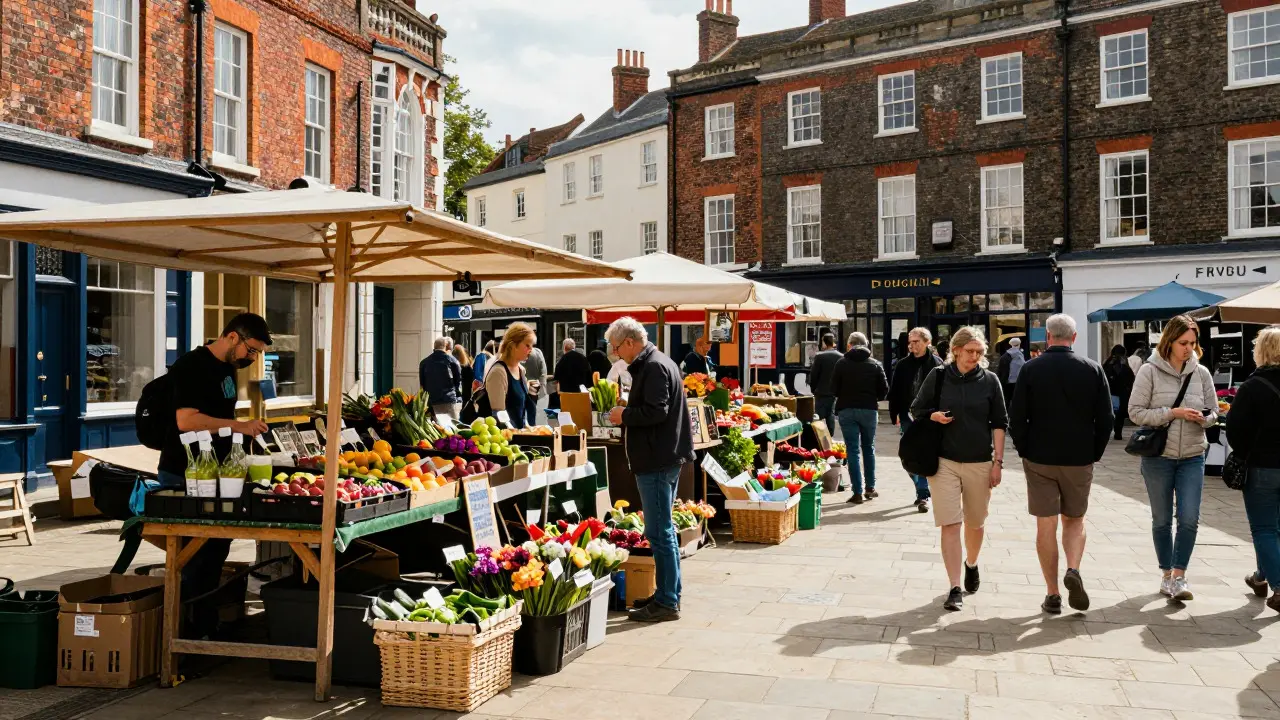
The Mathematical Bridge at Queens’ College is a must-see, and it’s accessible from the public side of the river. You don’t need to pay for a boat ride to see it. Walk along the Embankment and you’ll pass by many colleges. For lunch, the Cambridge Market Hall is a great option. It’s bustling, affordable, and offers a variety of international cuisines. If you have energy left, the Botanic Garden is nearby, though it does charge an entry fee, so weigh that against your budget.
York: Medieval Streets and Free Museums
York is a walled city with a rich Viking and Roman history, featuring the York Minster and Shambles street. York is further away, so you need to be strategic. The York Minster is one of the largest Gothic cathedrals in Northern Europe. Entry is free, and the interior is stunning. The Great East Window alone is worth the trip. The Shambles, one of the best-preserved medieval streets in England, is also free to walk. It looks straight out of a fairy tale, with timber-framed houses leaning over the cobblestones.
Many people spend a fortune on the Jorvik Viking Centre. While it’s impressive, it’s not essential for a budget trip. Instead, explore the Clifford’s Tower and the Museum Gardens, which are free. The York City Art Gallery is also free and houses a significant collection. For food, York has a strong tradition of pies and pastries. Look for local bakeries rather than the tourist-focused restaurants on The Shambles itself, where prices are inflated.
Practical Tips for Maximizing Value
- Book Transport Early: Train tickets in the UK operate on a dynamic pricing model. Booking 2-4 weeks in advance can save you 30-50% compared to buying on the day.
- Use Student or Senior Discounts: If you qualify, always carry your ID. Many attractions offer 10-20% discounts, and some transport providers have youth cards.
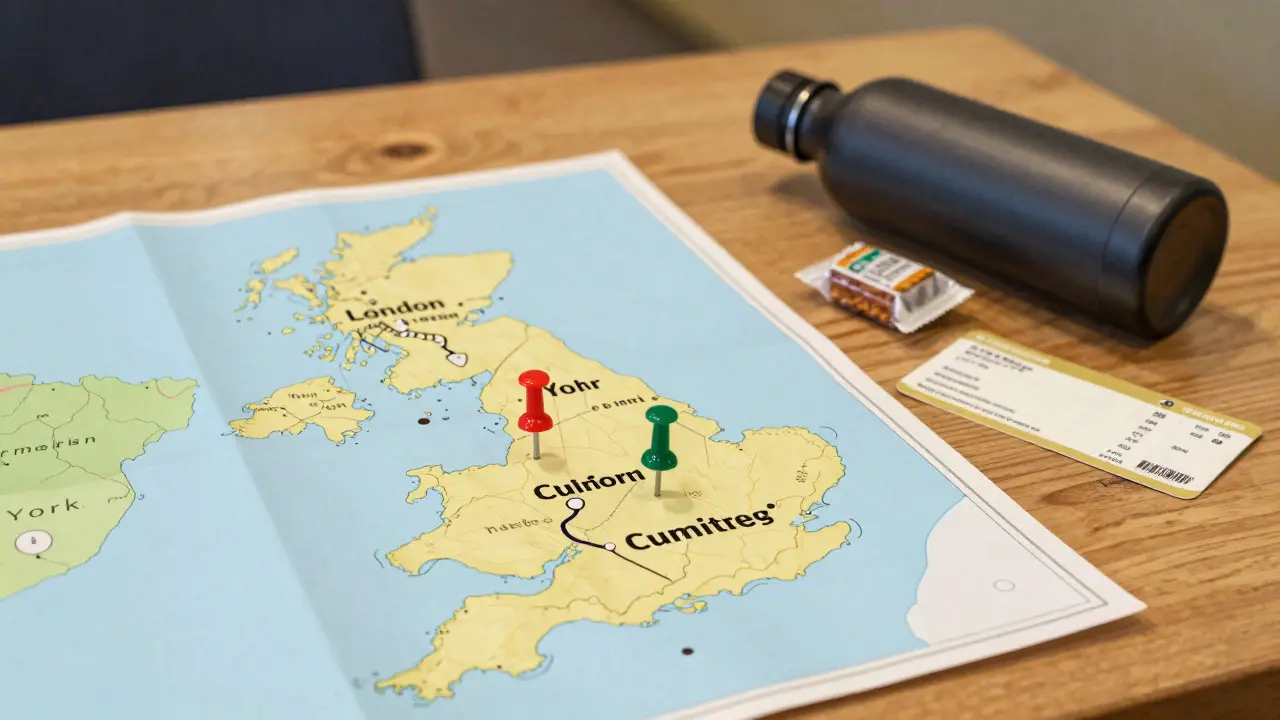
- Pack Smart: Bring a reusable water bottle and a small snack. Buying drinks at tourist spots can add up quickly. A bottle of water from a supermarket in London costs £1; the same bottle at a cafe in Oxford might cost £3.
- Check Opening Hours: Some free attractions close early or have limited hours on Mondays. Verify before you travel.
- Weather Backup Plan: If it rains, pivot to indoor free options like libraries, galleries, or shopping arcades. London’s British Library, for example, is free and massive, but since you’re leaving London, look for local equivalents like the Bodleian Library in Oxford (free to enter the main reading rooms) or the York Castle Museum (paid, but check for free days).
Frequently Asked Questions
Is it cheaper to go to Oxford or Cambridge?
Generally, Cambridge is slightly cheaper because it is closer to London, resulting in lower transport costs. However, both cities have similar attraction pricing. If you catch a cheap coach fare to Oxford, it can be comparable to a train fare to Cambridge. Compare specific dates on booking sites for the best deal.
Do I need to buy a railcard for a single day trip?
Usually, no. A standard railcard costs £30 for a year. Unless you plan to take multiple train journeys in the next few months, the upfront cost is rarely worth it for a single day trip. Focus on finding off-peak or advance tickets instead.
What is the best time of day to leave London?
Leave as early as possible, ideally before 9 AM. This allows you to beat the traffic on the roads (if taking a coach) and the crowds at major attractions. You’ll also have enough time to return to London before evening rush hour, which is notoriously difficult.
Are there any completely free day trips from London?
Yes, if you count walking or cycling. Places like Greenwich (within London) or Richmond Park are free. For outside London, you can walk into smaller towns like Eton or Windsor, where the castle grounds are free to access, though the castle itself charges an entry fee. The key is to focus on outdoor spaces and public art rather than paid museums.
How much should I budget for food on a day trip?
Plan for £15-£20 per person for a proper lunch and a drink. If you pack snacks from home, you can reduce this to £10-£15. Avoid eating at stations or airports, where prices are significantly higher. Supermarkets in the destination town are your best friend for affordable, fresh food.