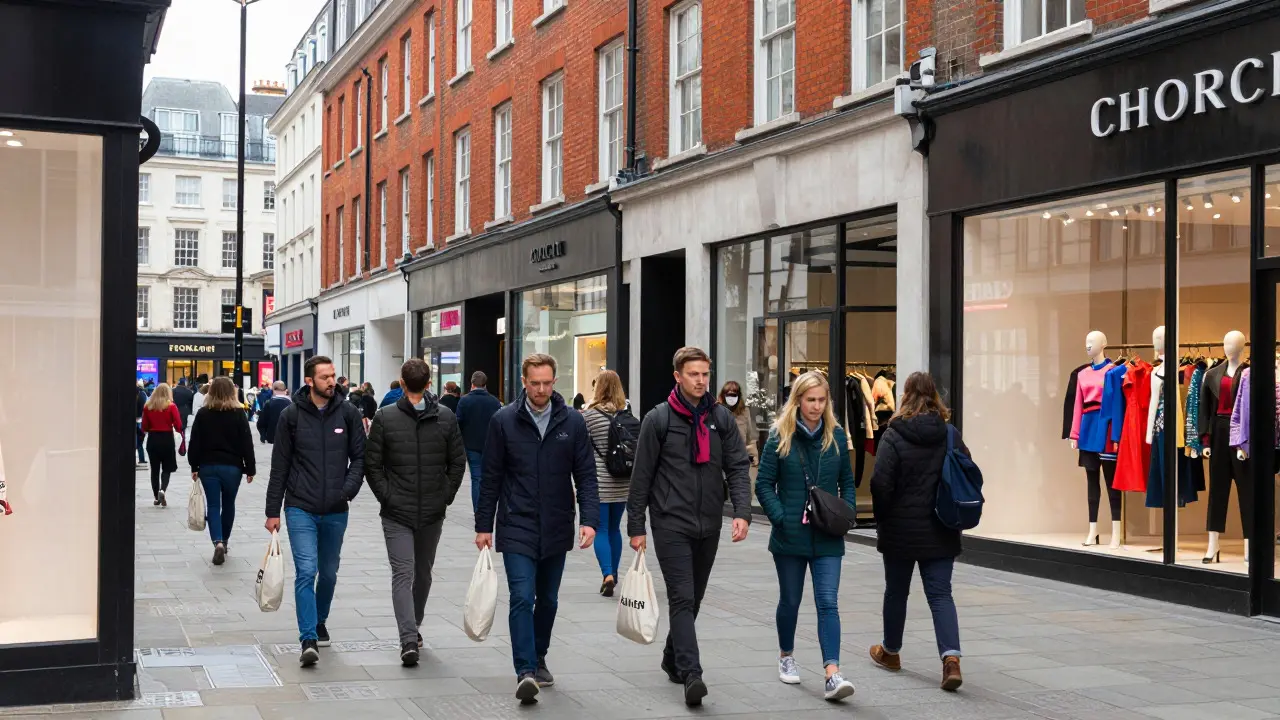
Walking down Oxford Street can feel like a financial trap. The price tags at luxury boutiques will make your eyes water, but you don't have to spend a fortune to look good or update your wardrobe. In fact, some of the best deals in the city are hiding in plain sight among the high-end stores. If you know where to look, you can build a stylish outfit for less than the cost of a single designer handbag.
This guide breaks down exactly how to shop smart in the capital without draining your savings. We will look at the giants of affordable retail, the specific strategies that save money, and the hidden gems on the high street that most tourists miss. Whether you are a student, a traveler, or just someone who loves a bargain, these tips will help you navigate the crowded malls with confidence.
Key Takeaways
- Primark is the absolute cheapest option for basics, with prices often 50-70% lower than mainstream retailers.
- Zara offers mid-range pricing but frequent sales; waiting for end-of-season drops can save you up to 40%.
- The "High Street" isn't just one place; it refers to main commercial streets like Regent Street and Tottenham Court Road where multiple chains compete.
- Student discounts via UNiDAYS can save an extra 10-15% at many major brands.
- Visiting flagship stores during weekday mornings avoids the weekend crowds and ensures better stock availability.
Understanding the Big Three: Primark, Zara, and H&M
To shop on a budget, you first need to understand the hierarchy of fast fashion in London. The market is dominated by a few key players, each serving a different purpose in your wallet's survival plan.
Primark is a Irish multinational retailer known for selling clothing, footwear, and household goods at very low prices. It operates on a massive scale with minimal overheads, passing those savings directly to customers. A basic t-shirt might cost £3.50, while a pair of jeans can be found for under £10. This makes it the go-to destination for essentials like underwear, socks, and casual wear. However, quality varies, so try things on before buying. The flagship store on Oxford Street is huge, almost like a warehouse, and getting there early is crucial if you want the best sizes.
Zara, part of the Inditex group, sits in the middle. It is more expensive than Primark but significantly cheaper than traditional British brands like Burberry or Topshop (now owned by Arcadia Group). Zara focuses on trend-driven pieces. Their strategy involves rapid production cycles, meaning new styles arrive every two weeks. Because they move so fast, their sale racks are cleared quickly. If you see something you like in full price, buy it. But if you are patient, the seasonal sales in January and July offer substantial discounts.
H&M is another major player, similar to Zara in price point but slightly more focused on everyday basics alongside trends. They often collaborate with designers, which creates hype, but their core range remains accessible. All three brands have massive presence in central London, particularly along the West End retail corridor.
Navigating the High Street Retail Landscape
The term "High Street" in the UK doesn't refer to a single location. It is a collective name for the main commercial streets in towns and cities where the largest shops are located. In London, this includes Regent Street, Tottenham Court Road, and parts of Camden High Street.
These streets are competitive zones. Brands fight for foot traffic by offering promotions, loyalty programs, and window displays that attract attention. For a budget shopper, this competition is your friend. You can compare prices side-by-side. For example, a dress at Mango might be £49, while a similar style at Bershka could be £25. Walking from one store to the next takes only minutes and can save you significant money.
It is also worth noting that many high street chains have closed physical stores in recent years due to the rise of online shopping. This means the remaining stores often have less stock and may be more willing to discount items to clear space. Keep an eye out for "final clearance" signs, especially in late winter and late summer.

Strategic Timing: When to Shop for Maximum Savings
Timing is everything when you are trying to keep costs down. The retail calendar in the UK follows a predictable pattern that savvy shoppers exploit.
- January Sales: This is the biggest sale period of the year. Most high street stores reduce prices by 30-50%. Items from the previous season are heavily discounted. Go early-often the day after Christmas or Boxing Day-to get the best selection.
- Summer Sales (July-August): Similar to January, this is when stores clear out spring/summer stock. Discounts are usually around 30-40%. Since we are currently in August, you are right in the middle of this period. Check Zara and H&M immediately for last-minute reductions.
- Bank Holiday Weekends: While not as deep as seasonal sales, many stores run special offers during May, August, and December bank holidays. These are smaller, targeted discounts on specific categories.
- Weekday Mornings: Crowds are thinnest between 10 AM and 1 PM on Tuesdays and Wednesdays. This means shorter queues, better service, and a higher chance of finding your size in popular items.
Beyond the Big Chains: Hidden Gems and Alternatives
While Primark and Zara dominate the conversation, there are other options that fit the budget-friendly mold. New Look is a British brand that offers trendy clothes at moderate prices. They are known for their wide size range, making them a great option if standard sizing doesn't work for you. Their sale racks are consistently well-stocked.
If you are open to second-hand shopping, Vinted and local charity shops like Oxfam or British Heart Foundation offer incredible value. A vintage jacket from a charity shop in Shoreditch might cost £15, whereas a new equivalent would be over £100. Plus, you support a good cause. Many thrifters now treat these shops like treasure hunts, spending hours digging through bins for unique pieces.
For accessories, Topshop (still operating in select locations) and ASOS (primarily online but with showrooms) offer frequent flash sales. ASOS, in particular, has a strong student discount program that can save you 10% on top of existing sale prices.

Practical Tips for Saving Money on the High Street
Knowing where to shop is half the battle. How you shop determines how much you actually save. Here are some practical tactics used by regulars in London:
- Use Student Apps: If you are a student, download the UNiDAYS app. It verifies your status and unlocks exclusive codes for brands like Nike, Adidas, and even some high street chains. This can stack with existing sales.
- Loyalty Cards: Sign up for free loyalty cards at Primark, Zara, and H&M. They rarely give direct discounts, but they notify you of member-only sales and send you coupons via email. Unsubscribe from weekly newsletters if they clutter your inbox, but keep the monthly digest.
- Cashback Sites: Use platforms like TopCashback or Quidco before checking out online or sometimes in-store. You can earn 2-5% back on purchases, which adds up over time.
- Check Return Policies: Most high street stores allow returns within 28 days. If you are unsure about a fit, buy it, try it on at home, and return it if it doesn't work. Just keep the receipt and tags intact.
- Avoid Peak Hours: Weekends and post-holiday periods are chaotic. Staff are overwhelmed, and popular items sell out. Shop on weekdays for a calmer experience and better assistance.
Comparison of Major Budget Retailers in London
| Brand | Typical T-Shirt Price | Typical Jeans Price | Best For | Sale Frequency |
|---|---|---|---|---|
| Primark | £3.50 - £6 | £8 - £15 | Basics, Underwear, Casual Wear | Constant Low Prices |
| Zara | £15 - £25 | £35 - £55 | Trendy Outfits, Workwear | Seasonal (Jan/Jul) |
| H&M | £9 - £15 | £25 - £40 | Everyday Clothes, Collaborations | Seasonal + Flash Sales |
| New Look | £10 - £18 | £20 - £35 | Wide Sizes, Party Wear | Weekly Promotions |
| Mango | £19 - £29 | £45 - £65 | Higher Quality Fast Fashion | Seasonal |
As you can see, Primark wins on pure price, but Zara and H&M offer more structure and trend relevance. If you need a full wardrobe refresh for under £100, start at Primark for basics and add one statement piece from Zara or H&M. This mix-and-match approach gives you a polished look without breaking the bank.
Frequently Asked Questions
Is Primark really cheaper than other stores in London?
Yes, Primark is generally the cheapest major retailer in London. Their prices are often 50-70% lower than comparable items at Zara or H&M. For example, a pair of socks that costs £4 at a standard supermarket might cost £1.50 at Primark. However, quality control can be inconsistent, so try items on before purchasing.
When are the best times to shop for discounts in London?
The two biggest sale periods are January (post-Christmas) and July/August (end of summer). During these times, discounts of 30-50% are common. Additionally, bank holiday weekends in May, August, and December often feature smaller, targeted promotions. Weekday mornings are best for avoiding crowds and ensuring stock availability.
Do I need a student ID to get discounts at high street stores?
Not always, but having proof helps. Many stores use apps like UNiDAYS or Student Beans to verify student status digitally. You don't need a physical ID card if the app confirms your enrollment. Some stores may ask for a student card at the counter, so it's safer to carry one if you are eligible.
Where is the best area to start budget shopping in Central London?
Oxford Street and Regent Street are the best starting points. They house large flagship stores of Primark, Zara, H&M, and New Look all within walking distance. You can easily visit four or five major stores in an hour. Camden Market is also a good option for mixed shopping, including vintage and handmade items at varying price points.
Are returns easy at these budget stores?
Generally, yes. Most high street chains in the UK allow returns within 28 days for a refund or exchange, provided the item is unworn with tags attached. Primark and Zara both have straightforward return policies. Always keep your receipt, though some stores accept returns without it for a store credit only.