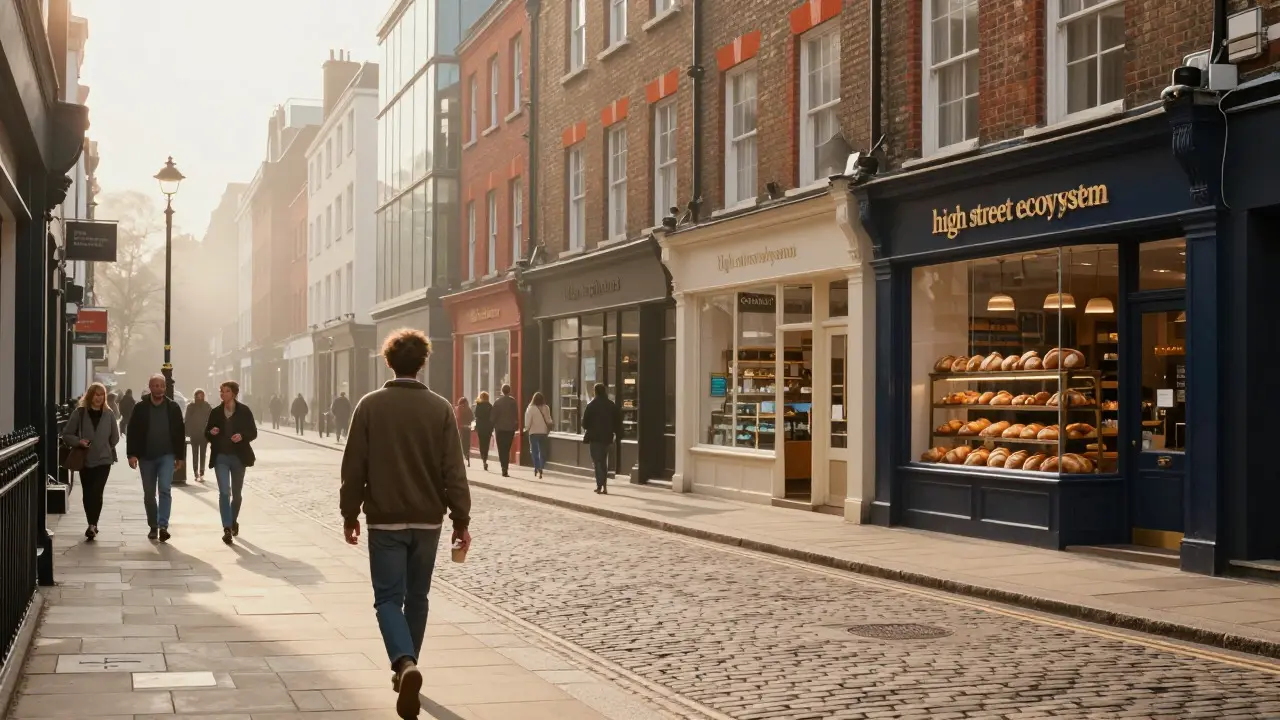
Imagine waking up, grabbing your coffee from the corner shop, and walking to work without ever touching a car key or swiping a travel card. For many Londoners, this isn't a fantasy; it's the daily reality of walking radius living is a lifestyle approach where essential services, social hubs, and leisure activities are accessible within a 15-minute walk from home. In a city as sprawling and dense as London, mastering this concept transforms how you interact with your environment. It shifts your focus from commuting across zones to cultivating deep roots in a specific postcode.
The core problem for many residents is the "commute trap." You spend four hours a day moving between A and B, leaving little energy for C (your actual life). By building a neighborhood life, you reclaim those hours. But how do you actually build it? It starts with understanding the anatomy of a functional London street and knowing which areas support this model best.
The Anatomy of a Walkable London Street
A true walking-radius neighborhood isn't just about proximity; it's about variety. Urban planners often refer to the "15-minute city" concept, but in London, we call it the "high street ecosystem." To sustain a life without a car, your immediate surroundings need to provide three pillars: sustenance, maintenance, and connection.
- Sustenance: You need more than just one convenience store. Look for a mix of independent grocers, a bakery that sells fresh sourdough at 8 AM, and a pub or café that serves dinner. The presence of a weekly market stall is a huge plus, offering produce that big supermarkets can't match.
- Maintenance: This includes dry cleaners, a pharmacy, a post office, and ideally, a hardware store. If you break a shelf bracket or need a prescription refill, you shouldn't need to take the Tube.
- Connection: Social infrastructure matters. Is there a park where people gather on weekends? A library branch with community events? A sports club or yoga studio that feels like a second living room?
If your street lacks even one of these pillars, you might find yourself making frequent trips elsewhere, breaking the rhythm of local living. The goal is frictionless access. When everything you need is within arm's reach, your mental load drops significantly.
Choosing Your Zone: Where Walking Works Best
Not all parts of London are created equal when it comes to walkability. Some areas are designed for cars, while others thrive on foot traffic. Understanding the geography helps you pick a spot that supports your lifestyle goals.
| Area Type | Examples | Walkability Score | Key Feature |
|---|---|---|---|
| Dense Inner Boroughs | Shoreditch, Bermondsey, Soho | High | Vertical density, late-night options, vibrant street culture |
| Green Belt Suburbs | Barnes, Richmond, Clapham | Medium-High | Parks integrated into streets, family-friendly amenities |
| Industrial Regeneration Zones | Rotherhithe, Dalston | Medium | Emerging shops, strong community feel, lower rents |
| Car-Dependent Outskirts | Enfield, Croydon (outer) | Low | Large retail parks, less pedestrian infrastructure |
Areas like Shoreditch and Bermondsey excel because their high density means every block has something new. You can eat, drink, work, and play without crossing a major road. Conversely, if you prefer greenery, places like Barnes or Clapham offer a balance. They have high-street essentials but also massive green spaces like Clapham Common or the Thames Path, allowing you to walk for exercise rather than just errands.
The Role of Local Shops in Community Building
In an era of same-day delivery apps, why bother with local shops? Because they create social capital. When you buy bread from the same baker every week, you aren't just transacting; you're interacting. These micro-interactions form the fabric of a neighborhood.
Independent retailers in London are increasingly becoming community hubs. Many now host book clubs, art displays, or wine tastings. They know their regulars by name. This level of personal connection is impossible with a giant supermarket chain. Moreover, supporting local businesses keeps money circulating within the area. Economists note that money spent locally tends to be re-spent locally multiple times, strengthening the entire neighborhood's economic health.
Look for shops that extend beyond pure commerce. A deli that offers catering, a florist that delivers to neighbors' doors, or a cafe that allows remote workers to stay for hours-these businesses signal a welcoming environment. They indicate that the street values dwellers over passersby.

Parks as the Living Room of the Block
If shops are the kitchen of a neighborhood, parks are its living room. In London, public green spaces serve as critical decompression zones. Whether it's a small pocket park in Mayfair or a vast expanse in Hyde Park, these areas dictate the quality of outdoor life.
For walking radius living, the type of park matters. You want accessibility and usability. A park with benches, open lawns for picnics, and safe paths for children is far more valuable than a manicured garden that forbids dogs or ball games. Check the opening hours and facilities. Does it have toilets? Are there cafes nearby? Can you sit outside for hours without feeling rushed?
During summer months, parks transform into social centers. Chess tables fill up, impromptu football matches happen, and dog owners congregate. Being part of this scene means you’re embedded in the local rhythm. You meet people naturally, without the pressure of formal socializing. This organic socialization is a key benefit of living close to nature in an urban setting.
Practical Steps to Start Living Within Walking Distance
Transitioning to a walking-focused lifestyle requires intentionality. You don't just move in and expect it to happen. Here is how to actively build your network and routines.
- Map Your Radius: Use a mapping app to draw a 15-minute walking circle around your potential home. See what falls inside. Count the number of restaurants, pharmacies, and green spaces. If the circle is empty, reconsider the location.
- Visit at Different Times: Don't just look at the street during a sunny Saturday afternoon. Visit on a rainy Tuesday evening. Is the lighting good? Do the shops feel alive? Are the sidewalks clear? This reveals the true character of the area.
- Introduce Yourself: Talk to the shopkeepers. Ask the barista their name. Join a local Facebook group or Nextdoor page for your street. Knowing who lives next door changes how safe and connected you feel.
- Establish Routines: Pick a regular route for your morning walk. Use it consistently. Familiarity breeds comfort. Over time, you’ll start recognizing patterns-who walks the dog at 7 AM, which bus arrives when.
- Reduce Car Dependence Gradually: If you currently drive, try leaving the car at home for non-essential trips. Start with shopping for small items. As your confidence grows, expand to larger errands.
This gradual shift helps adjust your perception of distance. What seemed far away initially becomes manageable once you realize you’ve walked similar distances before without thinking about it.

Challenges and How to Overcome Them
Walking radius living isn't perfect. London’s weather can be unpredictable, and not every street is charming. Rain, snow, and cold wind can make outdoor living difficult. Additionally, some neighborhoods suffer from noise pollution due to nightlife or traffic.
To mitigate weather issues, invest in good footwear and rain gear. Choose apartments with balconies or indoor spaces that allow you to enjoy the view without being exposed to the elements. For noise, check decibel levels during peak hours. Live near a busy road? Get soundproof windows or use white noise machines.
Another challenge is the digital divide. Not everyone in your neighborhood will embrace the slow-life aesthetic. Some may prefer online ordering and isolation. That’s fine. The key is finding your tribe. There are always groups of like-minded individuals interested in localism, sustainability, or community gardening. Find them, and your experience will be enriched.
Frequently Asked Questions
What is the ideal walking distance for daily needs in London?
Most urban planners suggest a 15-minute walk as the maximum comfortable distance for daily errands. This equates to roughly 1 kilometer or 0.6 miles. Anything further starts to feel like a commute rather than a stroll.
Which London boroughs are best for walking radius living?
Camden, Tower Hamlets, and Wandsworth are often cited as top choices due to their high density of amenities and excellent public transport links. However, affordability varies greatly, so consider your budget alongside walkability scores.
How do I find out if a neighborhood is truly walkable?
Check online maps for sidewalk continuity and crosswalk frequency. Read reviews on local business sites to see if customers mention ease of access. Finally, visit the area at different times of day to observe pedestrian flow and safety.
Is walking radius living suitable for families with young children?
Yes, provided the streets are safe and have low traffic speeds. Look for areas with dedicated play spaces, stroller-friendly pavements, and nearby pediatricians. Quiet residential pockets within bustling districts often work best.
What role does public transport play in this lifestyle?
While the goal is to minimize travel, having a Tube station within a 10-minute walk provides a safety net. It allows you to escape the local bubble occasionally for cultural events or work meetings without needing a car.