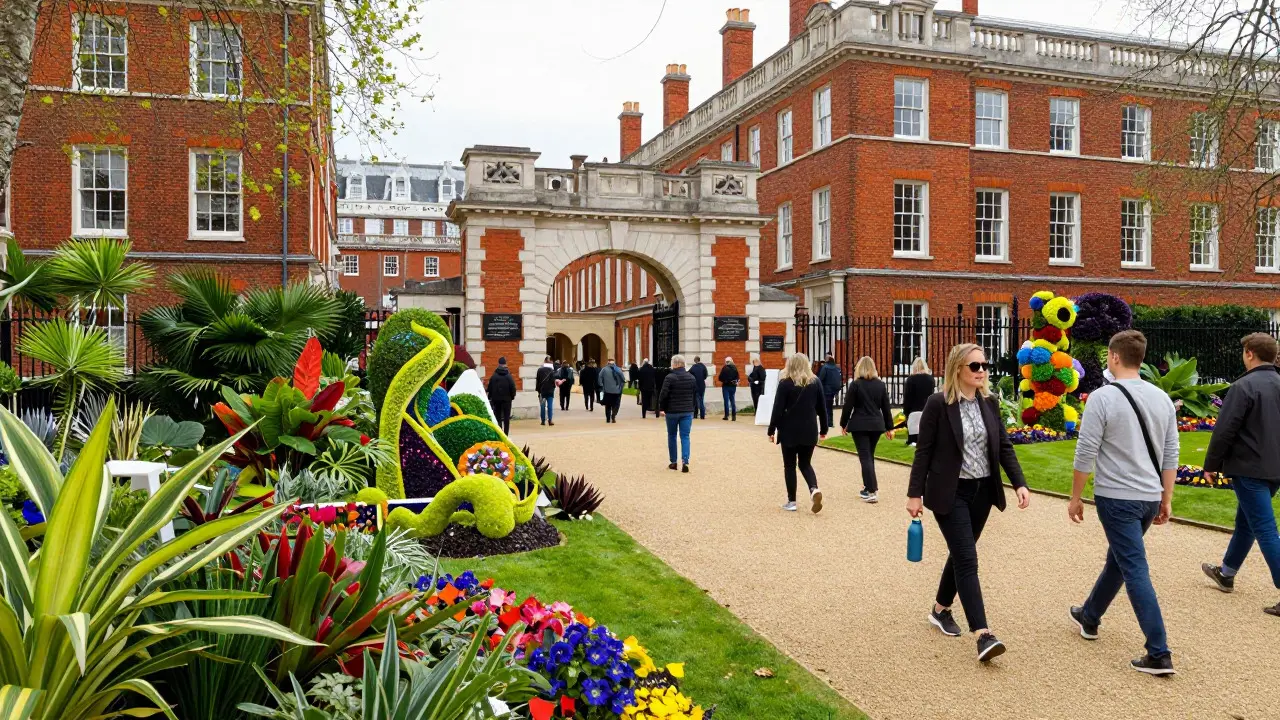
Imagine walking into a garden that changes every day. One morning it’s a tropical jungle; by afternoon, it’s a minimalist Japanese zen space. That is the magic of the Chelsea Flower Show, the world's most famous flower exhibition held annually at the Royal Hospital Chelsea. If you are planning a trip to London in May, this event is not just a show-it is an experience that blends horticulture, design, and social culture into one compact weekend.
What Actually Happens at the Chelsea Flower Show?
The core of the event is the temporary gardens. Unlike permanent parks, these structures are built from scratch each year by professional landscape designers. They stay up for only five days. This urgency creates a high-stakes atmosphere where every leaf is placed with precision. You aren't just looking at flowers; you are viewing architectural sculptures made of living plants. Beyond the main gardens, there are several distinct zones:
- Exhibition Gardens: The headline acts. These are large, thematic spaces designed to inspire home gardeners. Think water features, edible landscapes, or wildflower meadows.
- Stalls and Stands: Hundreds of vendors sell rare plants, seeds, tools, and garden accessories. It is a shopping paradise for enthusiasts.
- The Stage: Daily talks, cooking demonstrations, and live music keep the energy high throughout the day.
- Children’s Area: A dedicated space with interactive activities, making it family-friendly despite its reputation as a 'grown-up' event.
Timing Your Visit: The May Window
The Royal Horticultural Society (RHS) typically holds the show in mid-May. While exact dates shift slightly each year, the pattern remains consistent. Because the weather in London can be unpredictable, the show is always scheduled during the warmest part of spring when blooms are at their peak. Why does timing matter so much? Two reasons. First, daylight hours are longer, allowing you more time to explore. Second, the heat affects how the gardens look. Early morning visits offer the freshest appearance before the sun wilts delicate petals. Late afternoon light, however, creates dramatic shadows and highlights the textures of foliage, which is great for photography. If you can only pick one day, aim for a Tuesday or Wednesday. Mondays are usually quieter but may have fewer staffed stands. Fridays and Saturdays tend to be the busiest, with crowds peaking between 10 AM and 4 PM. Sundays are often slightly less crowded than Saturdays but still busy.
Navigating the Venue: Location and Logistics
The venue is the Royal Hospital Chelsea, located in SW3. It sits on the edge of Sloane Square, right next to the tube station. This central location is both a pro and a con. The pro? Accessibility. The con? Parking is nearly impossible, and street traffic is heavy. Here is how to get there without stress:
- Tube: Take the District or Circle line to Sloane Square station. Exit towards Chelsea Embankment. It is a two-minute walk to the entrance gates.
- Bus: Several routes stop near the venue, including the 7, 9, 11, and 148. Check real-time apps for delays, as road closures around the show can reroute buses.
- On Foot: If you are staying in South Kensington or Knightsbridge, a brisk 15-20 minute walk is feasible and avoids transport queues.
Budgeting for Tickets and Extras
Let’s talk money, because costs add up fast. Entry tickets vary by age and time slot. Adult standard tickets usually cost between £45 and £60 depending on the day. Seniors and students often get discounts. Children under 5 are free, but those aged 5-15 pay a reduced rate. However, entry is just the beginning. Consider these additional expenses:
- Food and Drink: There are several cafes and restaurants inside. Expect to pay £15-£25 for a meal. Bringing a small snack is allowed, but no large coolers.
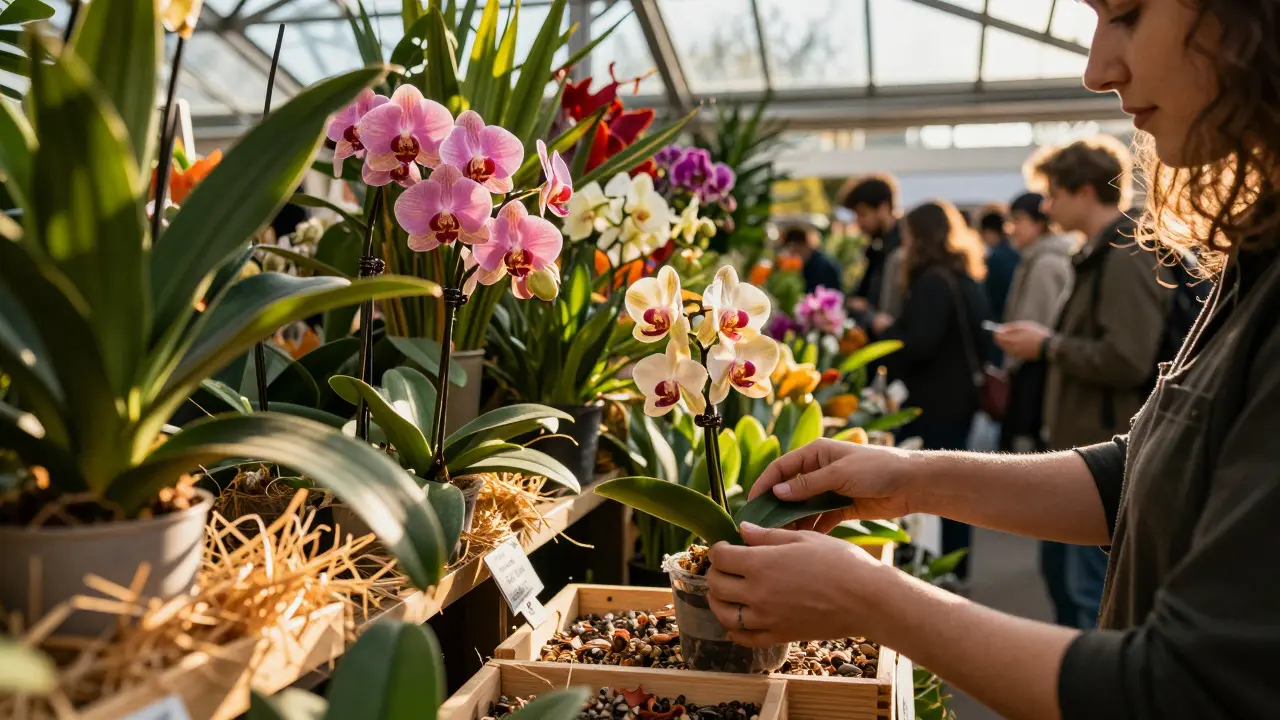
- Shopping: A single rare orchid or specialized tool can cost £20-£100+. Set a budget before you hit the stalls.
- Photography Passes: Professional photographers need special permits, which cost extra. Casual visitors can take photos freely with personal cameras.
Pro Tips for a Smoother Experience
Having visited similar large-scale exhibitions, I know that preparation makes the difference between a stressful day and a relaxing one. Here are some practical tips based on real-world scenarios: Wear Comfortable Shoes. You will walk 5-8 miles per day. The ground is a mix of gravel paths and grass. Avoid heels or new sneakers. Bring Layers. London weather in May is fickle. It might be 18°C (64°F) in the morning and 12°C (54°F) by evening. A light waterproof jacket is essential. Hydrate Constantly. Water fountains are available, but carrying a reusable bottle saves money and effort. Most cafes accept refills for a small fee. Download the Official App. Before you go, download the RHS app. It provides a live map, schedule of talks, and stall directory. It updates in real-time if events change. Avoid Peak Hours. Enter at opening time (usually 10 AM) or after 3 PM. Midday is the most crowded period, especially around popular food trucks.
Who Is This Event Really For?
You might think this is only for hardcore gardeners. Not quite. The audience is diverse:
- Horticulture Enthusiasts: Come for the rare plants and technical knowledge.
- Design Professionals: Architects and interior designers visit for inspiration on biophilic design.
- Families: Kids love the interactive areas and the sheer scale of the displays.
- Casual Visitors: People who enjoy beautiful scenery, good food, and a festive atmosphere.

Comparing Chelsea to Other UK Flower Shows
How does it stack up against other major events? Let’s compare it to the Garden Festival in Edinburgh and the Tatton Park Flower Show.
| Show Name | Location | Typical Date | Key Feature | Estimated Cost |
|---|---|---|---|---|
| Chelsea Flower Show | London (SW3) | Mid-May | High-end design, celebrity presence, central location | £45-£60 entry |
| Garden Festival | Edinburgh | June | Rural setting, Scottish flora, relaxed vibe | £25-£35 entry |
| Tatton Park Flower Show | Cheshire | May | Historic estate, classic English gardens | £30-£40 entry |
Common Mistakes to Avoid
Don’t skip the smaller corners. While the main gardens draw crowds, the quiet edges often house unique vendors selling heirloom seeds or artisanal ceramics. Don’t ignore the talks. Many sessions are free with admission and offer valuable insights from experts. Finally, don’t forget to check the accessibility facilities. The venue has step-free access routes and accessible toilets, but signage can be subtle. Ask staff for guidance if needed.
Frequently Asked Questions
Do I need to book tickets in advance for the Chelsea Flower Show?
Yes, it is highly recommended. Tickets often sell out weeks in advance, especially for Friday and Saturday slots. Booking online allows you to choose your preferred entry time, reducing wait times at the gate.
Is the Chelsea Flower Show suitable for children?
Absolutely. There is a dedicated children’s area with crafts and games. However, expect crowds and noise, so bring earplugs if your child is sensitive to sound. Strollers are allowed but can be difficult to maneuver in tight spaces.
Can I bring my own food and drink into the show?
Small snacks and water bottles are permitted. Large picnics, glass containers, and alcohol are generally not allowed unless consumed in designated restaurant areas. Check the latest rules on the official website before arriving.
What happens if it rains during the Chelsea Flower Show?
The show goes ahead regardless of weather. Some indoor sections and covered walkways provide shelter. Rain can actually enhance the visual appeal of certain plants, though it may make paths slippery. Wear waterproof footwear.
Are dogs allowed at the Chelsea Flower Show?
Generally, no, except for assistance dogs. The dense planting and crowd density make it unsuitable for pets. If you have a dog, consider arranging pet care for the day.