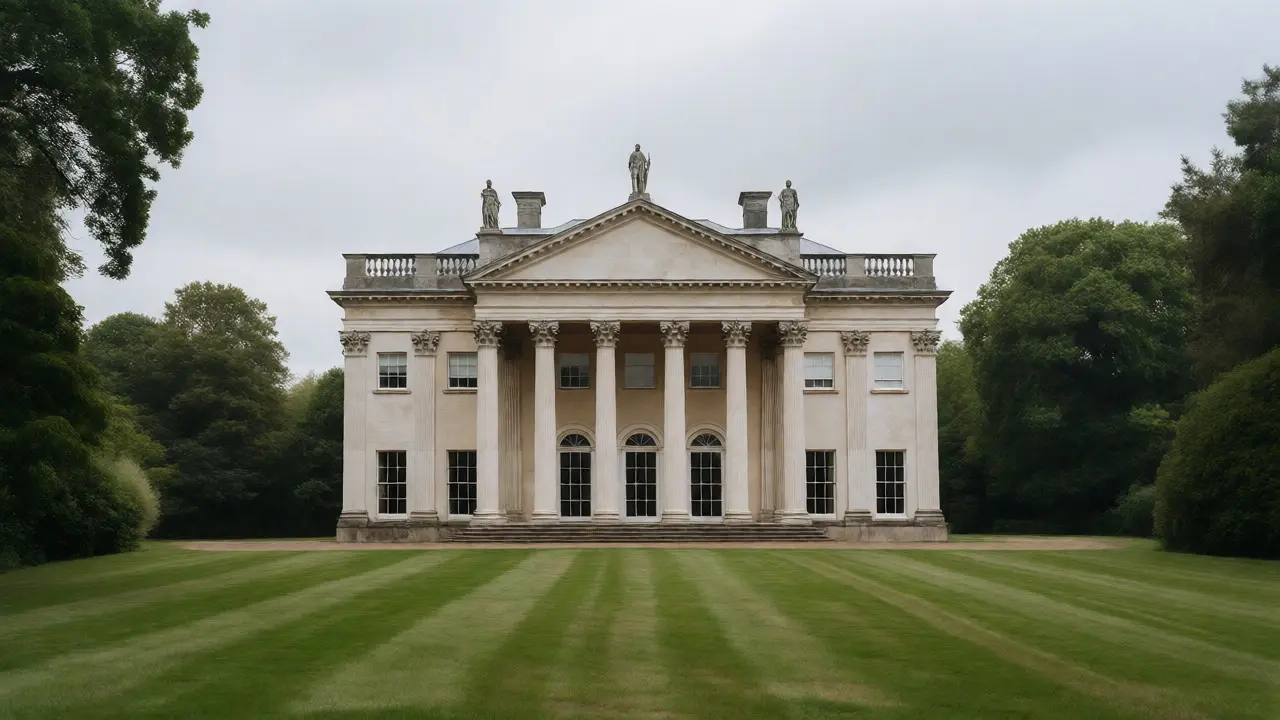
You know that feeling when you’re wandering through a park and suddenly spot a building that looks like it was airlifted from the Italian countryside? That’s Chiswick House for you. It’s not just another old mansion; it’s a tiny, perfect replica of the Villa Rotonda in Vicenza, squeezed into West London. If you’re looking for a quiet escape from the city noise or want to see where British taste in architecture went off the rails in the best way possible, this is your spot.
The Man Behind the Myth
To get why this place exists, you have to understand Richard Boyle, 3rd Earl of Burlington. He wasn’t just some rich guy with too much time; he was the ultimate tastemaker of the 18th century. Before him, England was obsessed with heavy, dark Baroque styles. Burlington traveled to Italy, saw Andrea Palladio’s work, and came back determined to change everything. He didn’t just hire an architect; he became one. This house, built between 1725 and 1729, was his personal manifesto against the excesses of the previous era. He wanted light, symmetry, and proportion. And honestly? He nailed it.
Why the Architecture Matters
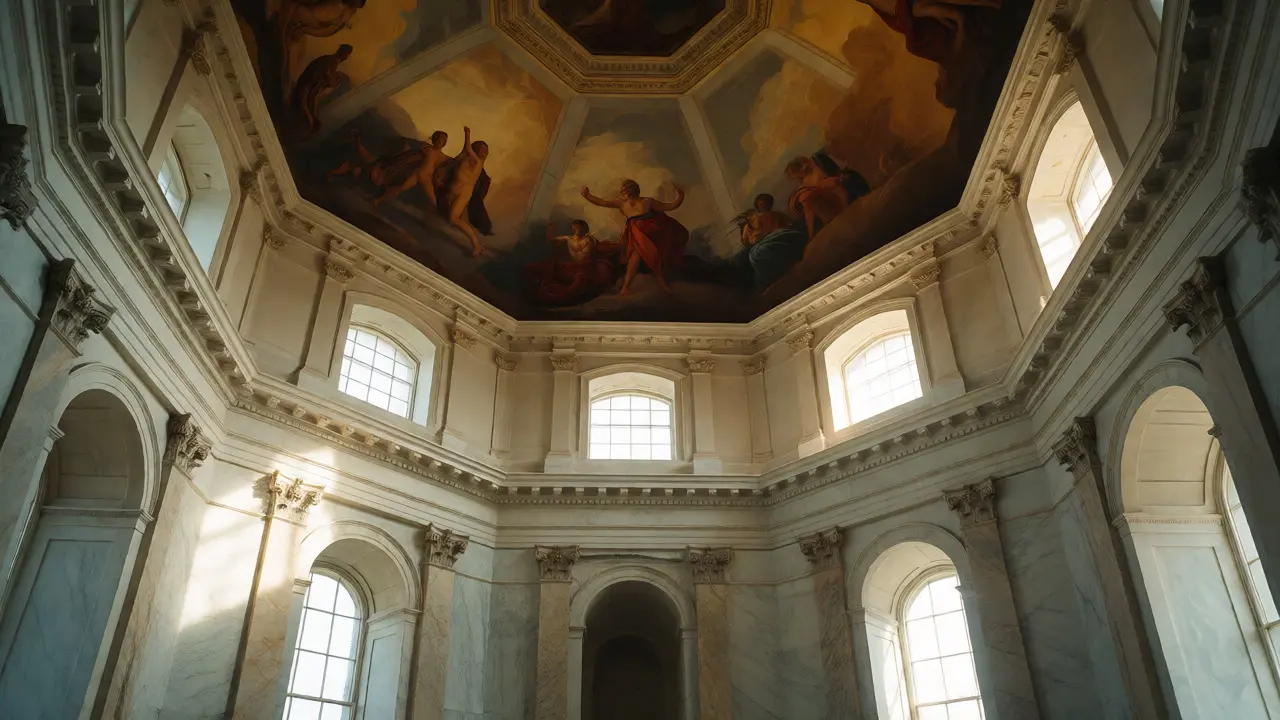
Walking up to Chiswick House feels strange because it’s smaller than you expect. It’s a "villa" in the truest sense-a retreat, not a palace for hosting thousands. The design follows strict Palladian rules. Every column, every window, every doorway has a specific ratio. If you look closely at the portico, you’ll see Corinthian columns supporting a pediment that features statues of gods and heroes. It’s theatrical but restrained. Inside, the rooms are circular or octagonal, designed to catch light from multiple angles. The ceiling paintings by William Kent add a touch of drama without overwhelming the clean lines of the walls. It’s a masterclass in restraint.
The Gardens: Where History Got Wild
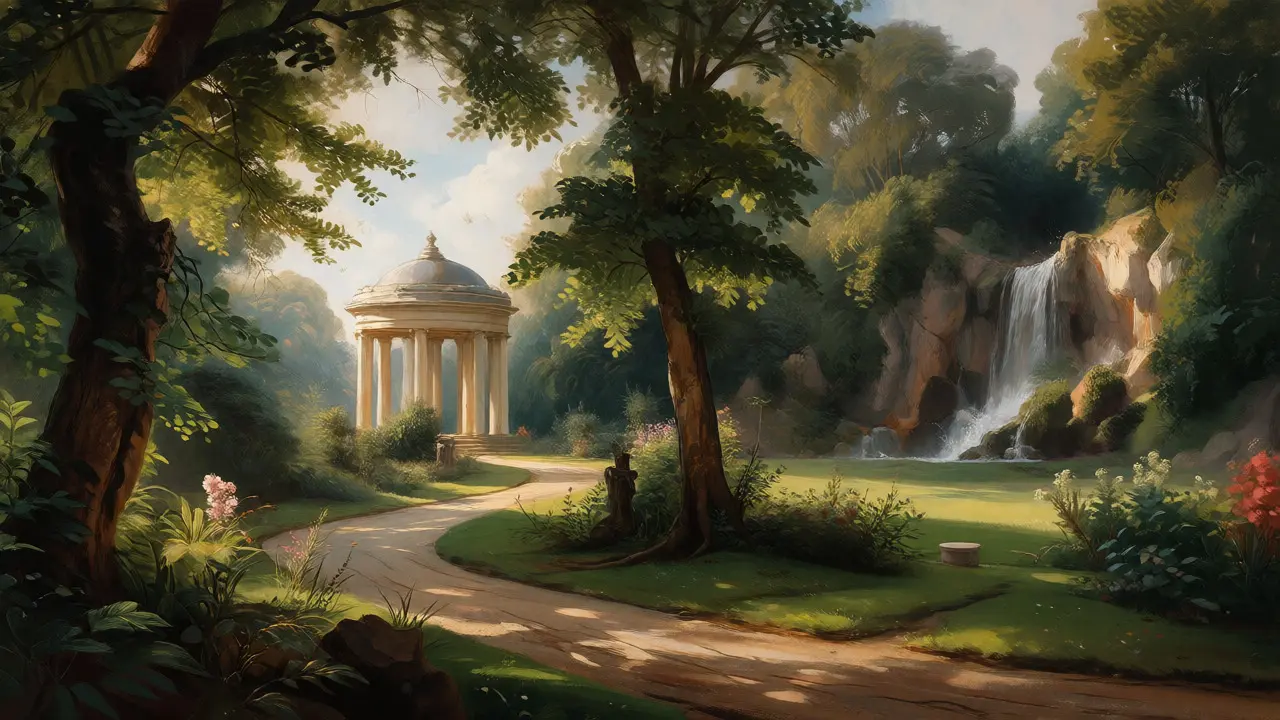
If the house is the brain, the gardens are the heart. And they’ve got a bit of a rebellious streak. Originally, these were formal French-style gardens-symmetrical, rigid, and controlled. But then, around the 1730s, things changed. Burlington and his friend Alexander Pope started experimenting with what we now call the English landscape garden. They tore out the straight paths and planted trees in irregular clumps. They added winding streams and hidden follies (decorative structures) to make the view feel natural, even though every single plant was placed by hand. This shift influenced Capability Brown later on, who basically copied the vibe across all of England. So when you walk here, you’re walking through the birthplace of the modern park concept.
A Close Look at the Features
You don’t need a guidebook to spot the cool stuff, but knowing what you’re looking at helps. Here’s a quick breakdown of the key elements you’ll encounter:
| Feature | Description | Historical Context |
|---|---|---|
| The Octagon Room | The central hall with a domed ceiling painted by William Kent. | Designed to showcase art and allow light from all sides. |
| The Grotto | A semi-subterranean room decorated with shells and crystals. | Inspired by Roman baths; used for cooling down in summer. |
| The Cascade | A water feature flowing down artificial rocks. | A dramatic focal point meant to mimic natural waterfalls. |
| The Temple of Apollo | A small classical temple structure in the grounds. | Symbolizes the enlightenment ideals of reason and beauty. |
Surviving the Bombs and Neglect
Here’s the thing about historic houses in London: most of them either burned down, got demolished, or turned into office blocks. Chiswick House survived because it had friends in high places. During World War II, the original main house next door was destroyed by bombing. Chiswick House itself took damage but was saved. For decades after the war, it sat empty and decaying. It wasn’t until the mid-20th century that restoration efforts kicked in, led by groups who realized how important this site was for understanding British cultural history. Today, it’s managed by English Heritage, which means the maintenance is top-notch, but it also means you might need to book ahead for tours.
Practical Tips for Your Visit
So, how do you actually enjoy this place without wasting your day? First, check the opening times. Unlike regular parks, the interior of the villa isn’t always open to free roamers. You often need to book a timed ticket for the inside tour. The gardens, however, are usually accessible during daylight hours. Wear comfortable shoes-the gravel paths can be uneven if it’s been raining. Bring a picnic. There are benches near the cascade that offer a great view, and sitting there watching the water while thinking about 18th-century aristocrats debating philosophy is weirdly relaxing. Also, keep an eye out for the deer park nearby; sometimes you can spot fallow deer grazing in the distance.
Why It Still Resonates Today
You might wonder why a bunch of dead earls matter to you today. Well, look around any modern minimalist home or sleek tech office. The obsession with clean lines, natural light, and uncluttered spaces? That starts here. Burlington rejected clutter. He believed that less was more, long before Mies van der Rohe said it. Walking through Chiswick House connects you to a movement that shaped how we define "good taste." It’s not just about pretty columns; it’s about an idea-that environment shapes character. And in a city as chaotic as London, having a space dedicated to order and calm is worth its weight in gold.
Frequently Asked Questions
Is Chiswick House free to enter?
The gardens are generally free to enter during opening hours, similar to other public parks. However, access to the interior of the villa usually requires a paid ticket, especially for guided tours. Prices vary depending on whether you are a member of English Heritage or a visitor.
How far is Chiswick House from central London?
It is located in Chiswick, West London. From Central London, it takes about 20-30 minutes by tube (District Line to Turnham Green or Gunnersbury) or by car via the A4. It is not in Zone 1, so factor in travel time.
Can I take photos inside the house?
Photography is typically allowed in the gardens. Inside the villa, flash photography is usually prohibited to protect the artworks and frescoes. Tripods are generally not allowed during peak visiting hours. Always check the current policy upon arrival.
What is the best time to visit?
Spring and autumn are ideal. Spring brings blooming flowers and fresh greenery, while autumn offers beautiful foliage colors against the white stone of the villa. Summer can be crowded, and winter days are short, limiting garden viewing time.
Are there cafes or food options nearby?
There is a small cafe within the estate that serves light refreshments. Additionally, the nearby area of Chiswick High Road has numerous pubs and restaurants, such as The Devonshire Arms, offering plenty of dining choices after your visit.