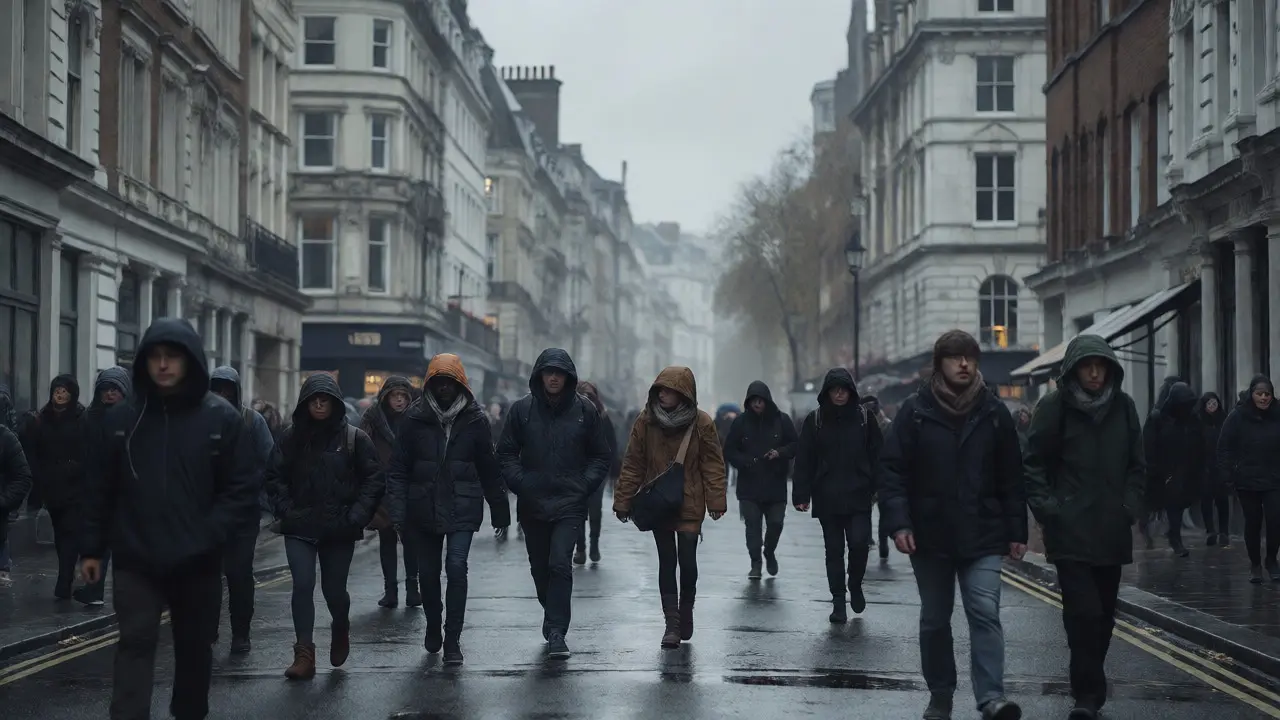
You’ve booked the flights. You’ve signed the lease on that tiny flat in Zone 2. You’re ready for the London dream. But six months later, you might find yourself staring at a grey sky, feeling overwhelmed by the Tube crush, and wondering why everyone walks so fast they seem to be running. This isn’t failure; it’s Cultural Adjustment in its rawest form.
Moving to a global megacity like London is less about logistics and more about psychological recalibration. The city operates on a different frequency than most places on Earth. If you don’t understand the hidden rules of the London Metropolis, you’ll spend your first year fighting the current instead of swimming with it. Let’s break down the three biggest shocks-weather, crowds, and pace-and how to actually thrive within them.
The Grey Reality: Navigating London Weather
Forget what Hollywood told you. It doesn’t rain sideways every day, but the lack of sunlight is the real killer. In October 2026, you’ll likely experience the classic "London Drizzle"-a persistent, fine mist that doesn’t require an umbrella but will soak you through anyway. The issue isn’t just wet socks; it’s Seasonal Affective Disorder (SAD). With daylight hours shrinking to under eight hours by December, your mood can plummet if you aren’t prepared.
Here’s the trick locals use: treat light as a nutrient. Don’t just buy a coat; invest in a Vitamin D supplement. Most GPs recommend 10 micrograms daily during winter months. Also, stop fighting the weather. Locals don’t carry umbrellas because wind turns them inside out instantly. Instead, wear a high-quality waterproof jacket with a hood. It’s not about staying dry; it’s about staying comfortable while acknowledging that the sky is going to be grey for four months straight.
- Dress in layers: Indoor heating is often cranked up, while streets are cold. You need to adjust quickly.
- Plan indoor hobbies: Museums, galleries, and pubs become your second home from November to February.
- Chase the sun: When the rare blue skies appear, drop everything. Go to a park. Vitamin D is precious.
The Human Tide: Managing Crowds and Personal Space
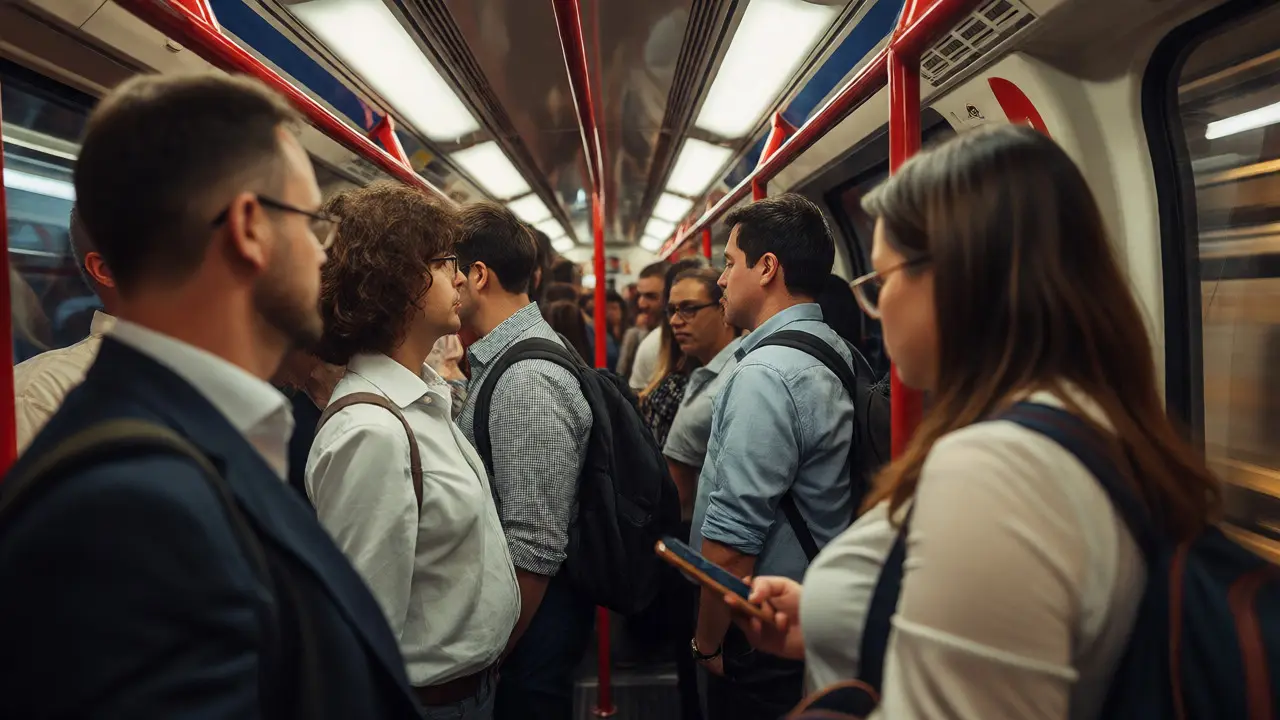
If you come from a place where personal space is sacred, London will feel like a violation of your bubble. On the Central Line or the Northern Line during rush hour, you are physically pressed against strangers. There is no elbow room. Newcomers often react with irritation or anxiety, interpreting this physical closeness as aggression. It’s not. It’s efficiency.
The key to surviving the Tube Rush Hour is mastering the art of "polite invisibility." You don’t make eye contact. You don’t apologize when you bump into someone. You simply exist in the shared space without demanding acknowledgment. This unwritten rule reduces social friction. If you try to fight the crowd-by trying to walk against the flow or stopping abruptly-you’ll get shoved. Move with the tide.
| Time Slot | Crowd Density | Recommended Action | Stress Level |
|---|---|---|---|
| 7:30 AM - 9:30 AM | Extreme | Avoid if possible; use buses or cycle if fit. | High |
| 10:00 AM - 4:00 PM | Moderate | Best time for sightseeing and meetings. | Low |
| 5:00 PM - 7:00 PM | High | Stand back from doors; let people exit first. | Medium |
| 8:00 PM onwards | Variable | Pubs and theatres create localized bottlenecks. | Low-Medium |
Also, learn the queue. In London, cutting a line is a cardinal sin worse than jaywalking. Whether it’s for a coffee, a bus, or a restroom, the queue is a democratic institution. Respect it, even if it moves slowly. Your patience signals that you belong here.
The Fast Lane: Decoding the Pace of Life
Everyone warns you about the cost of living, but few warn you about the speed. Londoners walk fast. They talk fast. They eat lunch in twenty minutes. This isn’t rudeness; it’s a survival mechanism in a city where time equals money. If you stroll leisurely down Oxford Street, you will be dodged, swerved around, or verbally nudged by someone late for a meeting.
Adjusting to this pace requires a shift in mindset. Stop viewing the rush as hostility. View it as momentum. However, don’t burn out trying to match it perfectly. The secret weapon of long-term residents is the "Third Place." This is a spot that isn’t work and isn’t home-a specific café, a local pub, or a quiet corner of Hampstead Heath. Having one sanctuary slows you down. It reminds you that London has pockets of stillness amidst the chaos.
Work culture reflects this too. Emails sent at 6 PM expect replies by morning, not midnight. But face-to-face communication is often preferred over endless digital pings. Learn to read the room. If your colleagues are typing furiously, stay off their desk. If they’re chatting over coffee, join in. Social capital in London is built in these brief, informal interactions, not in formal meetings.

Building Your Tribe: Community Beyond the Commute
Loneliness is the silent epidemic for expats. You can be surrounded by nine million people and feel completely isolated. Why? Because Londoners are private. They have established friend groups from school or university. Breaking into these circles takes time and consistency.
Don’t rely solely on work friends. They go home. Join a hobby group. Running clubs, board game nights, or volunteer organizations are easier entry points because the activity provides a script. You don’t need to be charming; you just need to show up. After three weeks of consistent attendance, you’ll start getting invited to post-event drinks. That’s when the real community begins.
Consider the geography of your friendships. London is huge. A friend in Clapham and a friend in Hackney live in different worlds. Try to build a local circle within walking distance of your home. It removes the friction of travel, making spontaneous meetups possible. Spontaneity is the glue of adult friendship.
Practical Hacks for Faster Integration
To speed up your adjustment period, focus on small wins. Master the Oyster card or Contactless payment immediately. Never fumble for change at a newsagent; it marks you as a tourist. Learn two or three basic slang terms-not to sound cool, but to understand context. "Guv’nor," "mate," and "cheers" are universal connectors.
Also, explore beyond Zone 1. The center is for tourists and workers. Real life happens in Zones 2-4. Neighborhoods like Lewisham, Croydon, or Walthamstow offer diverse communities, lower rents, and a slower vibe. Visiting these areas helps you realize London isn’t just one monolithic entity; it’s a collection of villages stitched together by rail lines.
Finally, give yourself grace. Culture shock comes in waves. You’ll love London one week and hate it the next. This oscillation is normal. By month twelve, the grey skies won’t bother you as much, the crowds will feel familiar, and the fast pace will start to feel like energy rather than pressure. You’ll stop adjusting and start belonging.
Is London weather really that bad?
It’s less about heavy rain and more about consistent greyness and dampness. While annual rainfall is comparable to cities like Rome or Sydney, the lack of sunshine between October and March can impact mood. Investing in proper waterproof clothing and Vitamin D supplements is essential for mental well-being.
How do I deal with the stress of London crowds?
Adopt the local strategy of "polite invisibility." Avoid eye contact, move with the flow rather than against it, and respect queues. Understanding that physical proximity is a necessity of infrastructure, not a personal invasion, helps reduce anxiety. Plan activities outside peak commute times (7-9 AM and 5-7 PM) whenever possible.
Why do Londoners seem rude or unfriendly?
Londoners value privacy and efficiency. What looks like rudeness is often just a focus on getting things done quickly. Once you establish a connection, usually through shared activities or consistent interaction, Londoners can be quite loyal and friendly. Building trust takes longer than in smaller towns, but the relationships tend to be durable.
How long does cultural adjustment take in London?
Most expats report a significant shift after 6 to 12 months. The first three months are often characterized by excitement followed by frustration. By the six-month mark, routines solidify, and the initial culture shock fades. Full integration, where you feel truly at home, typically takes around a year.
What is the best way to make friends in London?
Consistency is key. Join regular groups based on interests like sports, arts, or volunteering. Proximity matters too; building a network within your local neighborhood makes spontaneous meetups easier. Work colleagues are a good start, but diversifying your social circles prevents isolation when you leave a job.