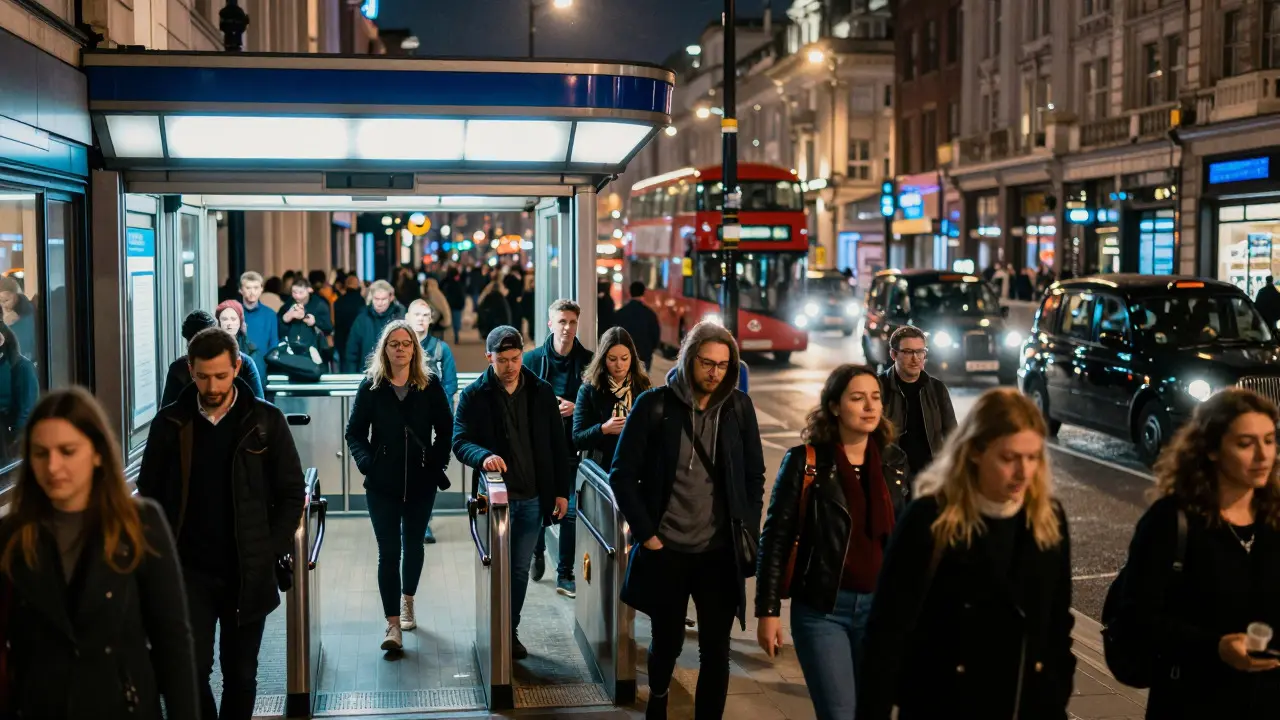
It’s 11:45 PM on a Saturday. You’re leaving a concert at Wembley Arena or a play in the West End, and your phone battery is dying. The question isn’t just "how do I get home?" It’s "how do I get home without spending my entire weekly budget on a black cab?" Navigating London after dark requires more than just knowing where the stations are; it demands understanding the specific rhythms of Transport for London (TfL) when the city shifts from day mode to night mode.
The core problem most visitors and even locals face is the gap between the end of an event and the final departure of the London Underground. If you miss that window, your options narrow drastically. But they aren't as limited as you might think. By planning around the specific infrastructure available during these hours, you can save significant money and avoid the stress of hailing rideshare apps that surge in price during peak evening demand.
Understanding the 'Last Train' Window
The London Underground operates on a strict schedule that ends earlier than most people expect. For the majority of lines, the last trains depart central London between 11:30 PM and midnight. However, this varies significantly by line. The Victoria Line and Piccadilly Line often run slightly later on weekends, while some outer branches stop much earlier. Checking the exact timetable for your specific station is non-negotiable. A five-minute delay in leaving the venue can mean missing the last connection entirely, forcing you into a £20+ taxi ride instead of a £6 tube journey.
If you are attending an event in South London, such as those at Brixton Academy or The O2, be aware that the Jubilee Line and Northern Line have different cutoff times depending on whether you are heading toward Euston or Kennington. Always verify the direction of travel. Missing the last train southbound is far more problematic than missing it northbound, as fewer alternative services cover the southern zones after midnight.
The Night Bus Network: Your Best Friend After Midnight
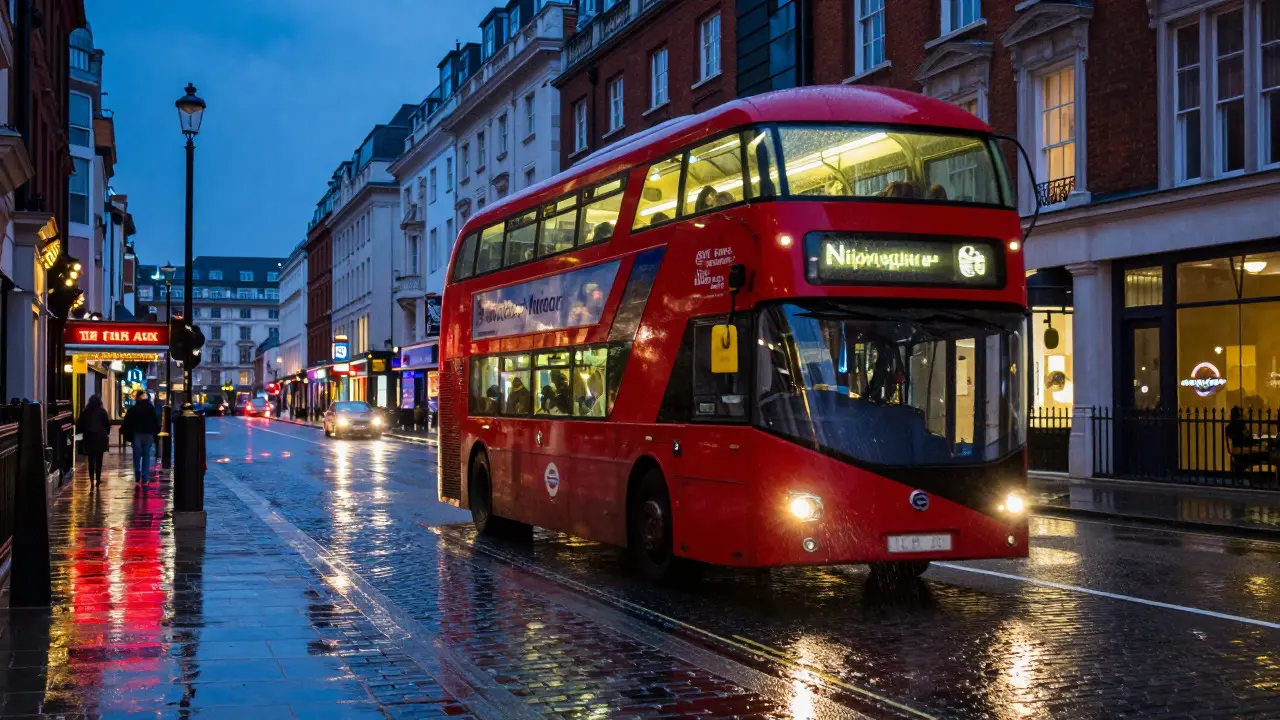
When the Tube stops, the Night Bus network takes over. These routes, marked with an 'N' prefix (e.g., N2, N9, N15), operate roughly between 12:00 AM and 5:00 AM. They are not just slower versions of daytime buses; they are dedicated overnight services designed to connect major hubs like Oxford Circus, Victoria, and Paddington with residential areas across the city.
The key advantage here is cost. A single ride on a Night Bus costs the same as a standard bus fare, which is significantly cheaper than a Black Cab or a rideshare app. While wait times can range from 10 to 20 minutes depending on the route and time of night, the reliability is generally high. Routes like the N2 (connecting Hammersmith to Whitechapel) and the N7 (connecting Tottenham Court Road to Clapham Junction) are particularly popular for event-goers because they intersect with major nightlife districts.
- N2: Essential for anyone in West London or Central London heading east.
- N7: Critical for North London residents traveling to South London events.
- N15: Covers the area around Camden and King's Cross, vital for music venues.
- N88: Connects Shepherd's Bush to Stratford, useful for East London events.
Taxi vs. Rideshare: When to Pay Premium
For many, the Black Cab remains the gold standard for late-night comfort. Licensed London taxis can pick up anywhere, drop you off at your door, and don't require you to walk to a specific stand. However, the price reflects this convenience. A short trip within Zone 1 can easily cost £15-£25, and longer journeys to Zones 3 or 4 can exceed £40.
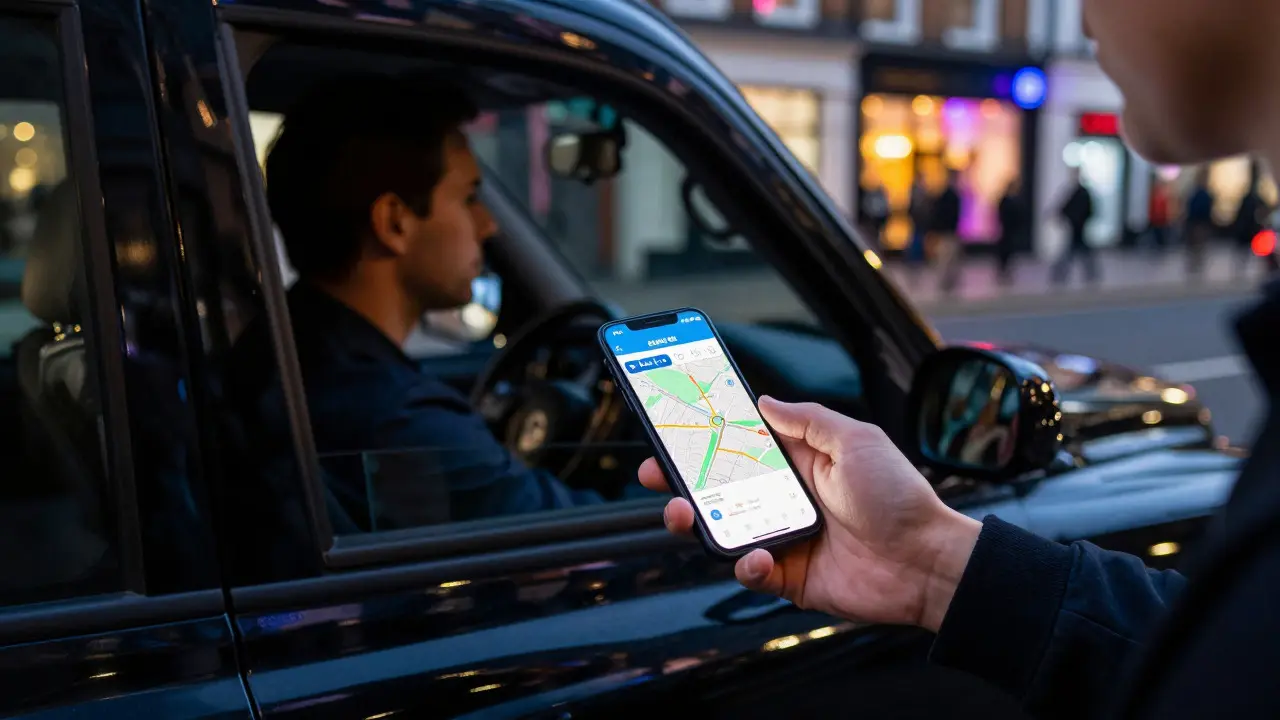
Rideshare apps like Uber and Bolt offer a middle ground. Prices are dynamic, meaning they spike during rainy weather or peak Friday/Saturday nights. In August, when tourist numbers are high, surges are common. A rule of thumb: if the distance is under two miles and you are alone, a taxi or rideshare is often worth the premium for speed and safety. If you are with friends, splitting the cost makes it competitive with public transport. Always check the estimated price before booking, as waiting for a car can take 10-15 minutes in busy areas like Soho or Shoreditch.
Planning Around Major Event Venues
Different parts of London have different transport realities after dark. Here is how to handle the big ones:
- West End Theatre District: Most theatres are near Piccadilly Circus or Leicester Square. The Piccadilly Line runs late, but if you miss it, the N2 and N5 buses are frequent. Walking to Charing Cross for the National Rail service is also an option if you are heading to other parts of the UK, though it’s rarely practical for local trips.
- Wembley Stadium/Arena: This is a transport nightmare if unprepared. The Elizabeth Line and Overground provide direct access. If you miss the last train, the N20 bus is the primary lifeline. It connects Wembley to Finchley Road and then to central London. Allow extra time, as crowds cause delays at the station exits.
- The O2 (Greenwich Peninsula): Accessible via DLR (Docklands Light Railway). The DLR runs until about 11:30 PM. After that, the N88 bus is your main link back to central London. Be prepared for a longer journey, as the route winds through East London.
- Cameron Town Hall / Barbican: Central location means multiple options. The Circle and Hammersmith & City lines run late. If you miss them, walking to nearby bus stops on Aldersgate Street offers frequent N-route connections.
Payment Methods and Practical Tips
How you pay matters as much as where you go. Using an Oyster Card or contactless bank card ensures you get the daily cap applied. This is crucial. If you take three buses or one bus and one Tube ride, the system automatically limits your total spend to a maximum daily rate. Without this, each individual tap-in could cost more than the capped amount.
One major pitfall: Night Buses do not always accept paper tickets. Contactless payment is becoming the standard. Ensure your phone has enough battery or carry a backup card. Also, note that the daily cap resets at 4:30 AM. If you stay out past this time, you start a new charging period. For example, if you take a bus at 3:00 AM and another at 5:00 AM, you will be charged twice unless you use a travelcard that covers the night hours.
Safety is another consideration. Stick to well-lit streets and main roads when walking to bus stops. In areas like Hackney Wick or Peckham, which have vibrant nightlife but less lighting, consider sharing a taxi if you are unsure of the route. TfL maintains CCTV on all Tube stations and most major bus stops, adding a layer of security.
| Mode | Operating Hours | Approximate Cost (Zone 1-2) | Speed/Reliability | Best For |
|---|---|---|---|---|
| London Underground | Until ~11:30 PM - 12:00 AM | £5.50 - £6.00 | Fast, High Frequency | Getting home before midnight |
| Night Bus (N-Routes) | 12:00 AM - 5:00 AM | £1.75 (capped) | Moderate, 10-20 min waits | Budget-conscious travelers |
| Black Cab | 24/7 | £15 - £30+ | Fastest, Door-to-Door | Short distances, groups, bad weather |
| Rideshare (Uber/Bolt) | 24/7 | £12 - £25 (surge varies) | Variable, App-dependent | Direct routes, no walking |
Frequently Asked Questions
Do Night Buses run every hour?
No, frequency varies by route and time. On weekends, popular routes like the N2 and N7 may run every 10-15 minutes. On weeknights or later hours (after 2 AM), intervals can stretch to 20-30 minutes. Always check the real-time arrival board at the bus stop or use the TfL Go app for accurate predictions.
Is it safe to take the Tube alone at night?
Generally, yes. The Tube is heavily monitored with CCTV and staff presence until closing time. However, empty platforms can feel isolated. Stick to main lines and avoid staying on trains that have very few passengers. If you feel uncomfortable, waiting for a Night Bus or taking a taxi is a valid alternative.
Can I use my Oyster card on Night Buses?
Yes, you can tap in and out on Night Buses using an Oyster card or contactless bank card. The fare counts toward your daily cap, making it one of the cheapest ways to travel after midnight. Just ensure your card has sufficient credit before tapping.
What happens if I miss the last train at a suburban station?
If you are outside Zone 1, your options are more limited. Many suburban stations do not have Night Bus coverage. You may need to take a local bus to a main interchange point (like a Tube station) or call a taxi. Check the 'Bus Stop Finder' on the TfL website for your specific station before relying on public transport.
Are there any free ways to travel in London at night?
There are no free public transport options for general users. However, if you live in certain boroughs, you might qualify for a Freedom Pass, which allows free travel on all TfL services, including Night Buses. For tourists and regular workers, the daily cap is the closest thing to a 'free' tier once you hit the limit.