London is expensive. We all know that. But did you know some of the best entertainment in the city costs absolutely nothing? If you have kids, weekends can feel like a budget trap. You want them to learn something, burn off energy, and maybe even touch a dinosaur bone. The good news? Major Museums are offering free admission and structured family programs that rival paid attractions. You don't need a premium ticket to get into the Science Museum or the Natural History Museum. You just need to know when the doors open for families and what happens inside them.
This isn't about wandering aimlessly while your toddler cries near a gift shop. This is about targeted family days. Many institutions run specific workshops, drop-in craft sessions, and guided tours designed exclusively for children and their parents on certain days. These events turn passive viewing into active learning. Whether you're visiting from out of town or you've lived here for twenty years, these hidden gems save money and create memories. Let's break down exactly which museums offer the best free family experiences, how to book them, and what to expect so you don't waste your Saturday.
The Big Three: South Kensington Powerhouses
If you're looking for volume and variety, head to South Kensington. This area houses three world-class institutions within walking distance of each other. They form a cultural triangle that dominates London's educational landscape. While general entry is always free, the special family programming varies by day and season.
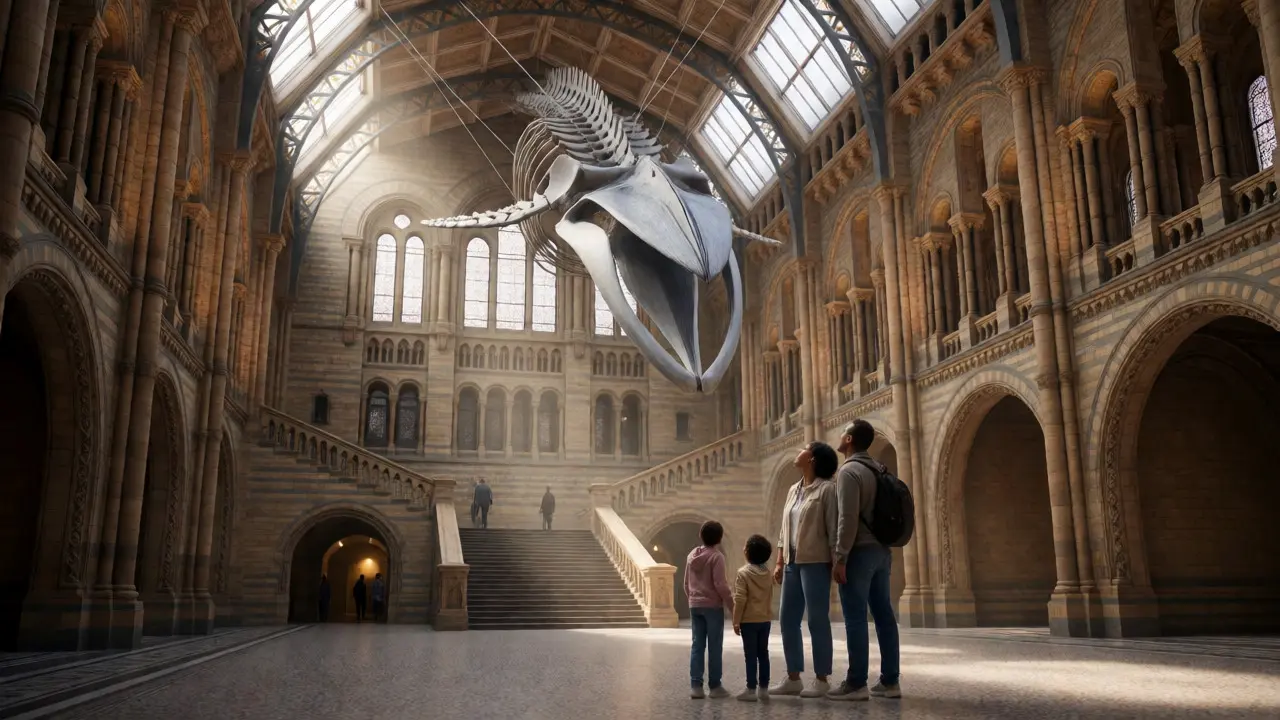
The Natural History Museum is famous for its architecture and blue whale skeleton. But it’s the hands-on exhibits that keep kids engaged. On weekends, they often host "Family Trails"-self-guided adventures where children solve puzzles to find hidden artifacts. Look for the "Dinosaur Isle" zone, which frequently features fossil-digging workshops. These aren't always pre-booked; many are drop-in, but arriving early (before 10:30 AM) guarantees a spot. The museum also runs "Junior Ranger" badges, where kids complete tasks across different floors to earn a certificate. It sounds simple, but it keeps them moving and focused.
Next door, the Science Museum offers interactive fun. Their "Wonderlab" is a separate ticketed attraction, but the main building has plenty of free interactive zones. Check their calendar for "Family Fun Days," which usually happen during school holidays. These days feature live science demonstrations, robotics workshops, and maker spaces where kids build circuits or paper planes. The key here is timing. Weekday mornings are quieter, but weekend afternoons bring the crowd. If you want a workshop slot, check their website two weeks prior. Slots fill fast because they’re free.
The Victoria and Albert Museum (V&A) might seem too sophisticated for kids, but don’t judge too soon. They have a dedicated "Young V&A" section (currently under development/reopening phases depending on exact date, but existing collections remain accessible). More importantly, the main V&A hosts regular "Family Sundays." These include drop-in art-making sessions in the courtyard or gallery-specific treasure hunts. For example, finding patterns in Islamic art or spotting animals in medieval tapestries. It’s a great way to introduce older children to design without boring them to tears.
History Comes Alive: Tower of London and British Museum
Not every museum is modern. Some deal with dark history or ancient civilizations. The challenge with these places is keeping children interested when there are no buttons to press. That’s why structured activities matter more here than anywhere else.
The British Museum is massive. Walking through it randomly is exhausting. Instead, look for the "Family Activity Packs" available at the information desk. These packs contain maps, pencils, and questions tailored to different age groups. You can pick up a pack for ages 5-7 or 8-12. This turns a chaotic visit into a scavenger hunt. Additionally, the museum runs free talks and tours specifically labeled "Family Friendly." These guides avoid academic jargon. They tell stories. Ask the staff at the Great Court entrance if any guided walks are happening in the next hour. Often, there are impromptu storytelling sessions in the Egyptian room.
The Tower of London is tricky. Entry isn't free for tourists, but London residents with a valid Freedom Pass or certain local council discounts might get reduced rates. However, the real value for families lies in the Beefeater tours. These are included in the ticket price. They are entertaining, slightly scary, and very informative. For a truly free experience, consider the Museum of London Docklands. It’s free, located in Canary Wharf, and focuses on trade and empire. Kids love the ship models and the interactive games about loading cargo. They often host "Pirate Days" or "Trade Route Challenges" on bank holidays and weekends.

Art Without the Awkward Silence
Taking young kids to an art gallery can be risky. "Don't touch," "Walk slowly," "Be quiet." It wears everyone down. But several London galleries have cracked the code by making art accessible through play.
Tate Modern is huge and industrial. It doesn't feel stuffy. They offer "Family Art Studios" on weekends. These are drop-in spaces where kids can make art inspired by the exhibitions nearby. No booking required. Just walk in, grab some clay or paint, and create. The staff are trained to interact with children, not just supervise them. Also, check out the "Tate Kids" trails. You can download a PDF map before you go, or pick one up at the desk. It highlights ten key artworks with fun facts and drawing prompts.
The National Gallery in Trafalgar Square has improved its family offerings significantly. They provide "Family Backpacks" filled with resources like magnifying glasses, story cards, and activity sheets. This allows parents to engage with the art while kids have their own tools. During school holidays, they run "Studio Sessions" where artists lead workshops. These are usually free but require online booking due to limited space. Keep an eye on their social media channels for last-minute cancellations.
| Museum | Best Day for Families | Key Free Activity | Booking Required? | Age Suitability |
|---|---|---|---|---|
| Natural History Museum | Weekends/Holidays | Dino Dig Workshops & Junior Rangers | Often Drop-in (Early Arrival) | Ages 4-12 |
| Science Museum | School Holidays | Maker Spaces & Live Demos | Yes for Workshops | All Ages |
| Victoria and Albert Museum | Fridays/Sundays | Craft Sessions & Treasure Hunts | No | Ages 5+ |
| British Museum | Anytime (Quiet Mornings Best) | Activity Packs & Story Tours | No | Ages 6+ |
| Tate Modern | Weekends | Drop-in Art Studio | No | All Ages |
| Museum of London Docklands | Bank Holidays | Interactive Trade Games | No | Ages 5-10 |
Hidden Gems Beyond Central London
You don't have to stay in Zone 1 to find great free family days. In fact, escaping the center often means fewer crowds and more space for kids to move around. Several borough museums offer incredible value.
The Horniman Museum and Gardens in Forest Hill is a favorite among locals. It combines a natural history collection with musical instruments and ethnographic displays. The gardens are free and perfect for picnics. They host regular "Family Fun Days" with face painting, puppet shows, and nature crafts. Because it’s slightly further out, it feels less commercial. The wildlife dioramas are detailed enough to hold attention, and the aquarium section is surprisingly engaging for younger children.
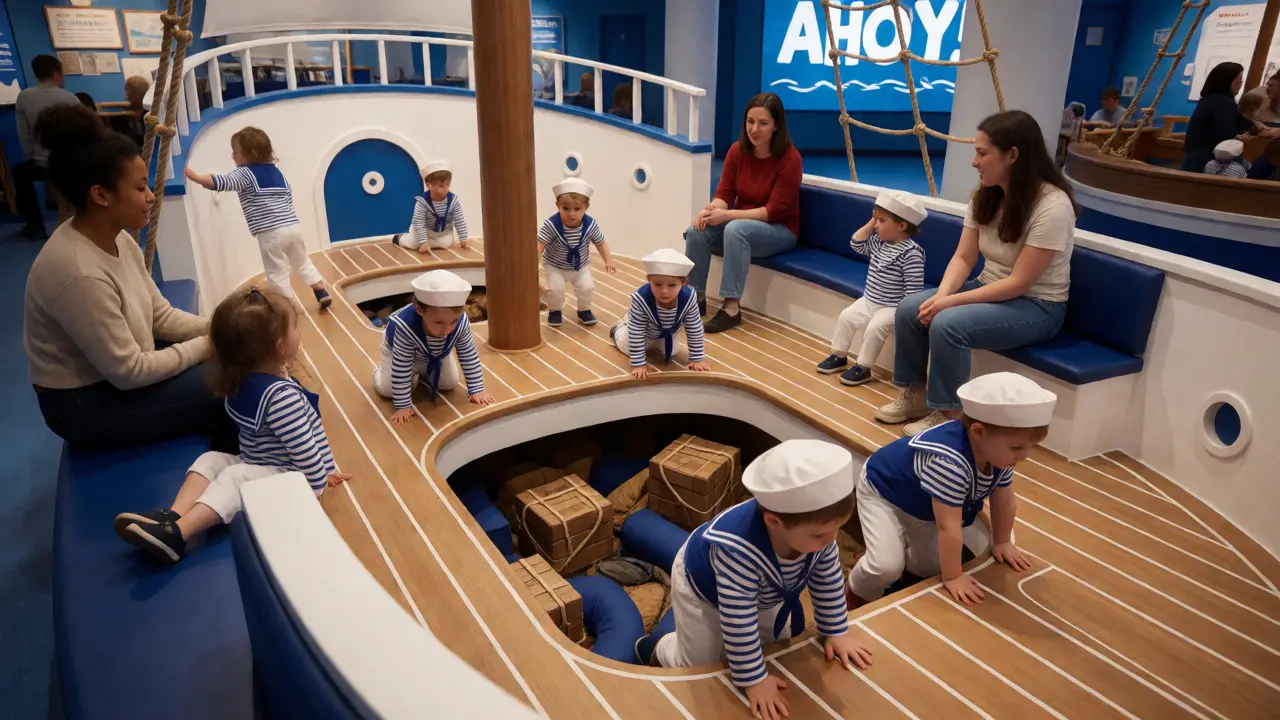
In Greenwich, the Royal Observatory offers free access to the grounds and the Prime Meridian line. While the planetarium costs extra, the outdoor space is fantastic. On clear days, you can see the curvature of the earth conceptually. But the real draw is the adjacent National Maritime Museum. It’s completely free. Inside, there’s a dedicated "AHOY!" family zone for under-12s. It’s a fully immersive play area with ship decks, cargo holds, and dressing-up costumes. Parents can sit nearby while kids role-play as sailors. It’s one of the best indoor play areas in London that doesn't cost a penny.
How to Maximize Your Visit
Knowing which museum to go to is half the battle. The other half is logistics. Here’s how to ensure your free day doesn't turn into a stressful ordeal.
- Check the Calendar First: Most "special" family days are tied to school holidays (half-term, Easter, Summer). If you visit mid-week during term time, expect standard hours with fewer activities. Always check the museum’s "What's On" page before leaving home.
- Arrive Early: Popular workshops fill up quickly. Even for drop-in activities, arriving at opening time (usually 10:00 AM) gives you the best chance to participate without waiting in long lines.
- Use Public Transport: Parking near major museums is notoriously difficult and expensive. The Tube or bus is faster. For South Kensington, the Piccadilly Line is your friend. For Greenwich, take the DLR or Thames Clipper for a scenic ride.
- Pack Snacks: While most museums have cafes, prices are high. Bringing your own sandwiches and water saves money. Check if the museum allows food in designated picnic areas or outdoors. Eating outside in the gardens (like at Horniman or Tate) is a nice break.
- Download Apps: Many museums have free apps with audio guides and augmented reality features. These can entertain older kids who might find physical activity packs childish.
Common Pitfalls to Avoid
Even with free entry, things can go wrong. Here are the most common mistakes parents make.
First, assuming everything is free. While entry is free, some special exhibitions or IMAX screenings charge fees. Read the fine print. Second, over-scheduling. Trying to hit three museums in one day leads to meltdown territory. Pick one museum and explore it thoroughly. Third, ignoring the age recommendations. A five-year-old will hate a silent tour meant for adults. Stick to family-labeled content.
Finally, don't forget accessibility. Most London museums are wheelchair and stroller friendly. Elevators are plentiful. If you have mobility issues, check the museum’s accessibility page for loaner wheelchairs or sensory maps. Some museums now offer "quiet hours" for neurodiverse visitors, allowing a calmer environment. This is crucial for families with children on the autism spectrum.
Do I need to book tickets for free family days at London museums?
It depends on the activity. General entry to national museums is always free and doesn't require booking. However, specific workshops, talks, or holiday events often require free online reservations because space is limited. Always check the individual museum's website two weeks in advance to secure spots for popular sessions.
Which London museum is best for toddlers?
The National Maritime Museum in Greenwich is excellent for toddlers due to its "AHOY!" play zone, which is designed specifically for under-12s. The Science Museum also has interactive lower-level exhibits suitable for small children. The Horniman Museum’s gardens provide safe outdoor space for running around.
Are these family activities available year-round?
Core activities like activity packs and self-guided trails are available year-round. However, organized workshops, craft sessions, and special holiday events are typically concentrated during school holidays and weekends. Mid-week visits during term time may have fewer structured options.
Can I bring my own food into London museums?
Most museums do not allow food in the galleries to protect the exhibits. However, many have designated picnic areas, courtyards, or outdoor gardens where you can eat. Some, like the Horniman Museum, have extensive garden spaces perfect for packed lunches. Always check the specific policy of the museum you plan to visit.
Is the London Pass worth it for family museum visits?
For most families, probably not. Since the major museums (British Museum, Natural History, Science Museum, Tate, etc.) are already free, a London Pass only makes sense if you plan to visit paid attractions like the Tower of London, Madame Tussauds, or river cruises. Calculate the cost of those specific paid sites against the pass price before buying.