You don't need a premium ticket or a large bank balance to experience the best of UK culture. In fact, some of the most vibrant and memorable experiences in the country cost absolutely nothing. The free festival guide approach is about shifting your perspective from "buying access" to "finding opportunity." Whether you are a student, a parent with limited funds, or simply someone who prefers spending money on food rather than entry fees, the UK offers a dense network of open-air concerts, street art displays, and community celebrations that require zero upfront cost.
The key to maximizing these opportunities lies in understanding the timing and the specific rules of each event. Many people miss out not because the events are hidden, but because they arrive at the wrong time or overlook the small logistical details that separate a smooth experience from a frustrating one. This guide breaks down how to navigate the landscape of free UK events in 2026, ensuring you get the most value without breaking the bank.
Understanding the Landscape of Free Events
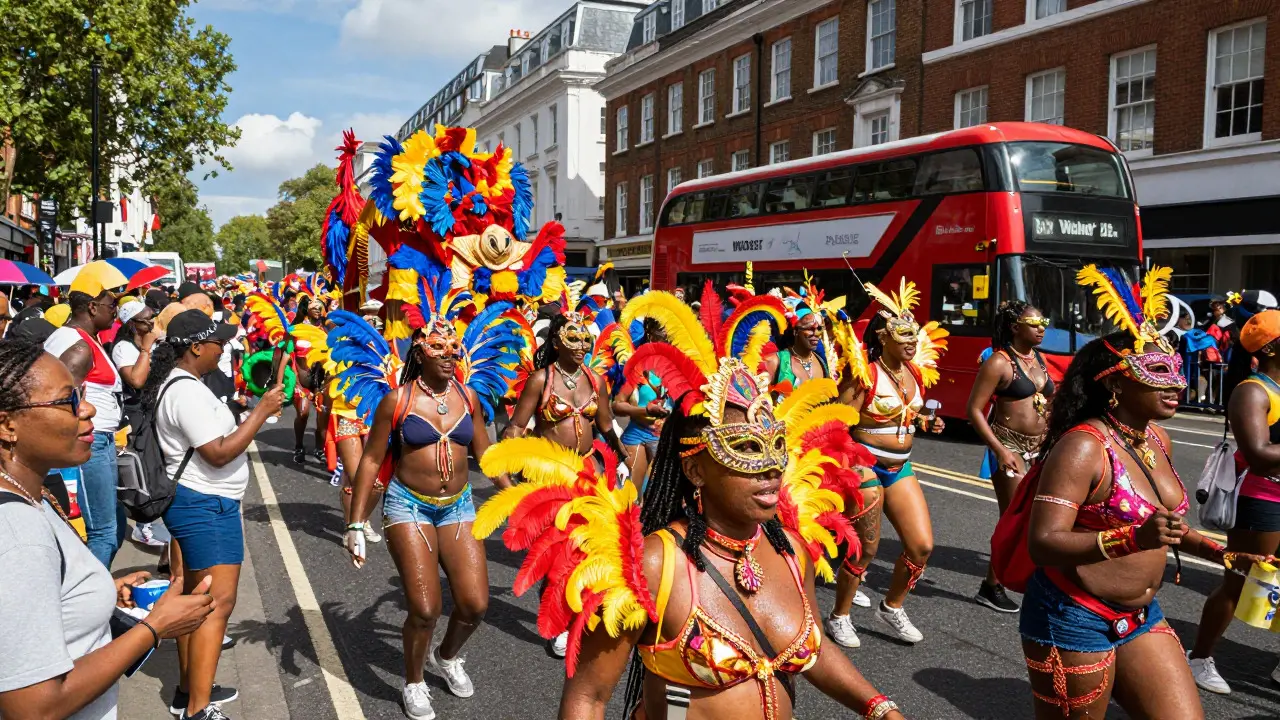
When we talk about free festivals, we aren't just referring to big-name music stages. The term covers a wide spectrum of cultural activities. Open-Air Concerts are public performances held in parks, squares, or streets where admission is typically waived. These range from local band showcases in town centers to massive national celebrations like Notting Hill Carnival, which attracts millions but remains free to enter for spectators.
Beyond music, there are Street Food Markets and Community Fairs that often operate as free-entry zones. While you will pay for the food you buy, the venue itself does not charge an admission fee. This distinction is crucial for budget planning. You can walk around, look at stalls, watch performers, and soak in the atmosphere without spending a penny until you decide to purchase something.
Another major category is Cultural Heritage Days. Many museums, galleries, and historic sites in the UK offer free general admission permanently or on specific days. For example, all National Trust properties in England and Wales are free to members, but many also host public open days where non-members can enter for free. Similarly, London Design Festival has historically offered numerous free installations across the city, allowing visitors to engage with contemporary design without purchasing a full pass.
Top Free Festivals and Events to Watch in 2026
While schedules shift slightly year to year, certain events have become staples of the UK calendar. Here are some of the most reliable free experiences you should plan around.
- Notting Hill Carnival (August): Held over two days, this is Europe's largest street festival. The parade routes are open to the public. Tip: Arrive early to secure a good viewing spot near the main stage areas in Ladbroke Grove or Westbourne Park.
- TEDx London (Various Dates): While some talks are paid, TEDx frequently hosts free community events and online broadcasts. Check their local chapter listings for in-person free sessions.
- Summer Ball (July): If you want a taste of formal dance culture without the price tag, various cities host free introductory summer balls or open dance nights in public halls.
- Local Music Weekends: Most UK cities host monthly free music weekends in central squares. These are curated by local councils and feature emerging artists.
- Art in the Parks: During the summer months, many boroughs install temporary sculptures and murals in public parks. These are permanent fixtures for the season and require no tickets.
It is worth noting that "free" does not always mean "unlimited." Some events use a reservation system even if the price is £0. For instance, popular free concerts in Hyde Park or Green Park may require you to register online to manage crowd sizes. Always check the official website of the event organizer before traveling.
Budget Hacks: Maximizing Your Experience for Zero Cost
Getting into the event is only half the battle. The other half is making sure you enjoy it comfortably without unexpected expenses. Here are practical strategies used by seasoned festival-goers.
- Use Public Transport Smartly: Most free festivals take place in urban areas well-served by buses and tubes. Buses are significantly cheaper than tube rides. In London, for example, a bus fare is much lower than a single tube journey. If you are staying nearby, walking or cycling can save you even more.
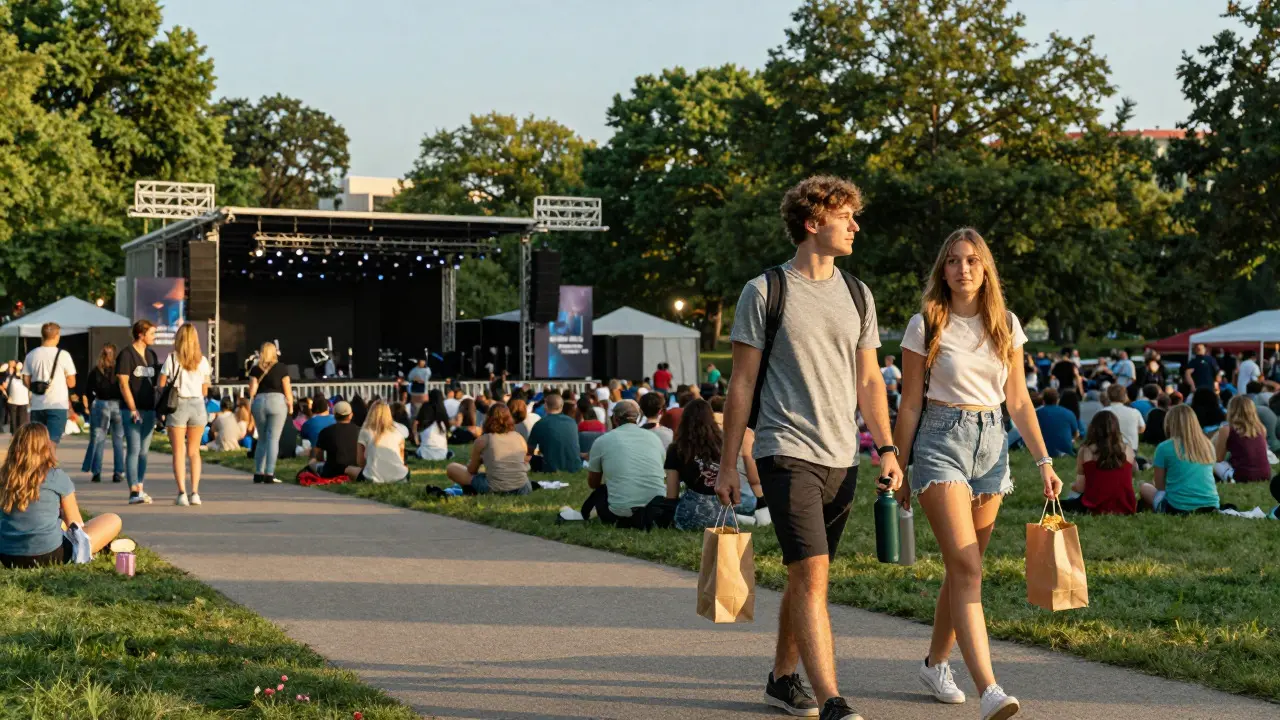
- Bring Water and Snacks: Street food at festivals can be expensive. Bringing a refillable water bottle and simple snacks from home can save you £10-£15 per person. Look for free water fountains in parks or libraries nearby.
- Check for Student or Youth Discounts: Even if an event is "free," related activities like workshops or tours might have discounted rates for under-26s or students. Carry your ID.
- Follow Local Social Media Pages: Councils and local tourism boards often announce last-minute free events on social media. Following accounts like "Visit [Your City]" or local council pages can uncover hidden gems that aren't listed on major aggregator sites.
- Time Your Visit for Off-Peak Hours: Crowds are thickest between 12 PM and 4 PM. Visiting in the late afternoon or early evening often provides a similar experience with less congestion and potentially better lighting for photos.
A common mistake is assuming that free means low quality. In reality, many free events are funded by local government grants or corporate sponsors who want brand visibility. This often results in high production values, professional sound systems, and curated lineups that rival paid venues.
Comparison: Paid vs. Free Event Experiences
To help you decide whether a free event suits your needs, let's compare the typical attributes of free versus paid festivals.
| Attribute | Free Festivals | Paid Festivals |
|---|---|---|
| Entry Cost | £0 | £30 - £200+ |
| Crowd Density | High (open access) | Moderate (ticketed capacity) |
| Amenities | Basic (public toilets, bins) | Enhanced (seated areas, VIP lounges) |
| Food & Drink Prices | Standard market rates | Premium pricing |
| Booking Required | Sometimes (for capacity management) | Always |
| Flexibility | High (come and go freely) | Low (fixed entry times) |
As you can see, free festivals offer superior flexibility and lower financial risk. If you decide the vibe isn't right, you can leave without losing money. However, you must be prepared for higher crowd densities and fewer dedicated amenities. Paid festivals offer comfort and exclusivity but come with a significant financial commitment.
Navigating Logistics and Etiquette
Attending a free event requires a bit more self-management than buying a ticket. Since there is no barrier to entry, etiquette becomes even more important to ensure everyone enjoys the experience.
First, respect the space. If you are watching a performance in a park, avoid blocking sightlines for others. Use earplugs if the sound is too loud; this is a common issue at outdoor free concerts where speakers are placed close to seating areas. Second, keep your trash with you. Public bins fill up quickly during peak hours. Carrying a small bag for your waste helps keep the area clean for the next visitor.
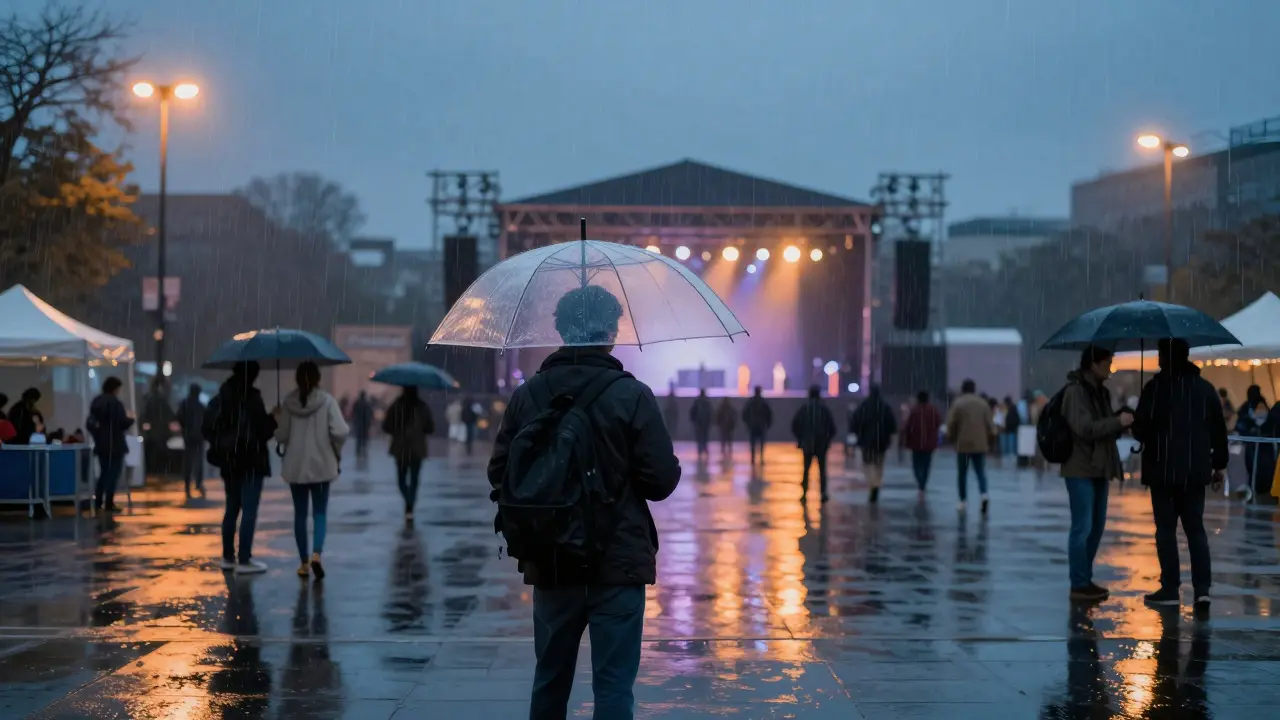
Finally, be aware of weather. Free outdoor events are rarely covered. Check the forecast the morning of your visit. A sudden rain shower can turn a pleasant day into a miserable one. Having a lightweight rain jacket or umbrella in your bag is a wise precaution.
Frequently Asked Questions
Are all free festivals really free?
Generally, yes. However, some events labeled as "free" may require a registration fee or a donation. Always read the fine print on the official event page. If it says "Free Entry," it usually means no cost to walk in. If it says "Donation Based," expect to pay a small amount at the door.
Do I need to book tickets for free events?
Not always, but increasingly yes for popular venues. Large parks like Hyde Park or Royal Albert Hall often use free booking systems to control crowd numbers. Check the event website for a "Book Now" button. If there is no booking option, it is likely first-come, first-served.
What should I bring to a free outdoor festival?
Bring comfortable shoes, a water bottle, sunscreen, a light jacket for the evening, and cash for street food. Avoid heavy bags as you may need to stand for long periods. Earplugs are also recommended for loud music areas.
How do I find free events in my local area?
Start with your local council's website, which lists community events. Follow local tourism boards on social media. Additionally, apps like Eventbrite allow you to filter searches by "Price: Free" and location. Libraries and community centers also often post physical flyers about upcoming local gatherings.
Is it safe to attend free festivals alone?
Yes, most free festivals are family-friendly and well-patrolled by police or security staff. Stick to well-lit areas and main pathways. Keep your phone charged and share your location with a friend. As with any public gathering, stay aware of your surroundings.