You can see the Rosetta Stone, Van Gogh’s Sunflowers, and Tutankhamun’s artifacts without spending a penny on entry. For most travelers, the biggest surprise about London isn’t the price of a pint or the cost of a tube ride-it’s how much world-class culture is genuinely free. The UK government has long supported public access to national collections, meaning the top-tier institutions don’t charge general admission. This saves you hundreds of pounds over a week-long trip while giving you access to some of the most significant art and history in the world.
However, "free" doesn't always mean "easy." Some of these venues require advance booking for popular exhibitions, others have strict bag policies, and a few hide behind specific opening hours that catch tourists off guard. Here is how to navigate the landscape of free cultural sites so you get the best experience without the stress.
The Big Three: Where to Start
If you only have time for three stops, make them these. They are the pillars of London’s free cultural offering, each with a distinct personality and focus.
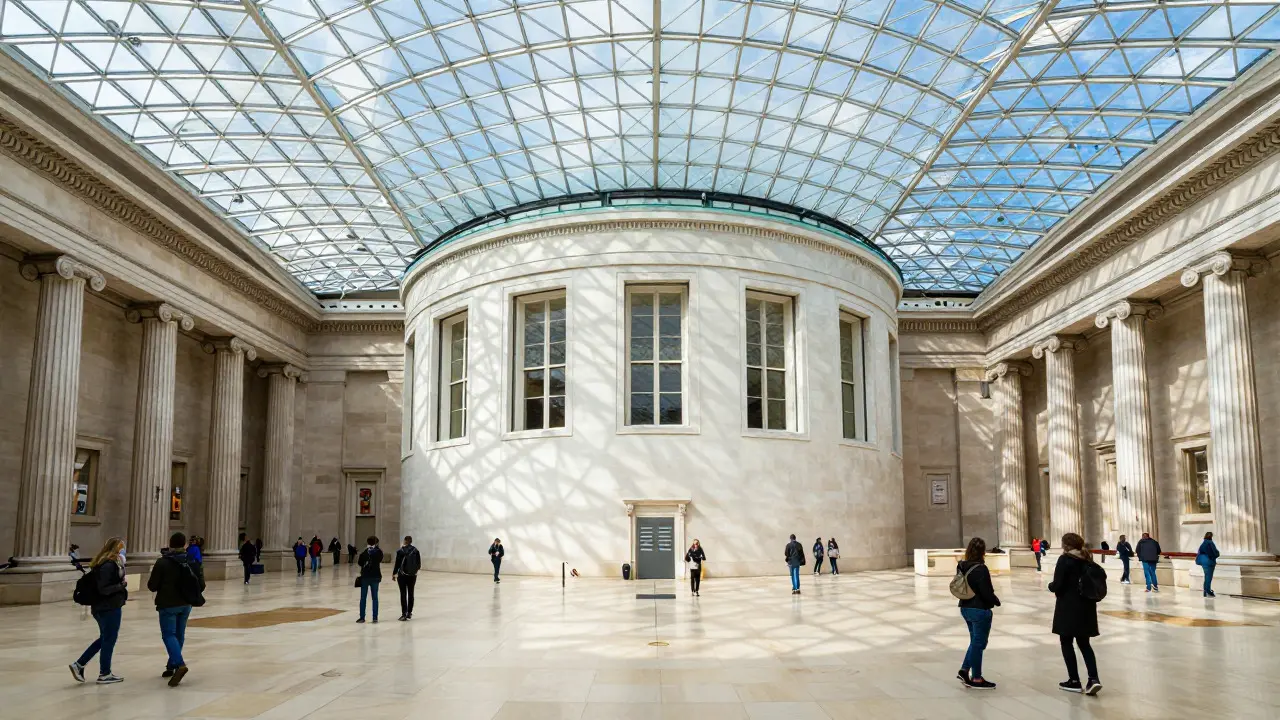
- The British Museum is a vast collection of human history and art from around the globe, housed in a neoclassical building in Bloomsbury. It holds over eight million objects. You don’t need to see everything; just walking through the Egyptian Antiquities room or the Greek and Roman sculpture gallery will take hours. The大中庭 (Great Court) itself is an architectural marvel, covered by a glass roof that floods the space with natural light.
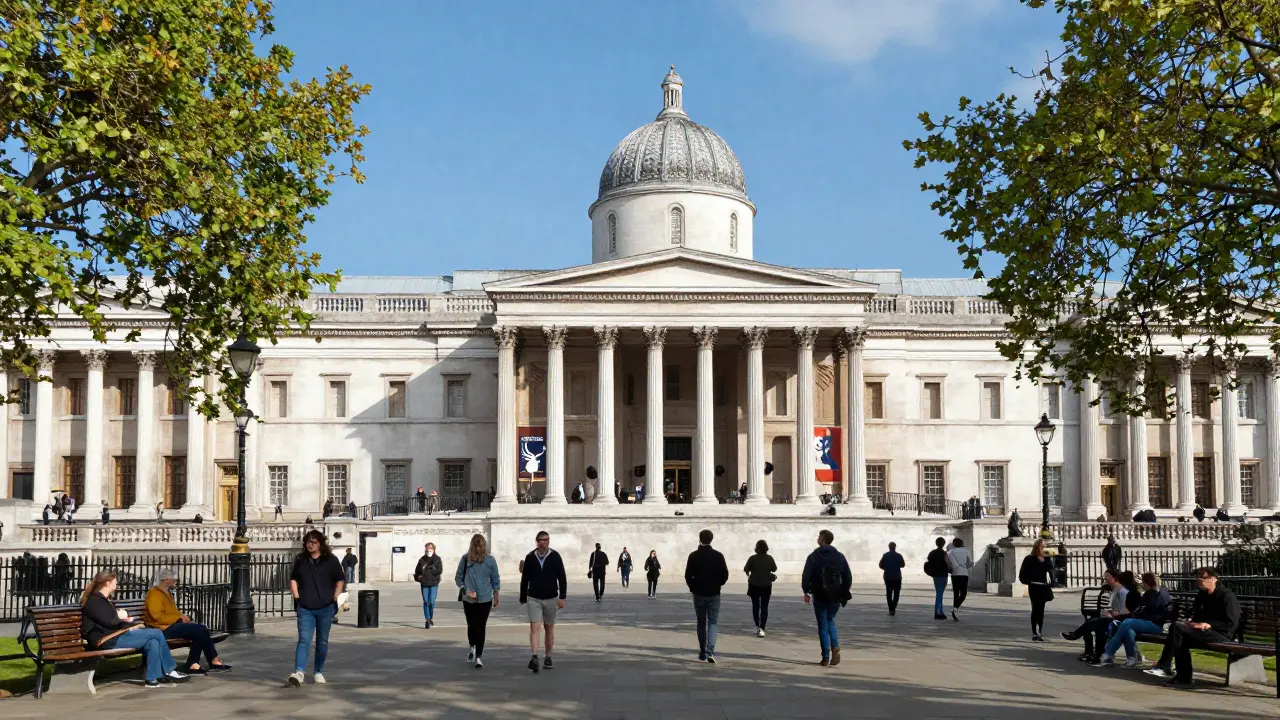
- The National Gallery is the home of Western European painting from the 13th to the 19th century, located in Trafalgar Square. Unlike the British Museum, which is global, this is focused. You’ll find works by Leonardo da Vinci, Rembrandt, and Monet. The layout is chronological, so you can literally walk through five centuries of artistic evolution. It’s quieter than its neighbors and often feels more intimate.
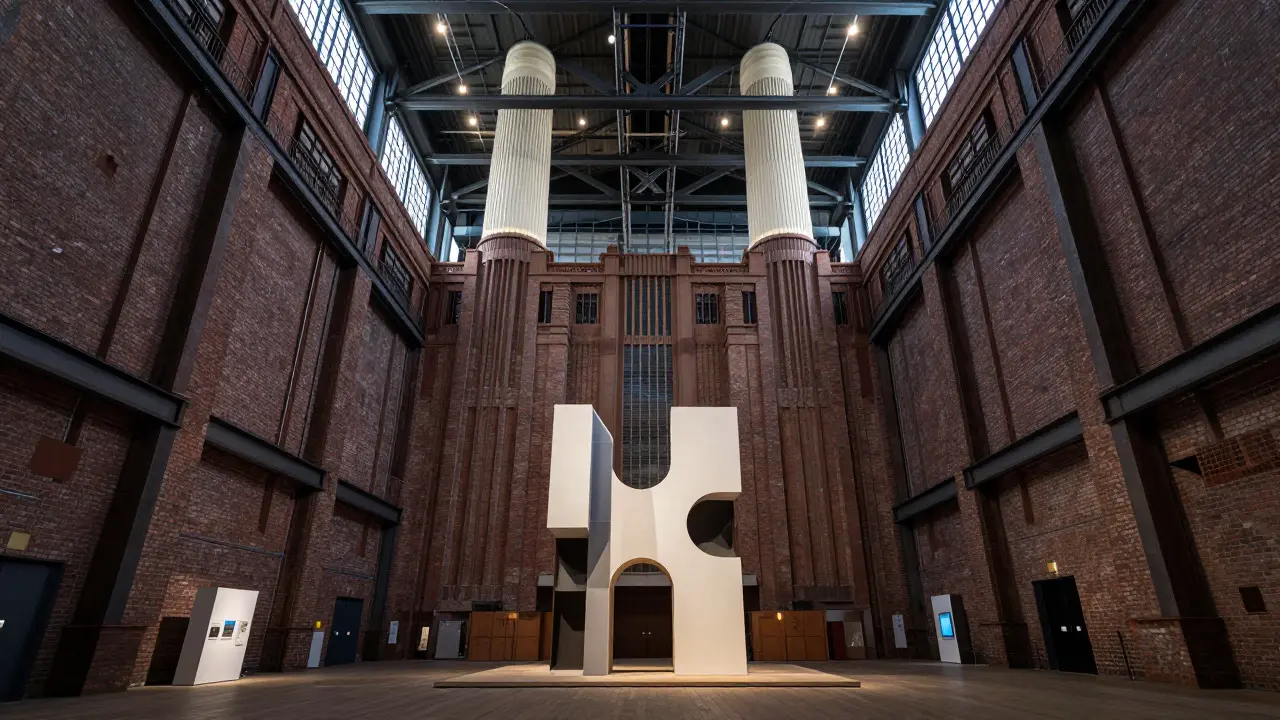
- Tate Modern is a modern and contemporary art museum housed in a former power station on the South Bank. The industrial architecture alone is worth the visit. The Turbine Hall, a massive empty space where huge installations appear, is iconic. If you prefer older art, cross the river to Tate Britain, which also offers free entry for permanent collections.
A quick tip: The British Museum is open late on Fridays until 8 PM, making it a great option if you want to avoid the midday crowds. The National Gallery is open daily, but Tuesday evenings are particularly lively due to local residents who use it as a social spot.
Beyond the Mainstream: Hidden Gems
Once you’ve checked off the big names, you might wonder what else is out there. London is packed with specialized museums that offer deep dives into specific topics, all with no entry fee.
The Science Museum is a major institution in South Kensington dedicated to science, technology, engineering, and medicine. It’s interactive, family-friendly, and surprisingly fun for adults. The Space Gallery and the computing section are highlights. Right next door is the Natural History Museum, famous for its dinosaur skeletons and the grand entrance hall. Both are part of the same complex, making it easy to spend a full day there.
For something different, head to The Victoria and Albert Museum (V&A), the world's leading museum of art, design, and performance. It’s not just paintings; it’s fashion, ceramics, furniture, and textiles. The V&A is less crowded than the British Museum and offers a unique perspective on how art intersects with daily life. The Fashion Gallery is a particular favorite, showcasing everything from medieval dress to modern haute couture.
Don’t overlook the smaller, specialized spots. The Museum of London is dedicated to the history of the city from Roman times to the present day. It’s located near Smithfield Market and offers a fascinating look at how London evolved. Similarly, the Imperial War Museum is a major museum dedicated to the history of war and conflict, with branches in London and elsewhere. The main branch in Lambeth is free and incredibly moving, with a large collection of military vehicles and aircraft.
Planning Your Visit: Practical Tips
Knowing *where* to go is half the battle; knowing *how* to go is the other. Here are some practical insights to make your trip smoother.
- Book Special Exhibitions: While general entry is free, temporary exhibitions usually cost extra. If you’re interested in a specific show, check if tickets are required. Many museums now require timed-entry tickets even for free general admission during peak seasons to manage capacity. Always check the official website before you head out.
- Respect the Bag Rules: Large bags, strollers, and umbrellas often need to be left in coat check. At the British Museum and the National Gallery, this service is free, but lines can form. Go early or late to avoid the rush. Small backpacks are usually fine, but keep valuables secure.
- Use the Free Audio Guides: Most major museums offer free audio guides via their apps or loaners (sometimes requiring a small deposit). These add context that you’d miss otherwise. Don’t skip them just because they seem like an extra step; they transform a visual tour into an educational one.
- Eat Inside or Out: Museum cafes can be pricey. Consider packing a snack or heading to nearby street food markets. Borough Market is close to Tate Modern, and Covent Garden is near the Royal Academy (though the RA charges for exhibits, the surrounding area is vibrant).
Comparison of Major Free Museums
To help you decide where to allocate your time, here’s a quick comparison of the top four free institutions based on key attributes.
| Museum | Primary Focus | Best For | Typical Visit Time | Location Area |
|---|---|---|---|---|
| British Museum | Global History & Art | History buffs, first-timers | 3-4 hours | Bloomsbury |
| National Gallery | Western European Painting | Art lovers, quiet seekers | 2-3 hours | Trafalgar Square |
| Tate Modern | Modern & Contemporary Art | Design enthusiasts, photographers | 2-3 hours | South Bank |
| V&A Museum | Art, Design & Craft | Fashion fans, interior designers | 3-4 hours | Kensington |
Notice how the location matters. Bloomsbury and Kensington are both excellent areas for walking, but they are quite far apart. Grouping visits by neighborhood saves you travel time and money on transport. For example, combine the Natural History Museum, Science Museum, and V&A in one afternoon in South Kensington. Pair the British Museum with the nearby Russell Square gardens for a break.
Common Pitfalls to Avoid
Even with free entry, you can still have a frustrating experience if you aren’t prepared. Here are the most common mistakes visitors make.
- Assuming All Galleries Are Open: Some wings are closed for maintenance or restoration. Check the current floor plan online before you arrive. A closed wing can ruin a planned route.
- Ignoring Opening Hours: Many museums are closed on Mondays (like the National Gallery) or have shorter hours on Sundays. The British Museum is open every day, but check for special closures during holidays.
- Overpacking Your Day: Trying to see too many museums in one day leads to fatigue. Quality beats quantity. Pick two or three max, and allow time to sit, reflect, and enjoy the surroundings.
- Missing the Free Tours: Many museums offer free guided tours at specific times. These are excellent for getting expert insights without paying for a private guide. Sign up at the information desk when you arrive.
Frequently Asked Questions
Are all museums in London really free?
No. Only national museums and certain state-funded institutions are free for general entry. Private museums, such as the Wallace Collection or the Saatchi Gallery, may charge fees. Additionally, temporary exhibitions at free museums often require paid tickets. Always verify the specific policy for the exhibit you want to see.
Do I need to book tickets in advance for free museums?
It depends. During peak tourist seasons (summer and holidays), some museums like the British Museum and the National Gallery may require timed-entry reservations to manage crowd sizes. Off-peak, walk-ins are usually accepted. Checking the official website a few days before your visit is the safest approach.
What is the best museum for families with children?
The Science Museum is generally considered the best for families due to its interactive exhibits and hands-on activities. The Natural History Museum is also very popular with kids because of the dinosaurs and animal displays. Both have dedicated family zones and regular children’s programs.
Can I bring a camera into free museums?
Yes, personal photography is allowed in most free museums for non-commercial use. Tripods and flash photography are usually prohibited. Professional shoots typically require a permit. Always check the specific rules for each venue, as some special exhibitions may restrict photography.
How much time should I budget for a single museum?
Plan for at least 2-3 hours for a major museum like the British Museum or the V&A. Smaller galleries like the National Portrait Gallery can be seen in 1-2 hours. Remember to factor in time for lunch, rest breaks, and potential queues for coat check or audio guides.