Hampstead Heath Guide: How to Explore Parliament Hill and the Ponds
Standing on Parliament Hill is a type of experience that only North London can offer. You are looking down at the city skyline, but you are also standing in a wild, untamed landscape that feels miles away from the nearest tube station. If you are planning a visit to Hampstead Heath, this guide will help you navigate its unique geography, hidden corners, and practical logistics without getting lost in the maze of paths.
Quick Summary / Key Takeaways
- Hampstead Heath is not a single park but a collection of distinct zones including heathland, ponds, and woodland.
- The best time to visit is late afternoon for golden light and fewer crowds, though early morning is best for wildlife watching.
- You need to plan your route carefully; the Heath is large (about 320 hectares) and easy to get disoriented in if you wander off the main tracks.
- Facilities are limited in the deep heath areas, so bring water and snacks, especially if you are heading toward the upper parts of the hill.
Understanding the Layout: Why It Feels So Big
Many first-time visitors underestimate the scale of the Heath. At roughly 320 hectares, it is significantly larger than Hyde Park or Regent's Park combined. The terrain is not flat; it consists of sandy soil that supports specific vegetation like heather and gorse. This natural composition means the ground can be soft, uneven, and sometimes muddy after rain. When you step off the paved paths near the entrance, you enter a semi-wild environment where signage is sparse. Understanding this layout is crucial because there is no central "main square" like in other London parks. Instead, the space is defined by three main components: the open heath, the wooded areas, and the body of water known as the Hampstead Ponds.
The Ponds act as a natural barrier and a focal point. They split the Heath into two distinct halves. The southern half is closer to the residential streets of Hampstead Village and tends to be more accessible. The northern half, which includes Parliament Hill, is more remote and offers the iconic views. Navigating between these two halves requires crossing the footbridges over the Ponds or walking around the perimeter, which adds significant distance to your walk. If you are coming from the south, budget an extra 15-20 minutes just to cross over to the hill.
Getting There: Transport and Parking Realities
Accessing the Heath depends heavily on which side you enter from. The most popular entry points are near Kensal Rise and Swiss Cottage tube stations. From Swiss Cottage, you walk north along Hampstead High Street, passing the village shops before reaching the southern edge of the Heath. This route is busy with pedestrians and cyclists, making it safe for families but potentially noisy for those seeking quiet.
If you are driving, parking is the biggest challenge. The Heath itself has very few official car parks. Most visitors use the paid parking lots in the surrounding neighborhoods, such as the lot near the Hampstead Theatre or the spaces along Frognam Road. However, street parking in the conservation area is strictly enforced with yellow lines and resident-only zones. A practical tip: arrive before 9 AM on weekends if you drive, or use public transport to avoid the stress of circling for a spot. Buses 134 and C10 also provide direct access to the northern entrances, which is ideal if your primary goal is climbing Parliament Hill immediately.
The View from Parliament Hill: What to Expect
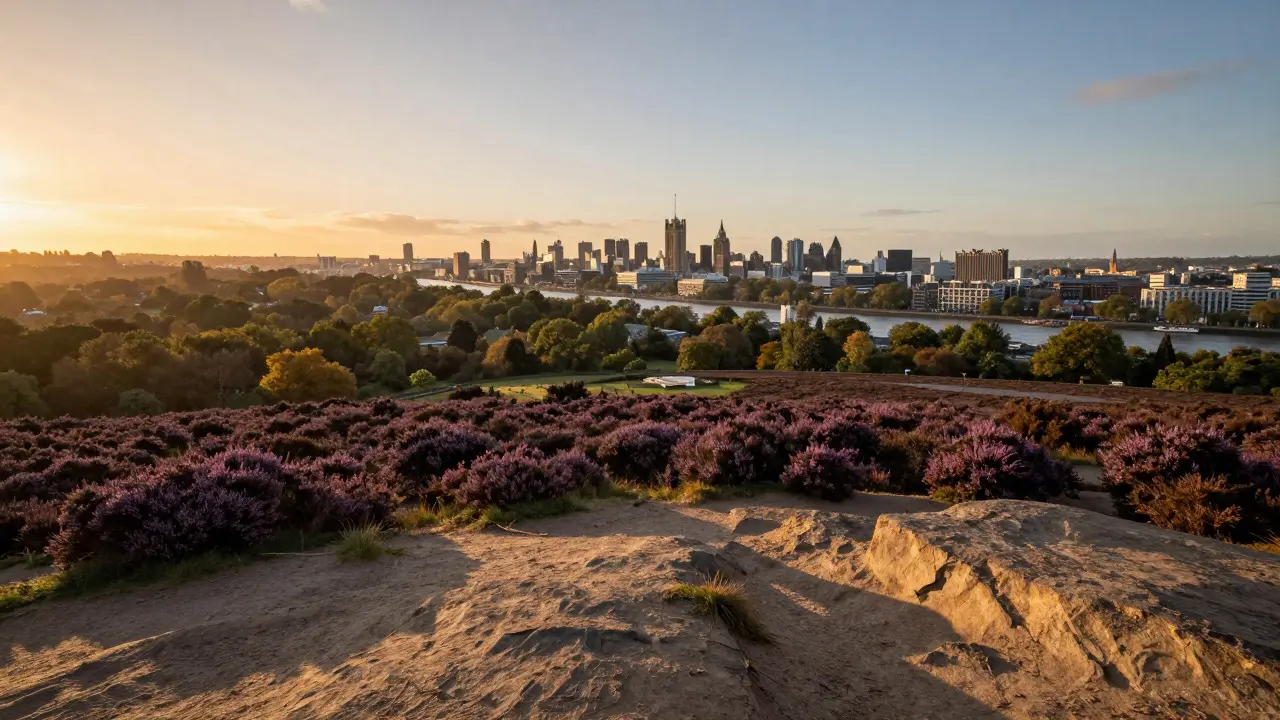
Parliament Hill is the highest point in the immediate vicinity, sitting at about 100 meters above sea level. The climb is short but steep, involving a series of switchbacks through dense trees before opening up to the summit. The view is famous for a reason: on clear days, you can see the entire length of the Thames, the City of London, and even the distant hills of Surrey. It is one of the few places in central London where you can see the city from a true vantage point rather than from a rooftop bar.
However, the experience changes drastically depending on the weather and time of day. In winter, the bare trees allow for unobstructed views, but the wind can be biting. In summer, the foliage creates a green canopy that frames the city beautifully, but visibility drops during heatwaves due to haze. The hill is also a historic site; it was used as a lookout during the Napoleonic Wars and remains a popular spot for birdwatchers. Bring binoculars if you want to spot peregrine falcons nesting in the nearby chimneys. Just remember that the summit is small and gets crowded quickly on sunny afternoons, so go early if you want peace and quiet.
Beyond the Hill: Exploring the Ponds and Woodlands
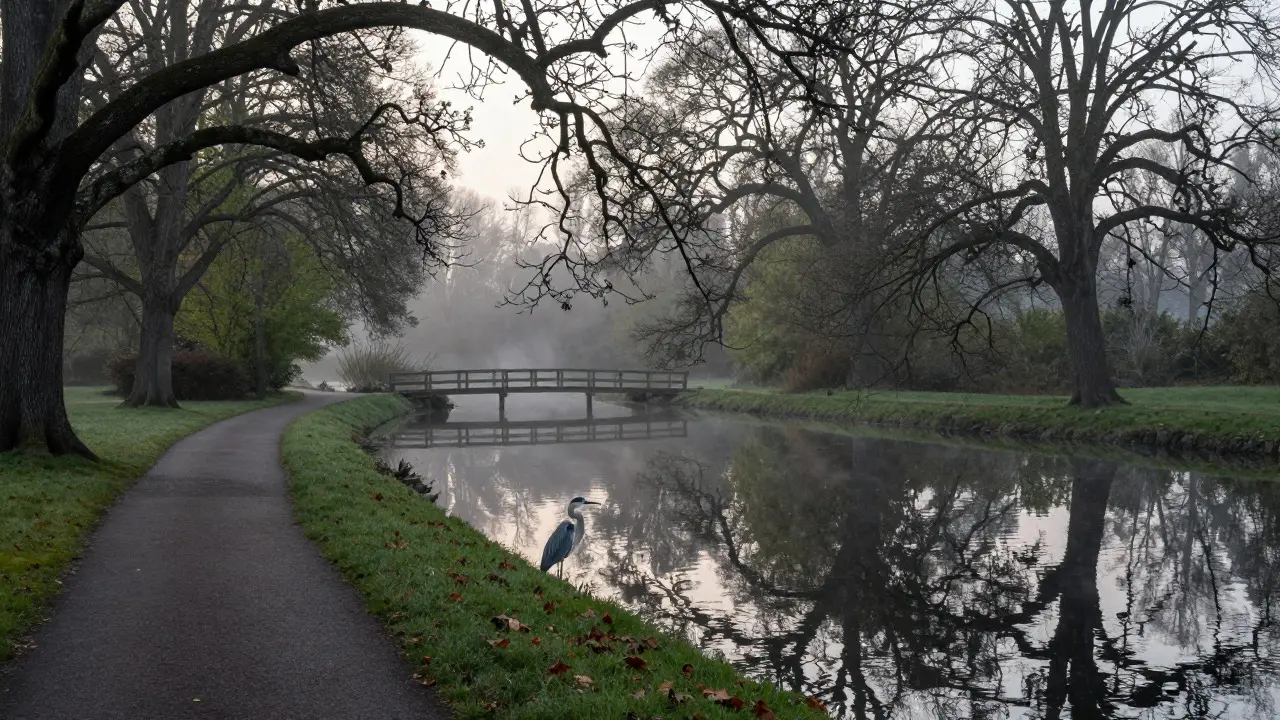
While Parliament Hill draws the crowds, the real character of the Heath lies in its lower levels. The Hampstead Ponds are man-made reservoirs built in the 18th century to supply water to the local houses. Today, they serve as a haven for wildlife, including herons, kingfishers, and various species of duck. The path around the Ponds is flat and suitable for strollers and dogs, offering a gentle contrast to the rugged terrain of the hill. You can rent rowboats here in the warmer months, which provides a unique perspective on the trees lining the shore.
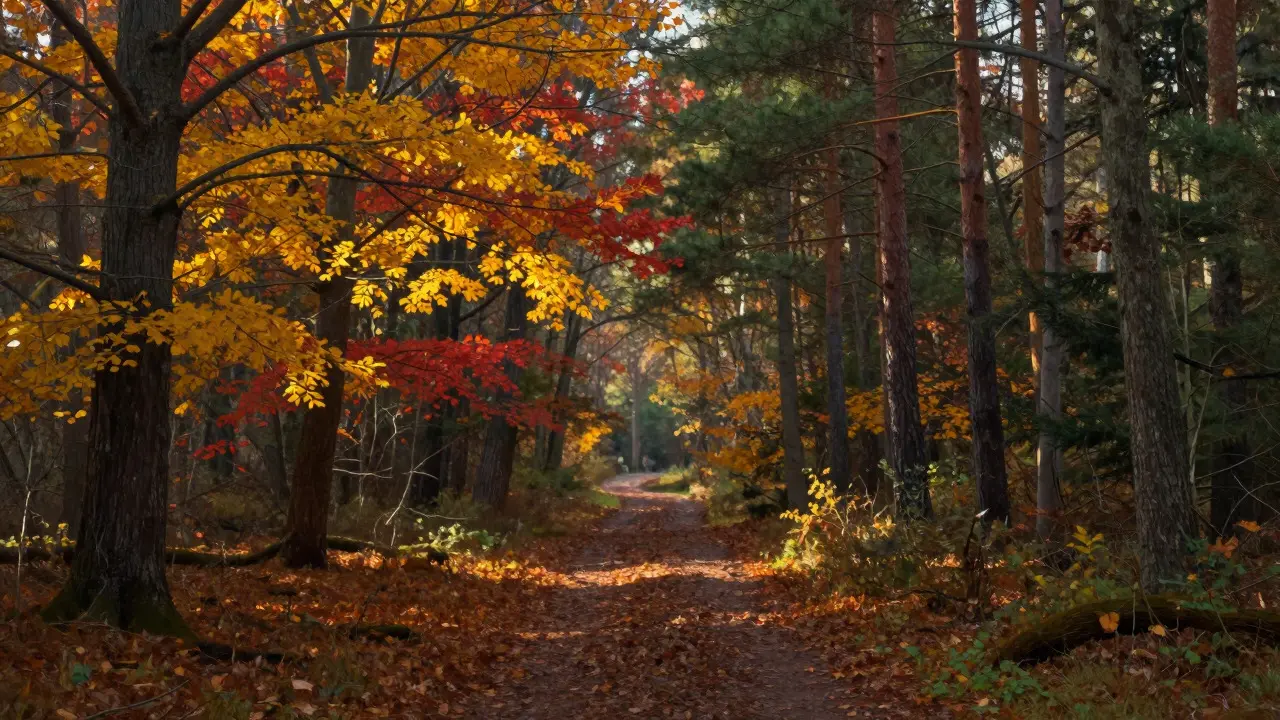
Further east, the Heath transitions into denser woodland areas. These sections are less developed and feel more like a forest than a park. Paths here are narrower and often covered in fallen leaves. This is where you will find the quieter, more secluded spots perfect for reading or meditation. Keep in mind that mobile signal is weak in these deep woods, so download offline maps before you head out. The transition from the open heath to the enclosed woodlands happens gradually, marked by the increasing density of oak and pine trees. It is a sensory shift from the wide-open sky to the dappled light of the forest floor.
Practical Tips for Your Visit
- Footwear: Wear sturdy shoes or boots. The sand on the Heath can be loose, and the paths can become slippery when wet. Avoid high heels or delicate sneakers.
- Hydration: There are no water fountains in the deep heath areas. Carry a bottle, especially if you are visiting in summer when temperatures can soar.
- Dogs: Dogs must be kept on leads during the breeding season (April to July) to protect nesting birds. Outside this period, they can roam freely, but always clean up after them.
- Cycling: Cycling is allowed on designated paths, but it is prohibited on the main heathland to protect the ground. Stick to the paved roads and gravel paths near the edges.
- Photography: The best photos are taken at dawn or dusk. Midday sun creates harsh shadows and washes out colors. Golden hour transforms the heather into vibrant purples and oranges.
Seasonal Considerations
Each season offers a different version of the Heath. Spring brings fresh green shoots and the return of migratory birds, making it a prime time for nature enthusiasts. Summer is the busiest period, with the heather blooming in purple hues across the landscape. However, the heat can make the open areas uncomfortable, so stick to the shaded woodlands during midday. Autumn is arguably the most beautiful time to visit, as the trees turn gold and red, providing stunning backdrops for photography. Winter is the quietest, with frost covering the heath and the city skyline appearing crisp against the grey sky. If you dislike crowds, aim for a weekday morning in November or January.
Comparison of Entry Points
| Entry Point | Nearest Tube Station | Best For | Crowd Level |
|---|---|---|---|
| Southern Edge (Hampstead High St) | Swiss Cottage | Families, quick walks, accessing the Ponds | High on weekends |
| Western Edge (Kensal Rise) | Kensal Rise | Direct access to Parliament Hill, quieter atmosphere | Moderate |
| Northern Edge (Frognam Rd) | None (Bus/Cycle) | Woodland exploration, avoiding main crowds | Low |
Frequently Asked Questions
Is Hampstead Heath free to enter?
Yes, Hampstead Heath is free to enter. There are no admission charges for walking, cycling, or using the facilities. However, parking nearby may incur fees, and boat rentals at the Ponds cost extra.
How long does it take to walk the entire Heath?
It takes approximately 2 to 3 hours to walk the full perimeter of the Heath at a leisurely pace. If you include detours to Parliament Hill and the Ponds, budget 3 to 4 hours for a comprehensive visit.
Are there toilets on the Heath?
There are public toilets located near the main entrances, particularly close to the Ponds and the southern edge. However, there are no facilities in the deep heath or woodland areas, so plan accordingly.
Can I have a picnic on the Heath?
Yes, picnics are encouraged. There are many grassy areas suitable for spreading a blanket. Just ensure you pack out all your trash, as bins are scarce in the interior regions. Avoid lighting fires unless in designated areas.
Is Parliament Hill accessible for people with mobility issues?
The path to Parliament Hill is unpaved and steep, making it difficult for wheelchairs or strollers. The lower areas around the Ponds are flatter and better suited for accessibility, but the summit itself requires a significant physical effort.