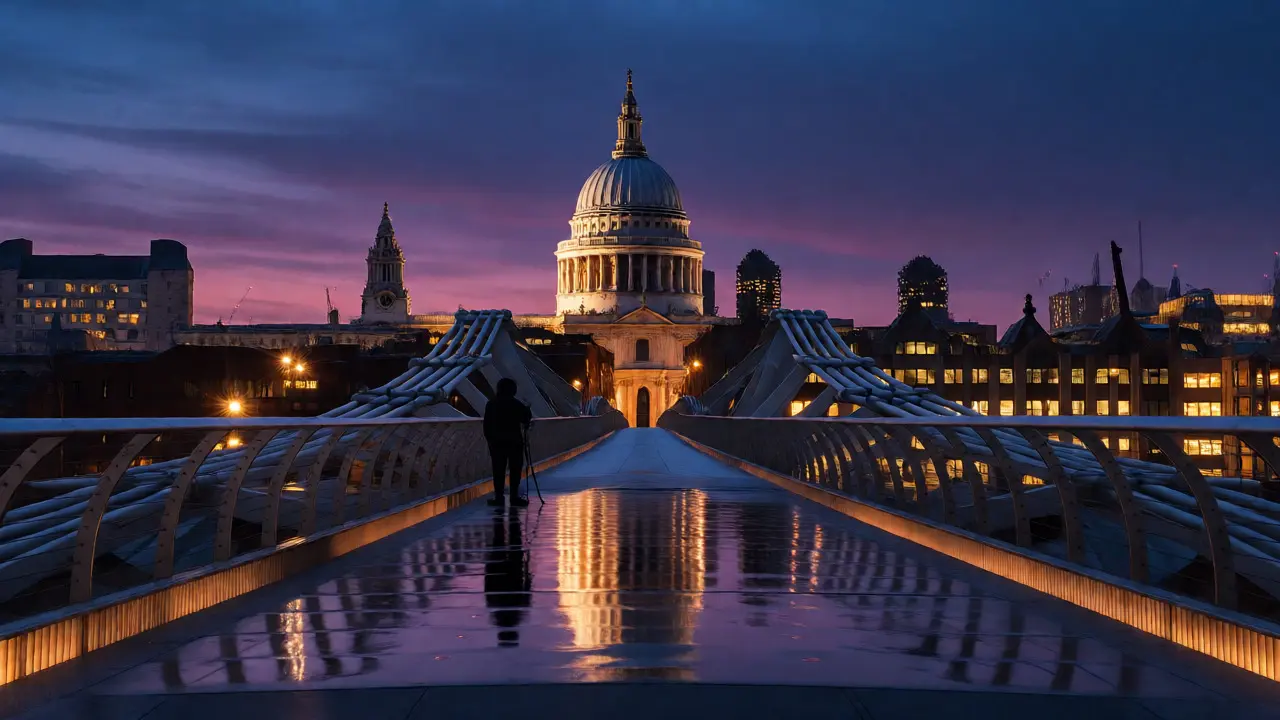
You arrive at the Millennium Bridge, camera in hand, ready to capture that iconic view of St Paul’s Cathedral. But instead of an empty frame, you’re staring at a sea of selfie sticks and tour groups blocking your shot. Sound familiar? It’s the classic London photographer’s dilemma: how do you get those clean, cinematic shots when the city is teeming with millions of visitors every day?
The truth is, avoiding crowds isn’t just about waking up early-though that helps. It’s about understanding the rhythm of the city, knowing where the tourists go versus where the locals go, and using light to your advantage. Whether you’re shooting for Instagram, a portfolio, or just personal memories, timing is everything. Here is how you can beat the rush and capture London like a pro.
Mastering the Golden Hour (and Blue Hour)
If there is one rule that separates amateur snapshots from professional-looking images, it’s lighting. In London, the Golden Hour is the period shortly after sunrise or before sunset when the sun is low on the horizon, casting a warm, diffused light. During this time, shadows are long but soft, and the harsh midday glare that washes out colors disappears.
But here’s the trick most people miss: the Blue Hour is the twilight phase immediately following sunset or preceding sunrise when the sky takes on a deep blue hue. This is often better than golden hour for urban landscapes because the city lights start to twinkle against the darkening sky, creating a magical contrast without the chaos of daytime traffic.
- Sunrise Advantage: Most tourists are still asleep or having breakfast. You might have landmarks like Tower Bridge entirely to yourself for 30 minutes.
- Sunset Strategy: Arrive 45 minutes before sunset. Set up your tripod while the light is still good, then wait for the blue hour as the crowds thin out slightly.
- Seasonal Shifts: In October 2026, sunrise is around 7:15 AM and sunset around 6:15 PM. Adjust your alarm accordingly!
The Early Bird Gets the Frame
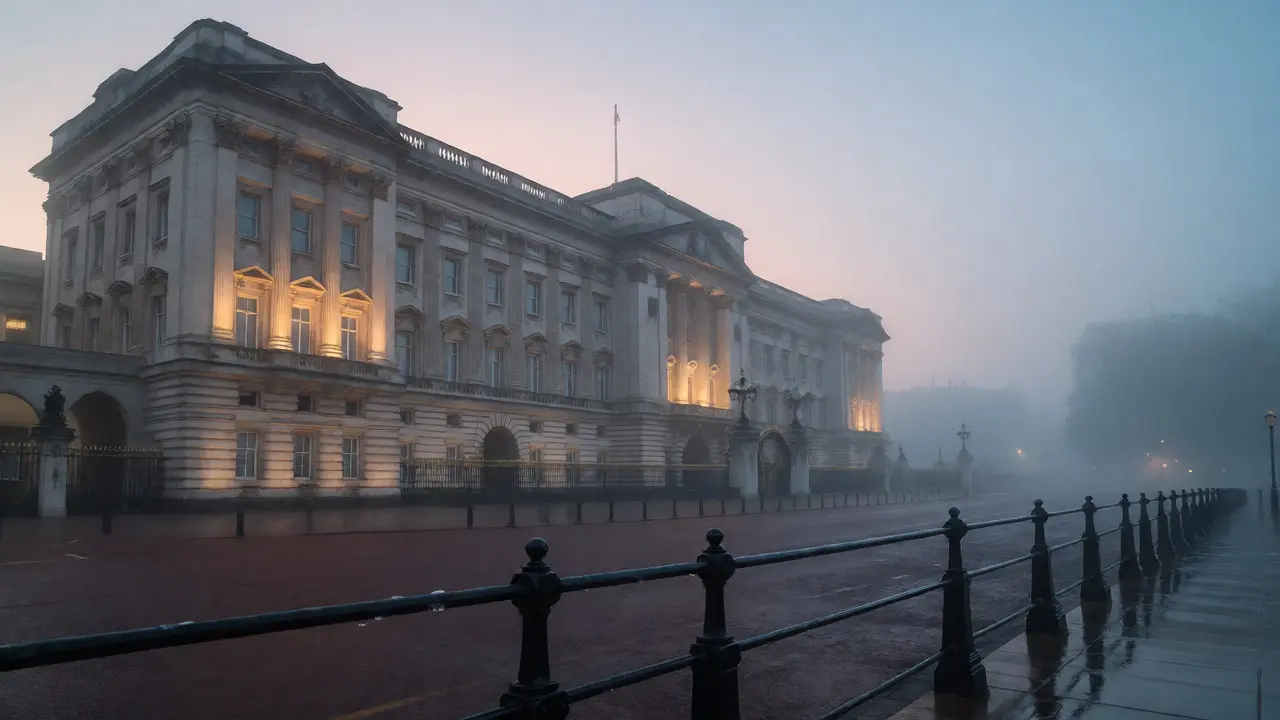
Yes, we said it before, but let’s be specific. "Early" means different things depending on the spot. For major attractions like Buckingham Palace, the official residence of the British monarch located in Westminster, arriving at 9:00 AM is too late. The Changing of the Guard draws massive crowds by then.
For Buckingham Palace, aim for 6:30 AM to 7:30 AM. The streets are eerily quiet, and the morning mist adds atmosphere. For commercial areas like Covent Garden, come at 8:00 AM before the shops open and the buskers set up. If you hate waking up early, consider the opposite: night photography. London looks incredible under streetlights, and the number of people drops significantly after 10:00 PM.
| Landmark | Best Time (Weekdays) | Best Time (Weekends) | Crowd Level at Noon |
|---|---|---|---|
| Tower Bridge | 6:30 AM - 7:30 AM | 6:00 AM - 7:00 AM | High |
| Westminster Abbey | Before Opening Hours | Before Opening Hours | Extreme |
| Shoreditch Walls | 9:00 AM - 10:00 AM | 8:00 AM - 9:00 AM | Medium |
| Greenwich Park | Anytime (Large Area) | 8:00 AM - 10:00 AM | Low-Medium |
Go Where the Tour Buses Don't
Most tourist itineraries follow a predictable path: Westminster, South Bank, Tower of London, Covent Garden. If you want empty frames, step off this beaten track. London has dozens of stunning spots that look just as impressive but receive a fraction of the footfall.
Instead of the crowded Millennium Bridge, a pedestrian suspension bridge connecting Bankside and the City of London, try the Blackfriars Bridge. It offers similar views of St Paul’s and the City skyline, but fewer people stop to take photos there. Similarly, skip the packed Leadenhall Market during lunch hours and visit early morning or late evening for that Harry Potter-esque vibe without the queues.
Consider these underrated alternatives:
- Dennis Severs’ House: A frozen-in-time Huguenot silk merchant’s home in Spitalfields. No tripods allowed, but the ambient light is perfect for intimate shots.
- St Dunstan-in-the-East: A bombed-out church garden near the Tower of London. It’s lush, green, and surprisingly quiet even during the workday.
- Royal Albert Dock: Far east in Greenwich, offering industrial chic architecture and river views without the central London congestion.
Use Weather as Your Ally
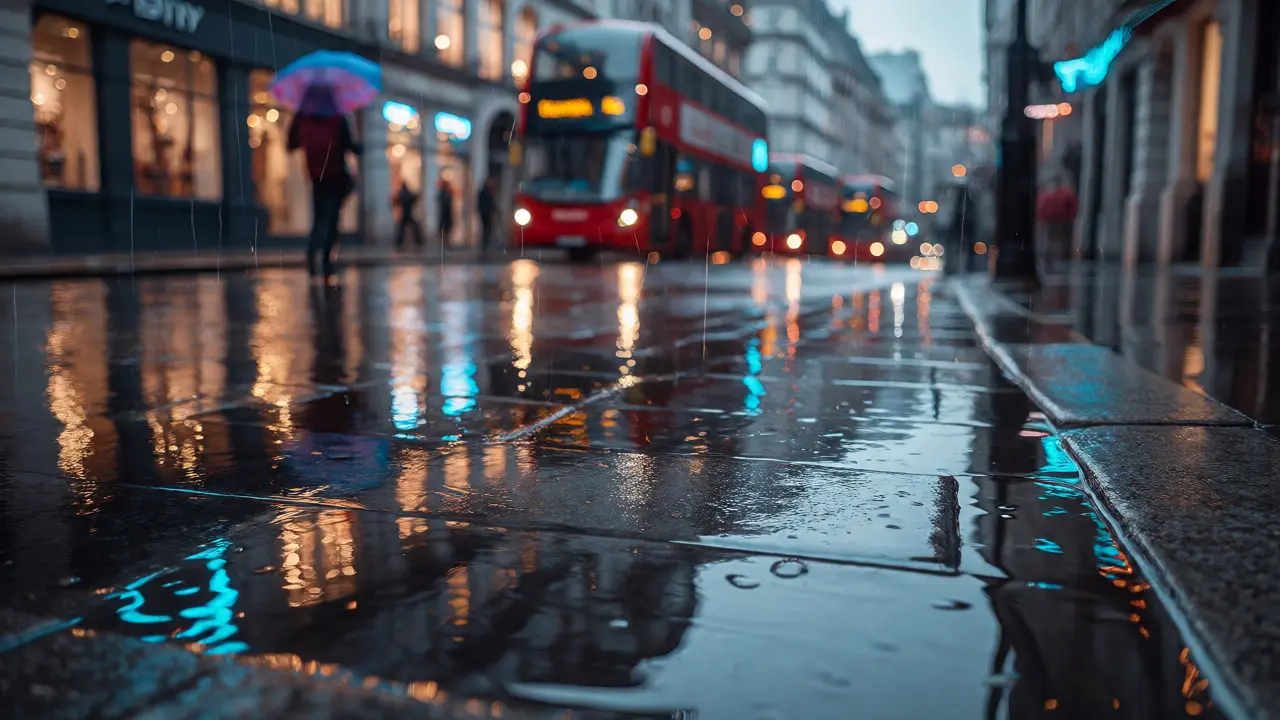
Londoners complain about rain, but photographers love it. Why? Because rain clears out the casual tourists. If it’s drizzling, the number of people walking around with expensive cameras drops dramatically. Plus, wet surfaces create reflections that double the visual impact of your photos.
Don’t pack your gear away when clouds roll in. Overcast days provide natural softbox lighting, which is ideal for portraits and detailed architectural shots. There are no harsh shadows to dodge, and skin tones look smoother. If you catch a break in the clouds with sun rays piercing through, you’ve hit the jackpot. These dramatic skies are rare and fleeting, so keep your camera ready.
Pro tip: Carry a small microfiber cloth. Raindrops on your lens ruin sharpness instantly. Wipe frequently if you’re shooting in damp conditions.
Leverage Technology and Local Knowledge
You don’t need to guess where the crowds are. Use data to your advantage. Apps like Google Maps show "Popular Times," indicating how busy a location is right now compared to typical levels. Check this before you leave your hotel.
Also, engage with local communities. Follow London-based photographers on social media who share real-time updates. Sometimes a specific area will be unexpectedly closed or exceptionally busy due to filming permits or events. Knowing this saves you a wasted trip.
Another trick: shoot from unusual angles. Everyone shoots the front of Big Ben. Try capturing its reflection in a puddle, or frame it through the branches of a tree in Victoria Tower Gardens. By changing perspective, you reduce the likelihood of other tourists being in your frame, even if they are present in the background.
Respect and Etiquette Matter
While you’re trying to avoid crowds, remember that public spaces belong to everyone. If you’re using a tripod in a narrow alleyway, be mindful of pedestrians. Don’t block entrances or paths for more than a few minutes. Being polite goes a long way; a simple smile and nod can prevent awkward interactions if someone accidentally walks into your shot.
Some spots, like certain parts of the National Gallery forecourt or private estates, may require permission for professional equipment. Always check signage. If you’re using a drone, note that flying over central London is heavily restricted and generally requires special licenses. Stick to ground-level creativity unless you have proper authorization.
What is the single best time of day for photography in London?
The absolute best time is usually the first 30 minutes after sunrise on weekdays. At this time, most tourists are still asleep, delivery trucks are finishing their rounds, and the light is soft and directional. Sunset is also excellent, but expect more competition for space.
Can I use a tripod everywhere in London?
No. Many indoor venues, such as museums and churches, prohibit tripods. Outdoors, some bridges and narrow sidewalks restrict them to prevent obstruction. Always look for signs or ask staff. A flexible GorillaPod or handheld stabilization techniques are great alternatives.
Is London safe for solo photographers at night?
Generally, yes, especially in central areas like Westminster and South Bank, which remain well-lit and patrolled. However, stay aware of your surroundings. Keep your gear close, avoid isolated parks after dark, and stick to main roads. Using a discreet bag rather than a flashy camera backpack can help.
How does the Tube schedule affect photo opportunities?
The Tube starts running around 5:00 AM. If you want to reach outer boroughs like Greenwich or Richmond before the crowds, you’ll need to rely on night buses, taxis, or walking. Central London spots are accessible earlier via night buses, making them easier targets for dawn shoots.
What should I do if it rains all day?
Embrace it! Rainy days offer unique photographic opportunities with reflections, moody atmospheres, and umbrellas adding color pops. Focus on macro details, windows, and street life. Just protect your gear with a rain cover and bring plenty of lens cloths.