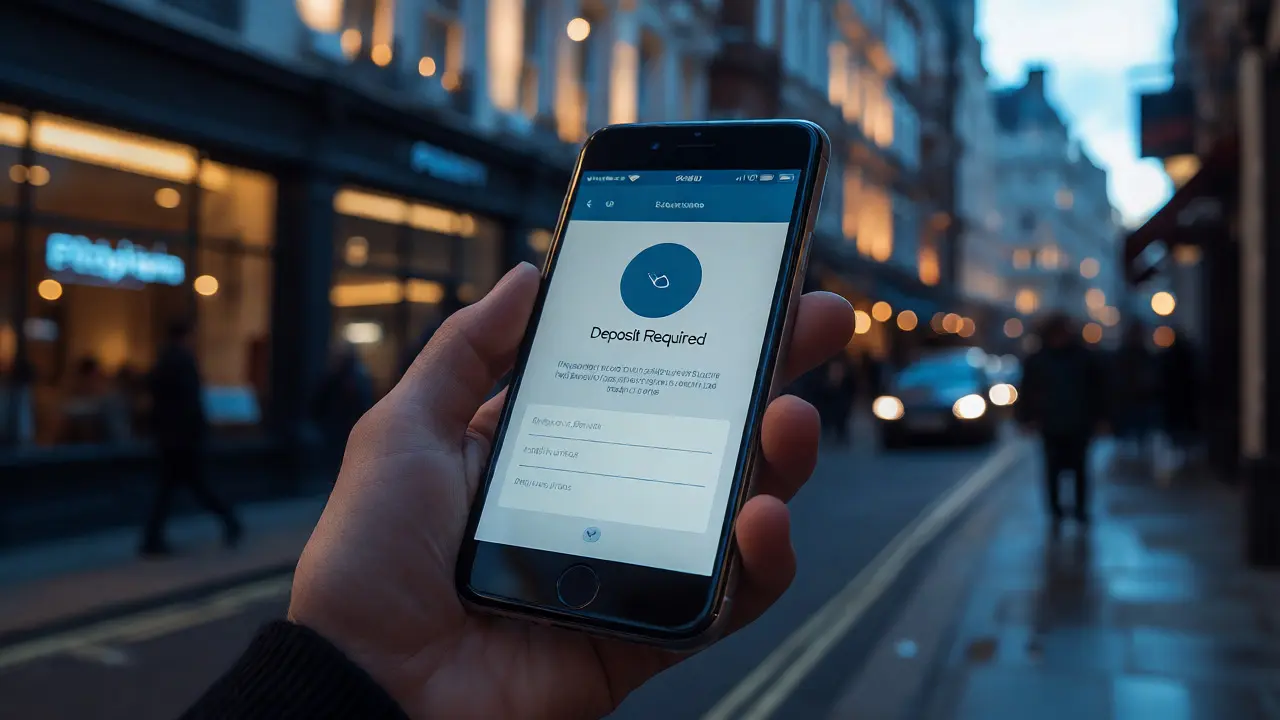
You’ve picked the perfect spot in Shoreditch or Mayfair, checked the menu, and you’re ready for a night out. But then you hit the wall: "Deposit required." Or worse, you show up expecting a leisurely three-hour dinner, only to be told your table is yours for exactly 90 minutes. Booking a table in London isn’t just about picking a date; it’s about navigating a complex web of financial commitments and strict schedules.
Why do some places demand £20 per head while others don’t? Why does that trendy Soho bistro cut your evening short? This guide breaks down exactly how London restaurant booking works today, so you can secure your table without surprises.
The Deposit Reality Check
If you’re new to London’s dining scene, the concept of a deposit might feel aggressive. In many cities, you just show up. In London, especially at popular spots, money changes hands before you even taste the bread basket. This isn’t just greed; it’s a survival mechanism for restaurants dealing with high no-show rates.
OpenTable and SevenRooms are the two platforms dominating the reservation landscape here. When you book through them, you’ll often see a small hold on your card. For most mid-range places, this is around £10-£20 per person. If you cancel within the allowed window (usually 24 hours), you get it back. If you ghost them, they keep it.
But there’s a difference between a "hold" and a "deposit." A hold is temporary authorization. A deposit is an actual charge. High-end venues like those in the Michelin Guide often require non-refundable deposits if you cancel late. Always read the fine print on the confirmation email. It explicitly states whether your money is safe until you arrive or if it’s gone the moment you click "confirm."
Understanding Table Time Limits
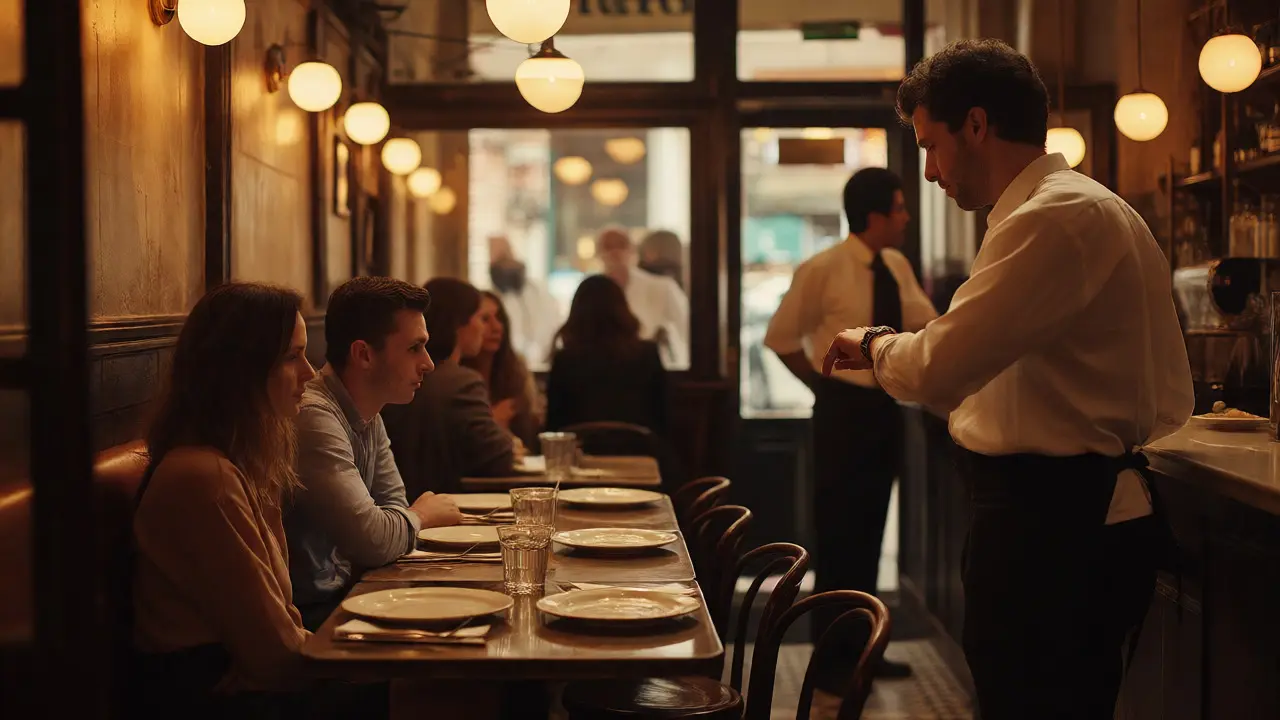
This is the part that trips people up the most. You book a table for 7:30 PM, but the system notes "90-minute seating." Does that mean you have to leave at 9:00 PM sharp? Not necessarily, but you need to manage expectations.
Time limits exist because London real estate is expensive. A table sitting idle for ten minutes after dessert costs the owner money. Most modern systems use dynamic seating times. If you’re eating alone or as a couple, you might get a shorter slot than a group of six.
| Venue Type | Avg. Time Limit | Flexibility Level |
|---|---|---|
| Casual Chains (e.g., Wagamama) | No strict limit | High |
| Trendy Bistros (Soho/Shoreditch) | 90-120 mins | Medium |
| Fine Dining / Michelin Star | 150-180 mins | Low (Tasting menus fixed) |
| Hotel Restaurants | Variable | High (if not fully booked) |
At casual chains like Wagamama or Pret A Manger, nobody is watching the clock. But at a hot new opening in Bermondsey, the staff might gently hint that your table is needed for the next party at 9:30 PM. If you want to linger over wine, ask specifically when booking: "Is there a hard stop on our table?"
Which Platform Should You Use?
Not all booking engines are created equal. Knowing which one a restaurant uses can save you fees and headaches.
ResDiary is widely used by independent London pubs and gastropubs. It’s known for being user-friendly and rarely charges hidden service fees on the booking itself, though the restaurant sets its own cancellation policy.
OpenTable is the giant. It’s reliable, has a massive inventory, and integrates well with loyalty programs. However, some users report that OpenTable sometimes shows availability that isn’t actually available due to sync delays. Always call ahead if you’re making a critical reservation for a large group.
SevenRooms is the favorite among hipster cafes and high-end chefs. It offers more customization for special requests. If you have dietary needs, SevenRooms allows you to input detailed notes that go directly to the kitchen, whereas other platforms might bury them in a general comment box.
Navigating Cancellation Policies
Life happens. You get stuck in traffic, work runs late, or you simply change your mind. Here is how to handle cancellations without losing your wallet.
- The 24-Hour Rule: Most London restaurants enforce a 24-hour cancellation window. Cancel before this deadline, and you pay nothing. After this, you risk losing your deposit.
- The "No-Show" Penalty: If you don’t show up and didn’t cancel, expect to lose the full deposit amount. Some places now charge a flat fee (e.g., £50) regardless of party size for no-shows.
- Large Groups: For parties of 6+, policies are stricter. They may require a credit card guarantee upfront and charge a percentage of the estimated bill if you cancel last minute.
Pro tip: If you’re unsure about your plans, book a time slot that is less desirable (like 5:30 PM or 9:30 PM). These slots often have looser cancellation terms because the restaurant is eager to fill them.
Insider Tips for Better Tables
Booking online is convenient, but it’s impersonal. If you want the best experience, you need to play the game differently.
First, avoid peak times if you can. Friday and Saturday nights at 7:30 PM are the hardest slots to get. Try Sunday lunch instead. Many top-tier London restaurants serve their best menus on Sundays, and the atmosphere is generally more relaxed. Plus, you’re more likely to get a corner booth.
Second, mention occasions. If it’s a birthday or anniversary, say so in the "Special Requests" field. While not guaranteed, good hosts will try to seat you somewhere nicer. Just don’t promise them you’re ordering the whole tasting menu unless you intend to.
Third, consider the "walk-in" gamble. If a place doesn’t take reservations, or if you’re flexible, walking in during off-peak hours (2:00 PM - 5:00 PM) can be rewarding. You’ll often get immediate service and a chance to chat with the manager, who might remember you for future visits.
What to Do If Things Go Wrong
Sometimes, despite your best efforts, the system fails. The table wasn’t held, the deposit was double-charged, or the host says they have no record of your booking.
Stay calm. Anger rarely speeds up service. Show your confirmation email immediately. If they truly lost it, ask for a complimentary drink or starter while they sort it out. If you paid a deposit via app, check your bank statement. Sometimes apps place a "pending" charge that looks like a payment but hasn’t cleared yet. Wait 24 hours before disputing with your bank.
If the restaurant cancels on you (rare, but possible due to staffing issues), they should offer a rebooking or refund your deposit instantly. Don’t accept "we’ll call you later" as a solution. Get a specific alternative time or a written apology.
Do I always have to pay a deposit to book a restaurant in London?
No, not always. Casual eateries, pubs, and chain restaurants usually do not require deposits. However, high-demand independent bistros, fine-dining establishments, and popular weekend slots increasingly require a small pre-payment (typically £10-£20 per person) to secure the table and reduce no-shows.
What happens if I am late for my London restaurant reservation?
Most London restaurants allow a 15-minute grace period. If you are more than 15 minutes late, they may give your table to a walk-in customer. It is crucial to call the restaurant immediately if you know you will be delayed, as they can often hold the table for a bit longer if informed in advance.
Can I extend my dining time beyond the booked slot?
It depends on the venue's occupancy. If the restaurant is busy, you may be asked to move to the bar area or finish your drinks quickly. At quieter times or less crowded venues, you can often stay longer. Always ask your server early in the meal if extending is possible.
Are deposits refundable if I cancel a London restaurant booking?
Usually, yes, provided you cancel within the specified timeframe (often 24 hours before the reservation). If you cancel inside this window or fail to show up, the deposit is typically forfeited to compensate the restaurant for the lost revenue.
Which booking app is best for London restaurants?
There is no single "best" app. OpenTable has the largest inventory, SevenRooms is preferred by many trendy independents for its detailed request features, and ResDiary is common for pubs and gastropubs. Check which platform the specific restaurant uses for the most accurate availability.