
Imagine it’s 2 AM on a Tuesday. Your tooth has started throbbing with a rhythm that matches your heartbeat, and the pain is sharp enough to wake you from a deep sleep. You’re in London, surrounded by millions of people, but finding a emergency dentist who will actually see you tonight feels impossible. Most local practices are closed, their phones go straight to voicemail, and the idea of waiting until Monday morning seems unbearable.
You don’t have to white-knuckle it. London has a robust, albeit fragmented, system for handling dental emergencies outside standard office hours. Whether you’re dealing with a knocked-out tooth, an abscess, or uncontrollable bleeding, there are specific pathways to get relief quickly without breaking the bank or spending three hours in an Accident & Emergency (A&E) department just to be told to take paracetamol. Here is exactly how to navigate this system when you’re in pain.
Check if You Qualify for NHS Urgent Care
Before you start calling private clinics, check your eligibility for National Health Service (NHS) support. The NHS defines "urgent dental care" as treatment needed to relieve pain, stop bleeding, or prevent infection spreading. This isn't about cosmetic fixes or routine cleanings; it’s strictly triage.
If you are registered with an NHS dentist, call them first. Many practices offer an out-of-hours service or direct you to a partner clinic that handles emergencies. If you aren’t registered, or your dentist is closed, you can contact 111 (the NHS non-emergency helpline). They assess your symptoms and can book you into one of the designated urgent dental care hubs across London boroughs.
- Registered Patients: Call your practice. Ask specifically for their "out-of-hours" number or advice line.
- Unregistered Patients: Dial 111. Explain your symptoms clearly. Mention if you have swelling, fever, or difficulty swallowing.
- The Catch: NHS urgent appointments are often limited. You might get seen within 24-48 hours, not necessarily immediately. For severe trauma, A&E is still an option, though rarely ideal for teeth.
Understand the Difference Between Urgent and Emergency
Dental professionals categorize issues differently than patients do. What feels like an emergency to you might be classified as "urgent" by a clinician, which changes where you should go. Misunderstanding this distinction leads to wasted time and money.
A true dental emergency usually involves uncontrolled bleeding, severe facial swelling affecting breathing or vision, or a traumatic injury like a jaw fracture. These require immediate hospital attention. An "urgent" issue includes severe pain, a lost filling, or a cracked tooth. These need attention within days, not minutes.
| Symptom | Classification | Recommended Action |
|---|---|---|
| Uncontrolled bleeding | Emergency | Go to A&E or call 999 |
| Swelling near eye/breathing issues | Emergency | Go to A&E immediately |
| Severe toothache | Urgent | NHS 111 or Private Emergency Clinic |
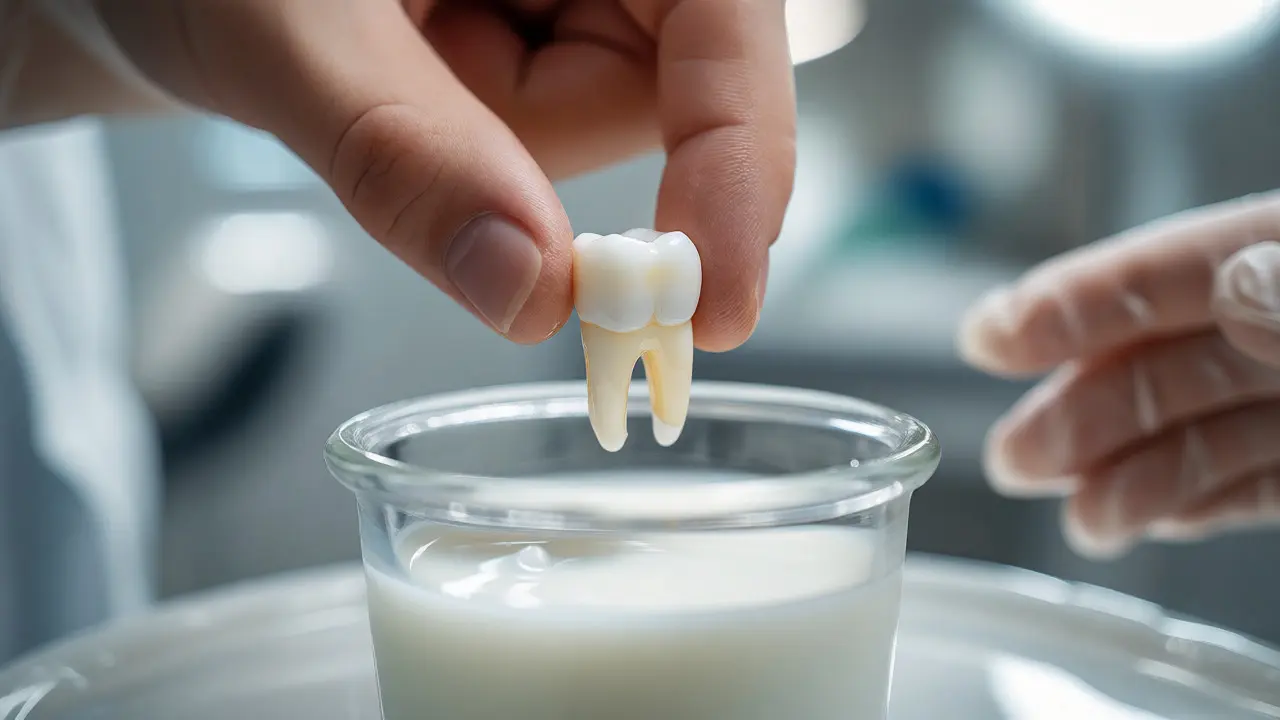
| Knocked-out tooth (adult) | Urgent/Emergency | Rinse gently, store in milk, see dentist within 30-60 mins |
| Lost crown/filling | Non-Urgent | Book routine appointment; use temporary cement |
Locate Out-of-Hours Private Clinics
If you can afford it, or if NHS slots are unavailable, private emergency dentistry is faster. London has several chains and independent clinics open late nights, weekends, and bank holidays. While more expensive, they prioritize speed and comfort.
Look for clinics advertising "same-day appointments" or "24-hour services." Prices vary significantly. Expect to pay between £150 and £300 for an initial consultation and basic treatment like a temporary filling or extraction. Always ask for a cost estimate before sitting in the chair. Some clinics charge extra for X-rays or anesthesia after the initial visit.
Popular areas with high concentrations of emergency providers include Central London (near Oxford Street and Holborn), Canary Wharf, and major transport hubs like King’s Cross. Use apps like Zocdoc or search terms like "emergency dentist near me open now" to find real-time availability.
What to Do Before You Get There
While you arrange transport or wait for an appointment, manage the situation at home to prevent worsening. Your actions here can save the tooth or reduce pain intensity.
For a knocked-out permanent tooth, time is critical. Pick it up by the crown (the white part), never the root. Rinse it gently with water if dirty-do not scrub. Try to place it back in the socket. If that fails, store it in a container of milk or saliva. Avoid tap water, which damages the root cells. See a dentist within 30 to 60 minutes for the best chance of reattachment.
For pain management, combine ibuprofen and paracetamol (if you have no allergies or medical contraindications). This combination is clinically proven to be more effective than opioids for dental pain. Apply a cold compress to the outside of your cheek to reduce swelling. Avoid aspirin directly on the gum, as it causes chemical burns.
Avoiding Common Pitfalls
Many people make mistakes that complicate their care. First, avoid going to A&E for simple toothaches unless there is systemic infection (fever, confusion, rapid heart rate). Dentists are not always available in A&E departments, and you may wait four to six hours only to receive painkillers and a referral. It’s inefficient for both you and the healthcare system.
Second, don’t ignore swelling. If your face starts puffing up, especially under the eye or down the neck, this indicates a spreading infection. Antibiotics alone won’t fix it; the source needs drainage or removal. Delaying treatment here can lead to serious complications like Ludwig’s angina, a rare but life-threatening condition.
Third, verify insurance coverage early. If you have private health insurance, check if it covers emergency dental visits abroad or out-of-network providers. Many policies exclude pre-existing conditions or routine wear-and-tear, covering only accidents.
Long-Term Prevention and Registration
Once the crisis is over, register with a local NHS dentist. Finding one can be tough in London due to demand, but try contacting practices within a 5-mile radius of your home or work. Keep their emergency contact details saved in your phone. If you can’t find an NHS provider, consider joining a private plan that offers emergency access. Having a regular dentist means they know your history, making future emergencies easier to diagnose and treat.
Finally, maintain good oral hygiene. Regular flossing and brushing reduce the likelihood of abscesses and decay. Small habits prevent large bills and painful nights.
Can I go to A&E for a toothache?
You can, but it is rarely recommended unless you have severe swelling, difficulty breathing, or uncontrolled bleeding. A&E staff are trained for life-threatening injuries, not complex dental procedures. You will likely receive pain relief and antibiotics, then be referred to a dentist anyway, resulting in long wait times and higher costs if you are uninsured.
How much does emergency dental care cost in London?
NHS urgent care fees are standardized (currently around £70-£100 depending on treatment complexity). Private emergency clinics typically charge between £150 and £300 for an initial assessment and minor treatment. Costs increase significantly if extractions, root canals, or crowns are required.
What if my tooth was knocked out completely?
Handle the tooth by the crown, rinse gently, and attempt to reinsert it into the socket. If not possible, keep it moist in milk or saliva. Seek professional help within 30-60 minutes. Success rates for reimplantation drop sharply after two hours.
Are there free emergency dentists in London?
There are no truly "free" emergency dentists, but NHS charges are subsidized. If you are eligible for full or partial exemption (e.g., low income, under 18, pregnant), you may pay little or nothing. Check eligibility on the NHS website before booking.
How do I find an emergency dentist at night?
Call NHS 111 for guidance and potential booking into an urgent hub. Alternatively, use online platforms to search for private clinics with "open now" filters. Many central London clinics operate until midnight or later on weekends.