It happens in a blink. One moment your dog is sniffing the grass in Hyde Park, the next they’re gone. Panic sets in, but speed is your best friend. In London, a city with over 1 million dogs and countless cats, finding a lost pet requires a mix of modern technology and old-fashioned community grit.
The difference between a temporary scare and a permanent loss often comes down to two things: whether your pet has a registered microchip, and how quickly you contact the right local organizations. You don’t need to be a detective; you just need the right map of resources.
Why Microchips Are Your First Line of Defense
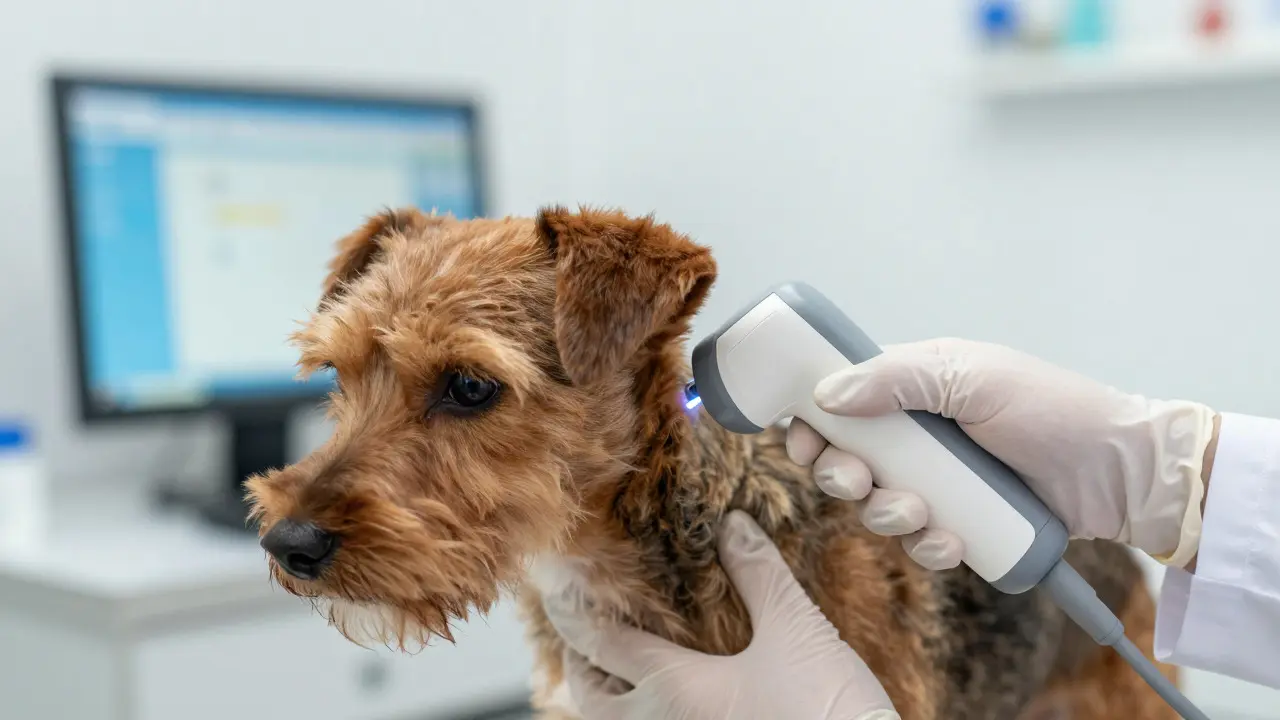
A Pet Microchip is a tiny radio-frequency transponder, about the size of a grain of rice, implanted under your pet’s skin. It doesn’t track them like a GPS collar, but it holds a unique ID number that links to your contact details in a national database.
Here is the critical part many owners miss: a microchip without a current address is useless. If you moved recently and forgot to update your details, the chip might lead a vet straight to your old neighbor. According to data from the Pet Plan Foundation, only about 50% of lost dogs are reunited with their owners, but this rate jumps significantly when the chip details are up-to-date.
- Check your registry: Log into the database where you registered the chip (e.g., PetaMicro, Petlog, or Animal Care Trust) immediately.
- Update your info: Ensure your phone number, email, and current address are correct.
- Notify the registry: Some databases allow you to flag your pet as "missing," which alerts vets if they scan the chip.
The Golden Hour: What to Do Immediately
When a pet goes missing, the first hour is crucial. Don’t wait for nightfall to start searching. Dogs often stay close to home initially, hiding in bushes or under cars due to fear rather than running far away.
- Search locally: Walk the immediate area at dusk or dawn when it’s quieter. Call their name softly; loud voices can scare them further.
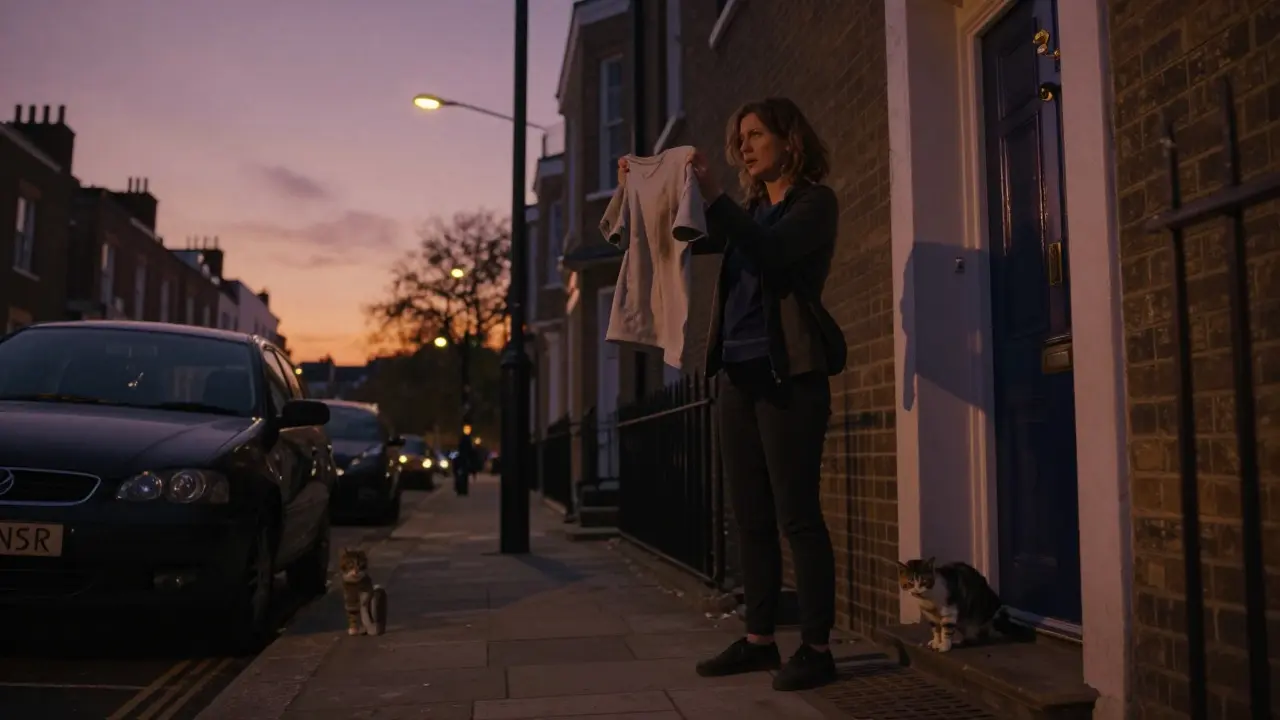
- Leave scent items: Place an unwashed t-shirt of yours or their favorite bed outside your front door. The familiar smell acts as a beacon.
- Contact local vets: Call every veterinary practice within a 3-mile radius. Tell them you have a lost pet and describe it. Vets see stray animals daily and may not check chips until hours later.
Key Charities and Rescue Centers in London
London has a robust network of animal welfare organizations. Knowing who to call saves precious time. These groups often have dedicated intake teams that handle strays found across the boroughs.
| Organization | Primary Focus | Coverage Area | Key Feature |
|---|---|---|---|
| RSPCA | Dogs, Cats, Small Pets | All of London | Largest charity; operates multiple shelters including Battersea and Wood Green. |
| Battersea Dogs & Cats Home | Dogs, Cats | South/West London | High-volume intake; strong online lost/found board. |
| Blue Cross | Dogs, Cats | Central/East London | Specializes in rehabilitation; good for injured strays. |
| Hammersmith & Fulham Council | Municipal Strays | Specific Borough | Local authority collection point for unclaimed pets. |
Don’t limit yourself to one charity. A cat found in Islington might end up at a shelter in Richmond if the finder drives there. Always ask shelters if they accept transfers from other centers.
Digital Tools and Community Networks
Technology plays a huge role in modern pet recovery. Social media moves faster than any poster on a lamppost.
- Facebook Groups: Join specific neighborhood groups (e.g., "Shoreditch Community" or "Camden Town Neighbors"). Post clear photos, last seen location, and your contact info.
- Nextdoor App: This app is highly effective in UK residential areas. Neighbors often see posts before they even leave their houses.
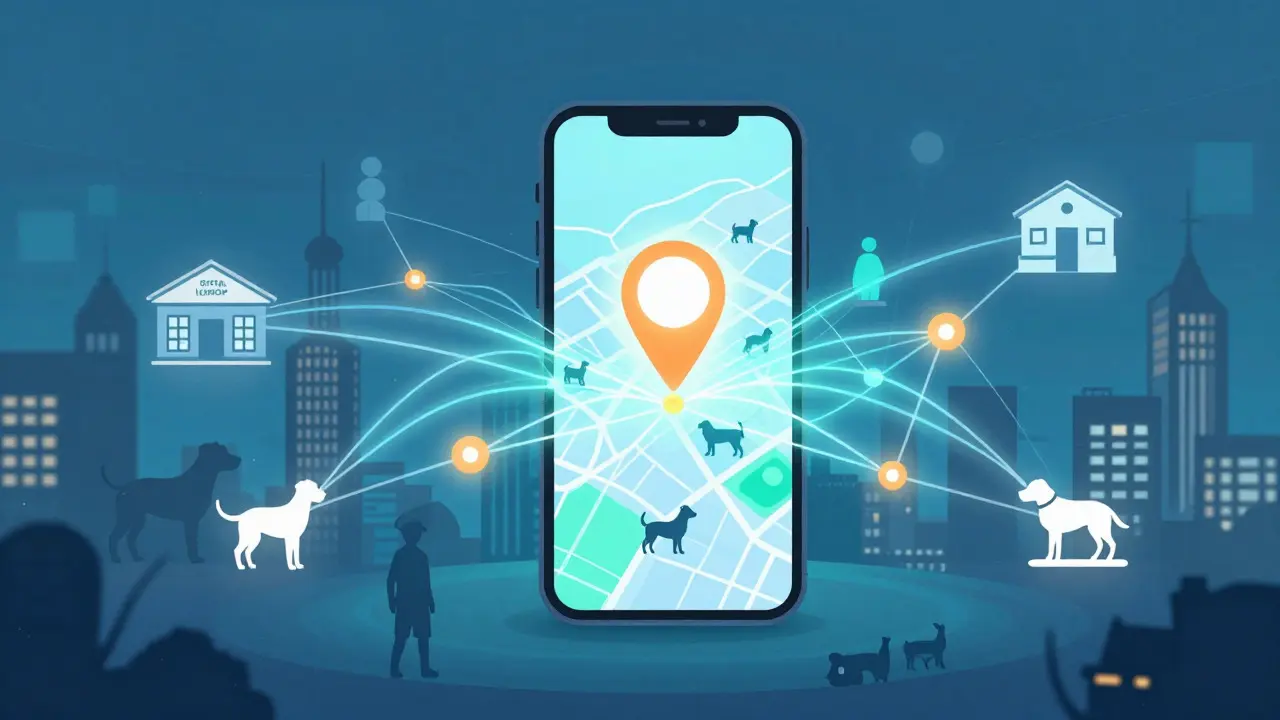
- Pawboost: A UK-specific platform designed for lost pets. It uses geolocation to notify users nearby if a matching pet is reported found.
When posting online, use high-resolution photos taken from different angles. Include distinctive markings, such as a white patch on the chest or a torn ear. Avoid using stock photos or generic images.
Common Pitfalls to Avoid
Even with the best intentions, mistakes can delay reunion. Here are the traps that catch many owners off guard.
- Waiting too long: Assuming the pet will come back by itself. Most lost pets do not return home on their own.
- Narrow search radius: Focusing only on your street. Pets can travel several miles, especially if they chase a squirrel or get startled by traffic.
- Ignoring cats: Many owners think cats are hard to find. While true, indoor cats rarely go far. Outdoor cats may hide in sheds, garages, or dense vegetation within 50 meters of home.
- Not checking council sites: Local councils have legal responsibilities for stray animals. Check your specific London Borough website for their lost pet reporting page.
Reuniting: What Happens When They’re Found?
When a shelter calls, act fast. Have your proof of ownership ready. This usually includes:
- Microchip registration confirmation.
- Vet records showing recent vaccinations or treatments.
- Photos of the pet with you.
- Receipts for food or accessories bought recently.
Shelters may hold a pet for a few days to ensure no other claimants appear, but having solid proof speeds up the process. Once reunited, consider adding a GPS tracker to their collar for future peace of mind. Devices like AirTags or specialized pet trackers provide real-time location data, bridging the gap between a microchip (which requires scanning) and a physical search.
Do I need to pay to reclaim my pet from a London shelter?
Usually, yes. You will likely need to pay a reclamation fee to cover the cost of care, food, and veterinary checks while the pet was in custody. However, if you can prove you were actively searching and notified the shelter promptly, some charities may reduce or waive the fee. Always ask about the policy when you first call.
What if my pet has no microchip?
Reunion becomes harder but not impossible. Rely heavily on visual identification (photos, collars with tags) and community networks. Consider getting your pet microchipped immediately after reunion. It’s a quick, low-cost procedure that provides a permanent safety net.
Should I put my pet’s name on its collar?
Yes, always. While some people worry about theft, the risk of losing a pet far outweighs the risk of theft. Use a tag with your phone number and the word "REWARD" if applicable. Keep the tag simple and durable so it doesn’t fall off easily.
How long should I keep searching?
Keep searching for at least 7 days. Most lost pets are found within the first 48 hours, but some take longer, especially if they are hiding or have been picked up by a kind stranger who hasn’t contacted authorities yet. Continue checking social media and calling shelters weekly.
Does the RSPCA cover all of London?
Yes, the RSPCA has a presence across the entire capital through its various regional offices and partner shelters. However, for immediate local response, contacting your nearest independent rescue center or council service might be faster than waiting for a central RSPCA team to dispatch.