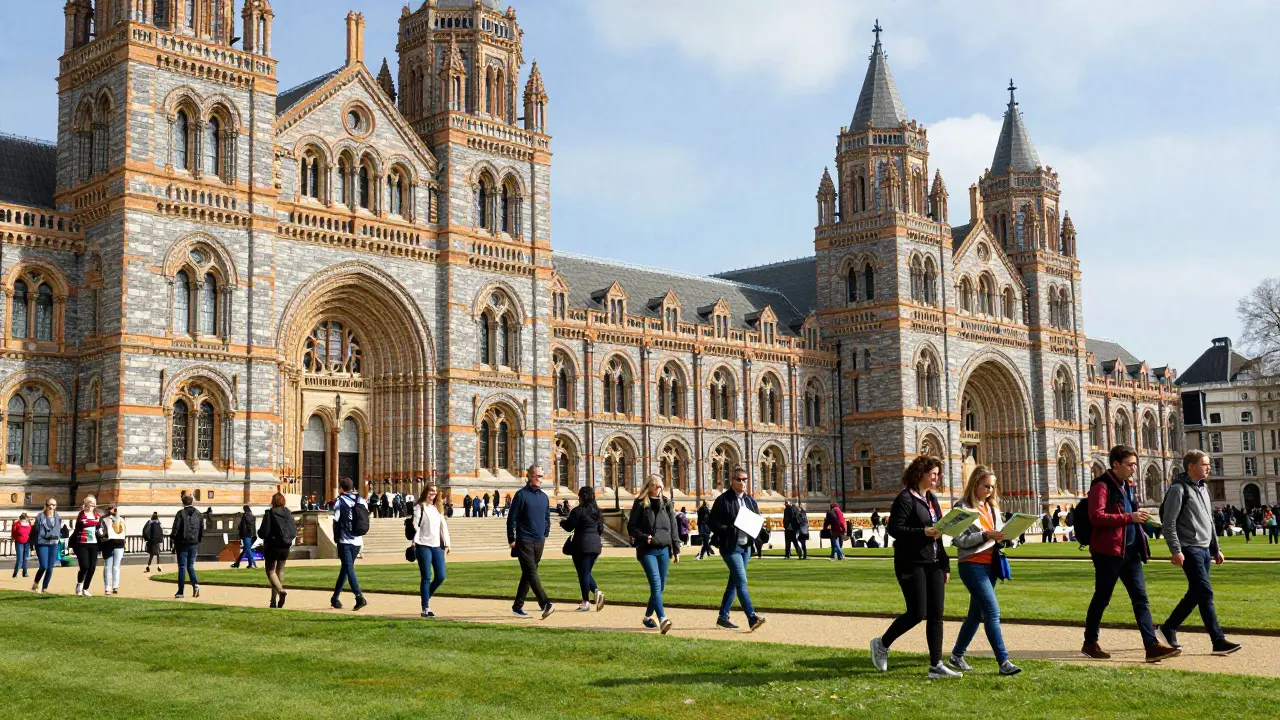
Walking from the British Museum to the Natural History Museum takes about 20 minutes. That’s a lot of time if you’re trying to see five major sites in one day. But with the right efficient routes, you can cover London’s top cultural spots without burning out or missing key exhibits. The trick isn’t just picking famous names; it’s understanding geography, opening hours, and crowd patterns.
Key Takeaways for Your Day
- Group by zone: Stick to one area (like South Kensington or Bloomsbury) to minimize transit time.
- Check entry times: Most major museums are free but have specific closing times for last entry (usually 45-60 mins before close).
- Morning is best: Arrive at 10:00 AM to avoid peak crowds and maximize daylight for outdoor photos.
- Food breaks matter: Budget 45-60 minutes for lunch near your cluster, not in tourist traps.
Understanding London’s Museum Geography
London’s major museums aren’t scattered randomly; they form distinct clusters. Knowing these zones helps you plan a logical flow rather than zigzagging across the city. The three most popular clusters are South Kensington, Bloomsbury/Covent Garden, and Whitechapel/Tower Hamlets.
The Natural History Museum features dinosaur skeletons and mineral collections. It opens at 10:00 AM daily. Next door, the Victoria and Albert Museum (V&A) focuses on art and design, also opening at 10:00 AM. The Science Museum is slightly further east but still within a 10-minute walk. All three are free to enter, though special exhibitions may charge extra.
Route Option 1: The South Kensington Powerhouse
This route is perfect for families or those interested in science, history, and design. It minimizes travel time because all stops are within walking distance.
- 10:00 AM - Start at the Natural History Museum. Begin with the central hall. Don’t rush the dinosaur gallery; it’s the highlight. Spend 90 minutes here.
- 11:30 AM - Walk to the V&A. Head north towards Exhibition Road. The V&A has a stunning medieval chapel and fashion galleries. Allocate 75 minutes. Grab a quick coffee in their café if needed.
- 12:45 PM - Walk to the Science Museum. This is a short stroll east. Focus on the interactive exhibits and the space gallery. Spend 60 minutes.
- 1:45 PM - Lunch break. Cross Exhibition Road to the various restaurants around South Kensington. Avoid the immediate tourist traps on the museum lawns; walk two blocks west for better food options at similar prices.
- 3:00 PM - Optional: Design Museum or rest. If you have energy, the Design Museum is nearby. Otherwise, take a break in Hyde Park, which is adjacent to the cluster.
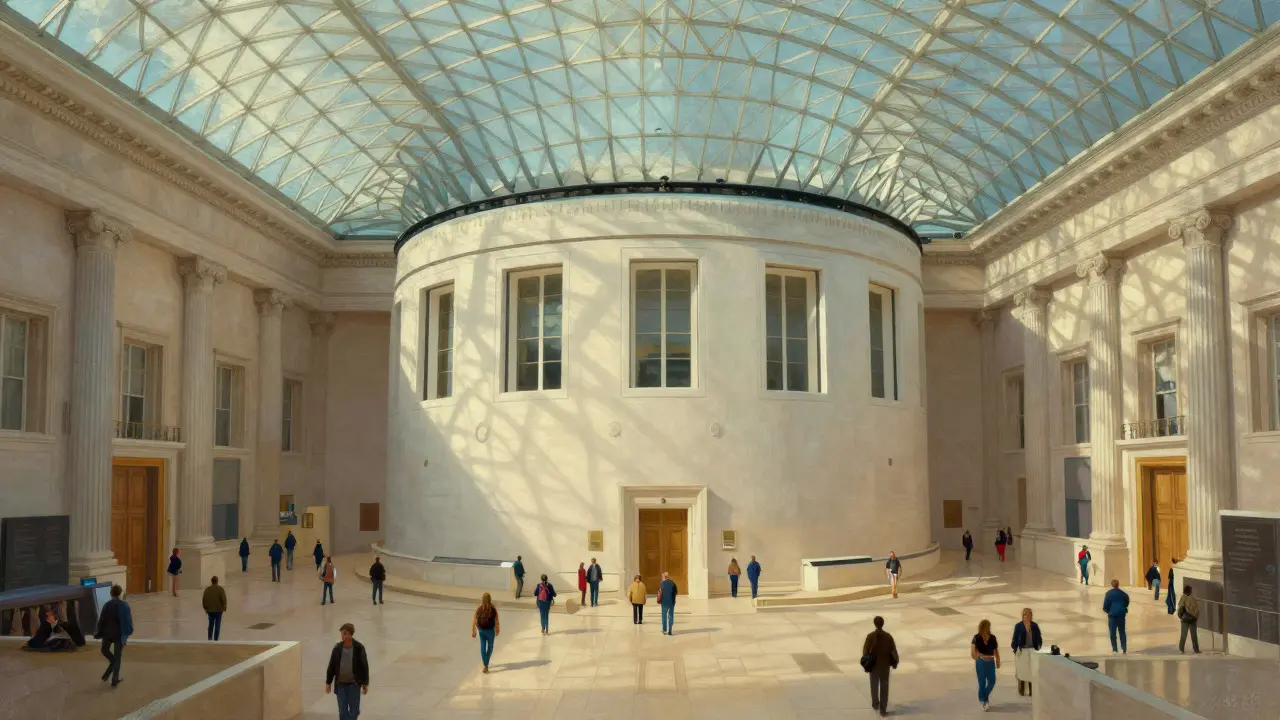
Route Option 2: Bloomsbury and Arts Central
If you prefer classical art, literature, and architecture, head to Bloomsbury. This area is denser with intellectual history and offers a different vibe-quieter streets and more bookshops.
The British Museum is the anchor here. It’s massive, so you need a strategy. Don’t try to see everything. Pick one wing, like the Egyptian or Greek galleries. Entry is free, but timed tickets are recommended during peak season (May-August) to guarantee access.
- 10:00 AM - British Museum. Enter via Great Russell Street. Go straight to your chosen gallery. Spend 2 hours. Use the map app to locate exits closest to your next stop.
- 12:00 PM - Walk to the Wallace Collection. This is a smaller, quieter museum in a townhouse. It houses works by Velázquez and Rembrandt. It’s free and often overlooked. Spend 45 minutes.
- 1:00 PM - Lunch in Bloomsbury. There are excellent independent cafes and pubs around Russell Square. Try a traditional pub lunch for a change of pace.
- 2:30 PM - Walk to Covent Garden. This is a 15-20 minute walk south. While not a museum, it’s a great spot for street performers and shopping. Alternatively, continue to the National Portrait Gallery in St Martin’s Place, which is closer to the British Museum but less crowded than the main block.
Route Option 3: East London Edge
For those who want a different perspective, the East End offers industrial history and contemporary art. This route requires a bit more transit but rewards you with unique experiences.
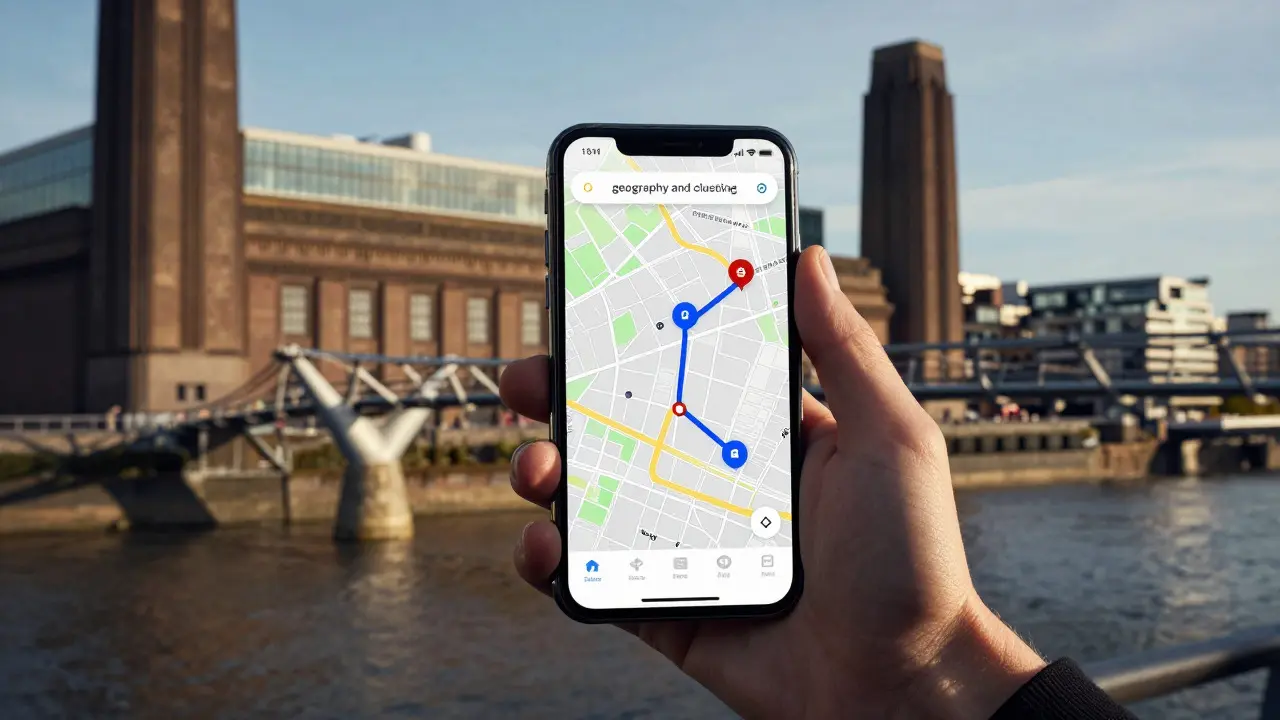
Start at the Tate Modern in Bankside. It’s housed in a former power station and features large-scale contemporary art. Entry is free. Spend 2 hours exploring the Turbine Hall and upper galleries.
- 10:00 AM - Tate Modern. Explore the main floors. Check the schedule for any special events or talks happening that day.
- 12:00 PM - Walk across the Millennium Bridge. This bridge leads directly to St Paul’s Cathedral. You can view the cathedral exterior for free. Inside, there’s an admission fee, but the view from the dome is worth considering if you have budget.
- 1:00 PM - Lunch in the City. The financial district has many business-friendly lunch spots. Look for places offering set menus between £15-£20.
- 2:30 PM - Travel to Whitechapel. Take the DLR or bus to Whitechapel station. Visit the Whitechapel Gallery for contemporary art or the Victoria & Albert Museum’s nearby branches? No, stick to local gems like the Wellcome Collection in Euston (if you backtrack) or stay in Spitalfields for market vibes and smaller galleries.
Practical Tips for Efficiency
Planning is only half the battle. Execution matters. Here are specific tactics to keep your day smooth.
| Cluster | Key Museums | Best For | Avg Time Needed |
|---|---|---|---|
| South Kensington | Natural History, V&A, Science Museum | Families, Science, Design | 5-6 hours |
| Bloomsbury | British Museum, Wallace Collection, NPG | History, Classical Art, Literature | 6-7 hours |
| Bankside/East | Tate Modern, St Paul's, Whitechapel Galleries | Contemporary Art, Architecture | 5-6 hours |
Transport Strategy: Use Oyster cards or contactless payment for buses and Tube. Buses are often faster for short distances (under 3 miles) due to traffic congestion. A single bus fare covers unlimited travel for 75 minutes, making it ideal for hopping between nearby stops.
Crowd Management: Weekdays are significantly less crowded than weekends. If you must visit on a weekend, arrive exactly at opening time. The first hour is crucial for getting into popular galleries before queues form. Also, check if any museums have extended hours; some open later on Thursdays or Fridays, allowing you to shift your schedule.
Hydration and Comfort: Museums have air conditioning, which can be chilly. Bring a light layer. Carry a water bottle; fountains are available in most museums, but refilling outside is easier in parks like Hyde Park or Regent’s Park, which are near major clusters.
Common Mistakes to Avoid
Many visitors make the same errors that ruin their day. Here’s what to skip.
- Trying to do too much: Three major museums is a full day. Four is exhausting. Five is unrealistic unless you’re just skimming surfaces.
- Ignoring lunch logistics: Eating inside museum cafés is convenient but expensive and slow. Plan to eat outside during peak hours to save time and money.
- Underestimating transit: Even short Tube rides involve walking to stations, waiting, and security checks. Add 15-20 minutes per trip for safety.
- Skipping pre-research: Check the official websites for temporary closures or major exhibitions. A closed wing can derail your entire plan.
Frequently Asked Questions
Are all museums in London free?
Most major national museums are free, including the British Museum, Natural History Museum, Science Museum, V&A, Tate Modern, and National Portrait Gallery. However, special exhibitions, audio guides, and some smaller private galleries charge entry fees. Always check the specific exhibit you want to see.
What is the best time of day to visit museums?
Mornings are best for avoiding crowds. Aim to arrive at 10:00 AM when doors open. Afternoons get busier, especially after 2:00 PM. If you prefer quiet, consider visiting on weekdays (Tuesday-Thursday) instead of weekends.
Can I combine the British Museum and Natural History Museum in one day?
Yes, but it’s challenging. They are about 3 miles apart. A direct Tube ride takes 15 minutes, but add walking time. If you do this, allocate 2.5 hours to each. Skip other stops to avoid burnout. Alternatively, choose one as your primary focus and use the other as a brief 1-hour stop.
Do I need to book tickets in advance?
For general entry, no. But for the British Museum during peak summer months (June-August), timed tickets are strongly recommended to guarantee entry. For special exhibitions at any museum, booking online is essential to secure a slot and sometimes to get discounted rates.
Where should I eat lunch near the museums?
Avoid the immediate vicinity of museum entrances where prices are inflated. Walk 2-3 blocks away. In South Kensington, head west toward Harrods for varied options. In Bloomsbury, explore Russell Square or Gower Street. In Bankside, the Borough Market area offers diverse street food and sit-down options.