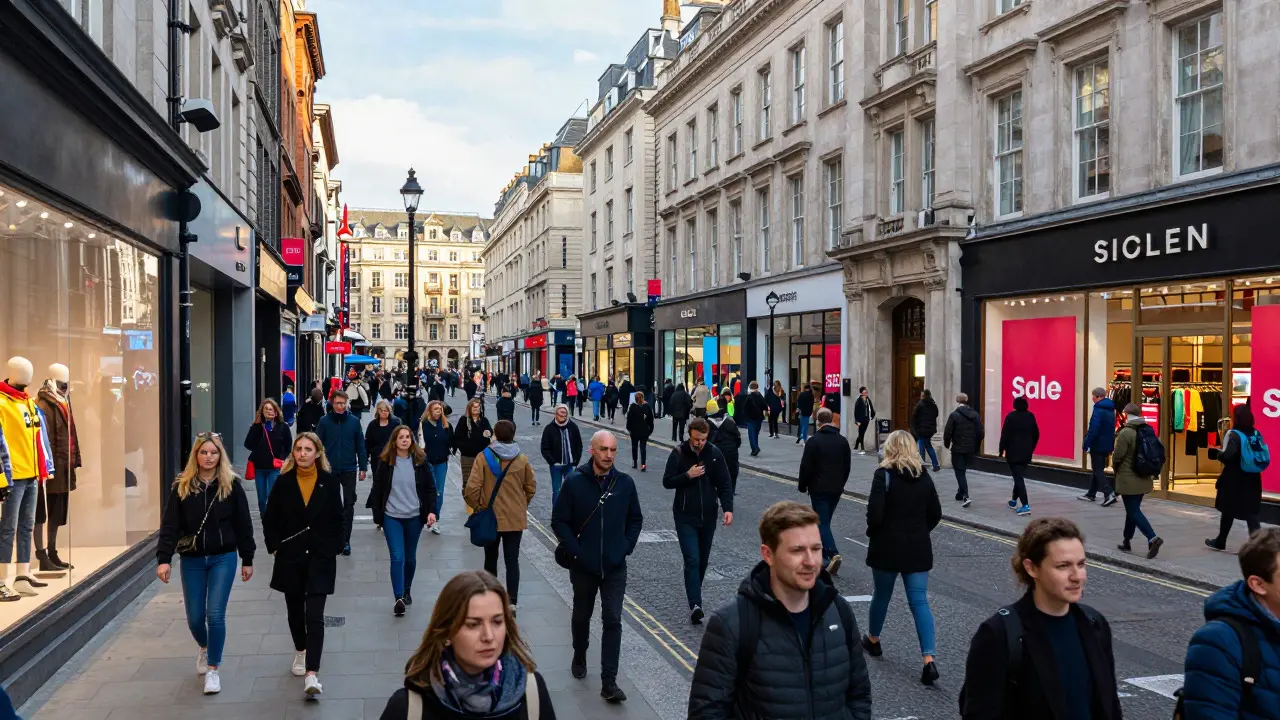
Missing the start of a sale in London can cost you your favorite pair of shoes or that specific jacket size. The difference between paying full price and getting a 50% discount often comes down to knowing exactly when stores flip their signs from 'Full Price' to 'Sale.' Whether you are a local resident trying to update your wardrobe on a budget or a visitor looking for bargains, understanding the rhythm of London sales is essential.
London’s retail landscape is unique because it operates on strict seasonal cycles, but with modern twists like early online drops and extended clearance periods. This guide breaks down the exact dates, the best strategies for beating the crowds, and how to navigate the major shopping districts without losing your mind (or your money).
The Two Major Sale Windows: When to Go
Unlike some countries where sales happen randomly or continuously, the UK follows a rigid calendar. There are two primary periods when prices drop significantly across almost all major retailers.
- The Summer Sale: Typically begins in late June or early July. This is the biggest sale of the year for many brands. It starts after the peak summer fashion period ends. Expect the deepest discounts on swimwear, dresses, and light jackets.
- The Winter Sale: Usually kicks off in late January, immediately after the Christmas rush. This is the second-largest window. It covers coats, boots, and winter accessories. Note that unlike the US, there is no "Black Friday" equivalent that rivals these two main events in terms of consistent, store-wide markdowns, though Black Friday has grown in popularity since 2024.
There is also a smaller "Spring Sale" in March/April, which clears out winter stock, but the discounts are rarely as deep as the summer or winter events. If you are waiting for a specific item, aim for the Summer or Winter windows for the best value.
Online vs. In-Store: Which Is Better?
You have two main ways to shop these sales, and each has distinct advantages depending on what you are buying.
Online Shopping
Buying online is the safest bet for popular items. Most major UK retailers (like Topshop, Next, John Lewis, and M&S) release their sale items online 1-3 days before they hit the physical shelves. This means if you want a size 8 dress in a specific color, you likely need to be online at midnight on launch day. However, online returns can be a hassle if the fit isn't right, so check the return policy first.
In-Store Shopping
Going into the store allows you to try things on immediately. You can feel the fabric and check the quality. This is crucial for higher-end items where online descriptions might be misleading. However, you face the risk of sold-out sizes. For in-store success, go early (before 10 AM) or later in the week (Tuesday/Wednesday mornings are usually quieter than Saturdays). Avoid weekends if possible, as queues for fitting rooms can be long.
| Feature | Online | In-Store |
|---|---|---|
| Availability | Wider range, often released earlier | Limited stock, subject to prior sales |
| Fitting | No immediate try-on; rely on size guides | Immediate try-on; better accuracy |
| Crowds | None (digital queue) | High on weekends/launch days |
| Returns | Convenient home pickup/drop-off | Must travel back to store |
| Best For | Specific items, fast movers | Expensive items, uncertain sizing |

Navigating London's Key Shopping Districts
Where you shop matters as much as when. Different areas of London cater to different budgets and styles during sales.
Oxford Street and Regent Street
This is the heart of London’s high street. You will find massive chains like Next, Topshop, and Marc O'Polo. During sales, these streets get incredibly busy. Strategy: Pick one side of the street to start, move quickly, and don’t linger. If you see something you like, grab it immediately. Sizes go fast here.
Camden Market and Charing Cross Road
If you prefer vintage or independent boutiques, this area offers a different kind of sale experience. While not always marked down with percentage tags, many indie shops offer end-of-season clearances. This is a good place to hunt for unique pieces that aren’t available in big-box stores. Bargaining is sometimes possible in smaller stalls, though less common in established boutiques.
Westfield London (Shepherd's Bush)
One of Europe’s largest malls, Westfield houses everything from luxury brands to fast fashion. It’s great for variety. Use the app to check stock levels before you go. The mall is huge, so plan your route. Start with the brands you care about most, as walking the entire perimeter takes over an hour.
Proven Strategies to Maximize Your Savings
Knowing the dates is only half the battle. Here are practical tactics used by savvy shoppers in London.
- Set Up Alerts: Sign up for newsletters from your favorite brands before the sale starts. Many send a "preview" email 24 hours early with exclusive links. This gives you a head start over the general public.
- Check Size Charts: Before the sale, measure yourself and know your exact measurements in cm/inches. Don’t rely on "I’m usually a Medium." Brands vary wildly in sizing. A Medium in Zara is not the same as a Medium in Marks & Spencer.
- Use Cashback Apps: Platforms like TopCashback or Quidco often boost cashback rates during major sale events. Combining a 50% discount with 10% cashback can save you another £5 on a £50 item.
- Look for 'Final Clearance': At the very end of a sale period (e.g., mid-August for summer, mid-March for winter), stores cut prices again to clear remaining stock. These items are often 70-80% off. The selection is limited, but the prices are unbeatable.
- Know the Return Policy: Some sale items are "final sale" or have shorter return windows (e.g., 14 days instead of 30). Read the fine print on the tag or website before buying.

Common Mistakes to Avoid
Even experienced shoppers make errors during sale season. Avoid these pitfalls:
Buying Just Because It’s Cheap. If you wouldn’t buy the item at full price, you probably won’t wear it even at 50% off. Ask yourself: Do I already have three similar items? Will this fit my lifestyle? If the answer is no, skip it.
Ignoring Shipping Costs. If you’re ordering online from a smaller boutique, check if shipping is free. Sometimes a £20 shirt plus £5 shipping is more expensive than a £25 shirt with free delivery from a larger retailer.
Waiting Too Long. Popular items sell out within hours. If you see something you really want, don’t wait until Sunday evening to decide. Buy it, try it on, and return it if needed. Returning an item is cheaper than missing out on it entirely.
FAQ
When do the summer sales start in London?
Summer sales typically begin in late June or early July. Exact dates vary by retailer, but most major high-street brands align closely. Check individual store websites for precise launch times, as online sales often start 1-2 days before in-store.
Are sale items returnable in London?
Most sale items are returnable, but policies differ. Some stores mark sale items as "final sale," while others reduce the return window from 30 days to 14 days. Always check the label or website terms before purchasing. Keep your receipt or order confirmation safe.
Which is better for deals: Black Friday or the Winter Sale?
The Winter Sale (late January) generally offers deeper and more consistent discounts across fashion categories compared to Black Friday. Black Friday is strong for electronics and beauty, but fashion discounts are often selective or limited to specific lines. For clothing and accessories, the Winter Sale is the superior choice.
Can you negotiate prices in London shops during sales?
Bargaining is rare in mainstream high-street stores. Prices are fixed. However, in independent boutiques, vintage markets (like Camden or Portobello Road), and some outlet centers, you may occasionally find room for negotiation, especially on final clearance items. It’s polite to ask, but don’t expect it to work everywhere.
What is the best time of day to visit Oxford Street during a sale?
Mornings between 9:00 AM and 11:00 AM on weekdays (Tuesday through Thursday) are the least crowded. Stores open at 9:00 AM or 10:00 AM. Arriving just before opening gives you access to the freshest stock. Avoid weekends and lunchtimes, when crowds peak and fitting rooms become congested.