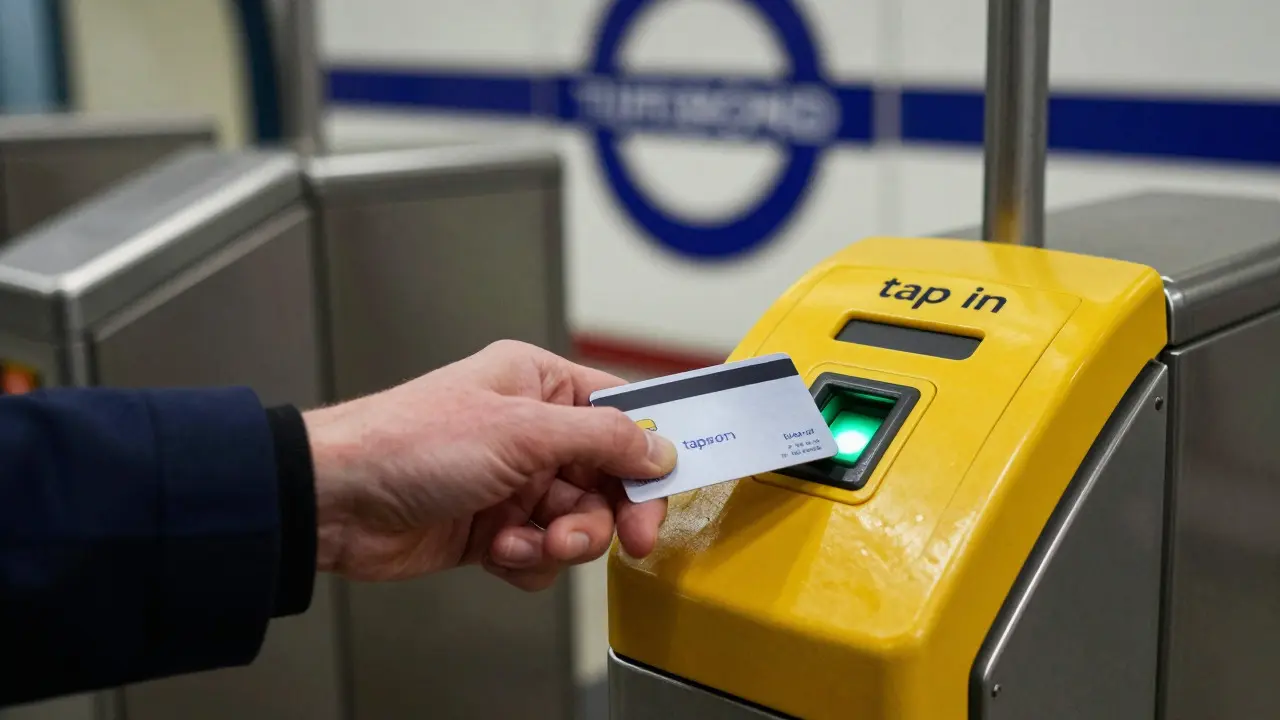
Nothing ruins a commute faster than a surprise charge on your bank statement. You tapped in at Victoria, got off at Oxford Circus, but forgot to tap out before walking into the office. Suddenly, you’re paying for a full-day cap instead of a short hop. This is what TfL calls an incomplete journey is a travel record where a passenger fails to register their exit point, resulting in the system charging the maximum possible fare for that mode of transport. It happens more often than you’d think, even to seasoned commuters. The good news? Once you understand how the Oyster card and contactless payments work, avoiding these errors becomes second nature.
The Mechanics of Tapping: Why Order Matters
London’s public transport network relies on a simple but strict rule: every entry must have a matching exit. When you tap in, the system starts a timer and logs your location. When you tap out, it stops the timer and calculates the fare based on the distance traveled and time spent. If you skip the second step, the system doesn’t know where you went. So, it assumes the worst-case scenario: you took the longest possible route or stayed on the network until the day ended.
This logic applies differently depending on which mode of transport you use. On the Tube, DLR, Overground, and most buses, the rules are straightforward. But on National Rail services within London, the process is slightly different. Here’s the breakdown:
- Buses and Trams: You only need to tap in. There is no tapping out. The fare is fixed regardless of how far you ride.
- TfL Rail (now Elizabeth line), DLR, and Overground: You must tap in and out. These systems calculate fares based on zones and time, similar to the Tube.
- National Rail: You must tap in and out. Fares are calculated based on the specific train service and distance.
- The Tube and Underground: You must tap in and out. Forgetting this is the most common cause of overcharging.
A critical detail often missed by new users: if you change modes of transport (for example, from the Tube to the Elizabeth line) without tapping out and then back in, you might be charged two separate fares instead of one integrated journey. Always tap out when leaving one platform area and tap in again when entering another, unless you stay within the same paid zone boundary where through-tapping is allowed.
The Cost of Forgetting: What Happens with an Incomplete Journey?
Let’s look at the numbers. As of 2026, the daily cap for Zone 1-2 travel using an Oyster card or eligible contactless card is approximately £8.50. A single short trip from Zone 1 to Zone 2 costs around £2.80. If you forget to tap out after a quick 10-minute ride, the system may charge you the full daily cap because it assumes you used the network extensively throughout the day.
Worse still, if you don’t tap out on the Tube and then try to buy a paper ticket later, the automated barriers might not recognize your previous partial journey, leading to confusion or denial of entry. On National Rail, an incomplete journey can sometimes result in a penalty fare if caught by a ticket inspector, though TfL usually handles this automatically via your account statement rather than issuing fines on the spot.
| Transport Mode | Tap In Required? | Tap Out Required? | Fare Calculation Basis |
|---|---|---|---|
| Buses & Trams | Yes | No | Flat rate per ride |
| TfL Rail / Elizabeth line | Yes | Yes | Zones & Time |
| National Rail | Yes | Yes | Distance & Service |
| Tube / Underground | Yes | Yes | Zones & Time |
Step-by-Step: How to Tap Correctly Every Time
Building a habit is the best defense against incomplete journeys. Here is a practical routine to follow:
- Prepare your card or phone: Have your Oyster card, contactless debit/credit card, or smartphone ready before you reach the barrier. Fumbling at the gate causes delays and increases the chance of missing the reader.
- Tap In clearly: Hold your device flat against the yellow reader. Wait for the green light and beep. Do not move immediately if you haven’t heard the confirmation sound.
- Ride your route: If changing lines within the same station complex, check if you need to re-tap. Usually, staying inside the paid area means you don’t need to re-tap unless you exit the gates.
- Tap Out at destination: Before exiting the station or leaving the bus stop (if applicable), find the yellow reader. Tap and wait for the green light.
- Check your app: After your first few trips, open the TfL Go app or your bank statement to verify the charge matches your expectation. This builds confidence and catches errors early.
Pro tip: Many commuters set a daily reminder on their phones to check their travel history. It takes ten seconds and saves potential pounds.
Common Pitfalls and How to Fix Them
Even experienced travelers make mistakes. Here are the top three scenarios that lead to overcharging and how to resolve them.
1. The "Exit and Re-enter" Error. You leave the Tube station to grab a coffee, then decide to go back. If you didn’t tap out before leaving, your original journey is still active. When you tap in again, the system sees two overlapping entries. Result: Two full fares. Fix: Always tap out when you physically leave the paid area, even if you plan to return soon.
2. The Bus-to-Tube Transfer Gap. You take a bus, tap in, get off, and walk to the Tube station. Since buses don’t require tapping out, your bus journey ends when you step off. However, if you tap in at the Tube station less than 30 minutes later, you might expect a discount. Ensure you tap in at the Tube correctly. If you forget to tap out at the Tube, you pay the max Tube fare plus the bus fare. Fix: Treat the Tube as a separate transaction. Tap in, ride, tap out. No exceptions.
3. The Contactless Card Confusion. Using a credit card instead of an Oyster card can sometimes lead to higher charges if the card isn’t registered for TfL discounts or if you exceed the daily cap limits differently. While both use the same capping system, some older contactless cards may not update instantly. Fix: Use the TfL Go app to monitor your balance and caps in real-time. If you see an anomaly, report it immediately while the data is fresh.
What to Do If You Already Forgot to Tap Out
It happens. Don’t panic. You can often fix incomplete journeys yourself without calling customer service.
If you use an Oyster card, log into your online account. Navigate to the "Journey History" section. Look for the red exclamation mark next to the incomplete trip. Click on it and select "Correct Journey." Choose the station where you actually exited. The system will recalculate the fare and refund the difference to your card balance.
If you use a contactless bank card, the process is slightly harder because you don’t have a dedicated TfL login for that specific card. In this case, check your bank statement. If the charge is significantly higher than expected, contact your bank’s customer service and explain it was a TfL incomplete journey error. Most banks have a direct link to TfL’s refunds team. Alternatively, visit a TfL Visitor Centre or a staffed Ticket Hall with your card and proof of purchase (like a receipt from a shop near your actual exit station) to request a manual adjustment.

Best Practices for Tourists and New Commuters
If you’re visiting London for the first time, the sheer volume of options can be overwhelming. Stick to these golden rules:
- Use the TfL Go App: Download it before you arrive. It shows live maps, fares, and allows you to store digital Oyster cards or use Apple Pay/Google Pay seamlessly.
- Stay Within Zones: Understand which zone your hotel and destinations are in. Crossing from Zone 1 to Zone 6 is expensive. Plan your routes to minimize zone crossings if budget is tight.
- Keep Your Card Ready: In rush hour, having your card out prevents you from being blocked behind others, reducing stress and the likelihood of rushing and forgetting steps.
- Ask Staff: Station staff are generally helpful. If you’re unsure whether you need to tap out, ask. They’ll guide you to the correct reader.
Frequently Asked Questions
Do I need to tap out on London buses?
No. You only need to tap in when boarding a bus or tram. The fare is a flat rate, so there is no exit point to register. Simply tap in at the front door and ride as long as you like.
What happens if I forget to tap out on the Tube?
The system will charge you the maximum fare for that zone combination, often equivalent to the daily cap. You can usually correct this later by logging into your Oyster account or contacting TfL support if using contactless payment.
Can I use my credit card directly on London transport?
Yes, most major debit and credit cards (Visa, Mastercard, Amex) work as contactless payment methods on all TfL services. They offer the same daily capping benefits as Oyster cards, provided you tap in and out correctly.
Is there a penalty for not tapping out?
TfL does not issue a separate fine for forgetting to tap out. Instead, they charge the highest possible fare for that journey type. However, if you are caught on a National Rail train without a valid ticket (due to an unregistered entry), you might face a penalty fare, though this is rare for standard tap-in/tap-out errors.
How do I fix an incomplete journey on a contactless card?
Check your bank statement for the incorrect charge. Contact your bank’s customer service and mention it is a TfL travel error. They can often initiate a refund directly. Alternatively, visit a TfL Visitor Centre with your card and proof of your actual destination.