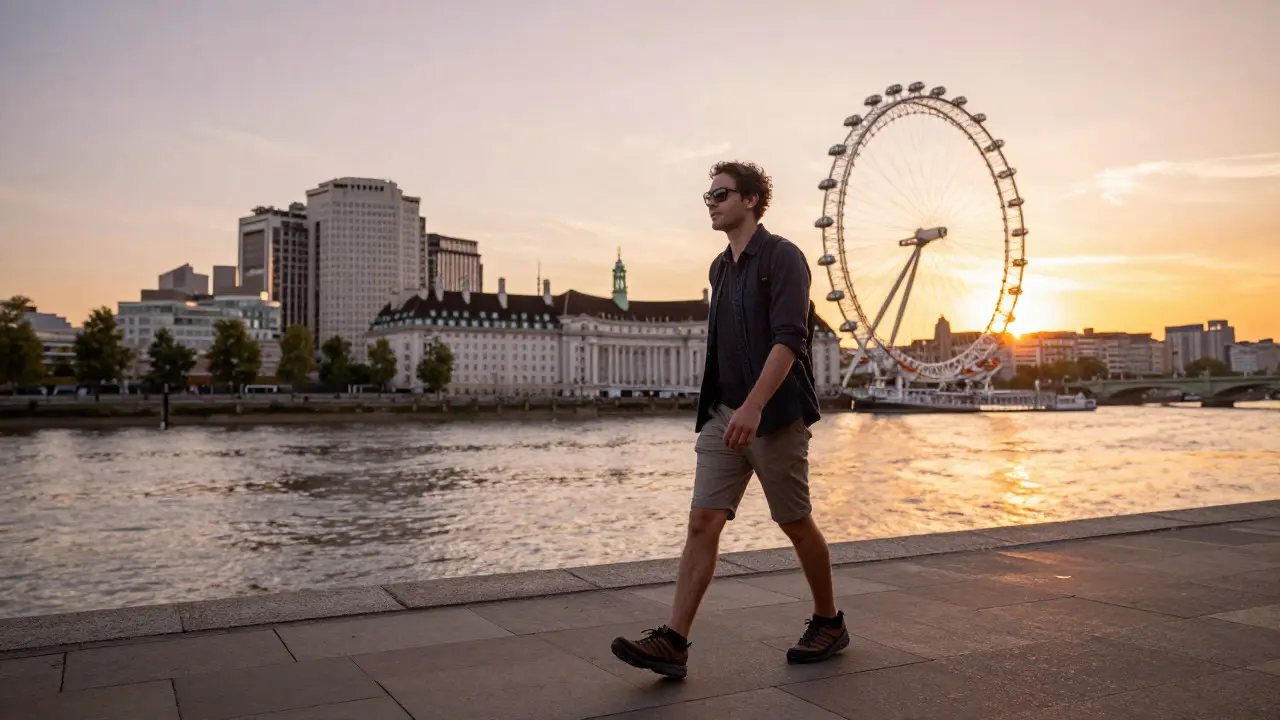
Walking is the only transport mode in London that costs nothing per mile. Yet most visitors ignore it because they fear getting lost or running out of time. The truth? Strategic walking combined with smart bus usage can cut your daily transport costs by up to 70% compared to relying solely on the Tube. If you’re visiting in August 2026, knowing which routes are walkable and how to exploit the bus fare system will save you hundreds of pounds while letting you see more of the city’s hidden corners.
The Real Cost of Getting Around
Before planning your route, understand what you’re saving against. As of 2026, a single adult Tube journey within Zone 1 costs £2.80 if paid contactless. A day cap for unlimited travel across Zones 1-2 is £9.35. That’s nearly ten pounds just to move around the center for one day. Now compare that to walking: zero cost, but limited by distance and energy. Buses sit in the middle at £1.75 per ride (contactless), with a daily cap of £8.00 for unlimited rides. The strategy isn’t about avoiding buses entirely-it’s about minimizing Tube usage and maximizing short bus hops where the fare difference makes sense.
Why Walking Beats the Tube for Short Distances
Here’s the math nobody tells you: if two landmarks are less than 1.5 miles apart, walking usually wins. Why? Because Tube journeys involve walking to the station, waiting for the train, riding, then walking again. For a trip from Westminster to Hyde Park, the Tube takes about 12 minutes door-to-door. Walking takes 25 minutes. But the Tube costs £2.80. Walking costs £0. More importantly, walking lets you pass through St James’s Park, see Buckingham Palace from multiple angles, and notice street art you’d miss from a moving train. Your legs tire, sure, but your wallet stays full.
Use this rule of thumb: if the straight-line distance is under 2 kilometers, walk. Use a map app like Google Maps or Citymapper to check real-time walking times. In central London, sidewalks are wide, well-lit, and safe even at night. You’ll pass through neighborhoods like Mayfair or Soho that feel completely different from the tourist-heavy main streets.
Bus Routes That Do the Heavy Lifting
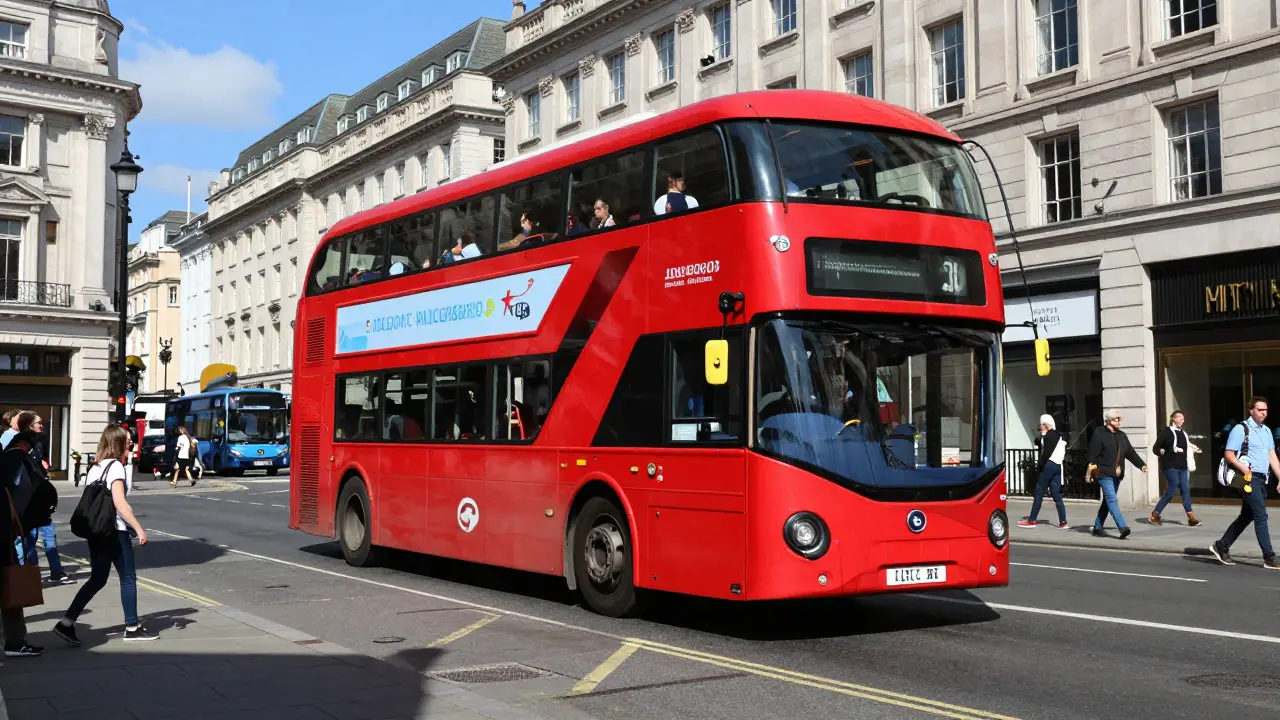
Buses aren’t just for when you’re exhausted-they’re strategic tools. The key is using them for distances that are too far to walk comfortably (over 2 miles) but too short to justify a Tube ride. Consider these high-value bus corridors:
- Route 148: Runs along the South Bank from Waterloo to Victoria. Perfect for seeing the London Eye, Tate Modern, and Borough Market without paying for a river boat. Takes about 45 minutes end-to-end.
- Route 73: Connects Camden Town to Waterloo via King’s Cross. Ideal if you’re staying in North London and need to reach the West End. Avoids the expensive Piccadilly Line.
- Route 24: Links Marble Arch to Greenwich. This is a long route (about 50 minutes), but it passes through Notting Hill, Chelsea, and the Thames Path. One ticket gets you across half the city.
- Route 88: Runs from Finchley Road to Canary Wharf. Great for accessing business districts without paying premium Zone 2 fares.
Always use contactless payment (credit/debit card or phone). Cash tickets are 30-50% more expensive. And remember: you can change buses as many times as you want within 60 minutes for the same £1.75 fare. That means you can hop off, explore a side street, and hop back on without extra charge.
Building a Daily Itinerary Around Free Movement
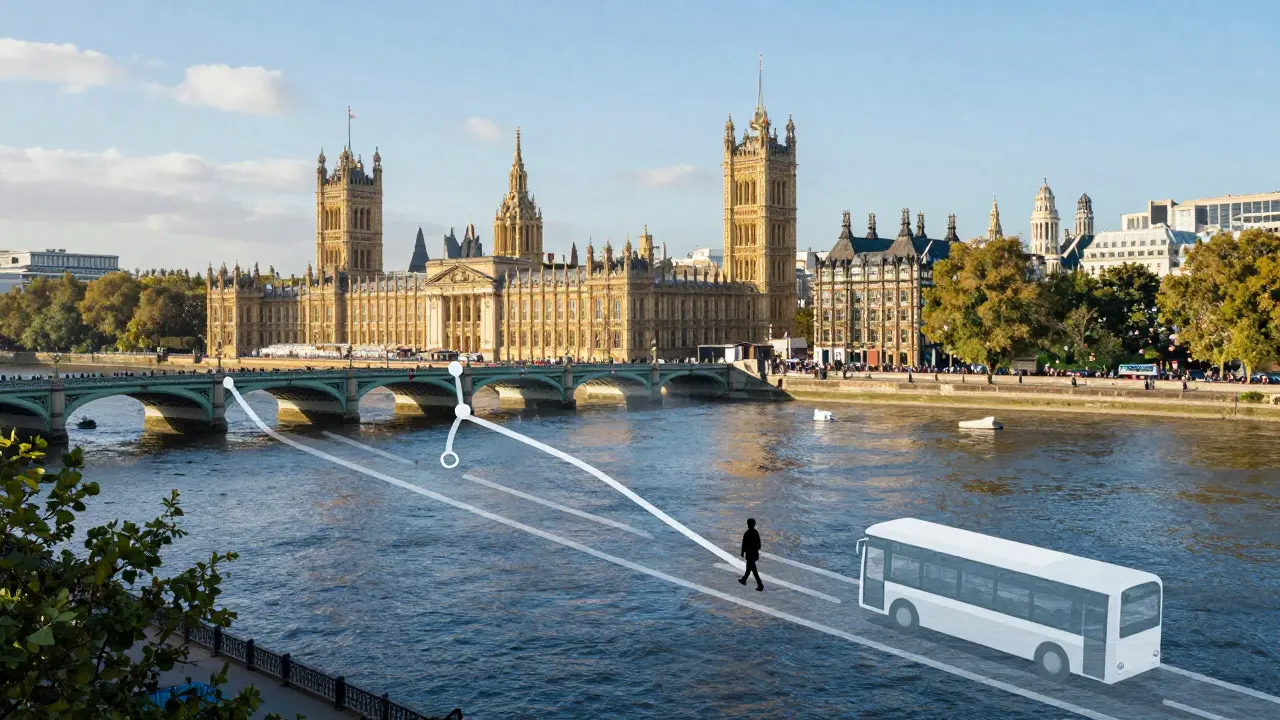
Let’s build a sample day in Central London that costs £0 in transport. Start at Covent Garden (Zone 1). Walk east to Holborn (10 minutes). Continue to Charing Cross (15 minutes). From there, cross Westminster Bridge to the South Bank. Walk along the river past the London Eye and Tate Modern (free entry). At Hungerford Market, take Route 148 bus westbound toward Waterloo. Ride three stops to County Hall (5 minutes, £1.75). Get off, walk to Borough Market (free browsing). Then walk north through Lambeth to Vauxhall. Take Route 73 bus north to Russell Square (15 minutes, still within your 60-minute window, so no extra fare). Total transport cost: £1.75. Distance covered: approximately 4.5 miles. Attractions seen: 6 major sites.
This pattern works because you’re chaining short walks with occasional bus hops. The 60-minute bus transfer window is your secret weapon. Plan your stops so that each bus ride starts within an hour of your last boarding. Use the TfL Go app to track your remaining transfer time.
Pitfalls That Blow Your Budget
Even with the best plan, small mistakes add up. Here’s what trips people up:
- Ignoring zone boundaries: Some bus routes cross into Zone 2 or 3. While the bus fare itself stays £1.75, if you later take the Tube from a Zone 2 stop, your daily cap might jump to £10.10 instead of £9.35. Check where your final destination sits.
- Overestimating walking stamina: London’s pavements are uneven in historic areas. Cobblestones in Covent Garden or steep hills in Hampstead can drain energy fast. Wear broken-in shoes. Carry water.
- Misusing the 60-minute window: If you get off a bus, spend 45 minutes shopping, then try to board another bus, you’ll be charged again. Keep your exploration tight during transfer windows.
- Skipping the Oyster/contactless setup: Paying cash on buses means no daily cap. You pay £1.75 every single ride. After four rides, you’ve hit £7.00-close to the daily cap already. Contactless ensures you never overpay.
When to Break the Rules
There are times when paying for the Tube makes sense. If you’re traveling between distant zones (e.g., Zone 1 to Zone 4), the Tube saves 30+ minutes versus a bus. If you have heavy luggage, stairs and crowds make walking miserable. If it’s raining heavily, the Tube’s enclosed environment is worth the £2.80. But for typical sightseeing days in central London, stick to feet and wheels.
Also consider time of day. During rush hour (7:30-9:30 AM, 4:30-6:30 PM), buses are packed. Walking feels more relaxed. Late at night, after midnight, some bus routes switch to Night Bus services with higher fares (£5.00). Stick to daytime routes if possible.
| Mode | Cost Per Trip (Contactless) | Daily Cap (Zones 1-2) | Avg Speed (City Center) | Best For |
|---|---|---|---|---|
| Walking | £0.00 | N/A | 3 mph (4.8 km/h) | Distances under 1.5 miles, sightseeing |
| Bus | £1.75 | £8.00 | 8-12 mph (13-19 km/h) | Medium distances, surface-level views |
| Tube (Single) | £2.80 | £9.35 | 20-30 mph (32-48 km/h) | Long distances, cross-city travel |
Frequently Asked Questions
Is it safe to walk alone in London at night?
Yes, in central zones (1 and 2), walking alone at night is generally safe. Stick to well-lit main streets like Oxford Street, Regent Street, or the South Bank. Avoid poorly lit shortcuts through parks after dark. Most tourists walk home late without issue. Trust your instincts-if a street feels empty and unlit, take a taxi or wait for a bus.
Do I need an Oyster card for buses?
No. Since 2017, contactless credit/debit cards and smartphones work identically to Oyster cards for buses and Tube. You tap in and out the same way. No registration needed. Just make sure your card supports contactless payments. This is simpler for visitors than buying and loading an Oyster card.
Can I change buses without paying again?
Yes, within 60 minutes of your first tap-in, you can transfer to any other bus for free. This includes changing directions or switching lines. The clock starts when you first tap in. Use the TfL Go app to monitor your remaining transfer time. After 60 minutes, the next bus ride costs £1.75 again.
Which bus routes offer the best views?
Route 24 (Marble Arch to Greenwich) and Route 148 (Waterloo to Victoria) are top choices. Both run along the Thames or near major landmarks. Sit on the left side for better views of the river and bridges. Double-decker buses give elevated perspectives of buildings and parks. These routes double as scenic tours without the price tag of a hop-on-hop-off bus.
How far can I walk in a day without exhaustion?
Most fit adults can comfortably walk 10-15 miles (16-24 km) in a day in London. However, this depends on terrain, weather, and pace. Historic areas have cobbles and steps. Summer heat can dehydrate you quickly. Aim for 8-10 miles if you’re not used to walking. Break it up with sitting in parks or cafes. Hydrate regularly. London’s public fountains are reliable in summer.