
Most people think you need an entire Saturday to see Kew Gardens. That’s a myth. If you’re smart about logistics and know exactly what to skip, you can experience the highlights of this UNESCO World Heritage site in just four hours. The trick isn’t trying to see everything; it’s picking the right entry point, using the efficient rail link from central London, and focusing on the iconic glasshouses and art installations that define the garden’s character.
Getting There Without Wasting Your Morning
The biggest mistake visitors make is treating Kew like a typical London tube destination. It’s not. While the District line stops at Kew Gardens station, it often involves a long walk or a confusing bus connection depending on where you start. For a tight half-day schedule, the London Overground is your best friend. It connects directly from major hubs like Euston, King’s Cross, or Highbury & Islington to Kew Gardens station in under 40 minutes from most central points.
Here’s the reality check on travel times from key locations:
| Starting Point | Route | Avg. Time | Best For |
|---|---|---|---|
| Euston / St Pancras | Overground (Direct) | 35-40 mins | Speed & Simplicity |
| King’s Cross | Overground (via Gospel Oak) | 45 mins | North London access |
| Waterloo | Overground (via Clapham Junction) | 50 mins | South Bank visitors |
| Paddington | Tube + Bus/Train mix | 60+ mins | Not recommended for half-days |
Once you arrive at Kew Gardens station, avoid the main entrance if you want to save time. Instead, head straight for the Victoria Gate. It’s closer to the historic core and lets you bypass the long queues that sometimes form at the Elizabeth Gate near the car park. Remember, your Oyster card or contactless payment covers the train ride, but you’ll need a separate ticket for the gardens unless you have a membership or pre-booked slot.
The Glasshouse Circuit: Where the Magic Happens
You didn’t come here to look at lawns. You came for the architecture of botany. The Palm House is the centerpiece, and frankly, it’s worth the trip alone. Built in 1844 by Decimus Burton, this Victorian iron-and-glass structure creates a humid microclimate that feels like stepping into a jungle. The air is thick, warm, and smells of wet earth and orchids.
Don’t just walk through the ground floor. Take the spiral staircase up to the gallery level. From there, you get a bird’s-eye view of the canopy and a unique perspective on the plant layers below. It’s cooler up there, which is a relief after the humidity downstairs. After the Palm House, hop on the free shuttle bus or walk five minutes to the Princess of Wales Conservatory. This is the newer, high-tech counterpart. It has ten distinct climate zones, ranging from arctic cold to tropical rainforest. The water lily house here is particularly stunning in September when the blooms are still large and vibrant.
If you only have time for one conservatory, pick the Palm House for history and drama, or the Princess of Wales for variety and comfort. Trying to do both thoroughly will eat up two hours, leaving you rushed.

Art Meets Nature: The Hive and Beyond
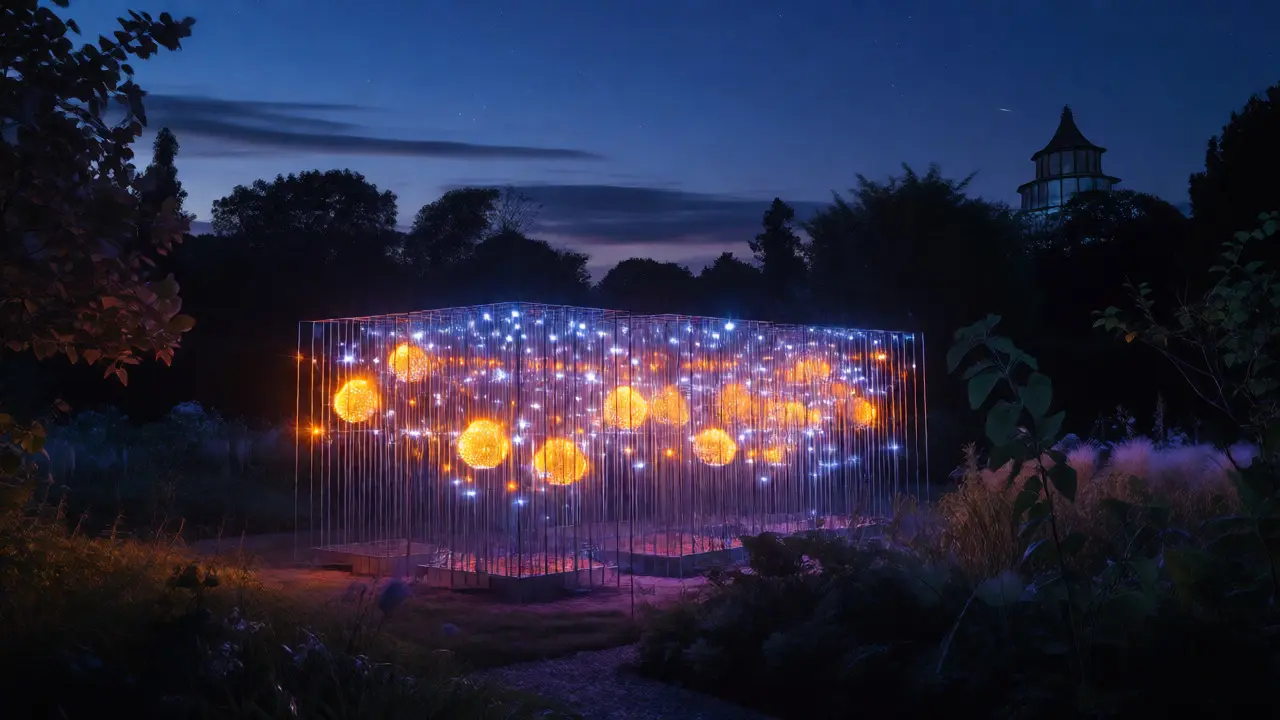
Kew isn’t just plants; it’s increasingly becoming an outdoor art gallery. The most famous installation is The Hive, designed by Wolfgang Buttress. Located near the Queen’s Garden, this aluminum structure lights up and buzzes in response to live data from beehives within the gardens. When the bees are active, the lights pulse faster. It’s mesmerizing, especially if you catch it during the late afternoon light.
Beyond The Hive, keep an eye out for temporary exhibitions. In recent years, Kew has hosted artists like Ai Weiwei and Olafur Eliasson. Even without a major exhibition, the landscaping itself is artistic. The Great Pagoda, built in 1762, offers a panoramic view of the Thames and London skyline. Climbing its stairs gives you a moment of quiet reflection amidst the greenery, a stark contrast to the city noise just miles away.
Eating and Resting: Keep It Simple
Food options inside Kew can be pricey and slow if you’re on a schedule. The Victoria Plaza Café is reliable for coffee and sandwiches, but lines can stretch during peak lunch hours. If you’re visiting between 12 PM and 2 PM, consider bringing your own picnic. There are plenty of benches near the Lake, which is surprisingly peaceful despite being close to the main paths.
For a quick bite that doesn’t feel like tourist trap pricing, try the food trucks near the Temperate House. They often offer better value than the sit-down restaurants. Hydration is key, too. London summers (and even early autumns) can be deceptively warm inside the glasshouses. Bring a reusable bottle; there are refill stations throughout the grounds.
Timing Your Visit: The September Sweet Spot
Since today is September 21, 2026, you’re hitting the tail end of summer bloom. The dahlias are likely peaking, and the autumn colors haven’t fully turned yet, offering a lush, green backdrop with pops of color. The crowds thin out significantly after Labor Day weekend in the US and the UK bank holidays, so mid-to-late September is ideal for a quieter experience.
Plan your exit around 4:00 PM. By then, the light gets golden, making photos spectacular, and the tour groups start leaving. Catching the 4:30 PM Overground back to central London means you’re home before dinner rush, avoiding the worst of the evening commute chaos.
What to Skip If You’re Short on Time
To stick to a four-hour window, you must be ruthless. Skip the Mary Berry’s Discoveries exhibition unless you’re a massive fan; it requires a separate booking and significant time. Also, skip the deep dive into the Arboretum in the northeast corner. It’s beautiful but vast, and walking there and back takes 30 minutes alone. Stick to the central axis: Victoria Gate → Palm House → Great Pagoda → Lake → Exit.
Is Kew Gardens open every day?
Yes, Kew Gardens is generally open daily from 9:30 AM to 5:00 PM (last entry 4:30 PM), though closing times vary slightly by season. Always check the official website for specific closures, especially during extreme weather or private events.
Do I need to book tickets in advance?
While walk-up tickets are often available, booking online saves money and guarantees entry during busy periods. Advance tickets are typically cheaper than gate prices. For a half-day trip, securing a morning slot ensures you have maximum daylight.
Is Kew Gardens suitable for children?
Absolutely. The Children's Garden is interactive and educational, and the Treetop Walkway offers a thrilling perspective for kids. However, the distances between attractions can be tiring for toddlers, so bring a stroller or plan frequent breaks.
Can I use my Oyster card for the garden entry?
No. Your Oyster card or contactless payment covers the London Overground train journey to Kew Gardens station, but it does not grant entry to the gardens themselves. You must purchase a separate admission ticket.
How much walking is involved in a half-day visit?
Expect to walk approximately 2-3 kilometers (1.5-2 miles) if you stick to the main highlights. Comfortable shoes are essential. The terrain is mostly flat but includes some gravel paths and stairs in the conservatories.