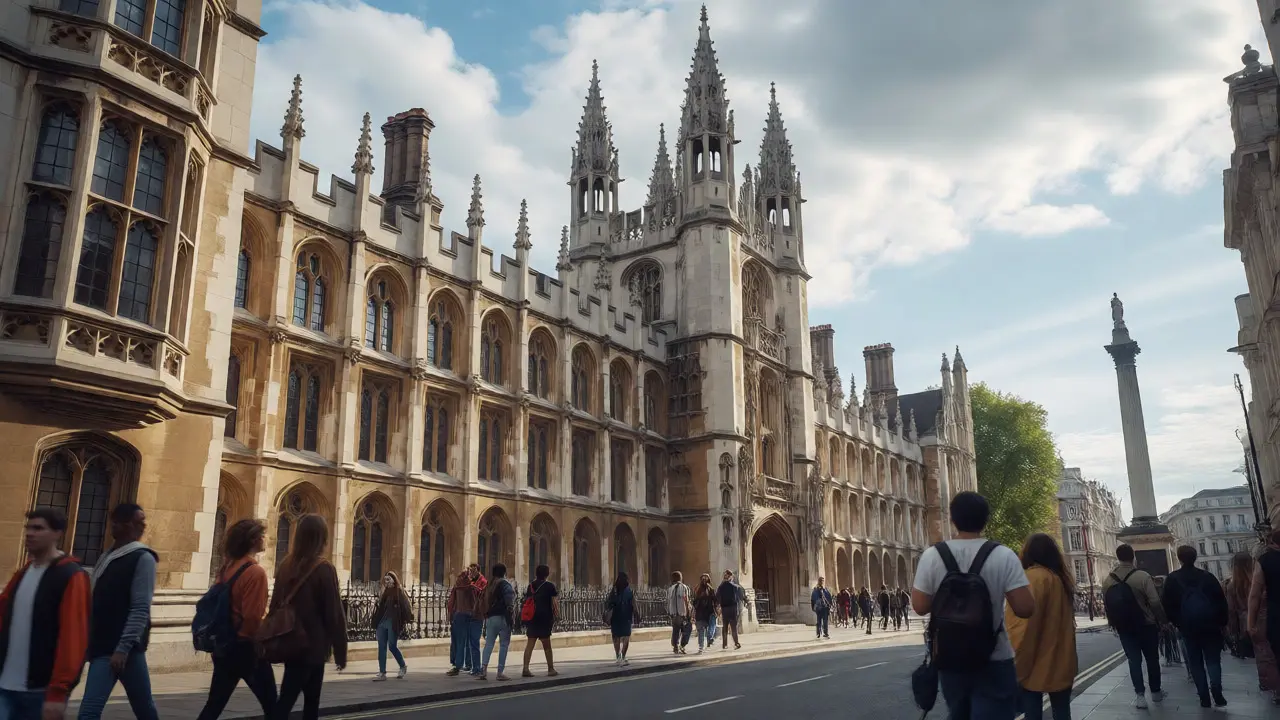
You walk past the Strand every day, maybe even glance at the gothic spires of King’s College London without giving it a second thought. But here’s the thing: this isn’t just another brick-and-mortar institution. It’s one of the oldest and most historically significant universities in England, born directly from royal decree. If you’re eyeing KCL for your studies, or you’re already there trying to make sense of its sprawling campuses, understanding its historic royal influence changes how you experience the place. It’s not just about lectures; it’s about walking through centuries of British political and religious history while grabbing a coffee.
Why does this matter? Because knowing the backstory helps you navigate the campus culture, understand why certain buildings are off-limits or heavily guarded, and appreciate the prestige that comes with the name. This guide cuts through the brochure fluff to give you the real picture of what studying at King’s is actually like, rooted in its unique origins.
The Royal Birth of a University
King’s College London is a public research university located in central London, founded by royal charter in 1829. Unlike many older universities that grew out of medieval guilds or monasteries, King’s was established with a very specific political mission. At the time, the University of Oxford and Cambridge were dominated by Anglican tradition, effectively barring non-Anglicans from degrees. The Duke of Wellington, then Prime Minister, wanted a new institution that would serve as an Anglican counterweight to the newly founded, secular-leaning University College London (UCL).
This wasn’t just a school; it was a statement. King George IV granted the charter, hence the "King’s" in the name. This royal connection isn’t just branding-it’s embedded in the DNA of the college. For students today, this means a distinct atmosphere compared to UCL, which sits just across the street. While UCL feels modern and meritocratic, King’s retains a formal, almost ceremonial vibe, especially around key traditions and governance structures.
The founding principle was to provide higher education to those excluded from Oxford and Cambridge, but crucially, it maintained a strong Church of England identity. Over time, this has evolved into a diverse, global community, but the architectural grandeur and the weight of tradition remain. You’ll feel it when you walk into the Chapel, designed by Sir George Gilbert Scott, which still hosts regular services open to all students, regardless of faith.
Campus Geography: More Than Just One Building
New students often get confused by the layout because King’s doesn’t have a single, fenced-off campus like American universities do. Instead, it’s scattered across central London. Understanding this geography is vital for managing your time and social life.
| Campus | Location | Primary Focus | Student Experience |
|---|---|---|---|
| Strand Campus | Trafalgar Square / Covent Garden | Humanities, Law, Business, Arts | Historic, busy, iconic views, close to West End |
| Guy’s Campus | London Bridge / Borough Market | Medicine, Dentistry, Nursing | Modern facilities, vibrant food scene, clinical focus |
| Waterloo Campus | South Bank | Natural Sciences, Engineering | Close to Tate Modern, riverside walks, tech-focused |
| Danish Hill Campus | Wimbledon | Poetry Institute, some graduate programs | Quiet, green, suburban feel, far from center |
The Strand Campus is the heart of the university. It’s where the historic Main Building stands, facing Somerset House. If you’re studying law or humanities, this is your home base. The architecture is stunning, but be warned: it’s also a major tourist thoroughfare. You’ll share corridors with visitors taking photos of the Nelson Column view.
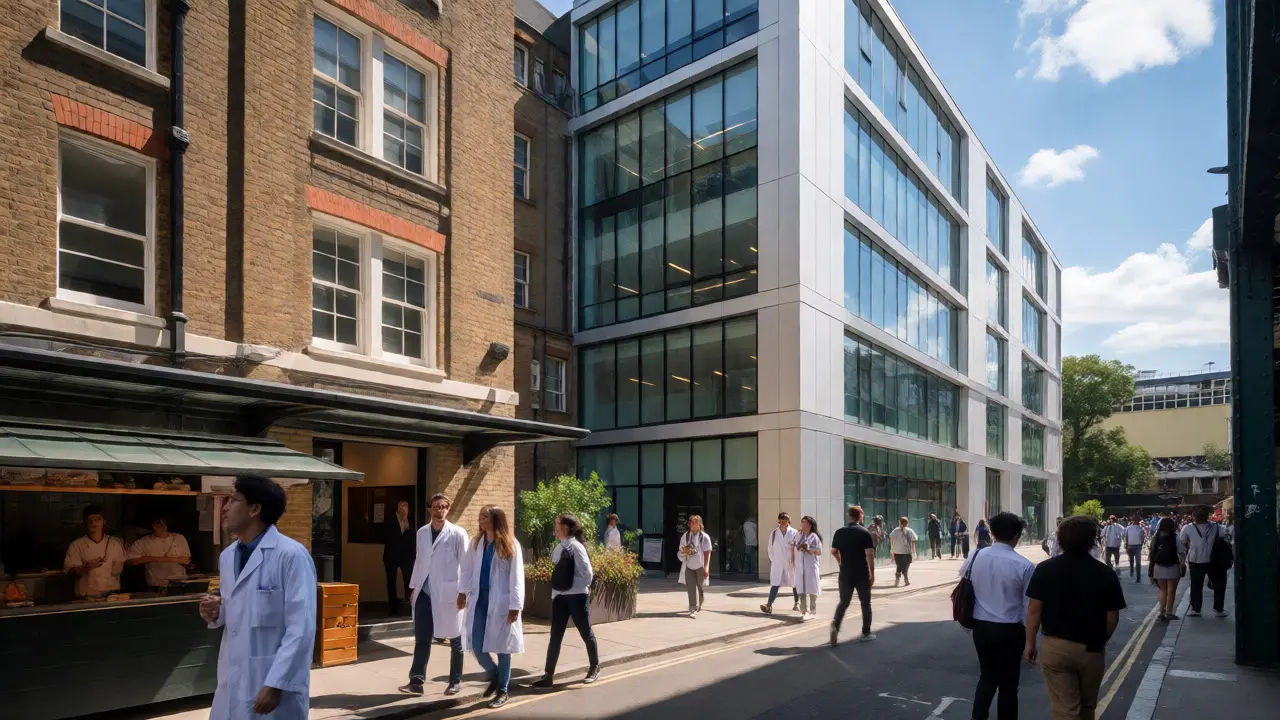
In contrast, Guy’s Campus, named after Thomas Guy who funded the original hospital, is where future doctors and dentists spend their days. Located near Borough Market, it offers incredible access to food options, which is a huge plus when you’re on a tight student budget. The building itself is a mix of old Victorian hospital wings and sleek new labs.
Living Costs and Logistics in Central London
Let’s talk money, because location dictates cost. Studying at King’s means living in some of the most expensive neighborhoods in the UK. There’s no escaping it. However, the trade-off is convenience. You don’t need a car; you barely need a bus pass if you live within Zones 1 or 2.
- Housing: Most first-year students apply for university halls. These are competitive. If you miss out, look at areas like Bermondsey, Elephant & Castle, or Southwark for better value than living right next to the Strand.
- Transport: The Oyster card or contactless payment covers Tube, bus, and rail. King’s students often use the Northern Line (Guy’s) or Bakerloo/Central Lines (Strand). Budget around £150-£200 per month for transport if you commute from Zone 3+.
- Food: Cooking at home saves thousands. Borough Market near Guy’s Campus is tempting but pricey. Tesco Express and Sainsbury’s Local are everywhere, but they charge premium prices in central zones.
A common mistake freshmen make is underestimating the cost of socializing in London. A pint in Covent Garden can easily hit £7 or £8. To keep costs down, take advantage of student discounts-always ask. Many bars and restaurants offer 10-20% off with a valid NUS card or King’s ID.

Academic Culture and Teaching Style
King’s operates on a semester system for most courses, which allows for flexibility. The teaching style leans heavily on independent study. You won’t have professors chasing you to do homework. In fact, you might only have two or three contact hours a week for a module, leaving you responsible for filling the rest with reading and seminar prep.
Research-led teaching is a big deal here. You’re being taught by people who are actively writing the books you’re reading. This means the curriculum is current, but it also means lecturers are busy. Office hours are precious. Go to them. Prepare specific questions. Don’t just show up to chat. This proactive approach is expected and respected.
Assessment methods vary by department. Humanities might rely on long essays and dissertations, requiring strong argumentation skills. STEM fields often use continuous assessment, lab reports, and exams. Medical students face rigorous clinical assessments. Regardless of your field, academic integrity is taken seriously. Plagiarism checks are standard, so cite everything properly using the Harvard or APA style required by your department.
Beyond the Classroom: Societies and Networking
If you think student life ends at the library, you’re missing half the point. The Students’ Union at King’s (KCLSU) is one of the largest in the country, hosting over 300 societies. From the King’s Film Society to the Debate Union, there’s something for everyone.
The King’s Debating Union is particularly noteworthy, given the university’s historical ties to politics and law. It’s a great way to sharpen public speaking skills and network with peers who will likely end up in influential roles.
Networking is informal but powerful. Alumni include figures like Florence Nightingale, John Keats, and countless politicians and Nobel laureates. Leveraging the alumni network starts early. Attend career fairs, join professional societies related to your major, and connect with alumni on LinkedIn. The "King’s" brand opens doors, but you have to knock.
Sports are also a big part of life. The university competes in BUCS (British Universities & Colleges Sport). Whether you’re into rowing on the Thames or playing basketball at the Waterloo Sports Centre, staying active helps manage the stress of a demanding course load.
Health, Wellness, and Support Services
Mental health support has improved significantly in recent years. King’s offers free counseling sessions, though waitlists can be long during exam periods. Book early if you anticipate needing support. Additionally, the university provides academic skills workshops if you’re struggling with essay writing or presentation techniques.
Physical health resources are robust, especially for medical students who have direct access to world-class hospitals affiliated with the university. For non-medical students, the NHS registration process is straightforward. Register with a local GP (General Practitioner) as soon as you arrive. Do not wait until you’re sick to find a clinic.
Financial hardship is real in London. If you run into trouble, speak to the Financial Aid team immediately. They can sometimes offer emergency grants or help you restructure loans. Ignoring debt only makes it worse.
Frequently Asked Questions
Is King’s College London considered a Russell Group university?
Yes, King’s College London is a member of the Russell Group, which represents leading research-intensive universities in the UK. This membership signals high academic standards and strong research output, enhancing the value of your degree globally.
How difficult is it to get into King’s College London?
Admission is competitive, particularly for popular courses like Medicine, Law, and English. Entry requirements typically involve high A-level grades (often A*AA to AAA) or equivalent international qualifications. Personal statements and interviews play a significant role in selection, especially for subjects that require critical thinking and communication skills.
What is the difference between King’s College London and UCL?
While both are top-tier London universities, King’s was founded with a stronger Anglican and royal heritage, whereas UCL was founded as a secular alternative. Culturally, King’s tends to have a more traditional, formal atmosphere, while UCL is often perceived as more progressive and egalitarian. Geographically, they are neighbors, but their campuses and student bodies have distinct identities.
Can I work while studying at King’s?
Domestic students can work freely. International students on a Student Visa are generally allowed to work up to 20 hours per week during term time and full-time during holidays. Finding part-time jobs in central London is relatively easy due to the high volume of retail and hospitality businesses, but balancing work with a heavy academic workload requires good time management.
Does King’s College London have accommodation guarantees?
King’s typically guarantees accommodation for first-year international students and care-experienced domestic students if applied for by the deadline. Domestic students are not always guaranteed a place in halls, so it’s wise to have backup housing plans ready, such as private rentals or shared houses in nearby zones.