Most visitors to London is the capital city of England and the United Kingdom, known for its rich history, diverse culture, and status as a global financial hub. It serves as the political, economic, and cultural center of the UK. spend their first few days staring at the Tower of London or queuing for the London Eye. While those landmarks are iconic, they rarely capture the soul of the city. To truly understand what makes this metropolis tick in 2026, you need to look beyond the postcards. You need to engage with the living, breathing culture that defines daily life here. This guide cuts through the tourist noise to highlight the essential cultural edits that will make you feel like an insider, not just a passerby.
Why the "Cultural Edit" Matters More Than Sightseeing
There is a distinct difference between seeing a city and experiencing its culture. Sightseeing is passive; cultural immersion is active. In London, where over 300 languages are spoken, the texture of the city changes drastically depending on which neighborhood you walk through. The "cultural edit" refers to curating your experience around the people, food, art, and rhythms of local life rather than just checking off monuments. For example, spending an hour in a quiet bookshop in Charing Cross Road offers more insight into British literary heritage than standing outside the British Library for ten minutes. It’s about depth over breadth.
The Art Scene: Beyond the Big Three Galleries
When people think of art in London, they often default to the Tate Modern, the National Gallery, or the V&A. These institutions are world-class, but they can be overwhelming and expensive. A smarter approach involves exploring the smaller, independent galleries that define the current creative pulse of the city. Areas like Bermondsey and Hackney Wick have transformed from industrial zones into vibrant hubs for contemporary art. Here, you can find street art installations, pop-up exhibitions, and studios where artists work openly. This scene is less formal and more interactive, allowing you to see how modern art is actually made and discussed. Don't just look at the canvas; talk to the artist if you get the chance. That interaction is where the real culture lives.
Food as Culture: Eating Like a Local
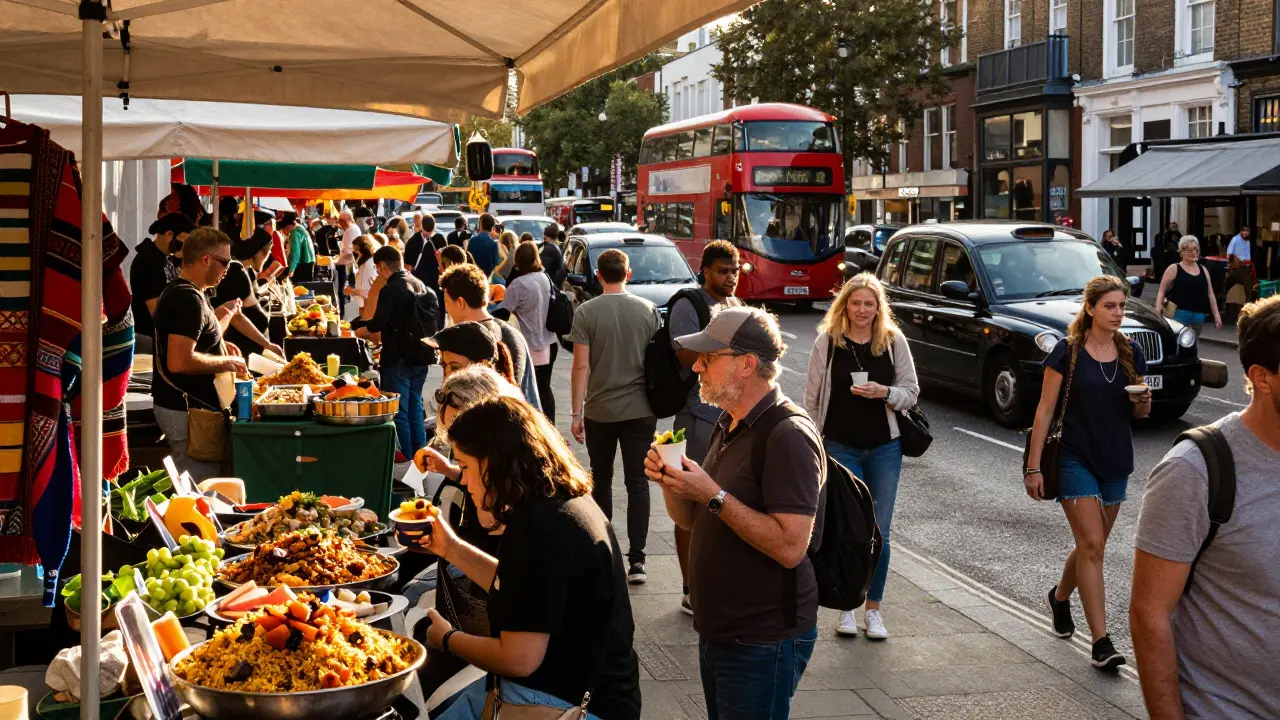
London’s food scene is one of the most diverse in the world, but it’s easy to fall into the trap of only eating in famous restaurants. To understand the culture, you have to eat where the locals eat. This means stepping away from the high-end dining district in Mayfair and heading to places like Brixton Market or the food stalls in Camden Town. In 2026, the fusion of global cuisines has reached new heights. You’ll find Nigerian jollof rice next to Peruvian ceviche and traditional British pies. The key is to observe who is eating there. If the queue is full of people in business suits or casual weekend wear, you’re in the right spot. Food markets are social hubs where conversations happen naturally, making them perfect for observing local norms and tastes without the pressure of a sit-down meal.

Understanding Neighborhood Dynamics
London is not one city; it is dozens of cities stitched together. Each borough has its own personality, slang, and vibe. Understanding these dynamics is crucial for navigating the city with confidence. Shoreditch, for instance, is known for its startups, trendy cafes, and nightlife, attracting a younger, tech-savvy crowd. In contrast, Richmond upon Thames offers a quieter, suburban feel with lush parks and a strong sense of community. When planning your day, match your energy to the neighborhood. If you want high-energy interactions, head east. If you seek relaxation and nature, go west. This geographic awareness helps you avoid culture shock and ensures your experiences align with your interests.
The Unwritten Rules of Social Interaction
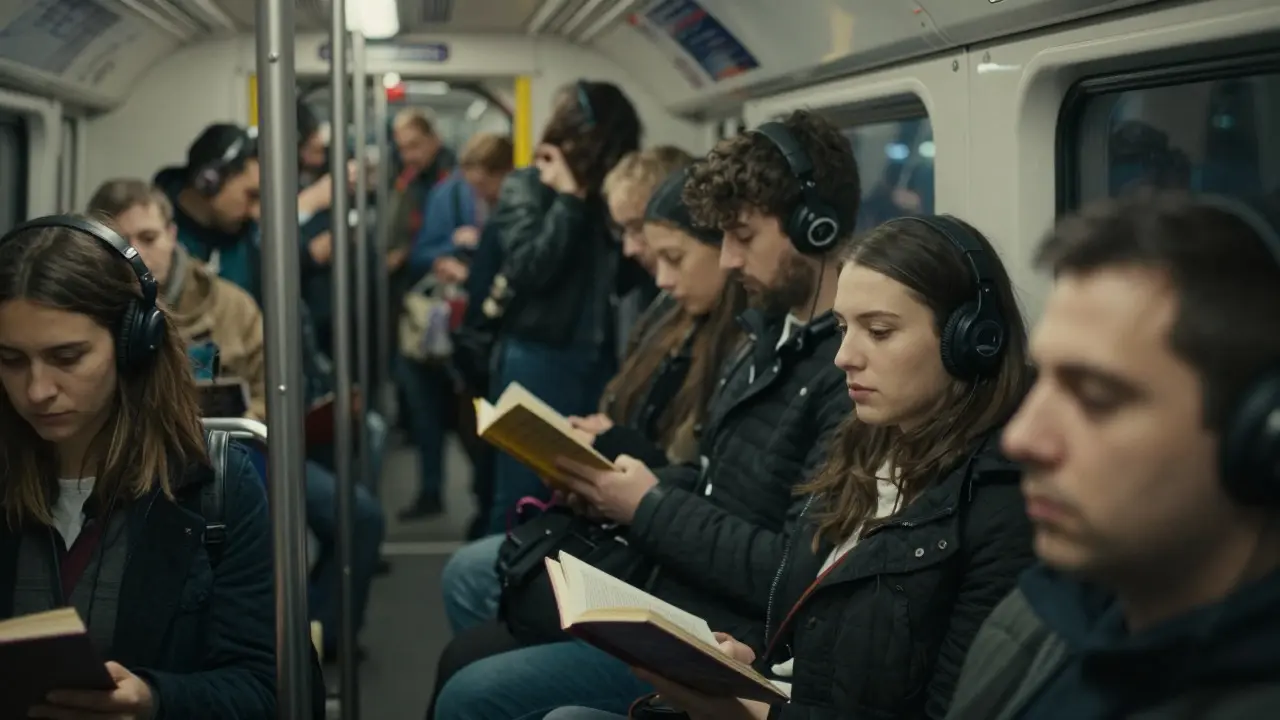
Culture isn’t just what you see; it’s how people behave. In London, personal space is highly valued. On the Tube (subway), it is common to stand shoulder-to-shoulder without speaking. This silence is not rudeness; it is a sign of respect for others’ privacy. If you break the silence, keep it brief and polite. Queuing is another sacred institution. Cutting in line is considered a major social faux pas. Whether you’re waiting for a bus or buying coffee, always join the back of the line. These small behaviors signal that you understand the local code. Mastering these nuances will make interactions smoother and more welcoming, turning strangers into potential friends.
Music and Nightlife: The Soundtrack of the City
London has been a global leader in music for decades, from the punk rock of the 70s to the grime of the 2010s. Today, the scene is fragmented across hundreds of venues. Instead of focusing solely on the massive arenas, explore the intimate clubs in Soho or the open-air festivals in Hyde Park during summer. Live music in London is accessible and affordable. Many venues host free events or charge minimal entry fees. Attending a live gig allows you to feel the collective energy of the crowd, a core part of the city’s identity. Look for venues that specialize in specific genres to connect with niche communities. This is where you’ll meet people who share your passions, deepening your cultural connection to the place.
| Experience Type | Recommended Area | Best For | Cost Level |
|---|---|---|---|
| Contemporary Art | Bermondsey / Hackney Wick | Modern art enthusiasts, creatives | Low to Medium |
| Street Food Markets | Brixton / Camden | Foodies, social observers | Low |
| Live Music Venues | Soho / Southbank | Musicians, night owls | Medium |
| Literary Walks | Charing Cross / Bloomsbury | Book lovers, history buffs | Free |
Practical Tips for Cultural Immersion
- Learn Key Phrases: Even if English is your second language, knowing phrases like "cheers" (thank you) and "no worries" (it's okay) goes a long way in building rapport.
- Use Public Transport: Riding the Tube or buses puts you in the middle of everyday life. It’s the best way to observe fashion trends and social dynamics.
- Visit Libraries: The British Library and local public libraries are free to enter. They offer insights into historical and contemporary issues without the commercial pressure of museums.
- Attend Free Events: Many cultural centers and churches host free concerts, talks, and workshops. Check local listings for weekly events that require no ticket purchase.
- Be Open to Surprise: The best cultural moments often happen unexpectedly. Keep an open mind and be willing to change your plans based on what you see and hear.
Frequently Asked Questions
What is the best time of year to experience London's culture?
Summer (June to August) is ideal for outdoor festivals, park concerts, and longer daylight hours. However, spring and autumn offer fewer crowds and milder weather, making indoor cultural activities more comfortable.
How much does it cost to participate in cultural activities in London?
Many top-tier museums and galleries are free to enter. Street food and live music can range from £5 to £20 per person. High-end theater tickets are more expensive, but preview nights and rush-hour discounts can reduce costs significantly.
Are Londoners friendly to tourists trying to learn about local culture?
Generally, yes. While Londoners may seem reserved initially, showing genuine interest in local customs, asking thoughtful questions, and respecting personal space usually leads to warm and helpful interactions.
What should I avoid doing when trying to blend in culturally?
Avoid cutting in line, speaking loudly in quiet spaces like libraries or trains, and assuming everyone speaks English. Also, don't underestimate the importance of punctuality; being late is often viewed negatively in professional and social settings.
Where can I find free cultural events in London?
Check the websites of major museums like the Tate and the British Museum, which regularly host free talks and tours. Local council websites also list free community events, while many bookshops and cafes host free poetry readings and author signings.