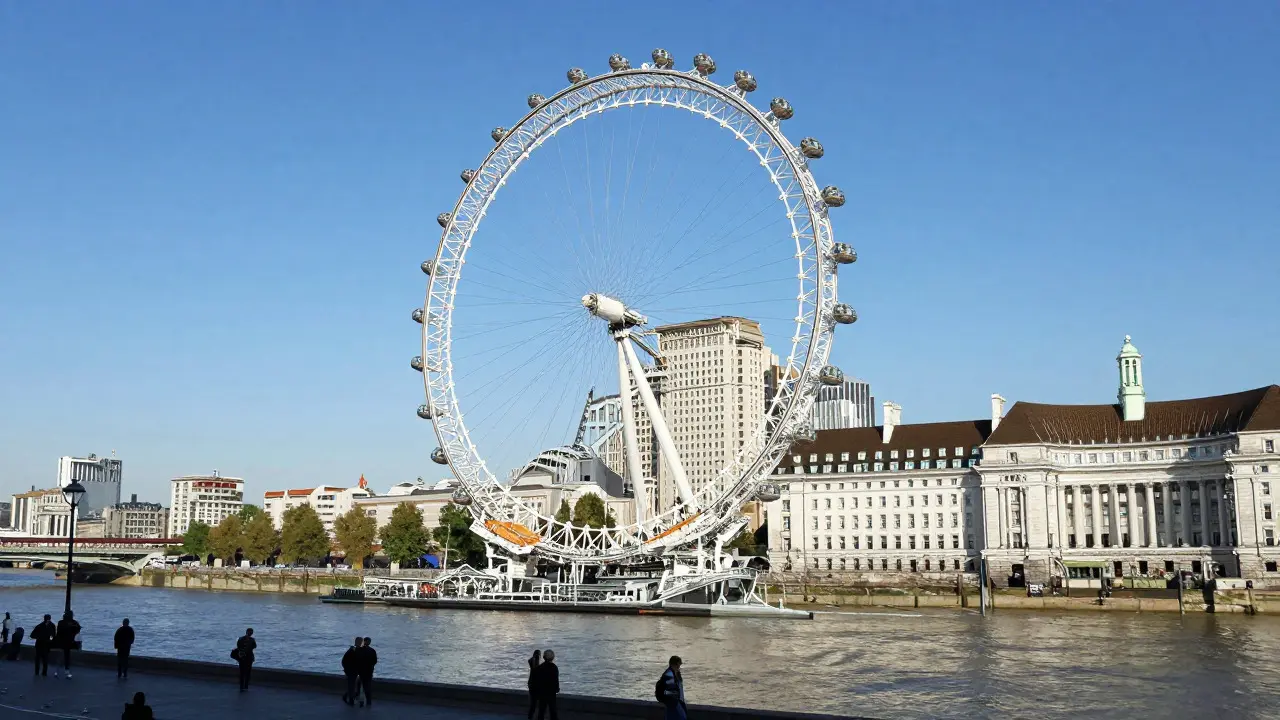
Standing on the South Bank with the London Eye looming above you, it’s easy to forget that this giant Ferris wheel is actually a piece of engineering history. Inaugurated for the Millennium in 2000, it remains one of the most iconic landmarks in London. But here’s the catch: getting the best experience isn’t just about buying a ticket. It’s about timing, positioning, and knowing what you’re missing if you go at the wrong hour. This guide cuts through the noise to help you plan a visit that delivers those breathtaking panoramic city views without the headache.
Why the London Eye Still Dominates the Skyline
The Millennium Wheel stands 135 meters (443 feet) tall, making it the tallest cantilevered observation wheel in the world. Unlike traditional amusement park rides, it doesn’t spin rapidly. Instead, it moves slowly enough that passengers can step on and off while it’s moving. Each of the 32 capsules holds up to 25 people, offering a quiet, enclosed space to take in the view. The design ensures stability even in strong winds, which is crucial given its location right next to the River Thames. For many visitors, it’s not just a ride; it’s a vantage point that frames the entire city from Big Ben to the Shard.
Timing Your Visit for Maximum Clarity
Lighting is everything when you’re looking for the best photos. Here’s how to time your slot:
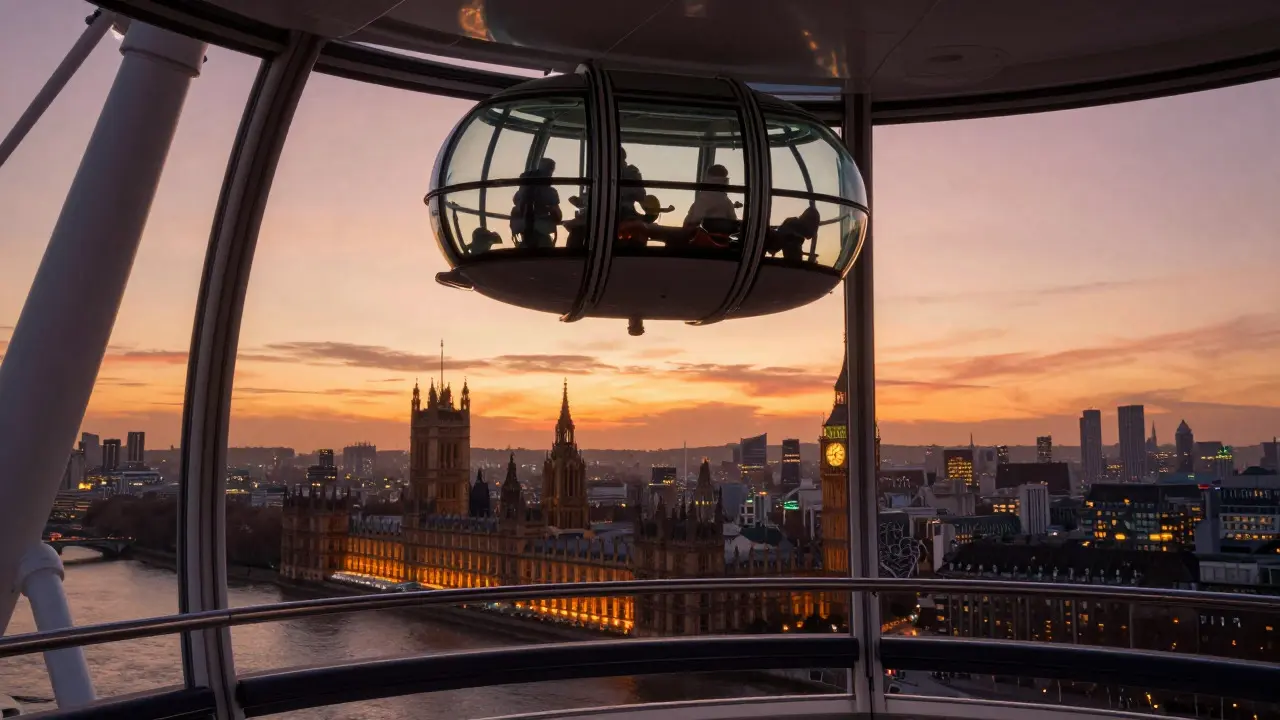
- Sunset (Golden Hour): Arrive 30 minutes before sunset. You get warm light on the buildings during the first half of the rotation and the city lights turning on during the second. This is widely considered the premium window.
- Midday (Clear Skies): If visibility is good, midday offers the sharpest details. However, clouds can obscure distant landmarks like Windsor Castle or St. Paul’s Cathedral.
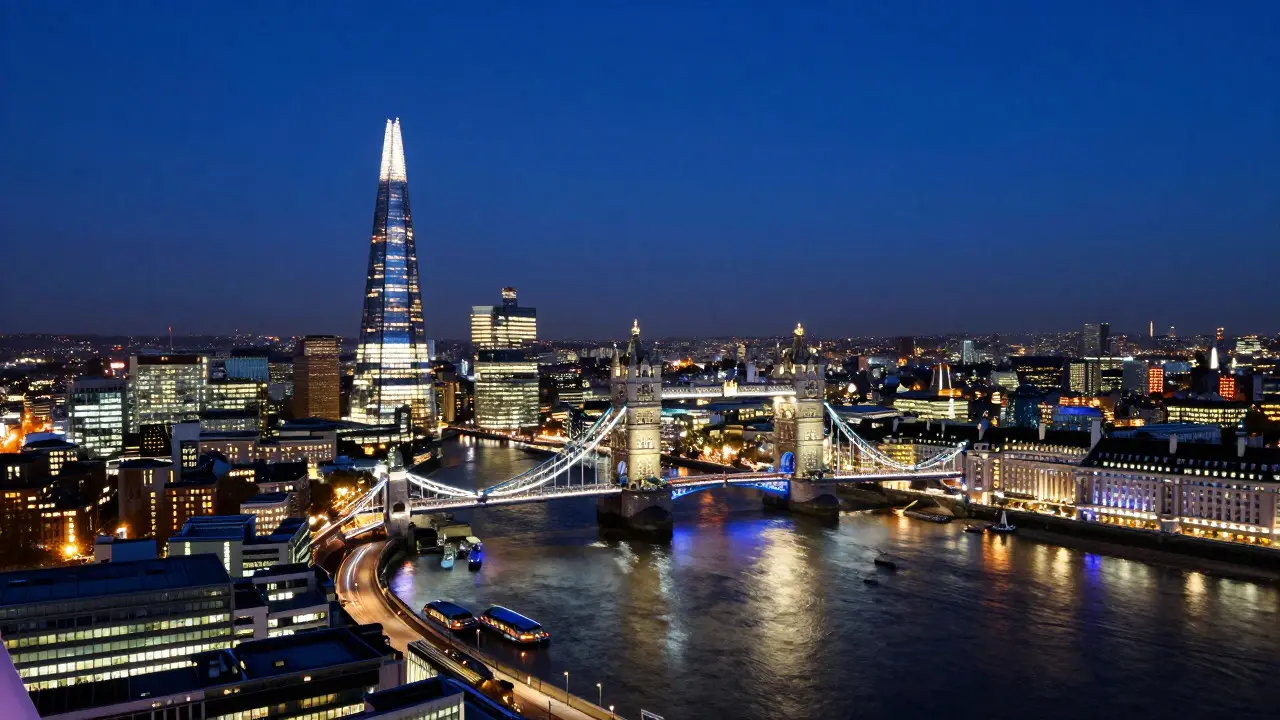
- Night (Blue Hour): Just after dark, the contrast between the lit-up skyline and the dark sky creates dramatic images. Note that some interior details are lost, but the glow of the river and bridges compensates.
Avoid early mornings unless you’re a photographer chasing specific angles. The air is often hazier, and the city feels less alive. Also, check the weather forecast closely. A thin layer of fog can turn a clear day into a gray blur, ruining the panoramic effect.
Ticket Strategies: Avoiding the Queue Trap
Walking up to the gate hoping for a same-day ticket is risky. While it’s possible, lines can stretch over an hour during peak seasons (May-September). To secure your spot, book online in advance. There are two main types of tickets:
- Standard Entry: Cheapest option. You pick a general time slot, but you might still wait if the queue is long. Good for flexible travelers.
- Priority Access: Costs more but guarantees a shorter wait. You enter via a dedicated lane. Worth it if you have limited time or are traveling with kids who lose patience quickly.
Pro tip: Check for any seasonal promotions or bundle deals that include other South Bank attractions. Sometimes, pairing the Eye with a Thames cruise or a museum entry saves money and streamlines your day.
What You’ll Actually See: A View Breakdown
From the top, the city unfolds in layers. Here’s what to look for:
| Direction | Landmark | Visibility Tip |
|---|---|---|
| North | Big Ben & Houses of Parliament | Look directly across the river. The clock face is clearly visible. |
| East | The Shard & Tower Bridge | The Shard dominates the eastern skyline. Tower Bridge is slightly further out. |
| West | Buckingham Palace & Hyde Park | On clear days, you can see the green expanse of Hyde Park stretching toward the palace. |
| South | Greenwich & Royal Naval College | Visible on very clear days. Look down the length of the Thames. |
Don’t just stare at the famous spots. Notice the texture of the city-the red buses crawling along the roads, the small boats on the river, and the intricate rooflines of Victorian buildings. These details give scale to the massive structures.
Accessibility and Practical Tips
The London Eye is fully wheelchair accessible. Ramps lead directly into the capsules, and there’s no need to climb stairs. If you’re traveling with elderly family members or strollers, this makes the experience much smoother. Capsules are climate-controlled, so bring a light jacket in summer evenings and a warm coat in winter. The temperature drops noticeably at that height.
Food and drink policies are strict. You can bring small snacks and water bottles, but large bags may be checked. Lockers are available near the entrance if you need to store extra gear. Photography is allowed inside the capsules, so pack your camera or ensure your phone has enough battery. Tripods are generally discouraged as they block other passengers’ views.
Common Mistakes to Avoid
- Ignoring the Weather App: Don’t rely on a single forecast. Check multiple sources and look at wind speed. High winds can sometimes delay boarding or reduce visibility.
- Choosing the Wrong Time Slot: Booking a 9 AM slot on a cloudy day means you’ll pay for a gray view. Prioritize afternoon slots for better light.
- Skipping the Surroundings: The area around the Eye is part of the experience. Walk along the South Bank promenade afterward. The views from ground level complement the aerial perspective.
Frequently Asked Questions
Is the London Eye worth the price?
For most visitors, yes. The unique perspective of seeing London from 135 meters up is hard to replicate elsewhere. If you’re budget-conscious, consider going on a weekday morning or evening to potentially find lower rates or avoid peak crowds. The value lies in the convenience and the quality of the view, especially during sunset.
How long does the ride take?
One full rotation takes approximately 30 minutes. However, you don’t have to stay for the whole circle. You can step off at any point. Most people spend 15-20 minutes on the ride itself, plus time waiting and entering the capsule.
Can you go on the London Eye if it’s raining?
Yes, the capsules are enclosed and heated. Rain won’t stop the operation unless there are high winds or lightning. However, rain reduces visibility significantly. If you’re going specifically for photos, check the forecast carefully. A drizzle might be acceptable, but heavy rain will obscure the panoramic views.
Are there age restrictions for children?
There are no strict age limits, but children under 3 usually ride free. Toddlers and young children should be accompanied by an adult. The slow movement is gentle, but some very young kids might feel uneasy at the height. If your child is afraid of heights, consider sitting them in a position where they can see the ground level easily.
What is the best season to visit the London Eye?
Late spring (May-June) and early autumn (September-October) offer the best balance of pleasant weather and manageable crowds. Summer (July-August) is busy but provides longer daylight hours. Winter is quieter but colder, and days are shorter, limiting your viewing time.