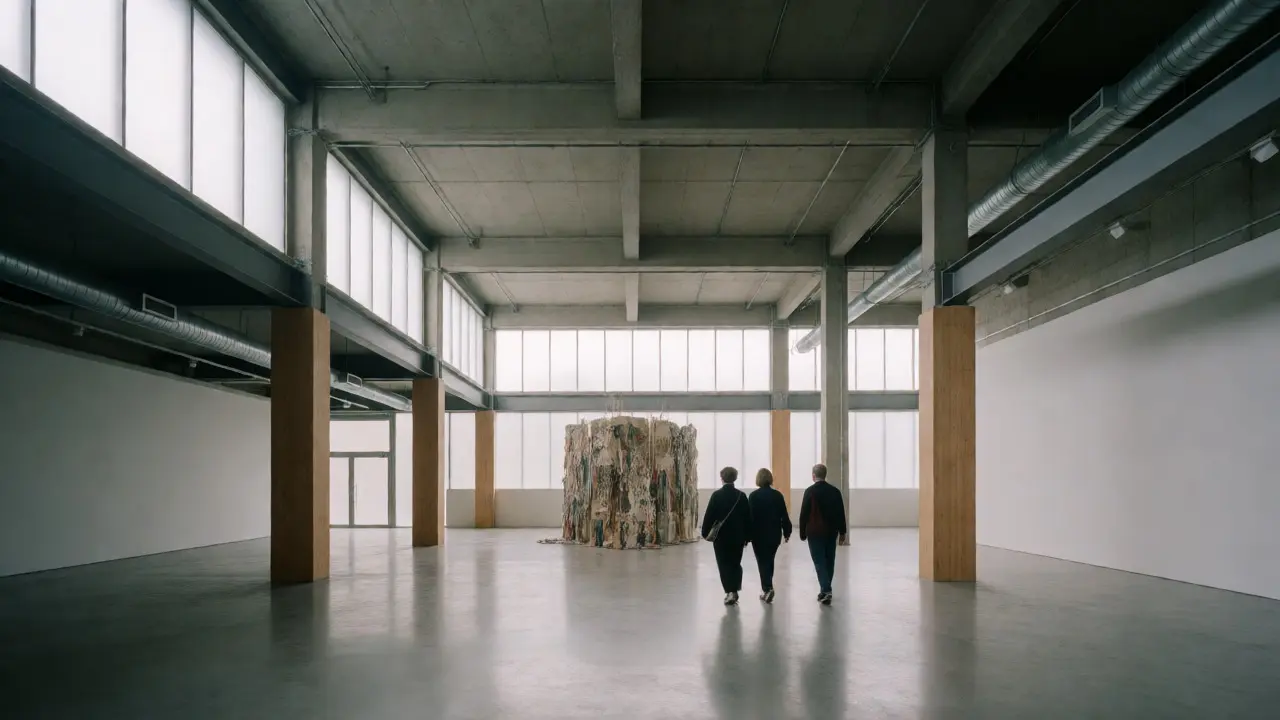
You’ve seen the Tate Modern. You’ve walked through the National Gallery’s grand halls. But have you ever spent a Saturday getting lost in a converted warehouse in Bermondsey or stumbling upon a solo show in a basement in Fitzrovia? That is where the real pulse of London Gallery Weekend beats. It is not just an event; it is a ritual for those who want to see what is happening right now, before it hits the auction houses or the mainstream news cycle.
For many, the idea of visiting galleries feels intimidating. Do you need an art degree? Do you need to know the artist’s biography? Absolutely not. The beauty of independent spaces is their accessibility and raw energy. This guide breaks down how to navigate the weekend without burning out, which neighborhoods are worth your time, and how to actually engage with the work on display.
Why Independent Galleries Matter More Than Ever
Mega-museums are fantastic for history, but they move slowly. An exhibition at the British Museum might take years to curate. In contrast, independent galleries operate on a different clock. They react to current events, emerging trends, and new voices within weeks. When you visit these spaces during London Gallery Weekend, you are seeing the immediate output of the city’s creative community.
These venues also serve as incubators. Most major artists today started in small spaces like White Cube (which has grown huge but retains its indie roots) or smaller outfits in East London. By supporting them, you are directly funding the next generation of talent. Plus, the entry is almost always free. There is no ticket queue, no timed entry slot, and usually, no crowd blocking your view of the canvas.
Picking Your Neighborhoods Strategically
London is massive. Trying to see everything from Southwark to Mayfair in one day will leave you exhausted and resentful of public transport. The smartest approach is to pick two or three adjacent neighborhoods. Here is how the geography works:
- Bermondsey & Rotherhithe: This is the heartland of large-scale contemporary art. Think high ceilings, industrial floors, and ambitious installations. If you like big statements, start here.
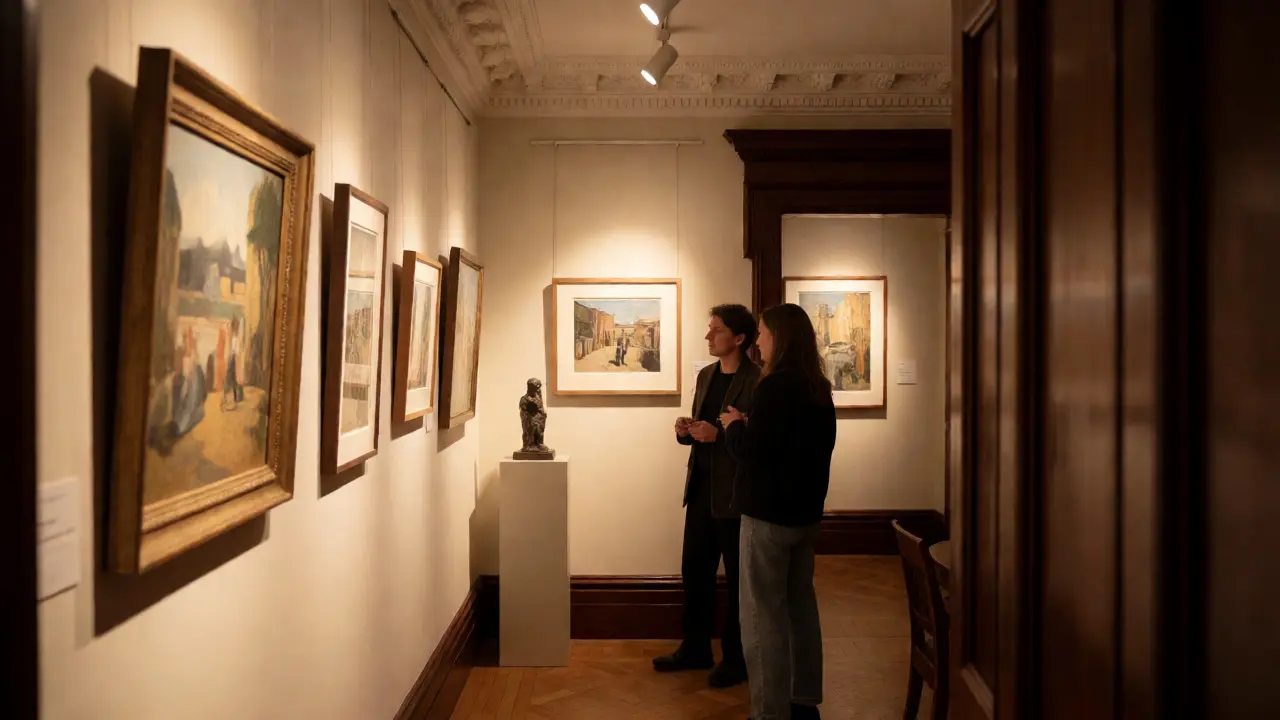
- Fitzrovia & Soho: These areas are home to intimate, curated spaces often run by dealers with deep historical knowledge. Expect more traditional media like painting, sculpture, and photography, often housed in elegant townhouses.
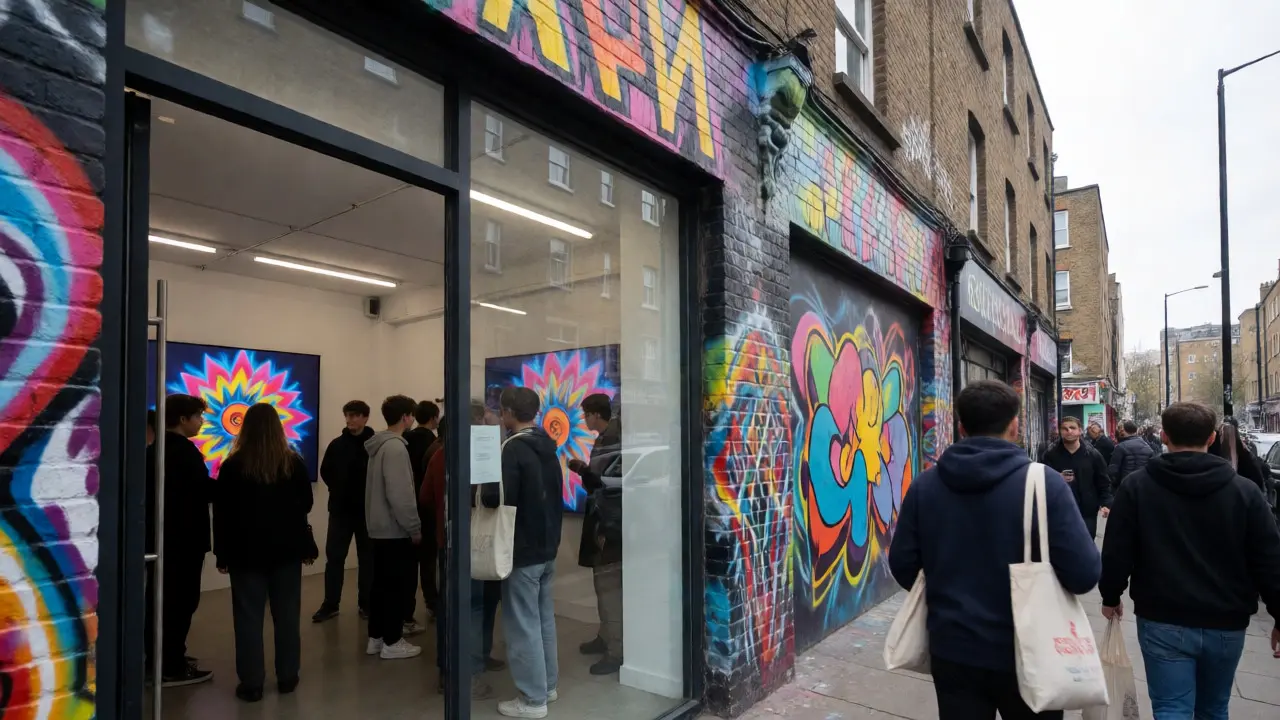
- Shoreditch & Hoxton: Younger, edgier, and heavily focused on digital art, street art influences, and experimental performance. This area changes rapidly, so check specific listings closer to the date.
- Mayfair & St James’s: Don’t let the posh postcode fool you. While some galleries here are blue-chip giants, many offer world-class modernist and post-war art that rivals any museum collection.
The Art of Gallery Hopping Without Burnout
There is a phenomenon known as "museum fatigue," where your brain simply stops processing visual information after too much exposure. To avoid this, you need a strategy. First, set a limit. Aim for five to seven galleries maximum per day. Any more, and you are just walking past art rather than looking at it.
Second, mix the intensity. If you visit a heavy conceptual installation in Bermondsey, follow it up with a lighter, perhaps humorous, drawing exhibition in Shoreditch. Third, take breaks. London has plenty of cafes near gallery clusters. Sitting down for ten minutes allows your mind to reset. Hydration matters too-bring a water bottle. Many galleries do not sell drinks, and relying on overpriced coffee shops can drain your budget quickly.
| Area | Vibe | Best For | Transport Tip |
|---|---|---|---|
| Bermondsey | Industrial, Spacious | Large Installations, Photography | Jubilee Line to Bermondsey |
| Fitzrovia | Intimate, Historic | Painting, Sculpture, Old Masters | Central Line to Tottenham Court Rd |
| Shoreditch | Edgy, Experimental | New Media, Emerging Artists | Overground to Hoxton |
| Mayfair | Polished, Prestigious | Modernism, Post-War Art | Central/Jubilee to Bond Street |
How to Actually Look at Art (Without Feeling Silly)
Standing in front of a blank white canvas or a pile of rocks and feeling confused is normal. You don’t need to understand the artist’s intent immediately. Try this three-step method instead:
- Look: Spend the first minute just observing details. What colors dominate? Is the texture rough or smooth? How does the light hit it?
- Read: Pick up the wall label. It usually gives you the title, medium, and a brief statement. This context can unlock meaning you couldn’t guess alone.
- Ask: If there is a staff member present, ask them a question. "What inspired this piece?" or "Is this part of a series?" Staff love talking about the work, and their answer often provides insights that aren’t written down.
Remember, interpretation is subjective. If a piece makes you feel uneasy, curious, or bored, that reaction is valid. Art doesn’t have to be beautiful to be successful.
Hidden Gems Beyond the Mainstream Lists
While the big names get the headlines, some of the best experiences happen in smaller, less advertised spots. Keep an eye out for project spaces. These are often pop-up locations run by artist collectives rather than commercial dealers. They might not have permanent addresses, but they host groundbreaking work.
Also, consider visiting Camden Arts Centre, which is technically a registered charity but operates with the agility of an independent gallery. Located in North London, it offers a stark contrast to the central hubs. It is spacious, family-friendly, and often features socially engaged projects that invite audience participation rather than passive viewing.
Another tip: look for open studios. During Gallery Weekend, some artists open their actual working spaces. This is rare and valuable because you see the mess, the tools, and the process. It demystifies the creation of art significantly.
Practical Tips for a Smooth Experience
Comfortable shoes are non-negotiable. You will be standing and walking on hard concrete floors for hours. Dress in layers; some older buildings lack consistent heating or air conditioning.
Check opening times carefully. Unlike museums, independent galleries vary wildly. Some close at 5 PM, others stay open late on Fridays. A few might require booking slots for popular shows, though this is less common than in major institutions. Always check the specific gallery’s website or social media pages the morning of your visit.
Finally, respect the space. No flash photography if signs prohibit it. Don’t touch the artwork unless explicitly invited to. And keep phone calls low. The quiet hum of conversation is part of the atmosphere.
Frequently Asked Questions
Do I need to buy tickets for London Gallery Weekend?
No, most independent galleries offer free admission. However, some special installations or talks might require a nominal donation or pre-booking. Always check the individual gallery's website for specific requirements.
Can I take photos inside the galleries?
Policies vary. Generally, personal photography without flash is permitted in many spaces, but some artists prefer no photography to preserve the experience. Look for signage at the entrance or ask a staff member before snapping pictures.
Are these galleries suitable for children?
It depends on the venue. Large industrial spaces in Bermondsey often welcome families, while intimate townhouse galleries in Mayfair may be quieter and less child-friendly. Check if the exhibition involves fragile objects or interactive elements that might be risky for young kids.
What if I don't understand the art?
That is perfectly fine. Contemporary art often prioritizes concept over aesthetic beauty. Read the wall text, talk to the staff, or simply describe how it makes you feel. There is no single 'correct' interpretation.
Is food available near the gallery districts?
Yes, all major gallery districts have ample dining options. Bermondsey has trendy cafes and breweries, while Fitzrovia offers classic pubs and bistros. Plan your lunch break around a nearby spot to recharge.
Next Steps: Building Your Own Route
Now that you know the lay of the land, grab a map. Mark three galleries in one neighborhood and two in another. Print the list or save it offline on your phone. On the day, trust your instincts. If a show grabs you, stay longer. If a room feels empty, walk out. London Gallery Weekend is about discovery, not completion. Go out, get lost, and find something that surprises you.