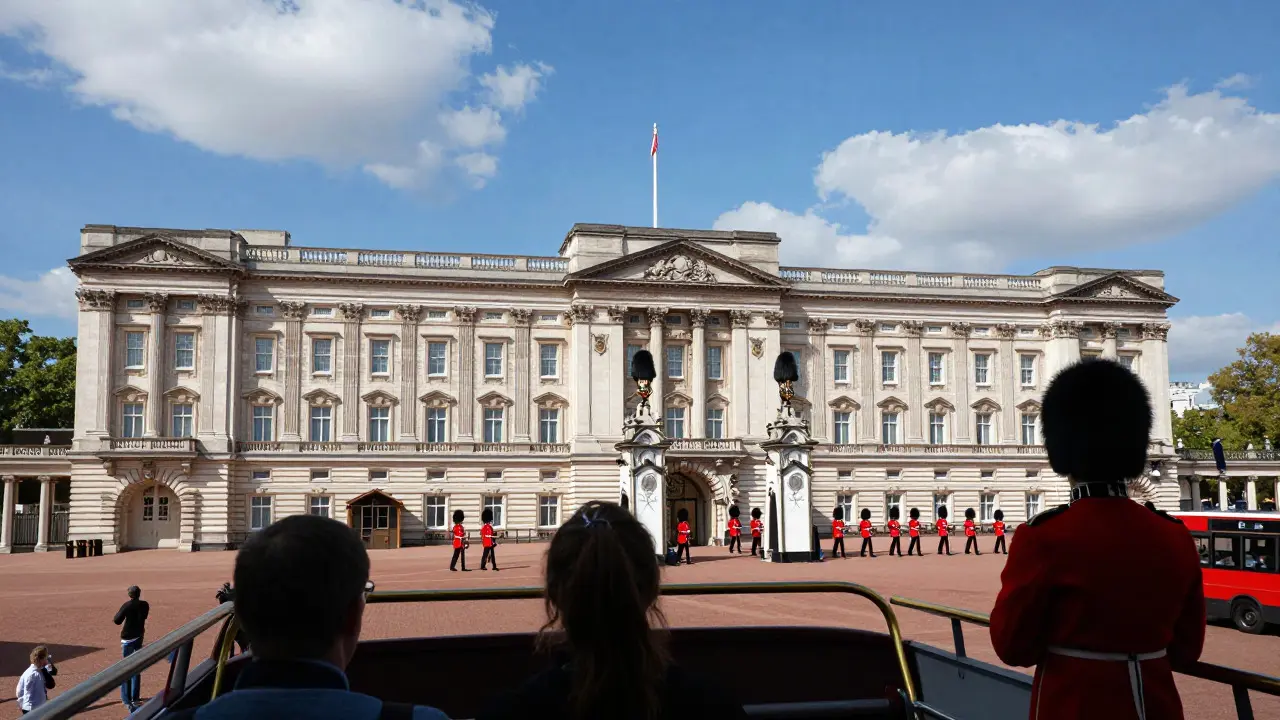
Imagine standing on the top deck of a double-decker bus, watching the Buckingham Palace glide past while your guide explains why the Queen’s Guard changes every three hours. That specific moment-where history meets real-time movement-is exactly what makes hop-on hop-off bus tours in London so effective for first-time visitors. You aren't just looking at a map; you are physically moving through the city's most iconic corridors.
However, not all buses are created equal. Some stick to rigid schedules that force you to rush, while others offer flexible stops that let you linger at Trafalgar Square if you feel inspired. This guide breaks down how these systems work, which routes actually cover the best sights, and how to choose the ticket that fits your pace without breaking the bank.
How the System Actually Works
A hop-on hop-off bus tour is an open-top or enclosed double-decker bus service that allows passengers to board and alight at designated stops along a fixed route. Unlike standard public transport, these buses run on a continuous loop rather than a point-to-point system. This means there is no "final stop" in the traditional sense; the bus simply keeps going until it returns to the starting point, usually near Piccadilly Circus or Leicester Square.
The core mechanic relies on validity periods. When you buy a ticket, you get access for either one day (24 hours) or two days (48 hours). Once you board, the clock starts ticking. From that moment, you can get off at any stop, explore the area, and reboard *any* bus on the same network as long as you have a valid ticket. This flexibility is the main selling point. It transforms a passive ride into an active exploration tool.
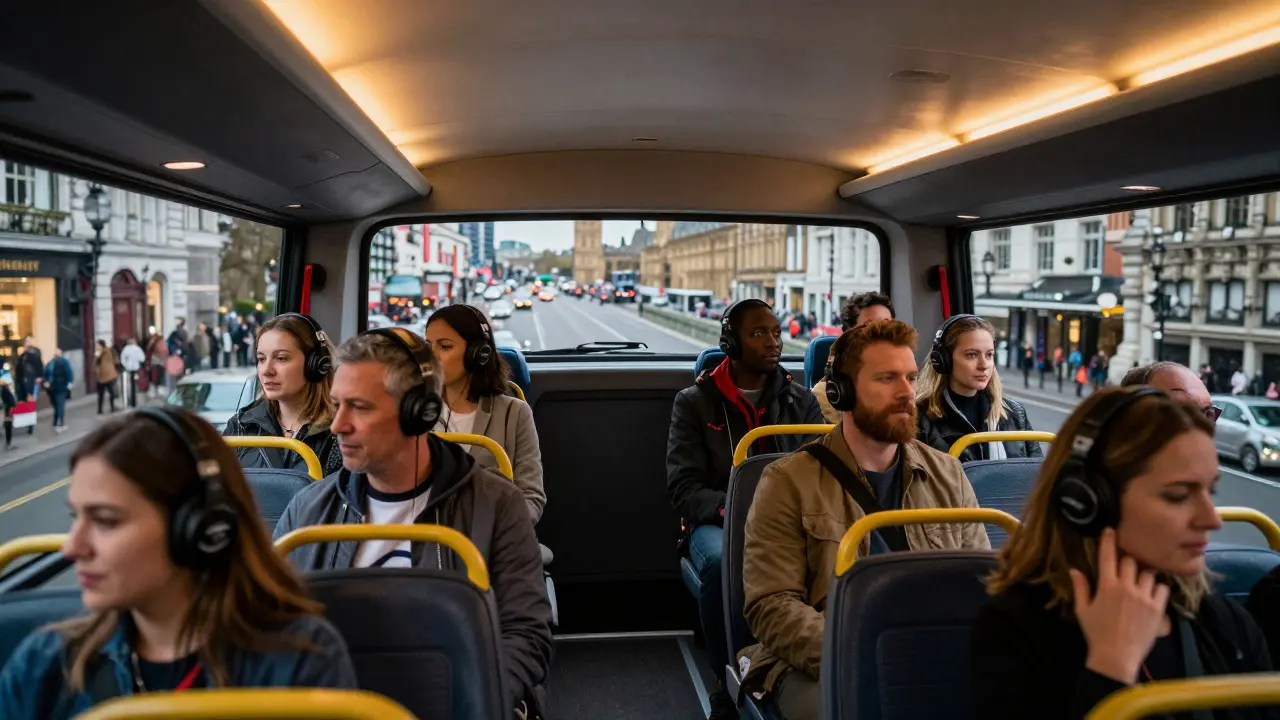
Most major operators provide audio commentary in multiple languages. You select your language via a headset or a companion app. The commentary is synchronized with the location, so when the bus passes the Tower Bridge, you hear about its Victorian engineering, not just its visual appearance. This adds context that a guidebook often misses because it lacks the immediacy of seeing the structure from the street level.
Major Operators and Their Routes
The market in London is dominated by a few key players, each with distinct strengths. Understanding their differences helps you pick the right fit for your travel style.
| Operator | Primary Route Focus | Unique Feature | Best For |
|---|---|---|---|
| Big Bus Tour | Covering both central and west London extensively | Multiple interconnected routes (Red, Blue, Green) | Travelers who want maximum coverage |
| The Original Tour | Focused on historic landmarks and river views | Includes Thames River Cruise option | First-timers wanting classic highlights |
| City Sightseeing | Standard tourist circuit with frequent stops | Wide international presence and app integration | Groups and families needing simplicity |
Big Bus Tour operates a complex web of routes. Their Red Route covers the main tourist trail, while the Blue Route extends to places like Hyde Park and Kensington Gardens. If you have limited time, the Red Route is essential. If you have two days, combining Red and Blue gives you a comprehensive view of the city's green spaces and royal residences.
The Original Tour takes a slightly different approach. They emphasize the narrative aspect of the tour. Their routes are designed to tell a story, moving from the political heart of Whitehall to the cultural hub of South Bank. A significant advantage here is the optional inclusion of a Thames River Cruise. Seeing the skyline from the water provides a perspective that land-based tours simply cannot match.
Key Stops You Should Not Miss
While the bus passes dozens of locations, certain stops warrant more time than others. These are the spots where getting off the bus and walking around yields the highest return on your time investment.
- Westminster Area: This cluster includes the Houses of Parliament, Big Ben, and Westminster Abbey. The architecture here is dense and impressive. Walking between these sites takes only ten minutes but offers a deep dive into British history. The bus stops are close enough to make this easy, but the experience is significantly better on foot.
- Trafalgar Square: A central hub for the city. Here, you can see Nelson’s Column, the National Gallery entrance, and the fountains. It’s a great place to orient yourself geographically. Many tourists use this square as a meeting point because it’s easy to find and centrally located.
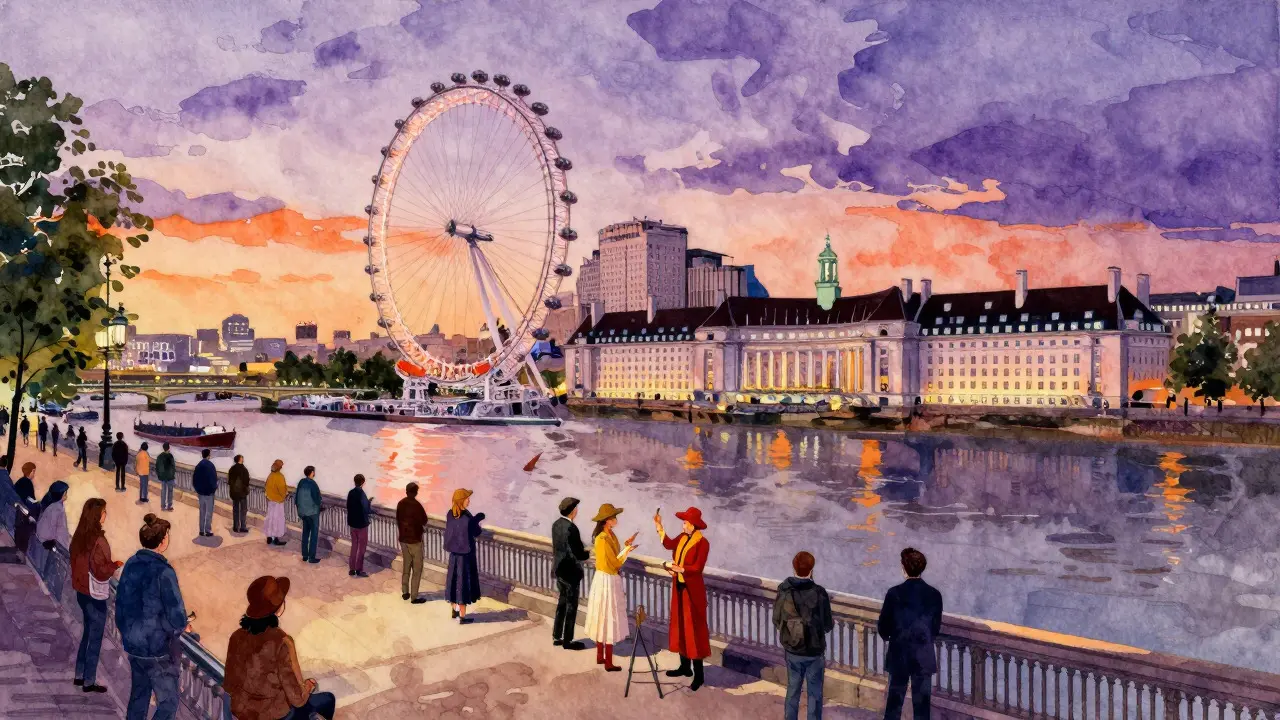
- South Bank: This stretch along the Thames features the London Eye, Shakespeare’s Globe Theatre, and numerous street performers. The atmosphere here is lively and distinct from the formal government district across the river. Getting off here allows you to feel the pulse of modern London culture.
- Tower of London: Located further east, this stop is crucial for understanding medieval history. The walk from the bus stop to the main gate is short, but the site itself requires several hours to fully appreciate. If you’re short on time, even just viewing the exterior and the moat from the bridge provides excellent photos.
Notice how these stops are spaced out? This spacing is intentional. It prevents the tour from feeling rushed. You can spend an hour at Westminster, then catch the next bus heading toward the City of London. The system is designed to accommodate variable pacing.
Choosing the Right Ticket Duration
The decision between a one-day and two-day pass depends entirely on your itinerary density. A common mistake is buying a two-day pass thinking you’ll use it fully, only to find you’ve seen everything by day one afternoon. Conversely, a one-day pass can feel stressful if you try to cram too many museums into a single 24-hour window.
Here is a practical heuristic: If you are planning to visit fewer than five major attractions per day, a one-day pass is sufficient. The bus acts as a connector between these points. If you plan to visit more than five, or if you want to include leisurely meals and shopping breaks, the two-day pass reduces pressure. It allows you to skip a morning segment and catch up later without worrying about missing a specific departure time.
Also consider the weather. In summer, the open-top decks are popular, but they can be exposed to wind and rain. In winter, the enclosed lower deck is more comfortable. Regardless of season, having a second day provides a buffer for unexpected delays or fatigue. Most travelers find that the second day is used for revisiting favorite spots or exploring areas they missed initially.
Practical Tips for a Smooth Experience
Several small details can make or break your experience on these tours. Planning ahead saves money and stress.
- Buy Tickets Online: Purchasing online is almost always cheaper than buying at the kiosk. It also guarantees you a seat during peak times. Kiosks can sell out, especially on weekends and holidays.
- Bring Cash for Vendors: While the bus accepts cards, many street vendors, food stalls, and small shops near major stops prefer cash. Having small denominations ready speeds up transactions.
- Check the App for Real-Time Updates: Most operators have apps that show live bus locations. This helps you know how long you’ll wait at a stop. It also allows you to download maps offline, which is useful if your data plan runs out.
- Wear Comfortable Shoes: The bus does the heavy lifting for distance, but you will still be walking between stops and within attraction grounds. Comfortable footwear is non-negotiable for a full day of sightseeing.
- Hydrate and Protect Your Skin: The open-top deck exposes you to sun and wind. Carry water and wear sunscreen, even in mild weather. Dehydration can ruin the energy needed for exploring.
Another pro tip: Don’t cling to the top deck exclusively. The lower deck often has better acoustics for the audio guide and less wind interference. Switching between decks can enhance your comfort without affecting your ticket validity.
Comparing Buses to Other Transport Options
You might wonder if taking the London Underground (the Tube) or a black cab would be better. The answer lies in your goals. The Tube is faster for crossing the city but lacks the scenic element. You don’t see the streets; you see tunnels. Cabs are convenient but expensive and subject to traffic congestion, which can turn a 15-minute trip into an hour-long ordeal during rush hour.
Bus tours strike a balance. They are slower than the Tube but faster than walking. They are cheaper than cabs but more scenic than the Underground. For pure efficiency, the Tube wins. For pure leisure and discovery, the hop-on hop-off bus wins. Most savvy travelers use a combination: the bus for sightseeing loops and the Tube for quick jumps between distant neighborhoods.
Consider this scenario: You finish at the British Museum and need to get to Camden Town. Taking the bus might take 40 minutes due to traffic. Taking the Tube takes 15 minutes. However, if you’re already on a bus tour loop, staying on the bus to see the intermediate streets might be worth the extra time. It’s a trade-off between speed and experience.
Seasonal Considerations
London’s weather varies significantly by season, impacting how you should use the bus tours. Summer (June to August) brings longer days and higher temperatures. This is peak tourist season, so expect larger crowds on the buses. The open-top decks are ideal, but book seats early. Autumn (September to November) offers milder weather and fewer crowds. The light is softer, making for better photography. Winter (December to February) is cold, but the Christmas markets around Hyde Park and Covent Garden add a festive layer to the tour. Spring (March to May) is unpredictable, with rain possible even on sunny days.
Regardless of season, the core value of the hop-on hop-off bus remains consistent: it provides a structured yet flexible way to navigate London’s vast array of attractions. It removes the anxiety of navigation and replaces it with the joy of discovery. Whether you’re a solo traveler, a couple, or a family, the system adapts to your needs.
Can I use my hop-on hop-off ticket on regular London buses?
No, the tickets are valid only on the specific operator’s tourist buses. Regular London buses require an Oyster card or contactless payment. The tourist buses operate on different routes and schedules than public transport.
Are hop-on hop-off buses wheelchair accessible?
Yes, most major operators provide step-free access to the lower deck. The upper deck may have restricted access depending on the model, but the lower deck is generally fully accessible. Check with the specific operator before booking if you have mobility concerns.
What happens if I miss a stop?
You can simply stay on the bus until it circles back to that stop. Since the routes are loops, you will eventually pass by again. There is no penalty for missing a stop, and you can alight at any subsequent stop instead.
Do I need to reserve a seat?
For the open-top deck, it is advisable to arrive early during peak hours to secure a seat. Seats are first-come, first-served. The lower deck rarely fills up completely, so seating is easier to find there.
Is the audio guide included in the ticket price?
Yes, most operators include multilingual audio guides in the base ticket price. Headsets are provided on board, or you can use a companion app for streaming. No extra fee is typically required for the commentary.