
You’ve landed a job in the City, or maybe you’re heading to a client meeting in Shoreditch. The email says "Smart Casual," and suddenly your wardrobe feels like a minefield. In London, this term isn’t just vague corporate speak; it’s a specific social signal that varies wildly depending on whether you’re standing in a glass tower in Canary Wharf or sitting in a converted warehouse in Hackney Wick. Get it wrong, and you look like you didn’t read the room. Get it right, and you blend seamlessly into the city’s fast-paced professional landscape.
The biggest mistake people make is assuming "casual" means comfortable. It doesn’t. It means polished but relaxed. In London, weather plays a massive role here, too. You need layers that survive a sudden drizzle without looking like you’re wearing rain gear to a boardroom. This guide breaks down exactly what works, what fails, and how to navigate the subtle class and industry codes of British style.
What Smart-Casual Actually Means in the UK
Before you pack your bag, understand that British fashion leans towards understated quality over loud branding. Unlike New York, where power dressing can be flashy, Londoners prefer fit and fabric. Smart Casual is a dress code that blends formal elements with relaxed clothing, prioritizing neatness, fit, and context-appropriate fabrics. It sits squarely between business formal (suits) and business casual (chinos and blazers).
In the UK, context is king. A startup in Tech City might accept clean sneakers and a t-shirt under a blazer. A law firm in Temple will expect tailored trousers and leather shoes, even if they call it smart-casual. If you are unsure, err on the side of slightly more formal. It is far easier to roll up sleeves than to put on a tie you forgot to bring.
The Foundation: Core Wardrobe Staples
You don’t need a new wardrobe every season. You need a few high-quality anchors. These pieces work across almost every London scenario, from a pub lunch in Soho to a presentation in Mayfair.
- Chinos: Stick to neutral colors like navy, khaki, or charcoal. Avoid cargo pockets. They should fit well at the waist and taper slightly toward the ankle.
- Dark Denim: Yes, jeans are allowed, but only if they are dark wash, unripped, and well-fitted. Light blue or distressed denim reads as weekend wear, not office wear.
- Oxford Shirt: A crisp white or light blue button-down is non-negotiable. Tuck it in. Untucked shirts often look sloppy unless specifically styled for a very creative environment.
- Blazer: This is the magic piece. A navy or grey blazer instantly elevates a t-shirt and jeans combo. Ensure it fits your shoulders perfectly; a bad shoulder fit ruins the whole outfit.
- Knitwear: Fine-gauge merino wool jumpers or cardigans are essential for London’s unpredictable climate. They layer easily under jackets or over shirts.
Dos: Elevating Your Look
Once you have the basics, it’s about execution. Here is how to ensure you look intentional rather than accidental.
Dress for the borough. London is fragmented. What works in Clerkenwell (creative agencies) might fail in Bank (finance). Research the company culture. If they post photos on LinkedIn, look at what people actually wear. Are they wearing suits? Then smart-casual likely means no tie, but still structured. Are they in hoodies? Then you can relax your collar.
Prioritize footwear hygiene. Nothing kills a smart-casual vibe faster than dirty shoes. London streets are dusty and wet. Clean your leather loafers or boots regularly. If you opt for sneakers, choose minimalist, all-white leather styles like Common Projects or Stan Smiths. Avoid running shoes with thick, colorful soles.
Master the art of layering. London weather changes hourly. Wear a trench coat or a wool overcoat that looks good indoors. A puffer jacket is rarely smart-casual unless it is slim-fit and matte black, worn over a blazer. Better yet, carry a lightweight scarf. It adds texture and keeps you warm without bulk.
Watch the fit. Baggy clothes look lazy; tight clothes look uncomfortable. Tailoring is cheap compared to buying new clothes. Take your trousers to get hemmed to the correct length-no bunching at the ankles. A little alteration makes off-the-rack clothes look custom-made.
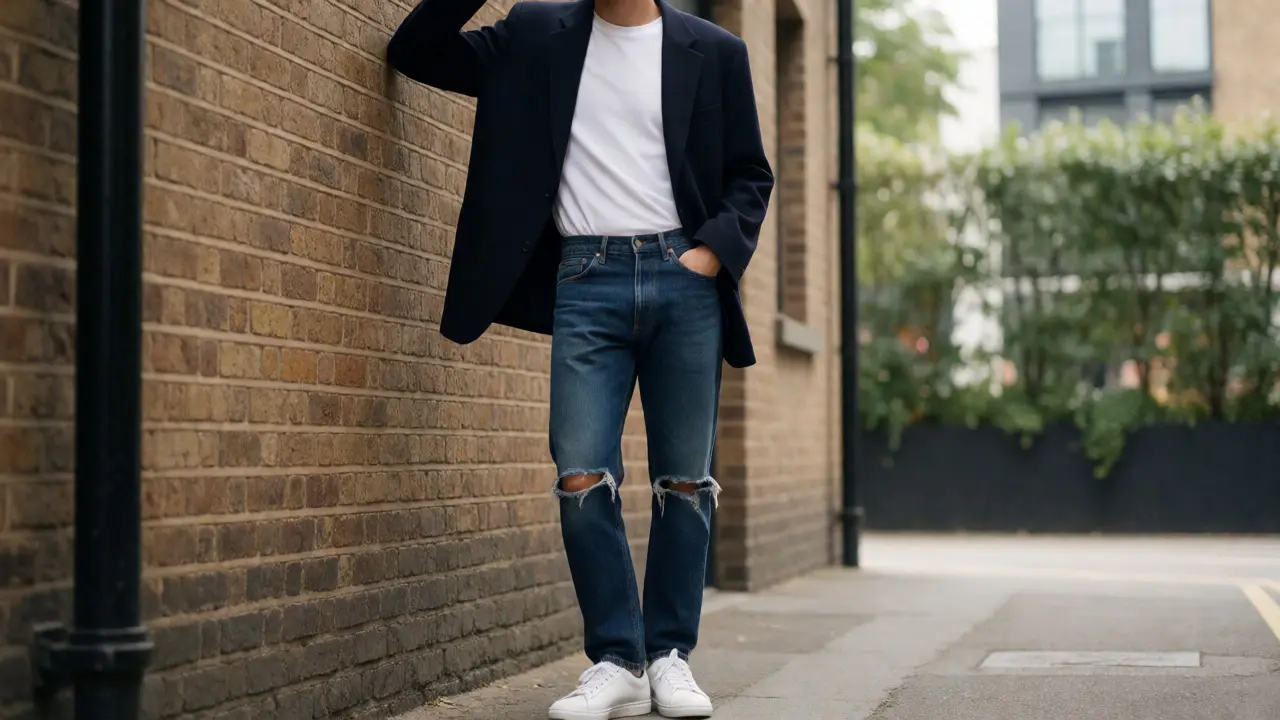
Don’ts: Common Pitfalls to Avoid
Even well-intentioned outfits can go wrong. Here are the traps that scream "tourist" or "underdressed."
Don’t wear athletic wear. Yoga pants, gym shorts, and track jackets are strictly for the gym or the weekend. Even if you walk to work, change into proper shoes upon arrival. Wearing trainers with socks visible above the shoe line is also a faux pas in many professional settings.
Don’t ignore grooming. Smart-casual extends beyond clothes. Messy hair, unkempt nails, or strong cologne can undermine an otherwise perfect outfit. Keep scents subtle. In close-quarters offices or public transport, overpowering perfume or aftershave is distracting.
Don’t wear graphic tees. A plain t-shirt is fine under a blazer. A t-shirt with a band logo, slogan, or cartoon character is not. If you want to show personality, do it through accessories like a unique watch or pocket square, not a loud shirt.
Don’t forget the belt. If your trousers have belt loops, wear a belt. It should match your shoes in tone (black with black, brown with brown). Mismatched leathers look careless. If your trousers don’t have loops, skip the belt entirely.
Context Matters: Industry-Specific Adjustments
Not all jobs interpret smart-casual the same way. Use this quick reference to adjust your outfit based on your sector.
| Industry | Top Half | Bottom Half | Footwear | Key Accessory |
|---|---|---|---|---|
| Finance & Law | Tailored shirt, optional knitwear | Wool trousers or chinos | Leather loafers or oxfords | Classic watch |
| Tech & Startups | Clean t-shirt + Blazer or Polo | Dark denim or Chinos | Minimalist sneakers | Backpack or tote |
| Creative & Media | Statement shirt or textured knit | Wide-leg trousers or Jeans | Boots or stylish trainers | Unique jewelry or glasses |
| Hospitality & Retail | Polished blouse or button-down | Trousers or midi skirt | Comfortable closed-toe shoes | Apron (if applicable) |
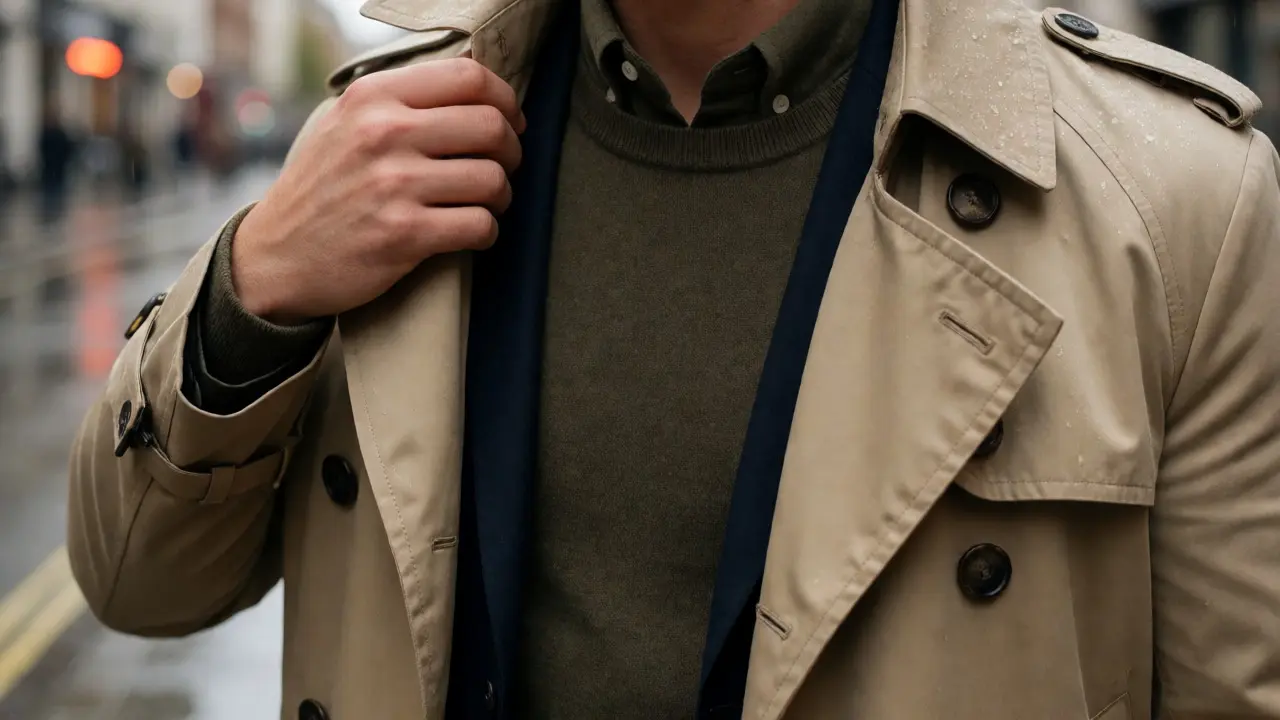
Seasonal Considerations for London Weather
London isn’t tropical. You need to dress for four seasons in one day. Here is how to adapt smart-casual throughout the year.
Spring (March-May): Temperatures hover around 8-15°C. Rain is frequent. Wear water-resistant outer layers. A beige trench coat is iconic here. Pair it with lighter knits and breathable cotton shirts. Avoid heavy wool.
Summer (June-August): It gets surprisingly hot, sometimes hitting 30°C. Linen blends are great, but pure linen wrinkles easily. Opt for cotton-linen mixes. Short-sleeved shirts are acceptable if they are well-fitted and tucked in. Sunglasses are practical, not just fashionable.
Autumn (September-November): This is peak layering season. Use cardigans and blazers. Earth tones like olive, rust, and navy work well. Boots become appropriate again. Keep an umbrella handy-it rains more than you think.
Winter (December-February): Cold and damp. Wool coats are essential. Layer thermal undershirts under your shirts. Scarves are functional and stylish. Leather gloves protect your hands while keeping them warm. Avoid bulky parkas; stick to tailored overcoats.
Where to Shop for Smart-Casual in London
You don’t need to spend a fortune. London has excellent options for every budget. For high street staples, check out J.Crew or Reiss for reliable cuts. Reiss, a British brand, specializes in smart-casual wear and understands the local climate better than many international chains.
For higher-end investment pieces, browse Boss or Hugo Boss outlets in Bicester Village or central London. If you want sustainable options, visit charity shops in Kensington or Notting Hill. You can find vintage blazers and high-quality wool coats for a fraction of the retail price. Just ensure you inspect seams and buttons carefully.
Online retailers like ASOS and Next offer easy returns, which is crucial when trying to get the fit right. However, nothing beats trying things on in person. Spend time in stores like John Lewis or Selfridges to feel the fabric quality before buying.
Final Checklist Before You Leave Home
Run through this list to avoid last-minute stress.
- Is my shirt ironed? Wrinkles look messy.
- Are my shoes clean? Check the soles and toes.
- Does my outfit fit? No pulling buttons or gaping collars.
- Is my outerwear appropriate for indoor meetings?
- Do I have a backup plan for rain? An umbrella or waterproof coat.
- Is my grooming sharp? Hair, nails, and breath.
Dressing smart-casual in London is less about following rigid rules and more about showing respect for the occasion and the people you’re meeting. When you look put-together, you feel confident, and that confidence translates into your interactions. Keep it simple, keep it clean, and always prioritize fit over brand names.
Can I wear jeans to a smart-casual event in London?
Yes, but only if they are dark-wash, free of rips or fading, and paired with a smarter top like a blazer or button-down shirt. Avoid light blue or distressed denim, which looks too casual for most professional settings.
Are sneakers considered smart-casual in London?
In tech and creative industries, yes. Choose minimalist, clean leather sneakers in white, black, or grey. Avoid chunky running shoes or brightly colored athletic trainers. In finance or law, stick to loafers or derbies.
What is the difference between business casual and smart casual?
Business casual typically requires a collared shirt and chinos or slacks, often excluding jeans. Smart casual is more flexible, allowing jeans and polo shirts, but demands a higher level of polish and intentionality in styling. Smart casual is generally more relaxed but still refined.
Should I tuck in my shirt for smart-casual?
Generally, yes. Tucking in your shirt creates a cleaner silhouette and looks more deliberate. If you wear a polo or a sweater, untucked is usually fine, provided it hits mid-zipper height. Always tuck in button-down shirts when wearing a blazer.
How does London weather affect smart-casual dressing?
Layering is key. London weather is unpredictable, so wear breathable base layers and a stylish outer coat like a trench or wool overcoat. Avoid bulky rain gear indoors. Carry a compact umbrella to stay dry without ruining your outfit.