
Living in London without a discount is like trying to drink tea without milk-technically possible, but why would you do it? If you are a student here, the city’s transport network is designed to bleed your bank account dry unless you know the right tricks. The difference between paying full fare and using the correct student travel discounts can amount to hundreds of pounds a year. That’s enough for a few months of groceries or a decent weekend trip out of town.
You might think one card covers everything, but that’s a common trap. London’s system splits responsibilities between two main players: Transport for London (TfL), which runs the Tube, buses, and local trains, and National Rail, which handles longer-distance services outside the immediate capital zone. Your strategy needs to cover both. This guide breaks down exactly how to stack these benefits so you’re never overpaying for a journey.
The Foundation: Understanding Your Eligibility
Before you apply for anything, check if you actually qualify. It sounds obvious, but many students miss out because they assume "being a student" is a universal key. It isn’t. For TfL services, eligibility usually hinges on age and enrollment status at a recognized institution. For National Rail, it’s often just about being under 26 or holding a specific railcard.
- Age Limits: Most standard student discounts cap at age 25 or 30, depending on the specific scheme.
- Institution Recognition: Your university must be registered with the relevant bodies. Most major London universities (UCL, King’s, LSE, Imperial) are automatically recognized.
- Enrollment Status: You typically need to be studying full-time. Part-time students sometimes face stricter rules or different application processes.
If you are an international student, don’t panic. As long as your visa allows you to study and your university is accredited, you generally have the same rights as domestic students regarding transport. Just make sure your passport and student ID are always up to date when applying for digital cards.
The Workhorse: The 16-25 Railcard
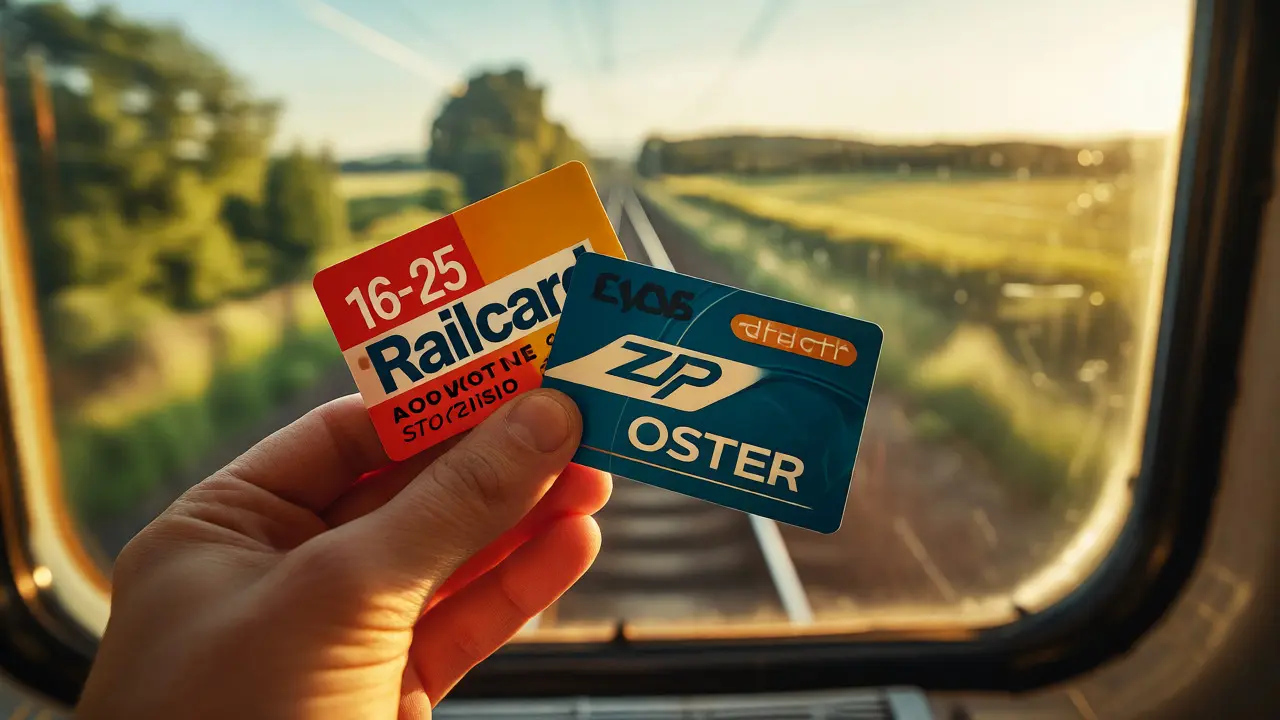
The 16-25 Railcard is arguably the most valuable tool in your kit. It costs £30 for one year or £70 for three years. If you buy the three-year option, you save nearly £40 upfront compared to renewing annually. But does it pay for itself?
Yes, almost immediately. The card gives you one-third off rail fares across Great Britain. Let’s look at a realistic scenario. Say you commute from Zone 4 to Central London twice a day, five days a week. Without a discount, that’s roughly £8-£10 a day. With a Railcard applied to eligible routes, you shave off a significant chunk. Even if you only take one long weekend trip per month, say to Brighton or Oxford, the savings on those tickets alone can cover the cost of the card within two months.
| Scenario | No Discount | With 16-25 Railcard | Savings |
|---|---|---|---|
| Daily Commute (Zone 4-1) | £2,600/year | £1,733/year | £867 |
| Weekend Trips (4x/year) | £200 | £133 | £67 |
| Total Cost (incl. Card) | £2,800 | £1,803 | £997 |
A crucial detail people forget: the 16-25 Railcard works on most National Rail services, including the Overground in some contexts, but it doesn’t directly discount Oyster pay-as-you-go fares on the Tube. You need a separate mechanism for that. However, you can link the Railcard to your contactless payment or Oyster card to get discounted fares on certain National Rail services within London zones.
The Digital Upgrade: Zip Oyster Photocard
If you are under 18, or if you are a mature student who qualifies for specific concessions, the Zip Oyster photocard is essential. Unlike the anonymous blue Oyster cards you see tourists buying, the Zip card is tied to your identity. This matters because it unlocks concessionary fares that regular cards cannot access.
For students aged 18-25, the landscape has shifted recently. While the classic "Student Oyster" is less prominent now, the principle remains: you need proof of eligibility loaded onto your card. Many universities now integrate this with their student ID systems or provide codes to register online. Once registered, you get 30% off bus and tram fares and discounted rates on the Tube and DLR during peak times.
Here is where it gets tricky. If you use a standard contactless bank card, you won’t get these automatic student discounts. You must physically load the concession onto an Oyster or use the TfL app with your verified profile. Do not rely on your bank’s travel insurance perks; they rarely cover daily commuting discounts.
Stacking Strategies: Combining Discounts
Can you use the 16-25 Railcard and a Zip Oyster card together? Yes, but not simultaneously on the same tap-in. Think of them as tools for different jobs. Use the Zip Oyster (or linked contactless) for your daily Tube and bus commutes within London. Use the 16-25 Railcard when booking train tickets in advance for trips outside London or for specific National Rail journeys within the capital that accept railcard pricing.
There is also the Mature Student Loan aspect. If you are over 26, you might still qualify for a Two Together Railcard if you travel with a partner, or potentially a Network Railcard if you live in the South East. These aren’t strictly "student" cards, but they serve the same budget-saving purpose for older students.
A pro tip: Always book long-distance train tickets in advance. A last-minute ticket from London to Manchester can cost £150+. Booked three weeks ahead with a Railcard, it might drop to £40. The combination of early booking + railcard discount is where the real magic happens.
Buses vs. Trains: Where to Spend Your Money
London’s bus network is flat-rate. Whether you go one stop or cross the entire city, it costs the same. For students, this makes buses incredibly efficient for short hops. If you are traveling within Zones 1-3, compare the time cost against the money saved. Sometimes taking a bus saves £2.50 versus the Tube, but adds 20 minutes to your journey. Is your time worth more than £2.50? Probably, if you are rushing to a lecture. But if you have time to kill, the bus is free-ish (if you have a monthly pass) or cheap.
Trains and the Tube are faster but pricier. The daily cap on Oyster/contactless protects you from overspending. If you make multiple journeys in a day, the system automatically caps your total spend. Students with Zip cards have lower daily caps than adults. Check the current TfL price list regularly, as these caps adjust annually.
Pitfalls to Avoid
Don’t let these mistakes drain your wallet:
- Expired Verification: University statuses expire. If you graduate or take a gap year, your digital discount might vanish silently. Re-check your TfL account every semester.
- Wrong Zone Assumptions: Some stations sit on zone boundaries. Tapping in at a higher zone station than necessary can trigger a penalty fare or higher charge. Know your exact starting point.
- Ignoring Advance Tickets: Using a Railcard for walk-up fares is fine, but pre-booking is superior. Set alerts for your frequent routes.
- Lost Cards: Replace a lost Zip card immediately. There is a fee, but leaving it active risks someone else using your balance.
Final Checklist for Maximum Savings
To wrap this up, here is your action plan. First, secure your student travel discounts by verifying your university status with TfL. Second, purchase the 16-25 Railcard if you plan any trips outside central London. Third, ensure your Oyster or contactless method is linked to your student profile for daily caps. Finally, audit your spending monthly. Look at your bank statement or TfL history. Are you hitting the cap? Are you paying full fare somewhere unexpected? Adjust accordingly.
London transport is expensive, but it shouldn’t be unaffordable. With the right setup, you can explore every corner of the city without feeling guilty about the cost. Start today, and your future self will thank you.
Does the 16-25 Railcard work on the London Underground?
Not directly on pay-as-you-go Oyster or Contactless taps. It primarily offers discounts on National Rail services. However, you can link it to your Oyster card to receive discounted fares on specific National Rail services within London zones, such as some Overground lines or Thameslink routes, depending on current TfL policies.
What is the difference between a Zip Oyster and a regular Oyster card?
A regular Oyster card charges standard adult fares. A Zip Oyster photocard is personalized and linked to your eligibility (age or student status). It applies concessionary discounts automatically to bus, tram, Tube, and DLR journeys, offering lower fares and daily caps than the standard card.
Can I use my student discount on Uber or taxis?
Generally, no. TfL student discounts apply to public transport networks (Tube, Bus, Train). Ride-hailing apps like Uber or Bolt occasionally offer student promotions, but these are separate commercial deals, not part of the official transport concession scheme.
How much does the 16-25 Railcard cost?
As of recent updates, the 16-25 Railcard costs £30 for a one-year subscription or £70 for a three-year subscription. Prices may vary slightly based on promotional periods or changes by the issuing authority, so always check the official Railcard website before purchasing.
Do part-time students qualify for transport discounts?
It depends. For the 16-25 Railcard, yes, as long as you meet the age criteria. For TfL Zip Oyster concessions, eligibility is stricter and often requires full-time enrollment. Check with your university’s student union or the TfL website for specific part-time rules applicable to your course.