
Think you need a £15 cocktail to have a decent conversation in London? Think again. The city is actually packed with high-value, low-cost ways to meet people, provided you know where to look. Most newcomers fall into the trap of thinking socializing equals expensive bars or pricey dinners. But if you shift your strategy toward low-cost social life in London, you’ll find that some of the best connections happen on a park blanket or while walking through a historic neighborhood for free.
This guide isn’t about skipping out on fun. It’s about swapping overpriced venues for experiences that are actually more interesting. We’re talking about the specific parks that buzz on weekends, the museum nights that turn into genuine networking events, and the walking groups that attract locals who actually want to talk. If you’re tired of spending half your paycheck just to stand in a crowded pub, here is how to build a vibrant social circle without draining your bank account.
The Art of the Strategic Picnic
Picnics in London aren’t just about sandwiches; they are the primary social currency of summer. But not all parks are created equal. If you go to Hyde Park, you’re likely surrounded by tourists. If you go to Primrose Hill, you might get a view but zero privacy. To make friends, you need spots where the culture encourages interaction.
Hampstead Heath is a large public park in North London known for its natural landscape and swimming ponds. It’s less manicured than central parks, which creates a relaxed vibe. The area around Parliament Hill is great for views, but head to the smaller clearings near Kenwood House. People there often bring guitars, board games, or just good vibes. You can strike up a conversation easily because the barrier to entry is low-you’re both just sitting on the grass.
Another underrated spot is Victoria Park in East London. It is one of the oldest purpose-built parks in the UK and serves as a community hub for Hackney residents. On Sunday afternoons, it’s filled with families, dog walkers, and young professionals. The vibe is gritty but friendly. Bring a frisbee or a deck of cards, and you’ll find yourself included in groups within minutes. The key is to look approachable. Don’t wear headphones. Sit on a blanket rather than a chair-it signals you’re staying a while and open to chat.
| Park Name | Social Vibe | Best Time to Go | Proximity to Transport |
|---|---|---|---|
| Hampstead Heath | Laid-back, alternative, music-friendly | Late afternoon weekends | Highgate / Gospel Oak |
| Victoria Park | Community-focused, energetic, diverse | Sunday afternoons | Mile End / Bethnal Green |
| Clapham Common | Young professional, busy, loud | Friday evenings | Clapham Common Tube |
| Richmond Park | Nature-focused, quiet, deer-spotting | Morning walks | Richmond / Kew Gardens |
Free Museum Lates: Culture Meets Conversation
If picnics feel too passive, try structured events that don’t cost a penny. Many major museums host "Lates"-evening openings that include drinks, music, and talks. While some charge for entry, several remain completely free, offering a sophisticated yet affordable way to meet like-minded people.
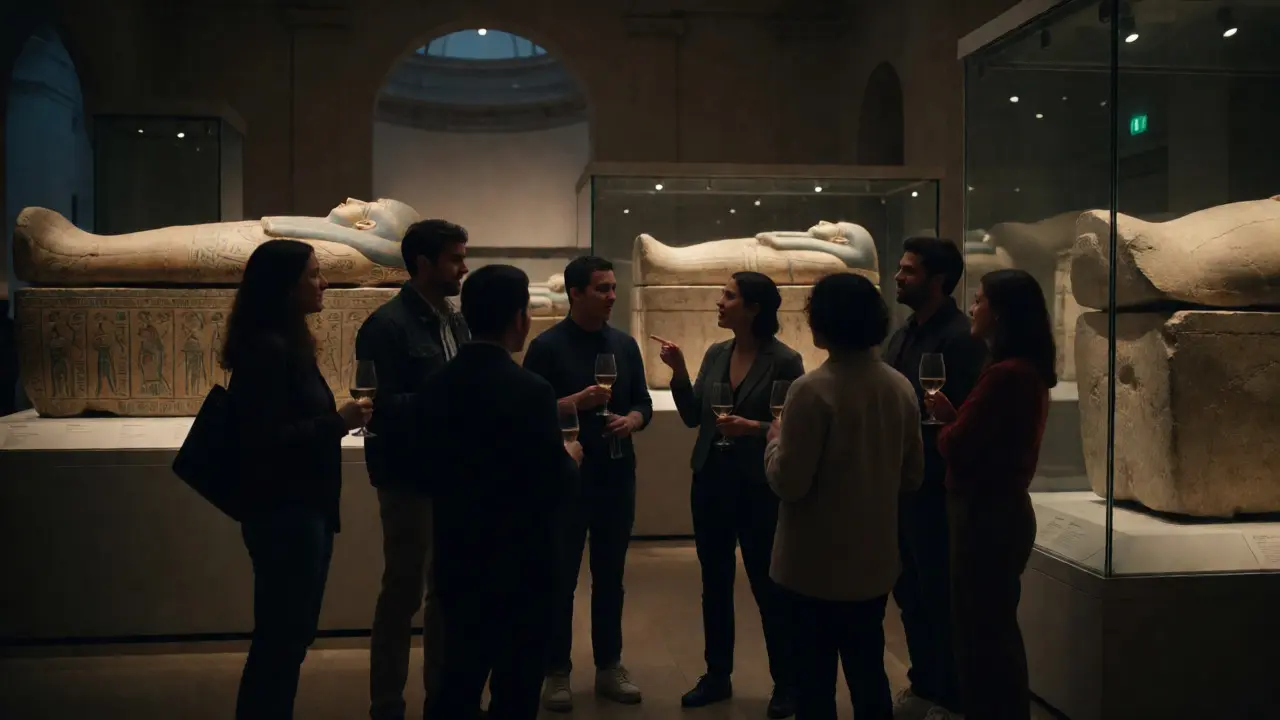
The British Museum is a public institution dedicated to human history, art, and culture located in the Bloomsbury area. Their Friday Lates are legendary. You can wander through the Egyptian galleries with a glass of wine (often included or cheap) and strike up conversations about artifacts. It’s easier to talk to strangers when you have a shared focal point. Instead of awkward small talk about the weather, you can ask, "What do you think this sarcophagus was used for?"
Similarly, Tate Modern is the national gallery of international modern art in Southwark. Its Turbine Hall events are massive, but the side galleries during Lates are intimate. You’ll meet creatives, students, and expats. The key here is to attend the guided tours, which are usually free. Tours force interaction. You’re standing in a group, listening to a guide, and naturally turning to the person next to you to whisper a question. Boom-instant connection.
Don’t overlook smaller venues either. The Horniman Museum in Dulwich offers free entry and hosts regular evening events with local musicians. Because it’s further out, the crowd is more local and less transient, leading to deeper connections.
Walking Clubs: Moving at Human Speed
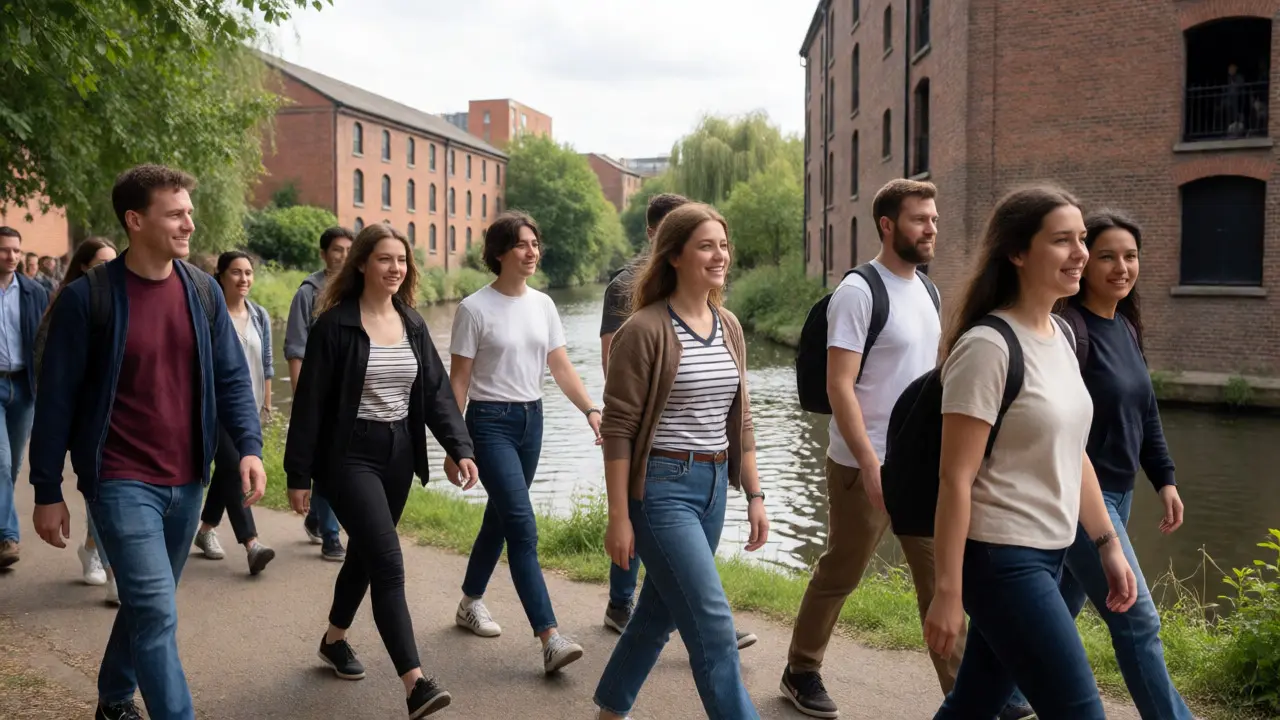
Walking is arguably the most underrated social tool in London. Face-to-face conversation is hard when you’re shouting over bar music. Side-by-side conversation while walking is easy. This is why walking clubs have exploded in popularity.
You don’t need to join an exclusive hiking society. Look for apps like Meetup.com, but filter for "walking" specifically. Groups like "London Walkers" or neighborhood-specific strolls (e.g., "Shoreditch History Walks") are often free or require only a small donation. Why does this work? Because walking removes the pressure of eye contact. You can talk for hours without feeling intense. Plus, London’s architecture provides endless conversation starters.
Try joining a group that explores a specific theme. A food walk in Borough Market lets you taste samples and discuss flavors. A ghost tour in Whitechapel gives you spooky stories to bond over. Even if you go alone, these groups are designed for solo attendees. You’ll never be the odd one out. And unlike a pub crawl, you end the night energized rather than exhausted, making it easier to exchange numbers and plan a follow-up.
Volunteering: Purpose-Driven Connections
If you want friends who share your values, volunteer. It’s the fastest way to skip the small talk phase. When you’re working together to pack food parcels or clean up a riverbank, you instantly have a shared mission. This builds trust faster than any happy hour ever could.
Look for opportunities with organizations like Thames21, a charity dedicated to improving the River Thames and its tributaries. They run regular litter picks along the river. It’s physical, outdoors, and attracts environmentally conscious people. Or consider helping at a community garden in places like Camley Street Natural Park in King’s Cross. Gardening is slow-paced, allowing for deep conversations while you weed or plant.
University colleges also offer free courses and societies that are open to non-students for a small fee or sometimes free. City Lit in Covent Garden runs workshops ranging from pottery to philosophy. These classes create recurring interactions. Seeing the same faces every week builds familiarity, which is the foundation of friendship. You don’t need to be an expert; you just need to show up consistently.
The Pub Alternative: Where to Drink Without the Debt
Let’s be honest: sometimes you just want a pint. But you don’t have to pay £8 for it. The trick is knowing which pubs prioritize community over profit margins.
Avoid the tourist traps in Leicester Square or Covent Garden. Instead, head to neighborhoods like Brixton, Peckham, or Lewisham. Pubs like The Windmill in Brixton are famous for their live music and lack of pretension. You can buy a drink, sit outside, and watch the world go by. Many of these places have "bring your own" policies for food or host quiz nights where teams compete for trivial prizes rather than cash. The atmosphere is communal, not competitive.
Another hack is the "pre-drinks" strategy. Buy a bottle of wine or six-pack from a supermarket like Aldi or Lidl, meet friends in a park or at someone’s flat, then move to a quieter pub later if needed. This cuts costs by 70% while keeping the social aspect intact. Londoners do this constantly. It’s not cheap; it’s smart.
Practical Tips for Making It Work
Knowing the places is half the battle. The other half is execution. Here are a few rules of thumb to ensure your low-cost efforts actually lead to friendships:
- Be consistent: Going to the same park or club once won’t cut it. Go three times before judging the vibe. Familiarity breeds comfort.
- Bring something: A bag of crisps, a ball, or a deck of cards. Offering value invites reciprocity.
- Ask questions: People love talking about themselves. Ask "How long have you lived here?" or "What brought you to this event?"
- Exchange contacts early: If you click with someone, suggest a specific follow-up activity. "Want to grab coffee next Tuesday?" works better than "We should hang out sometime."
Remember, London is big, but it’s also surprisingly small when you narrow down your interests. You don’t need to meet everyone. You just need to find your tribe. And your tribe is likely already hanging out in a park, walking a canal path, or looking at a painting in a free museum.
Are London museums really free?
Yes, permanent collections at major museums like the British Museum, Tate Modern, National Gallery, and Victoria and Albert Museum are free to enter. Special exhibitions may charge a fee, but general access allows you to explore the core collections without paying.
Is it safe to picnic alone in London parks?
Generally, yes, especially in popular parks like Hyde Park, Victoria Park, or Hampstead Heath during daylight hours. Stick to populated areas and avoid secluded corners late at night. Bringing a book or laptop can signal you are occupied but open to casual interaction.
How much does it typically cost to socialize in London?
A typical night out involving dinner and drinks can cost £40-£60 per person. However, using low-cost strategies like picnics, free events, and pre-drinks can reduce this to £5-£10, primarily covering transport and basic snacks.
What is the best time of year for outdoor socializing in London?
Late spring to early autumn (May to September) offers the best weather for parks and outdoor events. However, winter has its charm with festive markets and cozy indoor alternatives like library events and museum lates, which remain active year-round.
Do I need to be extroverted to join walking clubs?
No. Walking clubs are ideal for introverts because the focus is on the walk and the scenery, reducing the pressure for constant conversation. Interactions tend to be low-stakes and organic, allowing you to participate at your own comfort level.