
Imagine walking through a city where every cobblestone holds a secret. That is exactly what you get when you step into the Museum of London is a world-class institution dedicated to preserving and interpreting the history of the capital, spanning over two millennia from its founding as Londinium to the modern metropolis. Located in the heart of the City of London, it offers a unique blend of archaeological artifacts and immersive storytelling that makes the past feel tangible. Whether you are a history buff or just curious about how your city evolved, this guide will help you navigate the key highlights without missing a beat.
Why This Museum Stands Out
Unlike many traditional museums that focus on art or natural history, the Museum of London focuses exclusively on the story of the place itself. It houses one of the largest collections of objects related to a single city in the world. The collection includes everything from Roman pottery shards to Victorian street signs and medieval bones. What makes it special is the context. You don't just see an object; you learn about the person who used it, the trade they practiced, or the plague that killed them. This approach turns dry facts into human stories, making the visit engaging for all ages.
The building itself is a masterpiece of architecture. Designed by Robert Venturi and Denise Scott Brown, it won the RIBA Stirling Prize in 1986. The design uses brick and concrete to create a sense of solidity and permanence, mirroring the layers of history within. Inside, the layout is open and airy, allowing natural light to flood the galleries. This isn't just a box for storing things; it’s a space designed for exploration.
Key Highlights: From Romans to Revolutionaries
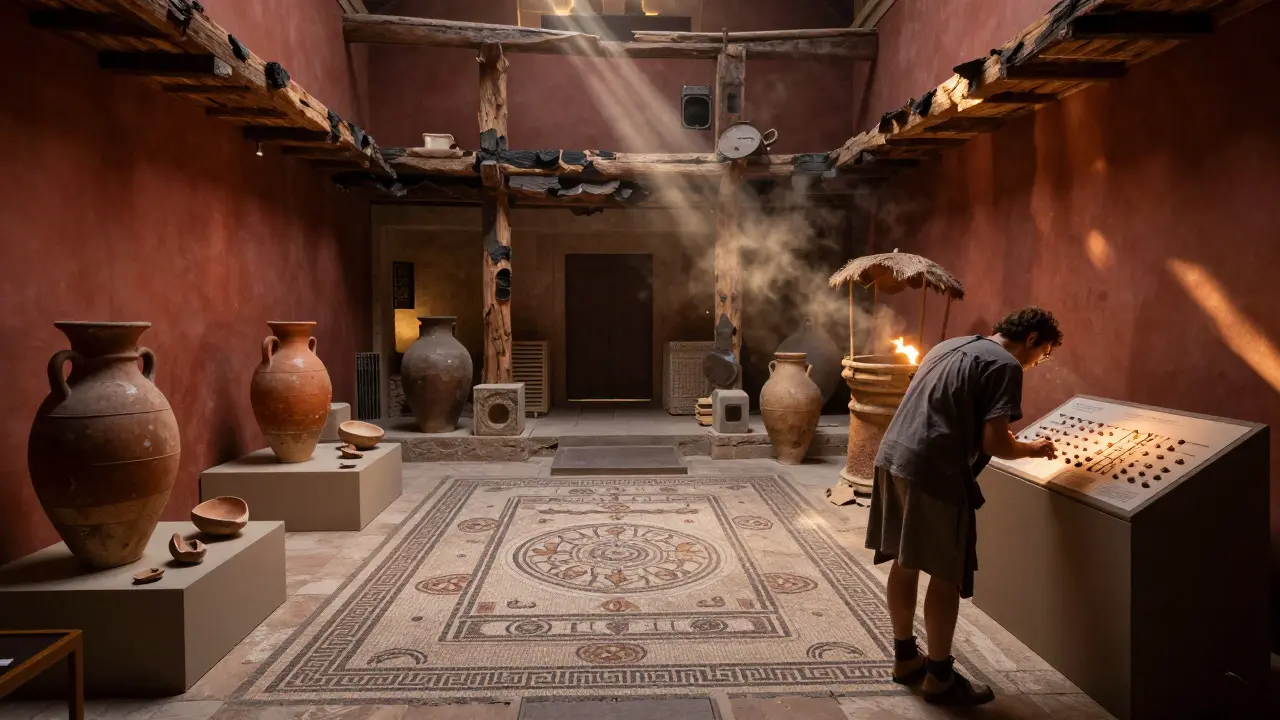
Your journey starts with Roman London was the first major settlement in the area, established by Julius Caesar in 55 BC and later developed by Emperor Claudius in AD 43. The museum displays original mosaics, amphorae, and even a reconstructed Roman house. You can walk around the ruins of a bathhouse and see how people lived, ate, and socialized nearly 2,000 years ago. The detail here is impressive. They’ve recreated the smell of the streets using scent panels, so you can literally smell the tanning pits and market stalls of ancient Londinium.
Next, you move into the Medieval period. This section covers the Great Fire of 1666, which destroyed much of the old city. The museum holds a massive collection of artifacts recovered from the site of the Old Bailey, including charred beams and personal items lost in the blaze. One standout piece is the “London Stone,” a fragment of a larger stone that marked the center of the city for centuries. Seeing these physical remnants helps you understand how resilient the city has been throughout its history.
The Modern era brings us to the 20th century. Here, you’ll find exhibits on World War II, including the famous “Blitz” diorama. This large-scale model shows the city under attack, complete with sound effects and lighting. It’s a powerful reminder of the resilience of Londoners during dark times. The gallery also features interactive screens where you can explore census data and demographic changes over time, showing how the population shifted from workers to professionals.
Interactive Experiences and Family Activities
If you’re visiting with kids, the Museum of London is a goldmine. There are hands-on activities throughout the galleries. In the Roman section, children can try their hand at writing with a stylus on wax tablets. In the Medieval area, there’s a workshop where they can make their own shields. These aren’t just gimmicks; they’re educational tools that help young visitors connect with the material culture of the past.
For adults, the café offers a nice break. It’s located on the top floor and provides views of the surrounding city. The menu includes local specialties, giving you a taste of the culinary history of the area. After eating, you might want to browse the shop. It sells books, replicas, and souvenirs that are often unique to the museum. Look for the “Museum of London” branded items, which are high-quality and well-designed.
Practical Tips for Your Visit
Planning your trip? Here are some essential details to keep in mind:
- Location: The museum is situated on 150 Waterloo Road, near the Tower of London. It’s easily accessible by tube (Bank or Monument stations) and bus.
- Opening Hours: Generally open daily from 10:00 AM to 5:30 PM. Check their website for holiday hours, as they may close earlier on certain days.
- Admission: Entry to the main galleries is free. Special exhibitions and events usually require a ticket. Memberships offer unlimited access and discounts on shops and cafés.
- Duration: Allow at least 2-3 hours for a thorough visit. If you want to see every corner, plan for half a day.
- Accessibility: The museum is fully wheelchair accessible, with lifts to all floors. Audio guides are available in several languages.
Pro tip: Go early in the morning to avoid crowds. The museum gets busy on weekends, especially with school groups. Arriving at opening time gives you a quieter experience and more time to appreciate the details.

Comparing the Museum of London to Other Sites
How does it stack up against other historical sites in London? Let’s look at a quick comparison:
| Feature | Museum of London | Tower of London | British Museum |
|---|---|---|---|
| Focus | City history & archaeology | Monarchy & royal history | World cultures & art |
| Time Period | Roman to Modern | Medieval to Modern | Prehistoric to Modern |
| Entry Fee | Free (main galleries) | Paid | Free |
| Best For | Local history enthusiasts | Family trips & tourists | Art & global history lovers |
| Interactive Elements | High (workshops, dioramas) | Medium (guided tours) | Low (mostly display cases) |
As you can see, the Museum of London fills a specific niche. While the Tower of London is iconic, it’s more about the Crown. The British Museum is vast but lacks the localized depth of the Museum of London. If you want to understand *why* London looks the way it does today, this is the place to go.
Frequently Asked Questions
Is the Museum of London good for children?
Yes, it is excellent for families. The interactive exhibits, such as the Roman writing workshops and the WWII diorama, engage young visitors effectively. There is also a dedicated family activity trail that guides kids through the galleries with fun challenges.
Do I need to book tickets in advance?
For general admission, no booking is required. However, if you plan to attend a special exhibition or a guided tour, it is recommended to book online to secure your spot, especially on weekends.
How long does it take to see the entire museum?
Most visitors spend between 2 and 3 hours exploring the main galleries. If you enjoy reading labels and participating in all the interactive elements, you could easily spend half a day. The museum is compact enough that you won’t get tired of walking, but deep enough to keep you interested.
Are there any restrictions on photography?
Photography is allowed in most areas for personal use without flash. Tripods and professional equipment may require permission. Always check the signage in specific galleries, as some temporary exhibitions may have different rules.
What should I wear for a visit?
Comfortable shoes are a must. You will be doing a lot of walking across multiple floors. Dress in layers, as the museum can be cool in winter and warm in summer, depending on the heating and air conditioning.