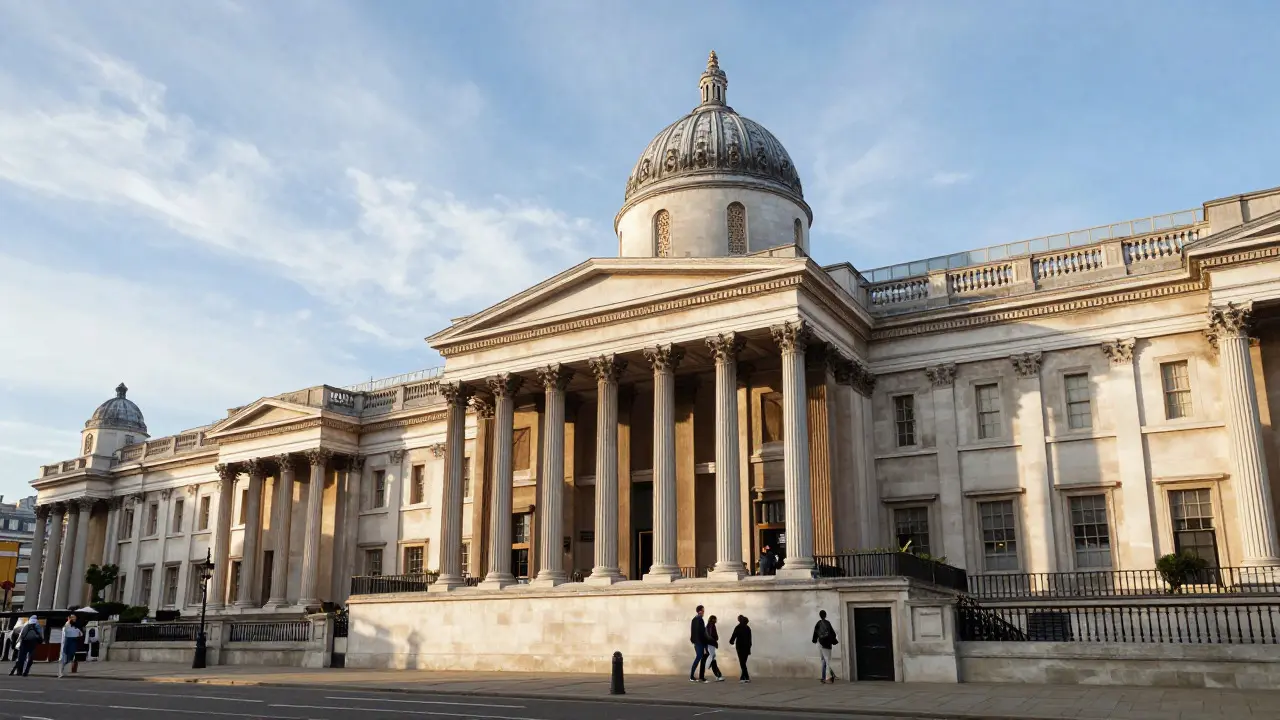
Most people think of the National Portrait Gallery as a place for old oil paintings of kings and queens. But walk through the doors on St Martin's Place, and you'll find something far more dynamic. It is the only major museum in the world dedicated exclusively to portraiture. From the Tudor era to modern digital icons, this institution captures the faces that shaped British history. If you are planning a trip to London in 2026, skipping this gallery means missing the visual heartbeat of the city.
The gallery isn't just about looking at static images. It’s about understanding who holds power, who influences culture, and how identity is constructed over centuries. Whether you’re a history buff, an art student, or just someone who loves a good story, this guide will help you navigate the collections without getting overwhelmed by the sheer volume of famous faces staring back at you.
Why This Gallery Is Different from Other London Museums
You might wonder why there isn’t a separate "National Art Gallery" for portraits. The answer lies in the specific mission of the National Portrait Gallery. While the National Gallery focuses on fine art movements like Impressionism or Renaissance landscape painting, the NPG focuses on the *person*. The subject is the art. The style matters less than the story behind the eyes.
This distinction changes how you view the work. When you look at a portrait of Queen Victoria here, you aren't just analyzing brushstrokes; you are examining her political stance, her mourning period, and her public persona. The gallery houses over 180,000 works, including photographs, sculptures, and mixed-media pieces. It is not just a collection of pictures; it is a biographical archive of Britain.
- Exclusive Focus: Only portraits of real people who have been publicly recognized in the UK.
- Diverse Media: Includes photography, sculpture, and video art, not just oil paintings.
- Historical Span: Covers figures from the 16th century to present-day celebrities.
Navigating the Building: A Practical Walkthrough
The building itself is a piece of history. Designed by Sir Edwin Lutyens and completed in 1934, it sits directly across from the National Gallery. The architecture is Neo-Classical, with grand columns and a central dome that houses the main staircase. However, don't let the imposing exterior fool you into thinking the layout is confusing. It follows a chronological logic that makes navigation intuitive.
- Start at the Ground Floor: This level usually hosts temporary exhibitions. These are often the most interactive and contemporary displays. Check the current theme before you go, as these rotate every few months.
- Move to the First Floor: This is where the permanent collection begins. You’ll start with the Tudors and Stuarts. The lighting here is dimmer to preserve the older oils, so bring your phone flashlight if you want to see details in shadows.
- Ascend to the Second Floor: Here you’ll find the Georgian and Victorian eras. This is where the collection gets dense. Look for the "Power and Politics" section, which features prime ministers and industrialists.
- Top Floor (Third): The 20th and 21st-century sections live here. The lighting is brighter, and the media is more varied. Expect to see pop stars, activists, and scientists alongside traditional politicians.
A pro tip: Avoid the midday rush between 12 PM and 2 PM. The best times to visit are early morning right after opening at 10 AM or late afternoon around 4 PM. The crowds thin out, and the natural light coming through the large windows creates a softer atmosphere for viewing the artwork.
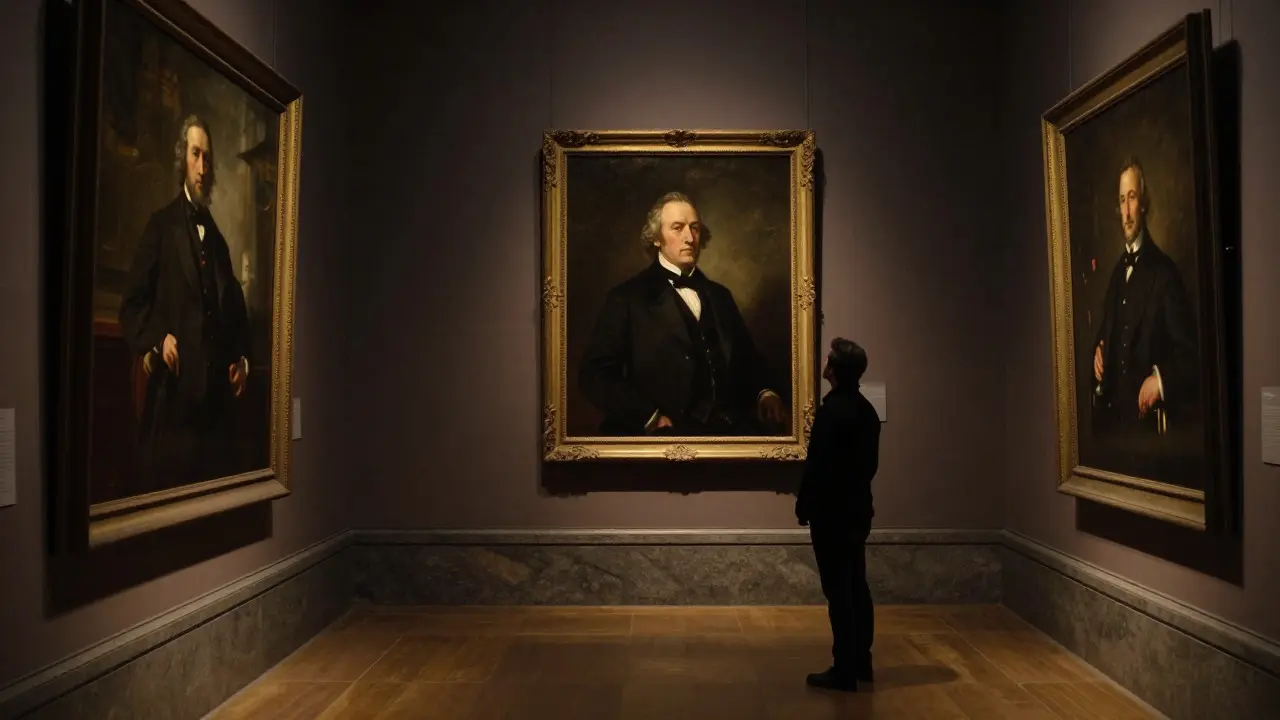
Key Figures You Must See
With thousands of portraits, it’s easy to feel lost. Instead of trying to see everything, focus on a few anchor points. These works define the gallery’s narrative arc.
Queen Elizabeth I: Look for the iconic portraits showing her in elaborate ruffs and armor. These weren't just vanity projects; they were political tools designed to project strength and divine right. The contrast between her youthful appearance in early works and her aged reality in later ones tells a story of a ruler who refused to show weakness.
Winston Churchill: The NPG holds one of the largest collections of Churchill portraits in the world. Pay attention to the variations. Some show him as a statesman in suits, others as a soldier in uniform. Each was commissioned at different moments in his career to serve different political purposes.
Modern Icons: Don’t skip the contemporary section. Portraits of figures like David Bowie or Bono reveal how celebrity culture has evolved. The techniques change from oil paint to photography and even digital projection, reflecting the speed of modern fame.
| Era | Primary Medium | Focus of Portraits | Notable Subjects |
|---|---|---|---|
| Tudor/Stuart (16-17th C) | Oil on Canvas/Wood | Monarchy & Divine Right | Elizabeth I, Shakespeare |
| Georgian/Victorian (18-19th C) | Oil & Early Photography | Industry & Empire | Victoria, Darwin, Disraeli |
| Modern (20-21st C) | Photography & Mixed Media | Culture & Celebrity | Bowie, Thatcher, Obama |
Practical Tips for Your Visit in 2026
Planning a visit requires a bit of strategy to get the most out of your time. Here is what you need to know before you head to St Martin's Place.
Entry Fees: Admission to the permanent collection is free. This is a huge advantage over many other London attractions. However, special temporary exhibitions may charge a fee, typically ranging from £15 to £20. Check the website before you go to see if any paid exhibits are running.
Opening Hours: The gallery is open daily from 10:00 AM to 6:30 PM. Last entry is at 5:30 PM. On Fridays, it stays open until 8:30 PM, which is perfect for evening visitors who want to avoid the day-trippers.
Accessibility: The building is fully wheelchair accessible. Elevators are available to all floors, and audio guides are provided in multiple languages. If you have mobility issues, note that the stairs between some levels can be steep, so plan your route using the elevator map available at the entrance.
What to Wear: Comfortable shoes are essential. You will likely spend 2-3 hours walking around. The floors are stone and can be hard on your feet. Also, dress in layers; the building tends to be cooler than the outside temperature, especially in winter.
Beyond the Paintings: Hidden Gems and Interactive Elements
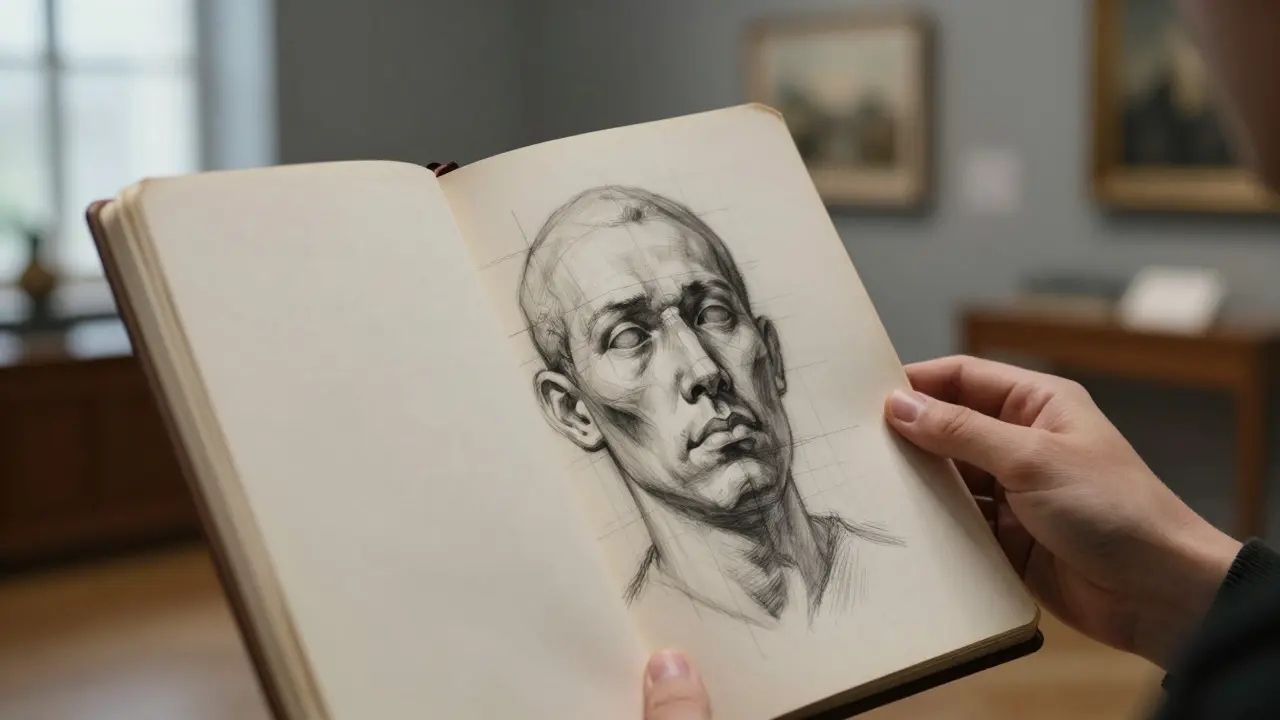
It’s easy to get stuck looking at the famous names, but the gallery offers much more. One of the best-hidden gems is the "Drawing Room." This small space allows visitors to look closely at original drawings and sketches. You can see the artist’s process, the corrections, and the under-drawings that reveal how the portrait was constructed.
Another area worth exploring is the study room. If you are a researcher or a serious enthusiast, you can apply to view high-resolution scans or original works that aren't on display. It’s a quiet, focused environment that contrasts sharply with the busy main halls.
For families, the gallery often runs workshops and interactive stations on the ground floor. These are designed for children but are enjoyable for adults too. They demystify the art-making process and make the historical context more relatable. Don’t underestimate the value of these sessions; they provide context that wall labels often miss.
Frequently Asked Questions
Is the National Portrait Gallery free to enter?
Yes, admission to the permanent collection is free for everyone. However, special temporary exhibitions may require a ticket, which usually costs between £15 and £20. Children under 12 always enter free, even for special shows.
How long does it take to see the whole gallery?
A casual visit takes about 2 hours. If you want to read the plaques carefully and explore the temporary exhibitions, budget for 3 to 4 hours. Most visitors focus on key figures and spend 90 minutes to 2 hours total.
Can I take photos inside the gallery?
Yes, personal photography is allowed without flash or tripods. This is great for sharing your favorite portraits on social media. Just be mindful of other visitors and keep the flash off to protect the artworks.
What is the difference between the National Gallery and the National Portrait Gallery?
The National Gallery focuses on fine art masterpieces from various periods, including landscapes and religious scenes. The National Portrait Gallery exclusively features portraits of real, historically significant people from the UK. They are located across the street from each other, making them easy to visit in one trip.
Are there cafes or restaurants inside?
Yes, there is a cafe on the ground floor offering sandwiches, salads, and hot drinks. There is also a gift shop selling books, postcards, and reproductions of famous portraits. For a full meal, you can step across the street to the National Gallery cafe or nearby restaurants in the Covent Garden area.