You’ve got 24 hours in London. Maybe it’s a layover, maybe it’s a quick weekend break, or maybe you’re just testing the waters before moving here. Either way, trying to see everything is a recipe for exhaustion. You don’t need to run from Tower Bridge to Buckingham Palace and back while checking your watch every five minutes. What you actually need is a smart route that hits the iconic spots without wasting time on travel.
This isn’t about cramming twenty things into a list. It’s about picking the right seven or eight experiences that give you the real feel of the city. We’re talking history, culture, great food, and those photo-worthy moments, all linked by efficient transport routes. If you follow this plan, you’ll walk away feeling like you truly saw London, not just survived it.
The Morning Start: History and Views
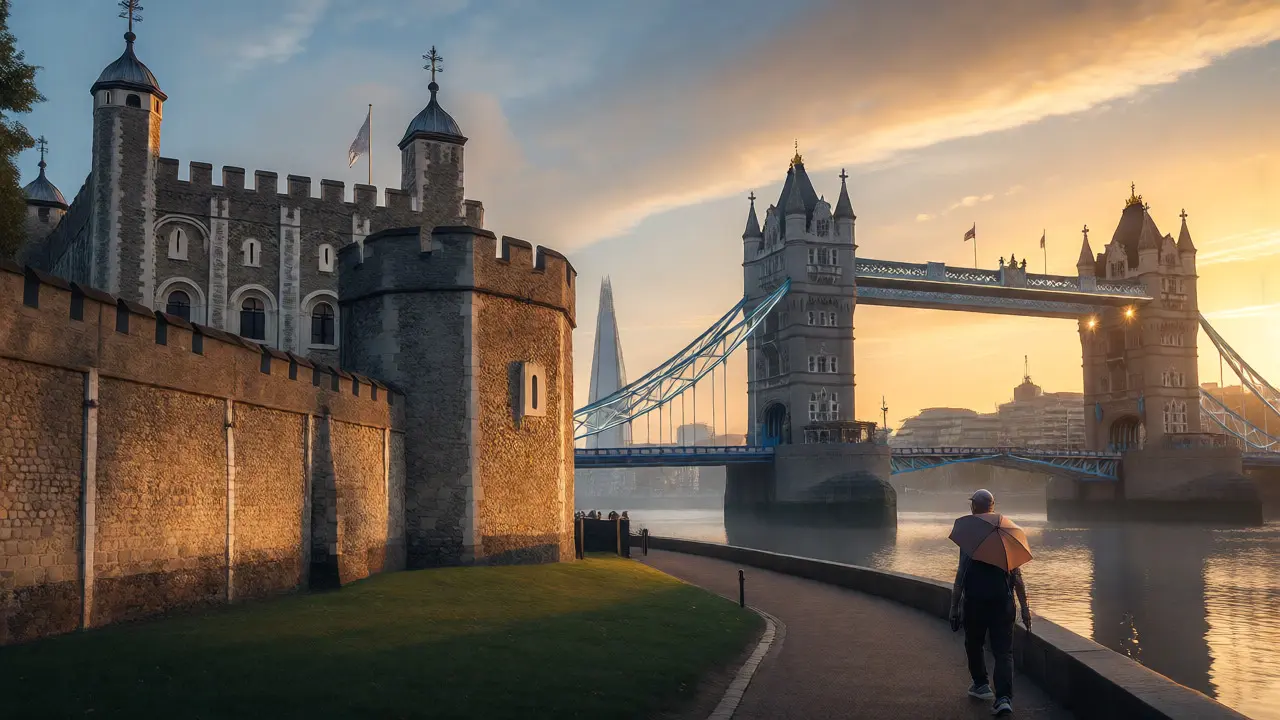
Start early. London wakes up fast, and so should you. Aim for 8:30 AM at Tower Hill. This area is the historical heart of the city, and starting here sets the tone for the day. Your first stop is Tower Bridge. Yes, people often confuse it with London Bridge (the boring one), but Tower Bridge is the blue-and-white suspension bridge you see on postcards. Walk across it. The glass floor in the high-level walkways offers a terrifyingly clear view of the Thames below. It costs around £11, but if you skip the ticket, just crossing the lower level is free and still impressive.
Right next to the bridge stands the Tower of London. If you have time, go inside. It’s not just a castle; it’s where the Crown Jewels are kept. Seeing the actual diamonds worn by monarchs is weirdly captivating. But if you’re short on time, just walk around the exterior. The White Tower alone is enough to show you why William the Conqueror built it there in 1066. It dominates the skyline and tells you instantly that this place has seen some serious drama over the last thousand years.
From the Tower, walk west along the riverbank toward St Paul’s Cathedral. It’s a pleasant 20-minute stroll. You’ll pass under the shadow of the Shard, London’s tallest building, which contrasts sharply with the ancient stone of the Tower. When you reach St Paul’s, climb to the Whispering Gallery. It’s cheaper than going to the top dome, and the acoustic trick-where you can hear a whisper from the other side of the room-is genuinely fun. Plus, the view of the City of London financial district from up there puts the modern skyscrapers into perspective.
Lunch: Market Vibes in Borough
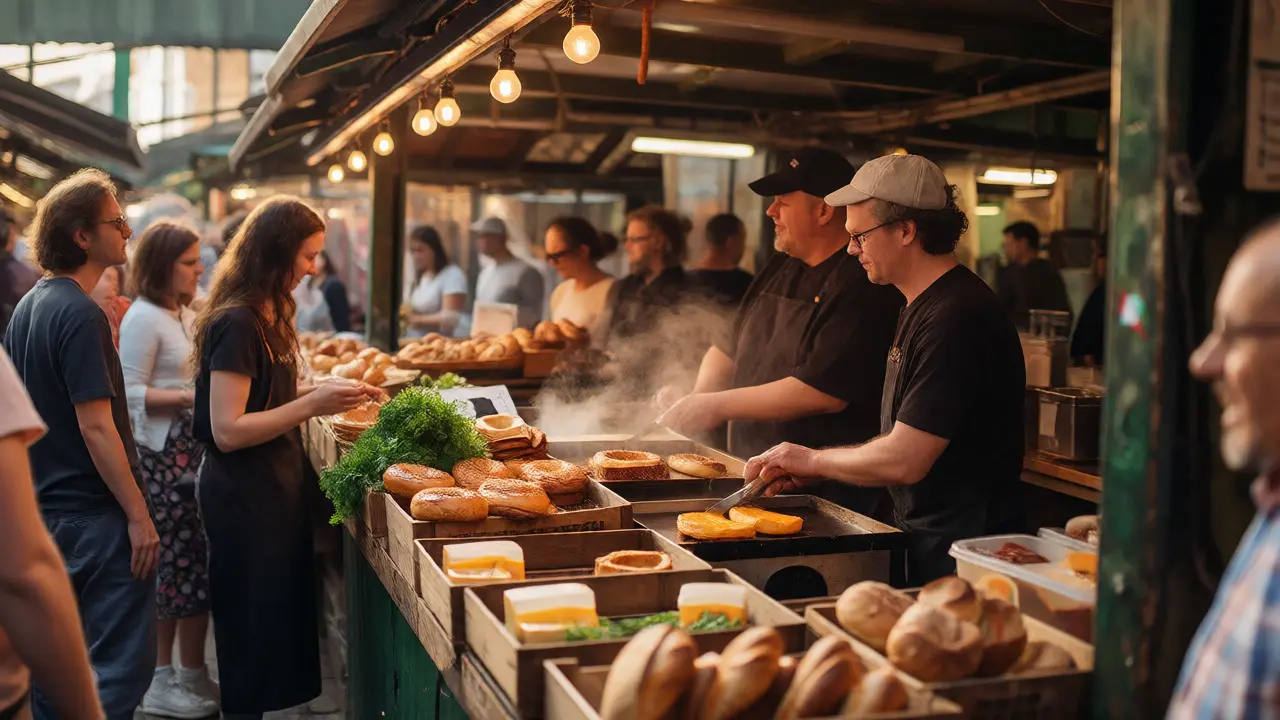
Cross the Millennium Bridge. It’s a pedestrian-only footbridge that gives you an unobstructed view of St Paul’s behind you and the Tate Modern ahead. Once you land on the South Bank, head straight to Borough Market. This is the oldest food market in London, operating since the 12th century. Today, it’s a foodie paradise.
Don’t eat at a sit-down restaurant here; it’s too slow. Grab street food. Try the salt beef bagel at Kappacasein-it’s legendary for a reason. Or get a cheese toastie from Cheese Toasties. If you want something lighter, grab a pastry from Bread Ahead. Eat standing up or sitting on the steps nearby. Watch the crowds. Listen to the vendors shouting their specials. This is the sensory overload part of London that makes it feel alive. It’s chaotic, loud, and delicious.
Afternoon: Culture and Parks
Walk east along the river from Borough Market to Southwark Cathedral. It’s smaller than St Paul’s but has a quiet charm. Henry VIII divorced Catherine of Aragon here. Afterward, continue east to Shakespeare’s Globe Theatre. Even if you don’t catch a play, the reconstruction of the original Elizabethan theatre is fascinating. The yard is open-air, and the wooden structure feels intimate compared to massive modern arenas.
Next, take the bus or walk north across Westminster Bridge. This is your transition zone. As you cross, look left for the Houses of Parliament and Big Ben (officially the Elizabeth Tower). Look right for the London Eye. Take photos from the bridge itself; you don’t need to ride the Eye unless you really want to spend 45 minutes in a capsule. The view from the bridge is nearly identical.
Once you’re on the North Bank, head to Westminster Abbey. It’s where coronations happen and where Newton and Darwin are buried. The Gothic architecture is stunning. If lines are long, skip the interior and admire the facade. Then, walk through St James’s Park. It’s the most beautiful royal park in London. Look for the pelicans-they’ve been fed daily since the 1600s. They’re huge, clumsy birds that will beg you for fish treats. It’s a nice palate cleanser after the heavy history of Westminster.
Evening: West End Energy
Walk from St James’s Park to Piccadilly Circus. This is the neon-lit hub of London. It’s touristy, yes, but it’s also electric. From here, wander down Shaftesbury Avenue into Soho. Soho is the creative, slightly gritty heart of London. It’s full of jazz clubs, independent cinemas, and diverse restaurants.
For dinner, avoid the chain restaurants near the circus. Go deeper into Soho or Chinatown. Try a Thai curry at Barrafina if you can book ahead, or just grab tacos at Tortilla. The vibe is lively, especially on weekends. After dinner, catch a show in the West End. You don’t need to spend £100. Check the TKTS booth in Leicester Square for same-day discounts on musicals and plays. Even if you don’t buy tickets, walking past the lit-up theatre marquees on Drury Lane is an experience in itself.
Nightcap: Views from Above
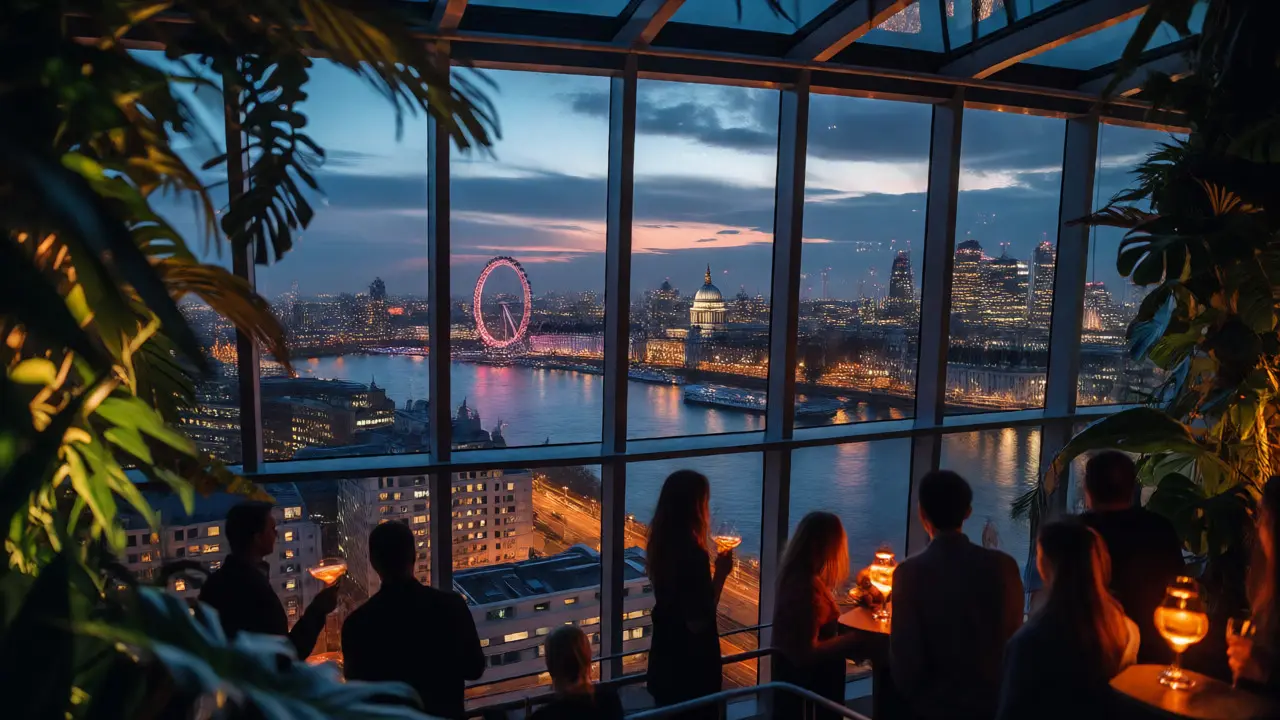
End your day with a drink that has a view. Head to The Sky Garden. It’s located in the "Walkie-Talkie" building at 20 Fenchurch Street. Entry is free, but you must book a slot online in advance. Slots fill up weeks ahead, so plan this early. If you miss out, try Frank’s Cafe in Peckham (requires a train ride) or a rooftop bar in Shoreditch like Queen of Hoxton.
Sip a cocktail while looking out over the entire city. You’ll see the lights of the bridges, the curve of the Thames, and the spires of churches mixed with skyscrapers. It ties the whole day together. You started at the Tower, ended in the sky, and walked through centuries of history in between.
Practical Tips for Your One Day
| Aspect | Recommendation |
|---|---|
| Transport | Use Contactless payment on Tube/Bus. No paper tickets needed. |
| Walking | Wear comfortable shoes. You will walk 10-15 miles. |
| Weather | Carry a compact umbrella. Rain is unpredictable year-round. |
| Booking | Book Sky Garden and popular restaurants 2-3 weeks in advance. |
A few rules of thumb: Don’t drive. Parking is a nightmare and traffic is slow. Use the Underground (Tube) or buses. A single bus journey is capped at £1.75, making it a cheap way to see the sights above ground. Also, mind the gap on the Tube platforms-it’s real, and people trip over it constantly.
If you find yourself rushing, cut St Paul’s interior. Spend more time at Borough Market. Food memories stick longer than cathedral stones. And remember, London is big. Trying to do two days’ worth of activities in one leads to burnout. Stick to this route, breathe, and enjoy the chaos.
Is one day enough to see London?
No, not for everything. But it is enough to see the major highlights and get a feel for the city's atmosphere. Focus on central areas like Westminster, the City of London, and the South Bank to maximize your time.
Do I need to book attractions in advance?
Yes, for popular spots like the Tower of London, St Paul's Cathedral, and especially free venues like the Sky Garden. Booking saves time waiting in queues and ensures entry during peak seasons.
What is the best way to pay for transport?
Use a contactless bank card or mobile wallet (Apple Pay/Google Pay) directly on the readers. It automatically calculates daily caps, which is usually cheaper than buying individual paper tickets or even Oyster cards for short visits.
Where should I stay for a one-day visit?
Stay near King's Cross St Pancras or Victoria Station. These hubs offer direct connections to airports via trains (Heathrow Express, Gatwick Express) and easy access to the Tube network for sightseeing.
Is London expensive for a one-day trip?
It can be. However, many major attractions like museums (British Museum, Natural History Museum) and parks are free. Eating street food and using public transport keeps costs manageable compared to guided tours and fine dining.