You have eight hours. Maybe less if you account for the Tube delays or the queue at the security check. The goal? To walk out of London feeling like you’ve actually seen the city’s soul, not just its postcards. This isn’t about rushing from landmark to landmark while checking boxes. It’s about curating a day that balances awe with comfort, history with modernity, and sightseeing with breathing room. If you try to do everything, you’ll do nothing well. So, let’s build a route that respects your time and your energy.
The Strategy: Cluster, Don’t Scatter
London’s museums are spread out, but they cluster beautifully in two main zones: the South Bank (Tate Modern, National Gallery area) and Bloomsbury (British Museum). Trying to cross the city in eight hours is a recipe for exhaustion. Instead, we will focus on a single, powerful corridor. For most visitors, the best value-for-time ratio lies in combining the British Museum is one of the world's largest and most comprehensive collections of human history and culture, holding over 8 million objects. with the nearby Royal Academy of Arts or the Natural History Museum, depending on your taste. However, the absolute gold standard for a high-impact cultural hit in a short window is pairing the British Museum with the Tate Modern via the South Bank. Wait-let's refine that. The British Museum is in Bloomsbury. Tate Modern is on the South Bank. They are far apart. Let's pivot. The most efficient "high culture" loop for a single day involves the **National Gallery** and the **Tate Modern**. They are connected by a pedestrian bridge, share similar opening hours, and offer a stark, brilliant contrast between classical and contemporary art. This pair allows you to spend four hours in one zone without losing an hour to transit. If you prefer ancient history over painting, swap this pair for the British Museum and the nearby Wallace Collection. But for visual impact and variety, the National/Tate combo wins.
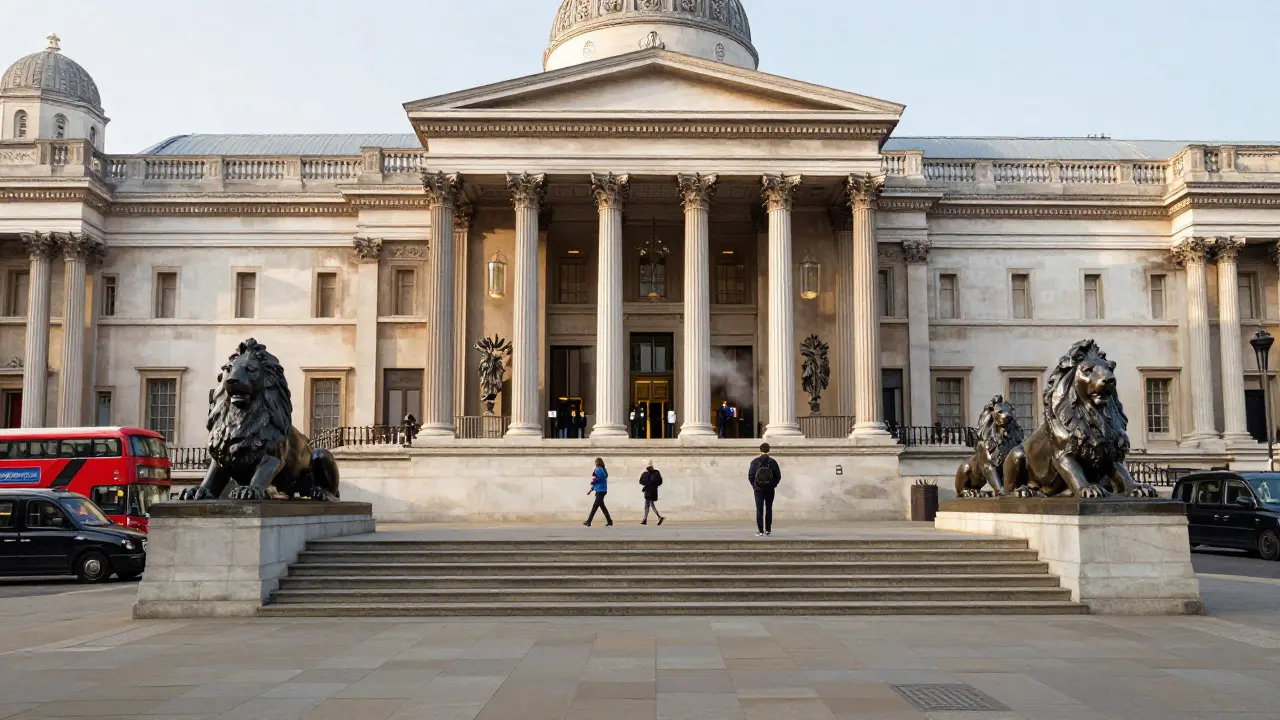
Morning: The National Gallery (09:00 - 11:30)
Start early. The National Gallery is a public art gallery located in Trafalgar Square, London, housing a collection of over 2,300 paintings from the mid-13th century to 1900. opens at 10:00 AM, but getting there by 9:45 AM lets you bypass the biggest crowds. You don’t need to see every room. Focus on the highlights. The Van Gogh Room is essential; seeing Sunflowers in person hits differently than a screen. Then, move to the Turner Wing. J.M.W. Turner’s seascapes are chaotic, emotional, and massive. Spend ten minutes here. Next, head to the Italian Renaissance section. Raphael’s School of Athens is complex, but standing in front of it gives you a sense of the scale of academic art from the 16th century.
- Must-See: Van Gogh’s Sunflowers and Café Terrace at Night.
- Must-See: Turner’s Wreckers and other maritime works.
- Time Tip: Skip the detailed audio guide unless you’re a deep art historian. Use the free app for quick context instead.
Midday: Bridge Walk and Lunch (11:30 - 13:00)
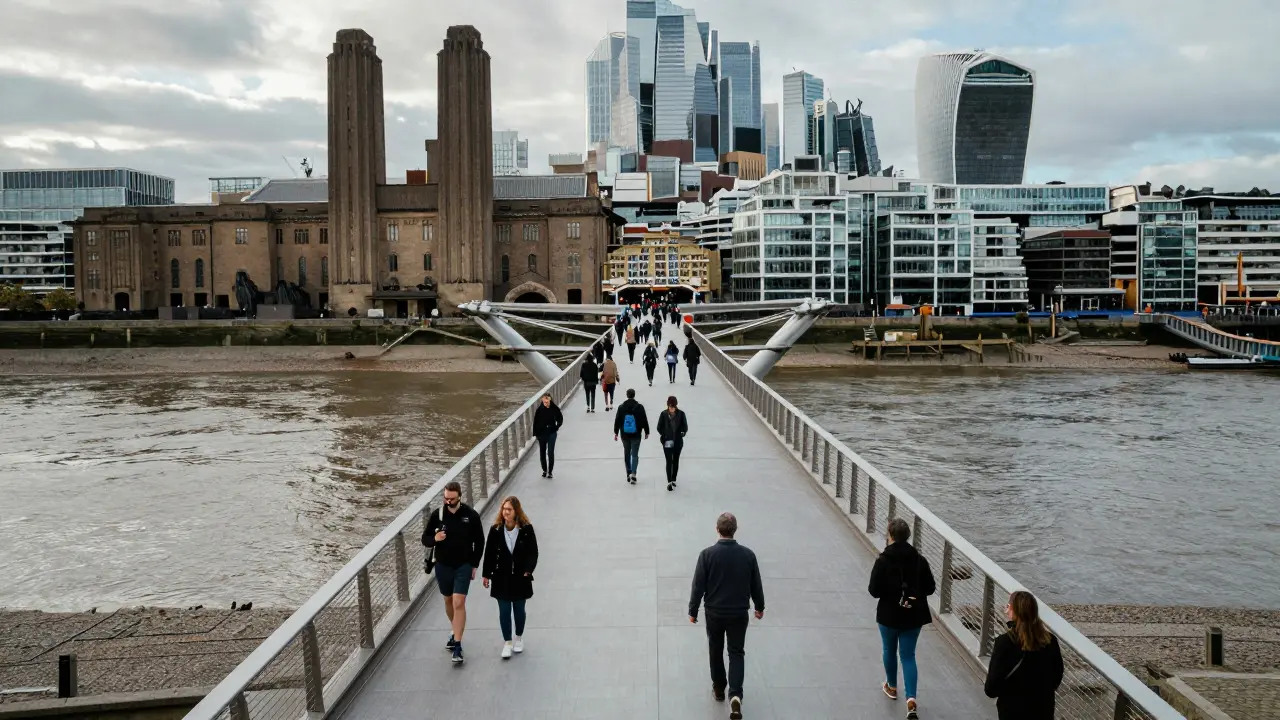
Exit the National Gallery and cross the Millennium Bridge to the South Bank. It’s a five-minute walk, but it feels like crossing into another era. The air changes. The noise changes. You’re now surrounded by street performers, river traffic, and the industrial architecture of the old power station that became Tate Modern. For lunch, avoid the tourist traps directly under the bridge. Walk south along the South Bank towards the Borough Market area or find a quiet spot near the Queen Elizabeth II Concert Hall. A simple sandwich and a coffee are enough. You need fuel, not a heavy meal that makes you sleepy. Keep your phone charged; you’ll want it for maps and photos later.
Afternoon: Tate Modern (13:00 - 16:00)
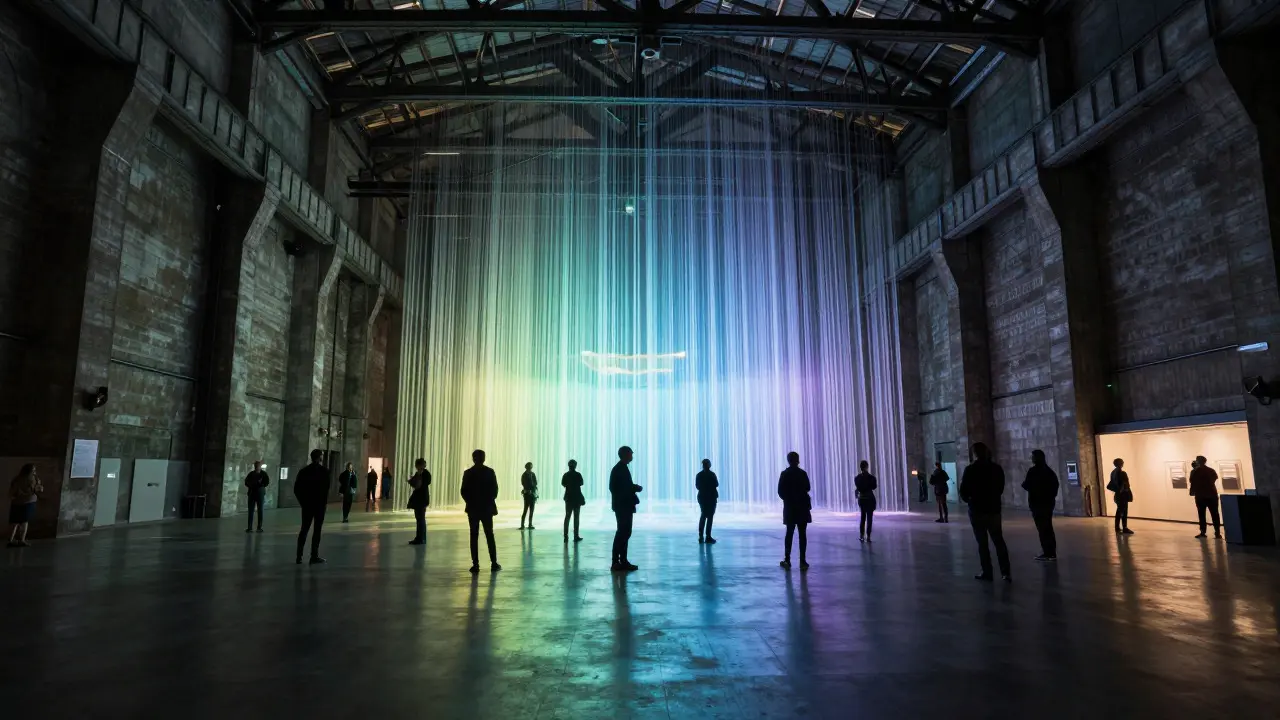
The Tate Modern is the United Kingdom's national gallery of modern and contemporary art, housed in a former power station on the south bank of the Thames. is huge. Do not get lost in the labyrinth. Start on Level 0. This is where the big hitters live. The Rothko Chapel is small, dark, and intense. Go there first while your eyes are still fresh. Then, move to the Turbine Hall. Depending on the current installation, this space can be overwhelming. In recent years, artists like Olafur Eliasson have created immersive experiences here. Take your time. Let the scale wash over you. Next, head upstairs to Level 1 and 2. This is where the post-war abstracts and pop art live. Warhol’s silkscreens, Hockney’s portraits, and Lichtenstein’s comic strips are here. These pieces are recognizable, fun, and visually striking. They provide a perfect counterpoint to the somber tones of the National Gallery. You’re moving from oil paint on canvas to neon light and digital projection. It’s a journey through the last century of artistic thought in just three hours.
Evening: The View and Wind Down (16:00 - 17:00)
You’ve done the heavy lifting. Now, reward yourself. Head back outside to the South Bank. Look up. The view of St. Paul’s Cathedral across the river is iconic. Find a bench near the Tate Modern entrance. Sit down. Watch the river. Read a few pages of a book if you brought one, or just people-watch. This pause is crucial. It cements the experience. Without it, the day feels rushed. With it, it feels curated. If you have energy left, take the Jubilee line from Waterloo to Oxford Circus. It’s a short ride. You can grab a dinner reservation in the West End or head to a pub in Covent Garden. But if you’re tired, take the Tube home. You’ve earned it.
Comparison: Alternative Routes
What if you hate modern art? Or what if you love history more than painting? Here is how you can swap the core components of this itinerary while keeping the same structure.
| Route Type | Primary Locations | Best For | Estimated Cost |
|---|---|---|---|
| Classic Art Loop | National Gallery, Tate Modern | First-timers, visual learners | £0 (Free entry) |
| Historical Deep Dive | British Museum, Wallace Collection | History buffs, architecture fans | £0 (Free entry) |
| Natural Science | Natural History Museum, Victoria & Albert Museum | Families, design enthusiasts | £0 (Free entry) |
Note: Most major London museums charge no admission fee. You only pay for special exhibitions. Always check their websites before you go, as temporary exhibits can change the layout and crowd levels significantly.
Practical Tips for Success
Here are the unspoken rules that make this itinerary work.
- Book Special Exhibits Early: While general entry is free, popular temporary shows often require timed tickets. Book these online weeks in advance.
- Wear Comfortable Shoes: You will walk 10,000+ steps. The floors are hard. Your feet will thank you.
- Use the Free Wi-Fi: All these museums offer free Wi-Fi. Download offline maps beforehand, though, just in case the signal drops in the basements.
- Stay Hydrated: The galleries are dry. Bring a reusable water bottle. Fountains are available in all three locations.
- Avoid Peak Times: Weekdays are significantly quieter than weekends. If you can choose, pick a Tuesday or Wednesday.
Common Mistakes to Avoid
Many visitors ruin their day by trying to add too much. Here is what to skip.
- Don’t Visit the V&A: The Victoria & Albert Museum is stunning, but it’s far from the South Bank/Bloomsbury axis. Adding it breaks the flow. Save it for Day 2.
- Don’t Rush the British Museum: If you swap in the British Museum, give it at least 3 hours. Trying to see the Rosetta Stone and the Egyptian mummies in 90 minutes is stressful and unsatisfying.
- Don’t Ignore the Cafes: The cafes inside these museums are often better and cheaper than the surrounding restaurants. Use them for snacks.
Frequently Asked Questions
Are London museums really free?
Yes, the permanent collections at the National Gallery, Tate Modern, British Museum, and many others are free to enter. However, special temporary exhibitions usually charge a ticket fee, ranging from £10 to £25. Check the specific exhibition page before visiting.
Which museum is best for a first-time visitor?
The National Gallery is generally considered the best starting point. It has clear signage, iconic works that are easy to recognize, and a manageable size. The Tate Modern is also excellent but can feel overwhelming due to its scale and abstract nature.
How long does it take to see the British Museum?
You can see the highlights in 3-4 hours. To see everything, you would need several days. Focus on the Egyptian Antiquities, the Greek and Roman sections, and the Parthenon Sculptures for a balanced visit.
Is the Tate Modern worth the trip?
Yes, especially if you enjoy contemporary art or unique architectural spaces. The building itself is a historic power station, which adds to the atmosphere. Even if you aren't an art expert, the sheer scale of the installations is impressive.
Can I combine the British Museum and Tate Modern in one day?
It is possible but tight. You would need to travel between Bloomsbury and the South Bank, which takes about 20-30 minutes each way by Tube. This leaves you with roughly 5 hours of museum time total. It’s doable if you are efficient, but the National Gallery/Tate Modern combo is smoother because they are adjacent.