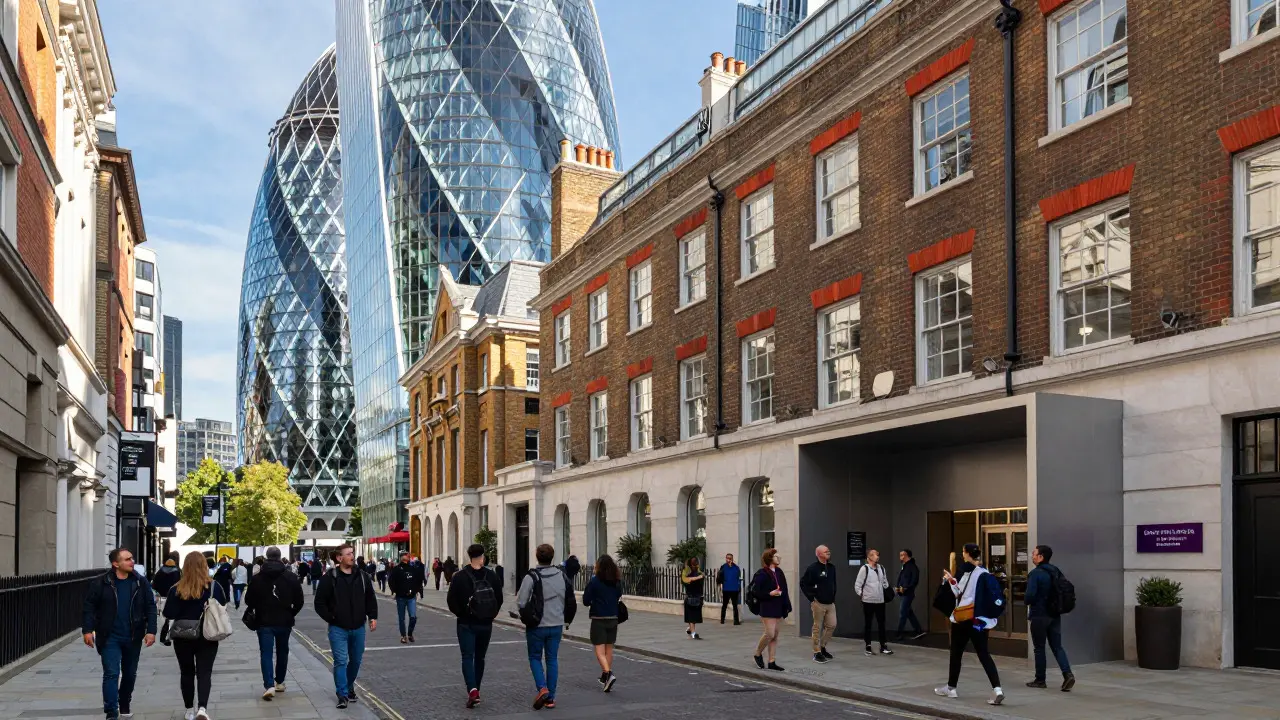
Imagine walking through the glass atrium of a skyscraper you usually only see from the street, or stepping inside a brutalist concrete masterpiece that most visitors walk right past. That is exactly what Open House London is all about. It is a biennial event where architects, designers, and engineers open the doors to buildings that are typically off-limits to the public. From hidden courtyards in historic townhouses to high-tech corporate HQs, this festival transforms the city into an open-air museum of built form.
The next edition is scheduled for early September 2026, following the successful run in 2024. If you love design, history, or just want to see London from a different angle, this is one of the best free experiences the city offers. But because spots fill up fast and routes can be confusing, you need a solid plan before you go.
What Is Open House London?
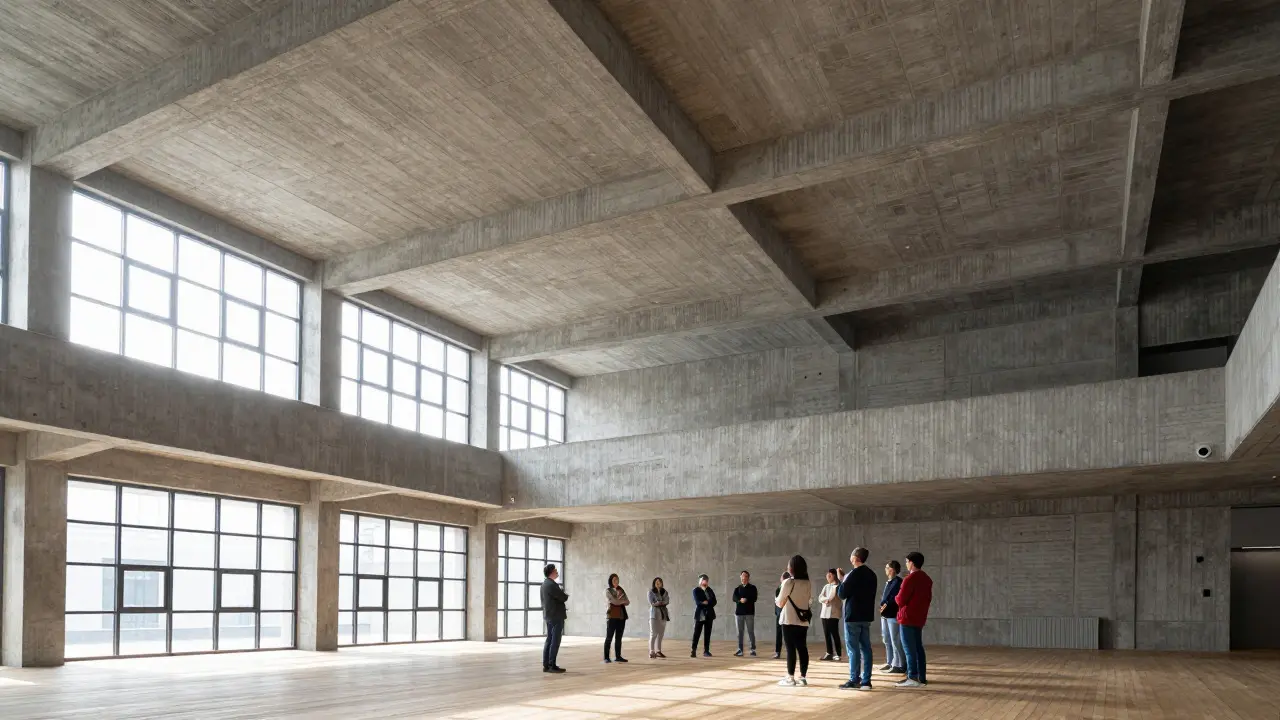
Open House London is a major cultural event that provides free access to iconic and contemporary buildings across the capital, led by expert guides who explain the design philosophy behind each structure. Unlike standard tourist tours that focus on historical facts, these visits emphasize how spaces are created, how materials interact with light, and how functionality shapes form. The event is organized by a dedicated charity that works year-round to promote architectural appreciation.
Each year, hundreds of buildings participate, ranging from Grade I listed heritage sites to cutting-edge sustainable developments. You might find yourself in a 19th-century warehouse converted into a tech hub one hour, and a mid-century modernist villa the next. The common thread is accessibility. Without this event, many of these spaces would remain invisible to anyone without a specific job or appointment there.
Why This Event Matters for Your Visit
You might wonder why you should prioritize this over other attractions. The answer lies in the depth of experience. Most London tours show you the outside of famous buildings. Here, you get the context. When you stand in the lobby of a new mixed-use development, your guide will explain how the facade was engineered to reduce heat gain, or how the internal layout maximizes natural ventilation. This educational layer turns a simple sightseeing trip into a masterclass in urban design.
For families, it’s a chance to see how cities work under the hood. For professionals, it’s networking disguised as tourism. And for casual visitors, it’s a unique way to navigate the city without hitting the usual crowds at the Tower of London or Buckingham Palace. Since admission is free, the only cost is your time and transportation, making it an incredibly high-value activity.
How to Plan Your Route Effectively
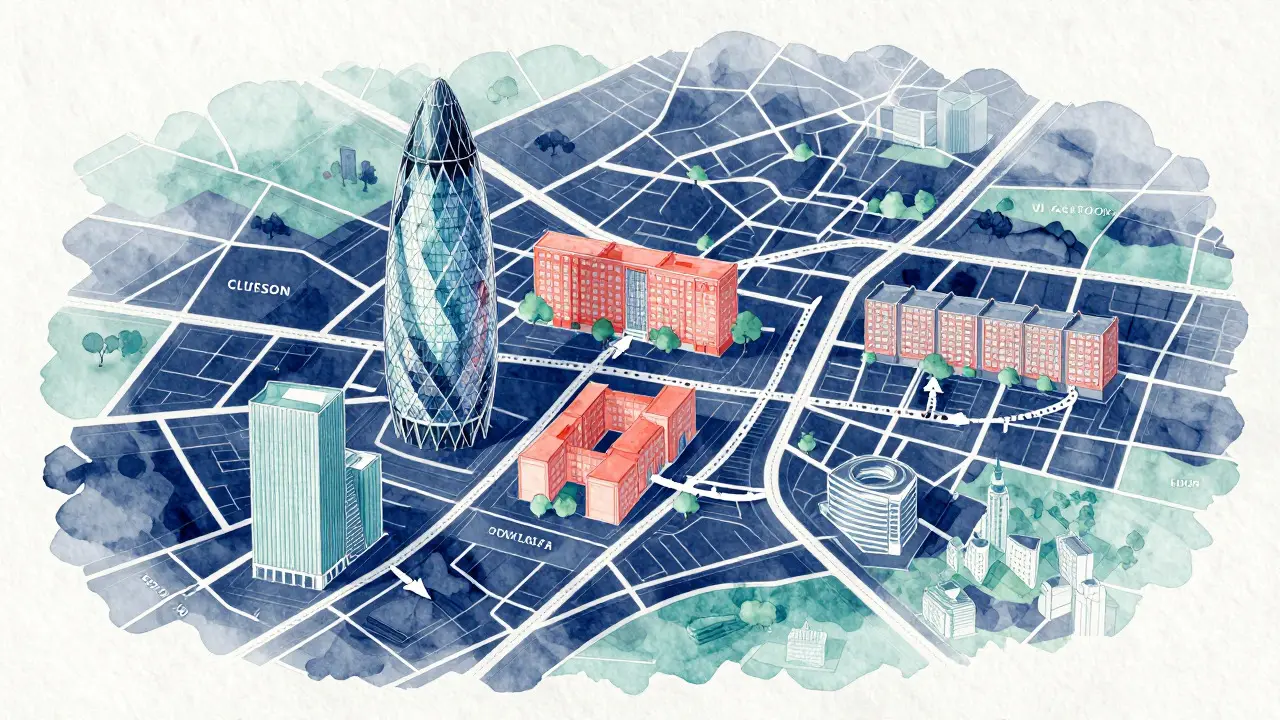
One of the biggest mistakes first-timers make is trying to see too much. With dozens of tours running simultaneously, you could easily end up walking five miles between two stops. To avoid exhaustion, use a geographic strategy rather than a chronological one. Group your visits by neighborhood. Central London has a dense cluster of modern office towers and heritage sites, while South Bank offers a mix of industrial conversions and residential projects.
- Choose your zone: Pick one area, such as the City of London, Mayfair, or Shoreditch. Stick to it for the day.
- Select three stops: Aim for no more than three tours per day. Each tour lasts between 45 minutes and two hours, plus travel time.
- Check meeting points: Many meetings happen at obscure side streets or basement entrances. Download the official map beforehand so you don’t wander looking for the wrong door.
- Book in advance: While some last-minute slots appear, popular tours like the Shard or Tate Modern special access sell out weeks ahead.
Pro tip: Start early. The 9:00 AM and 10:00 AM slots are less crowded and often have better lighting for photography. By mid-afternoon, groups tend to grow larger, which can make listening to the guide difficult.
Key Buildings and Types to Look For
Not all tours are created equal. Some focus on pure aesthetics, while others dive deep into engineering challenges. Here is a breakdown of the types of structures you will encounter, along with what to look for in each.
| Building Type | Typical Examples | Key Design Focus | Best For |
|---|---|---|---|
| Commercial Office | Tower blocks, Corporate HQs | Façade engineering, Energy efficiency | Architecture students, Engineers |
| Residential | Apartment complexes, Historic townhouses | Space optimization, Material texture | Interior designers, Homeowners |
| Cultural & Civic | Museums, Libraries, Town halls | Public flow, Acoustics, Lighting | General public, Families |
| Industrial Conversion | Old factories turned lofts/studios | Adaptive reuse, Structural preservation | History buffs, Creatives |
Pay attention to the details mentioned by your guide. In a commercial tower, ask about the curtain wall system-the outer skin of the building. In a residential block, notice how balconies are shaded to prevent overheating. These small insights reveal how much thought goes into creating livable spaces.
Practical Tips for Attendees
Comfort is key when you are on your feet for hours. Wear closed-toe shoes with good grip, as some sites involve uneven surfaces or temporary scaffolding. Dress in layers; interior temperatures can vary wildly from air-conditioned lobbies to drafty attic spaces. Bring a portable phone charger, as you will likely take many photos and use your device for navigation.
- Arrive 10 minutes early: Latecomers may be left behind if the group size is capped.
- Ask questions: Guides love engaging audiences. Asking "why" helps deepen the experience.
- Respect signage: Some areas are restricted due to security or ongoing work. Follow instructions strictly.
- Carry water: Public restrooms are not always available near meeting points, especially in private offices.
If you are visiting with children, keep expectations realistic. Some tours are dry and technical. Look for family-friendly tags on the schedule, which usually indicate shorter durations and interactive elements. Younger kids might enjoy seeing the construction toys or models often displayed in architectural firms' showrooms.
Frequently Asked Questions
Is Open House London really free?
Yes, admission to all tours is free. However, you must book online in advance for most events. A few last-minute tickets may be released on the day, but they are rare and highly competitive.
Do I need to be an architecture student to attend?
No, it is open to everyone. Guides tailor their explanations to the audience's level. If you are a beginner, listen for the big-picture concepts like sustainability and space usage rather than getting bogged down in technical jargon.
How long do the tours usually last?
Most tours range from 45 minutes to two hours. Complex buildings like museums or large office towers tend to be on the longer end, while smaller residential projects are quicker. Always check the specific duration listed on your booking confirmation.
Can I bring my own camera?
Generally, yes, but flash photography is often prohibited in sensitive interiors. Tripods are rarely allowed unless pre-approved. Check the specific rules for each building, as some corporate offices restrict photography for privacy reasons.
What happens if it rains?
Most tours continue regardless of weather since they are indoors. However, outdoor segments may be shortened. Check the event app or social media channels on the morning of your visit for any weather-related adjustments.